

Die verfügbaren Gehäusetypen in Doylestown stammen aus dem 19. Jahrhundert, und das ist auch die größte Herausforderung, der Sie gegenüberstehen, wenn Sie hier einen Smart Switch kaufen möchten. Was Sie verwenden können, hängt davon ab, was sich in Ihrer Wanddose befindet und nicht davon, welcher Marke Sie am meisten vertrauen können. Der Leitfaden zeigt Ihnen, welche Marke Sie lokal suchen sollten und welche Tests Sie durchführen sollten, bevor Sie Geld für einen Smart Switch ausgeben, wo Sie einen fairen Preis erhalten können und welche Genehmigungen Sie möglicherweise benötigen, wenn Sie ihn wechseln.
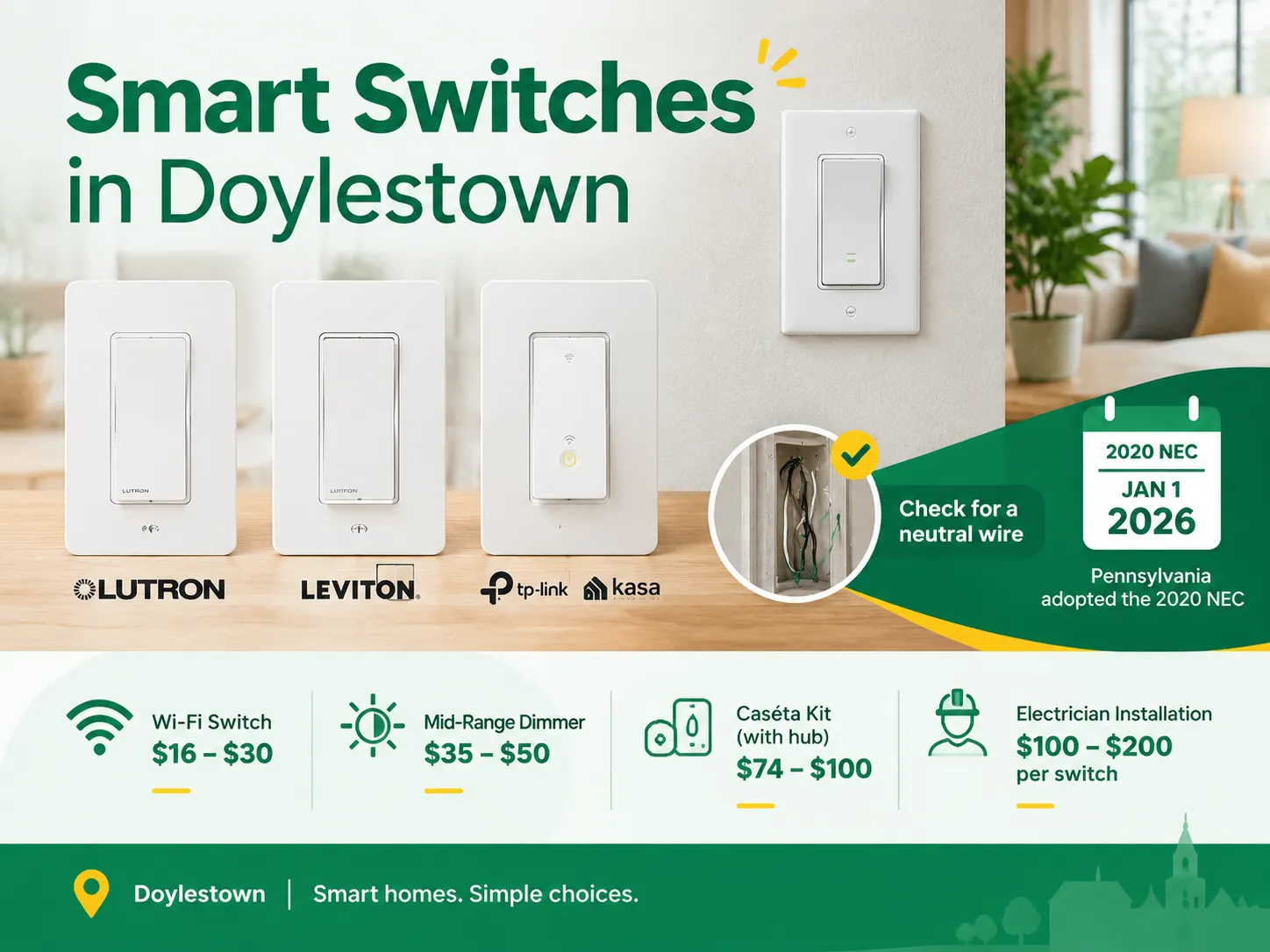
Schnelle Antwort: In Bezug auf Smart Switches für Ihr Haus in Doylestown gehören die beliebtesten Optionen Lutron Caséta (was die lokale Option ist, da das Unternehmen seinen Hauptsitz in Coopersburg, Pennsylvania hat), Leviton Decora Smart (die Apple HomeKit- und Matter-Smart-Switch-Option) und die relativ günstigen Marken TP-Link Kasa oder Tapo für das Schalten über Wi-Fi. Die Preise für einen einfachen Smart-Wi-Fi-Schalter werden voraussichtlich zwischen $16 und $30 liegen, während ein Smart-Dimmer im Durchschnitt $35 bis $50 kosten wird. Ein Caséta Smart Switch-Kit zusammen mit seinem Hub wird etwa $74 bis $100 kosten. Stellen Sie jedoch vor dem Kauf sicher, dass es einen Neutralleiter in Ihrem Haus gibt, da die meisten Smart Switches Neutralleiter benötigen und Häuser, die älter als 1985 sind, wahrscheinlich nicht damit ausgestattet sind. Ein lizenzierter Elektriker wird Ihnen etwa $100 bis $200 für die Installation eines Smart Switch in Doylestown berechnen. Der Bundesstaat Pennsylvania wird ab dem 1. Januar 2026 auf den National Electrical Code von 2020 umschalten.
Ein Smart Switch ist ein Ersatz für den Schalter an der Wand selbst, was den entscheidenden Unterschied ausmacht und der Grund ist, warum Smart Switches funktionieren, während Smart Bulbs scheitern.
Eine Smart Bulb ist eine Lampe mit einem eingebauten Radio und Controller. Sie funktioniert gut, bis jemand den Schalter an der Wand ausschaltet, da sie dann ohne Strom ist.
In einem Haus in Doylestown bedeutet das, dass ein Smart Switch in zwei Fällen installiert werden muss: wo ein Raum mehrere Lampen an einem Stromkreis hat und das Wechseln aller Lampen teurer wäre als das Wechseln des Schalters; und in Räumen mit Deckenleuchten oder Ventilatoren, die gesteuert werden müssen, ohne die gesamte Leuchte auszutauschen. Der zugrunde liegende Wandel — von einem mechanischen Kontakt zu einem Halbleiter plus einem Radio — und was sich dadurch in Bezug auf Zuverlässigkeit, Dimmen und Lastkompatibilität ändert, ist das Thema einer eigenen Erklärung. das Wesen von Smart Switches, was es wert ist, gelesen zu werden, bevor Sie annehmen, dass eine Smart Bulb denselben Job erledigen würde.
Vier lokale Realitäten definieren Ihre Kaufmöglichkeiten.
Das Alter der Verkabelung variiert erheblich. Doylestown Borough hat Häuser, die im 18. und 19. Jahrhundert gebaut wurden, und die Mehrheit der Häuser aus der Mitte des Jahrhunderts, die in den umliegenden Gemeinden gebaut wurden, wurde vor der Installation eines Neutralleiters im Schaltkasten errichtet. Die Häuser, die etwa 1985 gebaut wurden, haben fast ohne Ausnahme einen Neutralleiter im Schaltkasten. Zwischen diesen beiden Daten besteht jedoch eine fünfzig-fünfzig Chance, dass das Haus einen Neutralleiter im Schaltkasten hat. Der größte Grund für die Rückgabe des Smart Switches ist die Inkompatibilität mit der Verkabelung.
Nach dem 1. Januar 2026 haben sich die Vorschriften für elektrische Arbeiten in Pennsylvania geändert. Der Pennsylvania Uniform Construction Code folgte den International Codes von 2021 und dem National Electrical Code von 2020 ab dem 1. Januar 2026 mit einer Übergangsfrist bis zum 30. Juni 2026 für Verträge, die vor diesem Datum unterzeichnet wurden. In Bezug auf die Installation von Smart Switches spielt es keine Rolle, ob die Arbeit den neuen Vorschriften entspricht oder nicht, was die Praktikabilität betrifft.
Die Lizenzierung erfolgt auf lokaler Ebene. Pennsylvania erhebt auf staatlicher Ebene keine elektrischen Lizenzen. Die Lizenzierung und Genehmigung erfolgt von Gemeinde zu Gemeinde, wobei mehr als 90% der Städte oder sogar größere Städte ihre eigenen Regulierungsbehörden haben oder eine zertifizierte Drittagentur beauftragen. Das bedeutet, dass man sich bei Doylestown Borough oder der Gemeinde erkundigen muss, anstatt beim Bundesstaat Pennsylvania. Die Gebühren für elektrische Arbeiten liegen zwischen $50 und $300.
Niemand kontaktiert das Versorgungsunternehmen im Falle eines Schalterwechsels. Es ist wichtig zu wissen, dass PECO nur dann ins Spiel kommt, wenn die Arbeit mit der Serviceausrüstung verbunden ist.
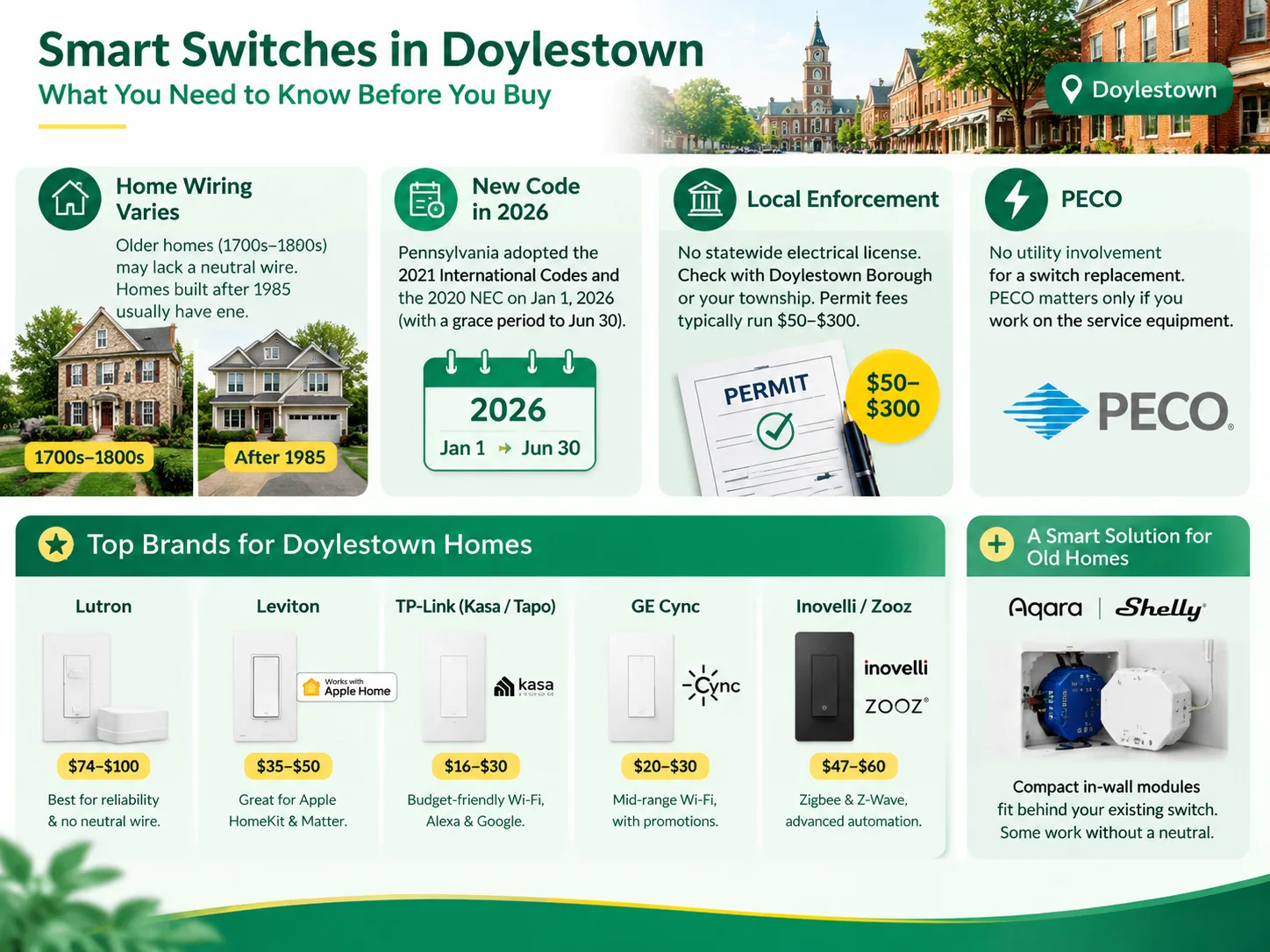
Fünf Marken decken fast jeden Wohnfall ab. Die Preise sind typisch für den US-Einzelhandel im Jahr 2026 und gelten pro Gerät, sofern nicht anders angegeben.
| Marke | Heimatbasis | Signature-Produkt | Typischer Preis | Am besten für |
|---|---|---|---|---|
| Lutron | Coopersburg, Pennsylvania | Caséta, Diva, Maestro, Sunnata | $74–$100 (Kit mit Hub) | Zuverlässigkeit; Häuser ohne Neutralleiter |
| Leviton | Melville, New York | Decora Smart D26HD, D315S | $35–$50 | Apple HomeKit und Matter |
| TP-Link (Kasa / Tapo) | China, US-Vertrieb | Kasa HS200, HS220, Tapo S505 | $16–$30 | Budget-Wi-Fi, Alexa und Google, kein Hub |
| GE Cync | Vereinigte Staaten | Cync Smart Switch und Dimmer | 20–30€ | Mittelklasse-Wi-Fi mit häufigen Aktionen |
| Inovelli / Zooz | Vereinigte Staaten | Blue Series 2-1, ZEN77 800LR | $47–$60 | Zigbee- und Z-Wave-Nutzer, fortgeschrittene Automatisierung |
There is a sixth category worth mentioning because it tackles the biggest problem of the old houses’ wiring directly. Both Aqara and Shelly produce small in-wall devices that need to be placed behind an existing switch, and some of them can work without a neutral wire. They are not smart switches in themselves but rather an extra element to an already-existing switch, so they are very useful in cases when the corresponding junction box is too shallow for a full-sized smart switch.
When it comes to brand selection, the first thing to consider is the level of support. A brand that can be found in almost all major retail chains is easier to replace, return, and obtain enough information about. A brand sold exclusively online might not be that expensive but could cause major problems when it comes to obtaining support in case of any issues with either the hub or the firmware.Leviton in particular is worth a closer look if you are already inside the Apple ecosystem, and the reasoning behind that judgement is set out in this assessment of whether Leviton is a good brand.
This is the only truly local advantage in the smart switch business, and this is not a marketing claim.
Lutron Electronics was founded in Coopersburg, Pennsylvania, in 1961 in the Lehigh Valley — which is located approximately one hour north of Doylestown — by Joel Spira and his wife Ruth. Joel Spira developed the first solid-state electronic dimmer as he figured it out in the fifties that a thyristor can be used to decrease light. The original devices are displayed at the National Museum of American History at the Smithsonian Institution. The corporate has over 2,700 international patents and sells more than 15,000 energy-efficient products worldwide, including 10 billion kW of power and about $1 billion in costs saved in the United States.
What it means in practice for a Bucks County homeowner is threefold. Nowadays, it is easy to get parts and replacements by asking local electrical distributors or the big-chain ones. The system is mature, not experimental, which is important for a device that will stay in the wall for fifteen years. The advantage of using Lutron is also important because Clear Connect RF, a special technology of the company works on a separate frequency, ensuring that there are no issues with the network.
The trade-offs associated with using Caséta are equally clear. Although it is possible to use the application and voice control function through the Smart Bridge hub, the owners need to buy a kit instead of a single switch. The ecosystem is proprietary, which means expansion of devices will remain within Lutron only. And, some models, in comparison with Wi-Fi dimmers, are rated for lower LED loads which may be important while managing large fixtures.
Removing the cover plate gives you access to the wires inside the box. Look for a bunch of white wires connected with a wire nut, separate from the wires that go to the switch.
While the cover plate is removed, you can count wires and define the switch type. One switch is single pole. Two switches controlling one light in case of the three-way circuit (when it is at the top and down the stairs) will require either a matched three-way smart switch or a smart switch plus a wireless companion device. Making a wrong purchase due to the absence of a neutral is one of the most frequent cases of returns.
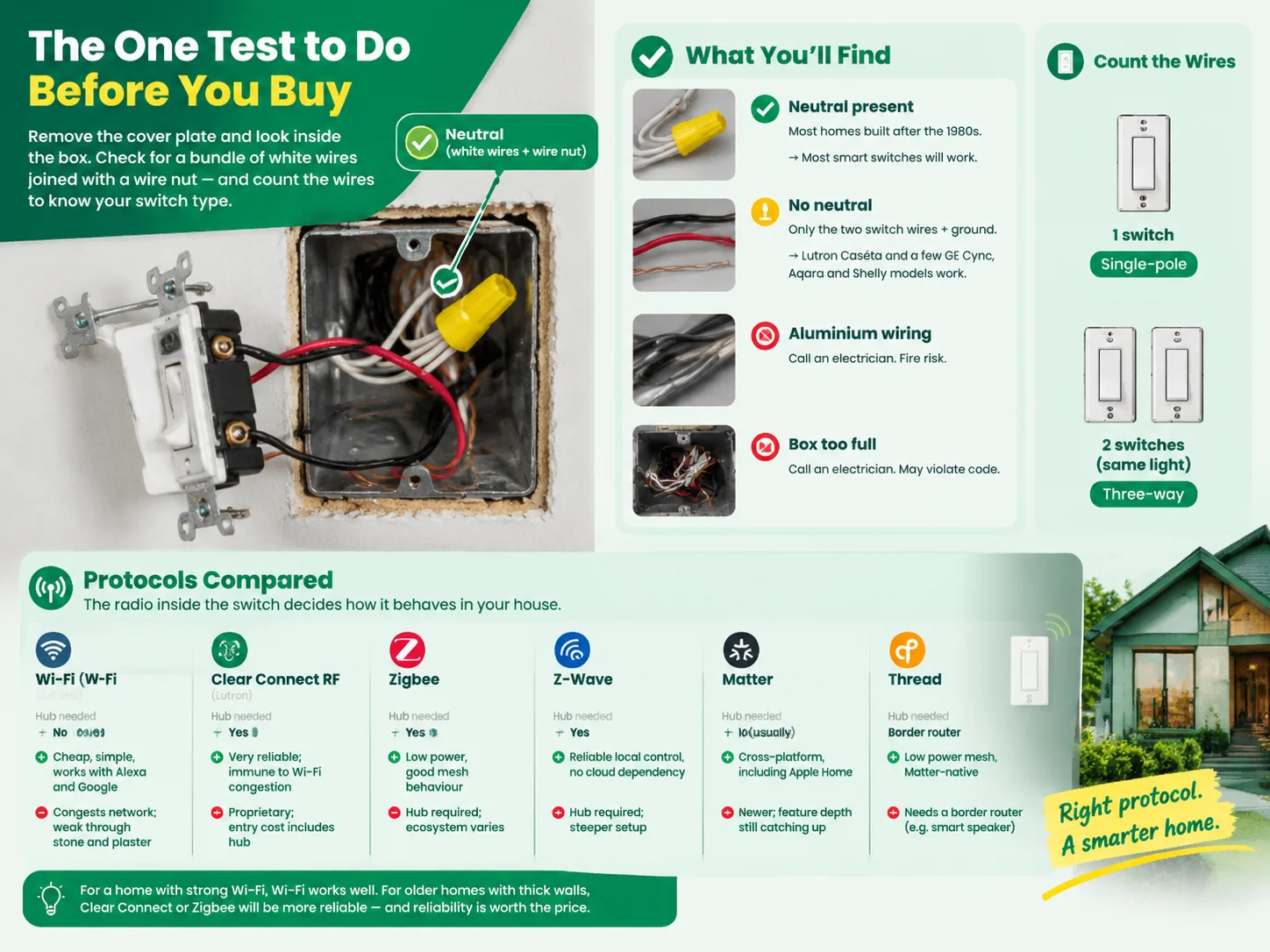
The radio inside the switch decides how it behaves in your house, and it matters more than the app.
| Protokoll | Hub benötigt | Stärke | Weakness |
|---|---|---|---|
| Wi-Fi (2.4 GHz) | NEIN | Cheap, simple, works with Alexa and Google | Congests the network; weak through stone and plaster |
| Clear Connect RF (Lutron) | Ja | Immune to Wi-Fi congestion; very reliable | Proprietary; entry cost includes the hub |
| ZigBee | Ja | Low power, good mesh behaviour | Hub required; ecosystem varies |
| Z-Welle | Ja | Reliable local control, no cloud dependency | Hub required; steeper setup |
| Gegenstand | No (usually) | Cross-platform, including Apple Home | Newer; feature depth still catching up |
| Thread | Border router | Low power mesh, Matter-native | Needs a border router such as a modern smart speaker |
In houses where the Wi-Fi signal has already spread well across all the rooms, it is cheaper to use wireless switches with a standard Wi-Fi switch. If the house is older with thick walls in Doylestown, however, a hub protocol with its own mesh is required, such as Clear Connect or Zigbee, since such a system is far more reliable in practice and this reliability is worth the difference in cost.
There are just six numbers and one listing to note.
Most dissatisfaction comes from the fourth point. A customer buys a dimmer and installs it, but the lights flicker due to the bulbs not being dimmable or the total load being below the minimum required by the dimmer. Both of these issues can be solved within 5 minutes while checking the packaging of the bulbs.
Three cost lines matter: the device, the labour, and the permit.
| Artikel | Typische Preisspanne | Normalerweise 15A (manche 20A) |
|---|---|---|
| Basic Wi-Fi smart switch (Kasa, Cync class) | $16–$30 | No hub; neutral usually required |
| Mid-range dimmer (Leviton Decora Smart class) | $35–$50 | HomeKit and Matter options |
| Lutron Caséta kit | $74–$100 | Includes hub and often a Pico remote |
| Wireless companion remote | 20–40 € | Creates a three-way function without new cable |
| Electrician labour, per switch | $100–$200 | Higher for three-way or no-neutral retrofits |
| Electrical permit | $50–$300 | Municipal; usually not required for a like-for-like swap |
There is a difference that makes it possible to calculate profit differently. Doing the first smart switch installation on one’s own takes from 20 to 30 minutes (this is your first time) and from 10 to 15 minutes afterward. So, DIY can be cost-effective for standard one-pole replacements. The service of the electrician is required in case of a three-way circuit installation, no-neutral upgrade, changes in the wiring, etc. The visit charge is approximately the same no matter how many switches you want to install, so the additional cost of installing four switches instead of just one is insignificant.
One more thing worth mentioning. Some insurers provide discounts for smart homes, which varies from one provider to another, and the cost of doing that is nothing.For a realistic picture of what lighting control actually costs once installers, hubs and programming are added up — figures that apply anywhere in the Philadelphia suburbs, not just in one town — this breakdown of smart lighting control systems, installers and real costs is a useful benchmark to hold against any quote you receive.
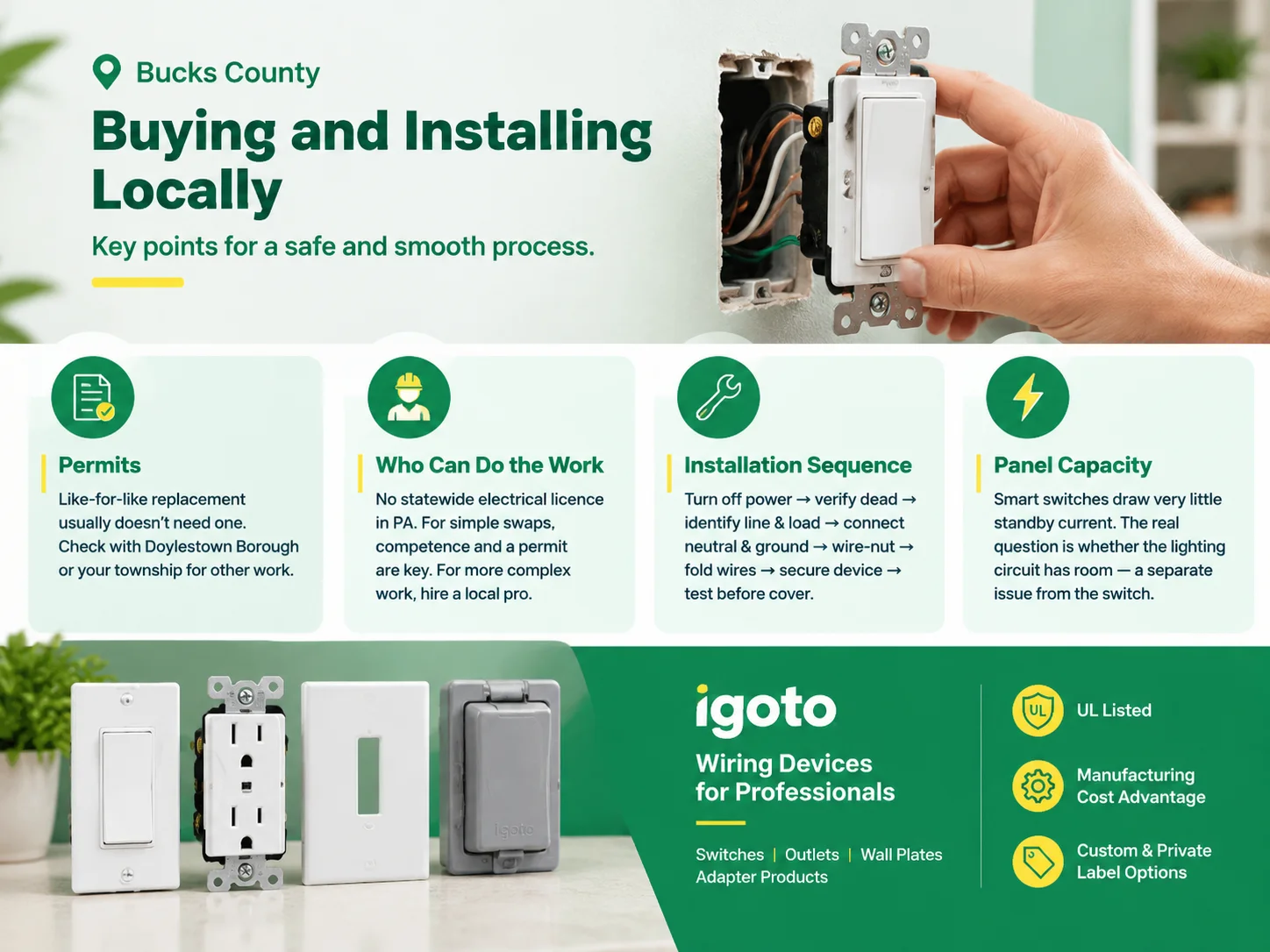
Important information concerning this idea in Bucks County.
Permits. Generally, replacing a device does not require a permit. It could need one if new cables, new circuits, new boxes in different locations, or work on the panel are required. Since the enforcement of permit requirements is municipal, check with Doylestown Borough or any township before you begin work instead of thinking that the easy rules of nearby boroughs will apply.
Who are the workers. Pennsylvania does not issue a state electrical license. It is regulated locally. The state is involved through the Bureau of Occupational and Industrial safety of the Department of Labor and Industry. If you are a homeowner who replaces a switch in his/her house, you need to be competent and get permits, as far as licenses are concerned. It is safer to hire somebody who has local qualifications for anything more serious than a simple replacement.
The procedure of installation. Turn the power off on the breaker. Use a non-contact tester to see if it is not working, define the line and load, connect neutral and ground wires, nut the connection, place wires back so that they do not get under stress, and fix the device ensuring that the plate is not fixed tightly. Make a test before replacing the cover. The procedures of installation are explained in the instruction of dimmer switch installation and mistakes to avoid while doing that, especially to avoid damages caused to the dimmer once the power is on.
It is necessary to mention where we stand in comparison with Lutron or Leviton.
Igoto is a manufacturer of wall switches and electrical outlets for OEM, contractors and distributors in addition to its other products. It does not sell a consumer smart home package. The products are available in North America in the form of ordinary and decorative switches, tamper-proof and weather-resistant outlet receptacles, as well as wall plates and adapters and comply with UL standards. We do not produce smart home controllers, apps or software for smart home management or installation.
This limits our field of action to two areas. If one is a dealer or contractor buying large numbers of electrical products, we have the advantage of lower cost of production which allows us to manufacture specifically for the client or under private label. If one needs to have a matching wall plate or the main switch along with the smart products keeping in mind the design, we can help to resolve the issue of matching the design.The programme scope is set out on the wall switch and power outlet manufacturing page.
Most buildings have it because, in addition to needing the internal radio and control unit, there should also be a continued return route without a constant dependency on the light being on.. Homes constructed after 1985 in most cases do feature an additional wire in the switch box, with a junction of white wires brought under wire-nut connections. But in older buildings, especially those in Doylestown, it rarely happens. The best known no-neutral device is Lutron Caséta, which draws a small current from the load whereas some particular models of other manufacturers also have that functionality. Don’t forget to look for the no-neutral capability on the box when you purchase the product.
The cost of the gadget is between $16 and $30 for a basic Wi-Fi switch, $35 and $50 for an intermediate dimmer priced at about $74–$100 for the Caséta available with its hub. Professional installation for each switch in the above-mentioned area will cost anywhere from $100 to $200, and the cost of installation of a three-way circuit or no-neutral retrofits is likely to be higher. If you receive an estimate that exceeds the above range for a simple single pole replacement, it is a good idea to ask what other things are covered in the price. In case the estimate is lower than expected, find out whether the contractor has an insurance cover and if the job can be carried out without a permit.
Generally, yes if reliability comes first, and generally, no if the budget comes first. Caséta is about three times more expensive than a budget WI-Fi switch + it needs a hub, but because it relies on a separate RF (radio frequency) signal, it does not need a neutral wire, and it is highly unlikely to go offline. In an older house with thick walls like many houses in Doylestown Borough, that reliability is worth more than the price difference. On the other hand, in a modern and well-Wi-Fi covered house, a $20 switch will do the job just as well.
It can be done by yourself for a single-pole replacement: turn off the circuit breaker, double-check that it is dead in the panel, find the line, load, neutral, and ground wiring, connect everything up, and check it before putting the cover back on, which should take approximately 20-30 minutes if this is your first experience. If you are working with three-way switches, no-neutral retrofits, aluminum wiring, or a box that does not allow you to install the device, then it is advisable to call an electrician for help. First verify the permit requirements in your area for the work.
Due to the use of various radio protocols. A Wi-Fi switch connects with the router and does not require a hub, but it competes for bandwidth over a 2.4 GHz connection. Zigbee, Z-Wave, and Lutron’s Clear Connect technology involve the use of a different radio band that is less reliable and uses less power, but it requires a hub in order to connect to a network or access the internet. Matter has made it easier to connect devices without the need for a manufacturer’s specific hub, however, the amount of features available still differs from brand to brand.
In most areas of Pennsylvania, a like-for-like device replacement does not need a permit. On the contrary, work that involves adding a circuit, installing new wiring, relocating a junction box, or changing the service panel does need a permit. Because enforcement is carried out at the municipal level, more than 90% of municipalities in Pennsylvania have their own programs. Always check with the Doylestown Borough or your township before beginning your project. Electrical permit costs in Pennsylvania range from $50 to $300.
Acquiring a smart switch in Doylestown comes down to three important considerations, namely whether or not there is a neutral wire in the box, whether the installation is of single pole type or of a three-way type, and whether the light bulbs being utilized are compatible with dimmable switches.
The list of possible smart switches available locally is fairly small. Lutron Caséta is the manufacturer of choice, being a Pennsylvania-based company, and thus quite easy to find and get support from too. Leviton Decora Smart is a good choice for those who have their homes set up with Apple technology, whereas Kasa and Tapo offer the budget alternative products for just about a fifth of the Lutron cost. Regardless of which one of these products gets chosen, budget anywhere from $16 to $100 for the product itself, plus another $100 to $200 for the installation, if you choose to hire someone to do the work.
Start with a single switch in your most used room, and then it will become clear whether your wiring will support smart switches accordingly!
The housing types available in Doylestown date back to the 1800s, and this is also the main challenge you face when trying to buy a smart switch here. What you can use comes down to what is inside your wall box and not which brand you can trust the most. The guide shows you which […]
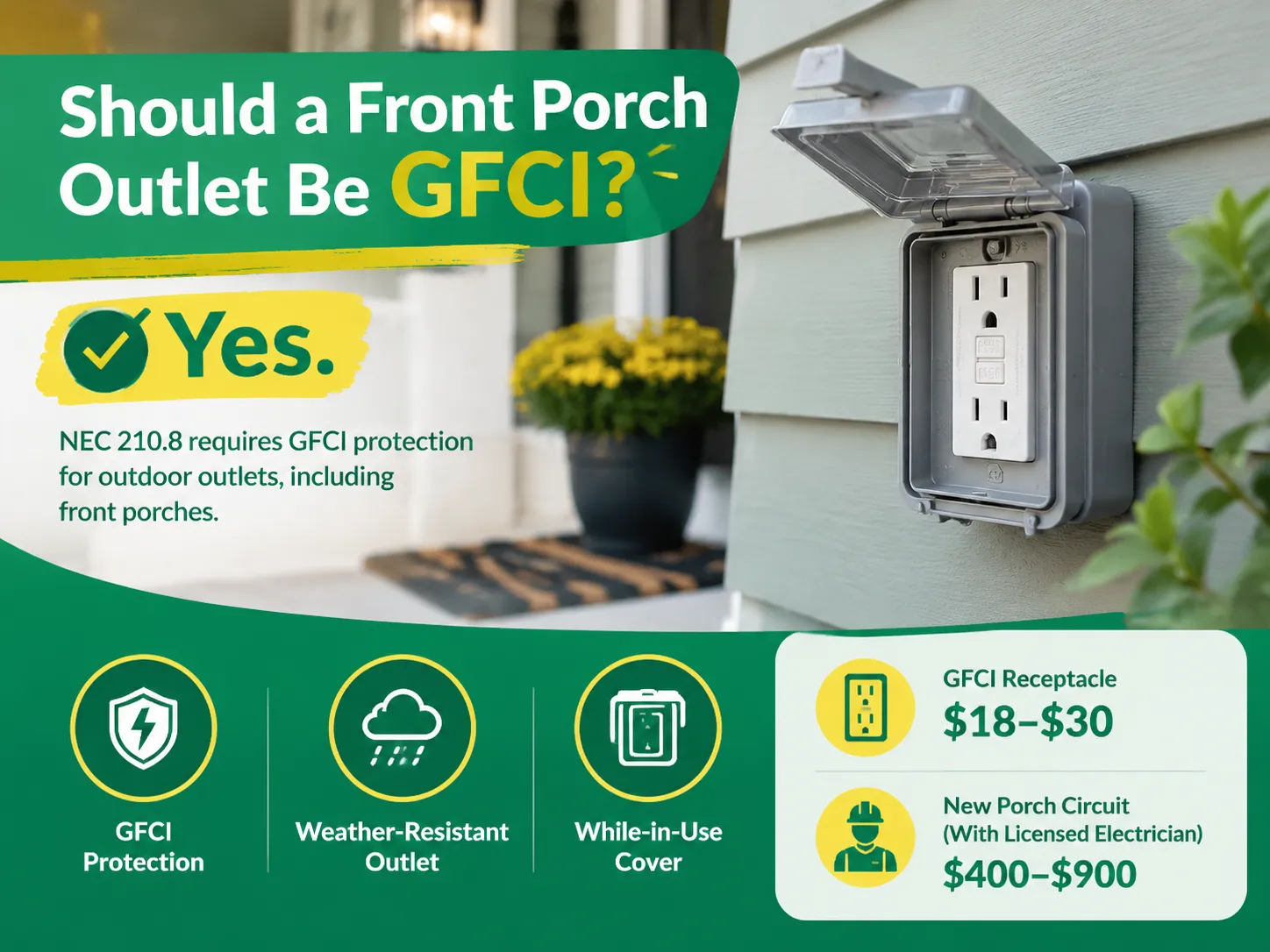
Von den sehr wenigen Bereichen eines Hauses, in denen der elektrische Code glasklar ist, ist die Steckdose auf der Veranda ein solches Beispiel. Da sich dieser Bereich im Freien, nass und allgemein durch die Tür des Hauses zugänglich ist, lösen diese Elemente verschiedene Anforderungen aus, die in den letzten zwei […] ziemlich streng geworden sind.
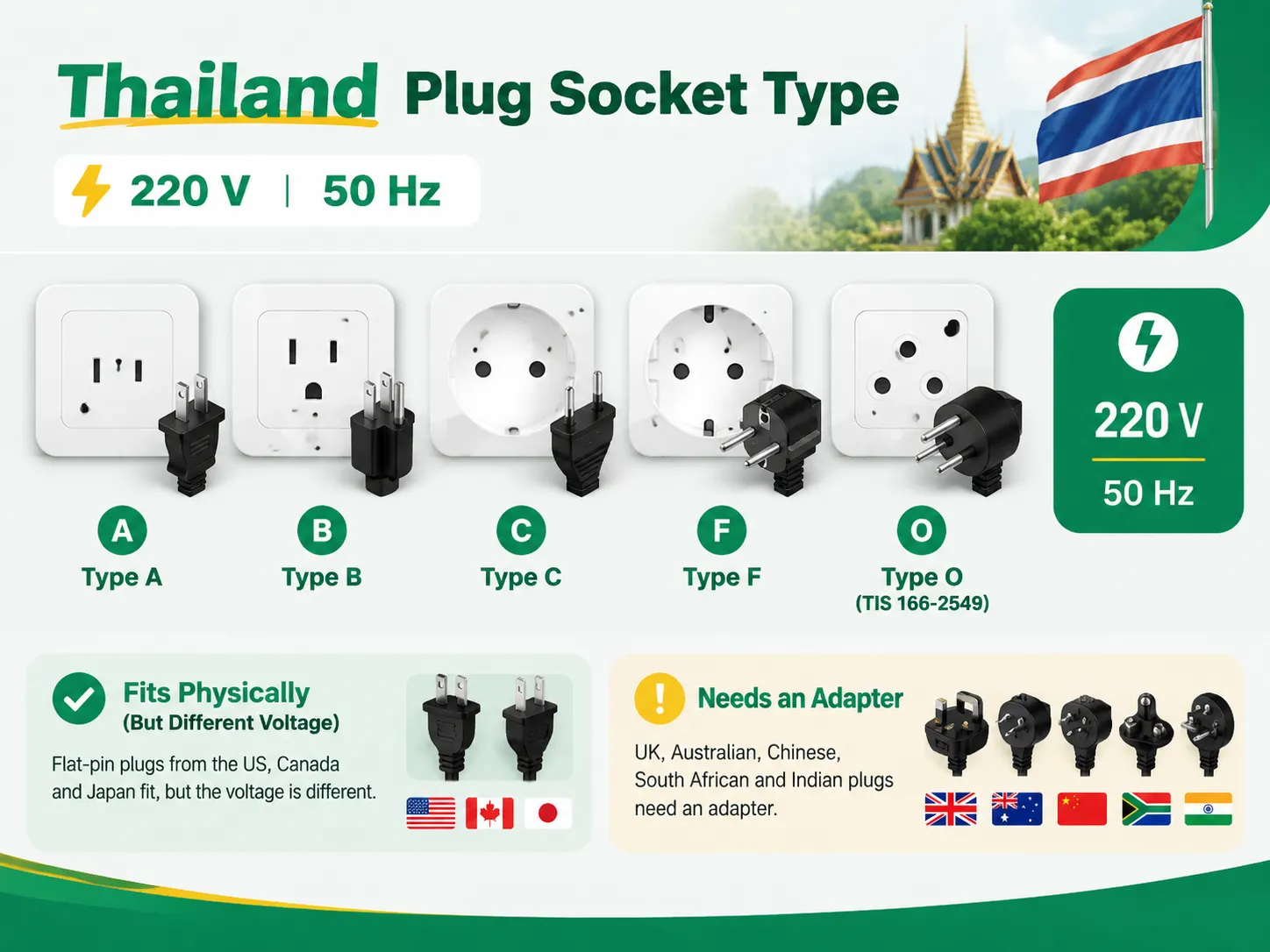
Wenn man in Thailand reist, ist eines der Dinge, die Thailand für Elektronikbenutzer einfach machen, dass es mehrere Arten von Steckdosen hat, aber dies ist auch ein Nachteil, da der richtige Stecker nicht unbedingt einen elektrisch sicheren Stecker bedeutet. So sehen die Steckdosen in Thailand aus und was Sie benötigen […]

 Nr. 6 Tuozhan Road, Leshang Pioneer Park, Yueqingwan Bay Harbor, Stadt Yueqing, Provinz Zhejiang


