

การเดินทางไปนิวยอร์ก โตรอนโต หรือเม็กซิโกซิตี้ พร้อมกับกระเป๋าที่เต็มไปด้วยที่ชาร์จจากยุโรป อังกฤษ หรือออสเตรเลีย ทำให้ผู้เดินทางต้องเผชิญกับความท้าทาย เนื่องจากเต้ารับไฟฟ้าในห้องพักโรงแรมจะแตกต่างจากที่ประเทศของตนอย่างสิ้นเชิง และกระแสไฟฟ้าที่จ่ายให้นั้นจะน้อยกว่าที่อุปกรณ์จะรับได้ เต้ารับสไตล์อเมริกาเหนือเหมือนกันทั่วทั้งทวีป ตั้งแต่แคนาดาไปจนถึงปานามา ซึ่งทำให้มีฐานผู้ใช้ที่ใหญ่ขึ้น แต่ในขณะเดียวกันก็สร้างความสับสนให้กับนักเดินทาง.
คู่มือฉบับนี้ให้รายละเอียดที่เป็นประโยชน์มากมายเกี่ยวกับเต้ารับและปลั๊กในอเมริกาเหนือ รวมถึงปลั๊กสองประเภท (A และ B) มาตรฐานที่กำหนดโดย NEMA แรงดันไฟฟ้าและความถี่ (120V และ 60 Hz) การออกแบบเต้ารับ ประเทศที่มีระบบที่คล้ายคลึงกัน และข้อกำหนดสำหรับนักเดินทางในการค้นหาว่าพวกเขาต้องการอะแดปเตอร์ ตัวแปลง หรือไม่ต้องการอะไรเลยหรือไม่.
ในอเมริกาเหนือ มีการใช้ปลั๊กและเต้ารับประเภท A และ B ซึ่งเป็นไปตามมาตรฐาน NEMA เดียวกันในสหรัฐอเมริกา เม็กซิโก และแคนาดา รวมถึงส่วนใหญ่ของอเมริกากลางและแคริบเบียน ประเภท A ประกอบด้วยขาแบนขนานสองขา ในขณะที่ประเภท B มีขาแบนสองขาเหมือนกันพร้อมขาต่อสายดินแบบกลมที่อยู่ด้านล่างขาเหล่านี้ สหรัฐอเมริกา แคนาดา เม็กซิโก ญี่ปุ่น และส่วนใหญ่ของละตินอเมริกา สามารถใช้ปลั๊กของตนได้โดยตรงกับเต้ารับ ผู้มาเยือนจากสหราชอาณาจักร (ประเภท G) ยุโรป (C/E/F) ออสเตรเลีย (ประเภท I) จีน และประเทศส่วนใหญ่ในเอเชีย ต้องใช้อะแดปเตอร์เพื่อเปลี่ยนรูปร่างของปลั๊ก.
ประเภท A (หรือที่เรียกว่า NEMA 1-15) เป็นปลั๊กสองขา (หรือใบแบน) แบบดั้งเดิมของอเมริกาเหนือ ซึ่งมีใบแบนสองใบที่มีความหนาประมาณ 1.5 มม. และยาวประมาณ 15.9-18.3 มม. ระยะห่างระหว่างขาทั้งสองประมาณ 12.7 มม. ปลั๊กประเภท A ไม่มีสายดิน ไม่มีขาต่อสายดิน และมีพิกัดกระแส 15A/125V.
ใบแบนของปลั๊กมักจะมีการแบ่งขั้ว ใบหนึ่งจะกว้างกว่าอีกใบหนึ่ง ตัวอย่างเช่น ความกว้างของขา Neutral ประมาณ 7.9 มม. ในขณะที่ความกว้างของขา Hot คือ 6.3 มม. การออกแบบนี้ช่วยให้เสียบปลั๊กได้ทิศทางเดียวเท่านั้น ซึ่งช่วยให้มั่นใจในความปลอดภัยของโคมไฟหรือเครื่องใช้ไฟฟ้า.
วัตถุที่ใช้ปลั๊กประเภท A: เครื่องใช้ไฟฟ้าขนาดเล็กและอุปกรณ์ที่หุ้มฉนวนสองชั้น เช่น โคมไฟ ที่ชาร์จโทรศัพท์มือถือ วิทยุพกพา สายไฟสองขาในอุปกรณ์ต่างๆ ผู้ใช้อุปกรณ์ที่มีปลั๊กสองขาแบบสหรัฐอเมริกานี้ สามารถหาปลั๊กที่พอดีกับเต้ารับแบบ A และเต้ารับแบบ B ได้.
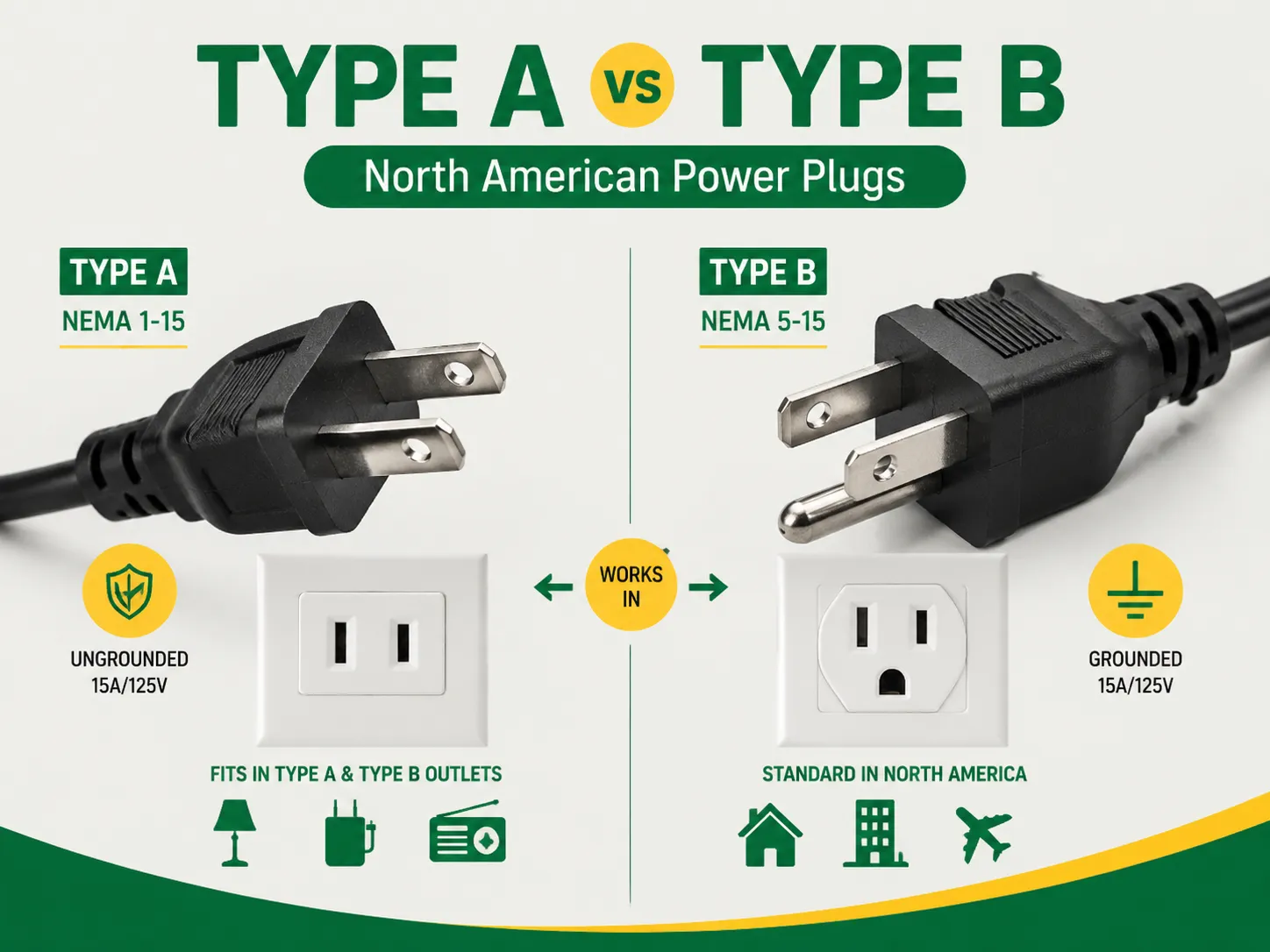
หรือที่รู้จักอย่างเป็นทางการว่า NEMA 5-15 ประเภท B ได้กลายเป็นปลั๊กมาตรฐานในอเมริกาเหนือ และใช้ใบแบนขนานคู่แบบเดียวกับประเภท A พร้อมกับขาต่อสายดินแบบกลม (รูปตัวยู) ใต้ใบแบน ขานี้มีเส้นผ่านศูนย์กลาง 4.8 มม. และยาวกว่าใบแบนเล็กน้อย ซึ่งช่วยให้มั่นใจได้ว่าขาต่อสายดินจะเชื่อมต่อก่อนที่กระแสไฟฟ้าจะเปิดใช้งาน พิกัดกระแสสำหรับปลั๊กนี้คือ 15 A/125 V.
ที่พบประเภท B: ทุกที่ เนื่องจากปลั๊กนี้ได้รับการติดตั้งทุกครั้งที่มีการก่อสร้างอาคารตั้งแต่ทศวรรษ 1960 และถูกใช้ในบ้าน โรงแรม สำนักงาน และสนามบินในสหรัฐอเมริกา แคนาดา และเม็กซิโก ในกรณีส่วนใหญ่ เต้ารับสมัยใหม่เป็นประเภท B แต่มีพอร์ตชาร์จ USB-C รวมถึงม่านนิรภัย TR ซึ่งเป็นส่วนหนึ่งของรหัสการก่อสร้างใหม่ ปลั๊กประเภท A พอดีกับเต้ารับประเภท B ในขณะที่ปลั๊กประเภท B ไม่พอดีกับเต้ารับประเภท A (เนื่องจากขาต่อสายดินไม่มีที่เชื่อมต่อ).
หากคุณกำลังอัปเกรดเต้ารับในทรัพย์สินในอเมริกาเหนือ เต้ารับสมัยใหม่ รวมถึงแบบรวม USB และแบบอัจฉริยะใน กลุ่มผลิตภัณฑ์เต้ารับ IGOTO — เป็นไปตามรูปแบบ Type A/B/NEMA เดียวกัน ดังนั้นจึงติดตั้งในกล่องมาตรฐานใดก็ได้.
NEMA ย่อมาจาก National Electrical Manufacturer’s Association ซึ่งเป็นผู้กำหนดมาตรฐานสำหรับปลั๊กและเต้ารับในอเมริกาเหนือ รหัสที่สำคัญคือ:
| รหัส NEMA | ชื่อสามัญ | การกำหนดค่า | พิกัด |
|---|---|---|---|
| NEMA 1-15 | ประเภท A | ขาแบนขนาน 2 ขา ไม่ต่อสายดิน | 15A / 125V |
| NEMA 5-15 | ประเภท B | ขาแบน 2 ขา + ขาต่อสายดินแบบกลม ต่อสายดิน | 15A / 125V |
| NEMA 5-20 | ประเภท B (20A) | ขาแบน 2 ขา + ขาต่อสายดิน ใบแบนหนึ่งใบหมุน 90° | 20A / 125V (ห้องครัว ห้องน้ำ) |
| NEMA 6-15 / 6-20 | เต้ารับ 240V | ขาแบน 2 ขา + ขาต่อสายดิน สำหรับเครื่องใช้ไฟฟ้า 240V | 15-20A / 240V (เครื่องอบผ้า เครื่องปรับอากาศ รถยนต์ไฟฟ้า) |
| NEMA 14-30 / 14-50 | เครื่องอบผ้า / เตา / รถยนต์ไฟฟ้า | 4 ขา (2 ขาไฟ + ขากลาง + ขาต่อสายดิน) | 30-50A / 240V |
สำหรับนักเดินทาง มีเพียงประเภท 1-15 (ประเภท A) และประเภท 5-15 (ประเภท B) เท่านั้นที่เกี่ยวข้อง ประเภทอื่นๆ ทั้งหมดเป็นปลั๊กกระแสสูงแบบพิเศษ สิ่งที่จะพบในทุกโรงแรมและบ้านคือเต้ารับสากล 120V.
อเมริกาเหนือทำงานด้วยระบบ 120 โวลต์ 60 เฮิรตซ์ ซึ่งเหมือนกันในสหรัฐอเมริกา (120V) แคนาดา (120V) และเม็กซิโก (แม้ว่าเม็กซิโกจะสูงกว่าเล็กน้อยที่ประมาณ 127V) ระดับแรงดันไฟฟ้านี้เป็นประมาณครึ่งหนึ่งของที่โลกส่วนที่เหลือใช้ (220-240V) ซึ่งเป็นอีกส่วนหนึ่งของปริศนาความเข้ากันได้โดยรวม.
ระดับแรงดันไฟฟ้ายังใช้งานได้ใน:
ระดับแรงดันไฟฟ้าไม่เข้ากันกับสหราชอาณาจักร, ยุโรป, ญี่ปุ่น, ออสเตรเลีย, นิวซีแลนด์, จีน, อินเดีย, สิงคโปร์ และส่วนใหญ่ของแอฟริกา เนื่องจากทั้งหมดใช้แรงดันไฟฟ้า 220-240V และมีรูปทรงปลั๊กที่แตกต่างกัน.
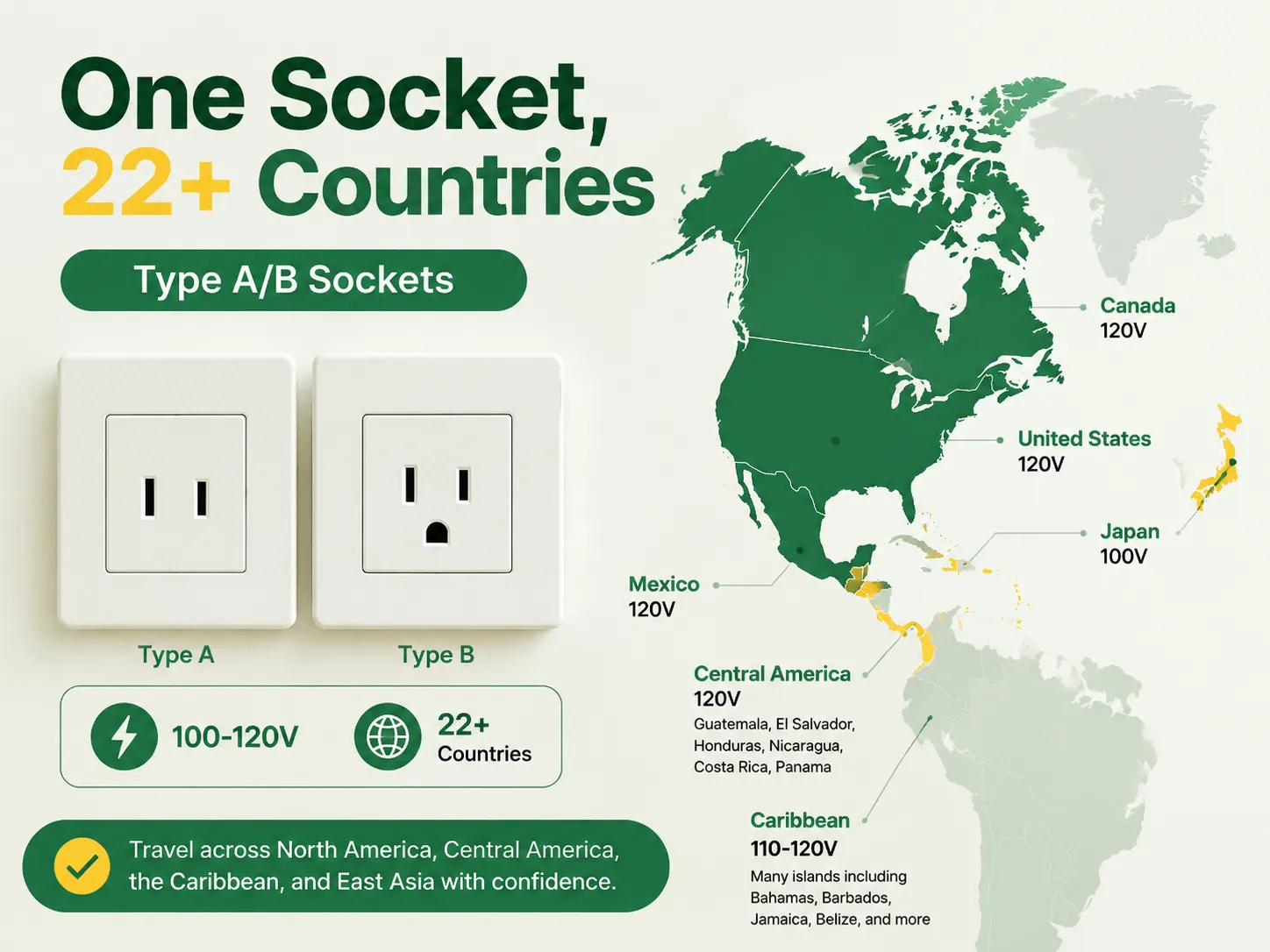
มาตรฐานไฟฟ้าของอเมริกาเหนือไม่มีใครเทียบได้: การออกแบบปลั๊กเดียวถูกใช้ในกว่า 22 ประเทศ ในเรื่องนี้ ปลั๊กจะเหมือนกันในภูมิภาคต่อไปนี้:
โดยรวมแล้ว คนคนหนึ่งสามารถเดินทางจากสหรัฐอเมริกาไปยังแคนาดา และจนกระทั่งเดินทางไปครึ่งโลก ไปยังปานามา โดยไม่ต้องคิดถึงอะแดปเตอร์ปลั๊ก ซึ่งทำให้ระบบไฟฟ้าเป็นมิตรต่อการเดินทางสำหรับผู้คนจากสหรัฐอเมริกา.
| ประเทศ / ภูมิภาค | โฮมปลั๊ก | ต้องการอะแดปเตอร์หรือไม่? | ต้องใช้ตัวแปลงแรงดันไฟฟ้าหรือไม่? |
|---|---|---|---|
| สหรัฐอเมริกา, แคนาดา, เม็กซิโก | ก / ข | เลขที่ | เลขที่ |
| อเมริกากลาง, ส่วนใหญ่ของแคริบเบียน | ก / ข | เลขที่ | ไม่ (110-127V) |
| ญี่ปุ่น | ก / ข | เลขที่ (ปลั๊กเข้ากันได้) | โดยปกติไม่ (100V เทียบกับ 120V) |
| ไต้หวัน | ก / ข | เลขที่ | ไม่ (110V) |
| สหราชอาณาจักร / ไอร์แลนด์ | จี | ใช่ | ใช่ (สำหรับอุปกรณ์ที่ใช้แรงดันไฟฟ้า 230V เท่านั้น) |
| ยุโรปภาคพื้นทวีป | ซี / อี / เอฟ | ใช่ | ใช่ (สำหรับอุปกรณ์ที่ใช้แรงดันไฟฟ้า 230V เท่านั้น) |
| ออสเตรเลีย / นิวซีแลนด์ | ฉัน | ใช่ | ใช่ (สำหรับอุปกรณ์ที่ใช้แรงดันไฟฟ้า 230-240V เท่านั้น) |
| จีน | เอ / ซี / ไอ | อาจจะ (A ใช้ได้; C/I ต้องการอะแดปเตอร์) | ใช่ (220V เทียบกับ 120V) |
| เกาหลีใต้ | ซี / เอฟ | ใช่ | ใช่ (220V) |
| อินเดีย | ซี / ดี | ใช่ | ใช่ (230V) |
หมายเหตุสำคัญ: อะแดปเตอร์สามารถทำให้รูปทรงของปลั๊กเข้ากันได้เท่านั้น แต่ไม่สามารถเปลี่ยนแปลงแรงดันไฟฟ้าได้ ตัวอย่างเช่น หากไดร์เป่าผมของอังกฤษเสียบเข้ากับเต้ารับไฟฟ้าของสหรัฐอเมริกาโดยใช้อะแดปเตอร์เท่านั้น มันจะได้รับแรงดันไฟฟ้า 120V แทนที่จะเป็น 230V ซึ่งหมายความว่ามันจะทำงานได้น้อยและร้อนจนเป็นอันตราย.
กฎทั่วไป: หากระบุว่า INPUT: 100-240V (หรือ 110-240V) อุปกรณ์นั้นสามารถทำงานได้กับแรงดันไฟฟ้าคู่และต้องการเพียงอะแดปเตอร์ หากระบุเพียง 120V หรือ 230V แสดงว่าเป็นแรงดันไฟฟ้าเดี่ยว และหากมาจากประเทศที่มีมาตรฐาน 230V จะต้องใช้ตัวแปลงในอเมริกาเหนือ ที่ชาร์จโทรศัพท์ส่วนใหญ่, อะแดปเตอร์แล็ปท็อป, ที่ชาร์จกล้อง, และที่ชาร์จแปรงสีฟันเป็นแบบแรงดันไฟฟ้าคู่ ในขณะที่ไดร์เป่าผมส่วนใหญ่, เครื่องม้วนผม, และอุปกรณ์รุ่นเก่าไม่ใช่ สวิตช์และเต้ารับไฟฟ้าประเภทต่างๆ และ พื้นฐานการติดตั้งสวิตช์หรี่ไฟ ครอบคลุมส่วนฮาร์ดแวร์ของอุปกรณ์ติดผนัง.
การตรวจสอบอย่างรวดเร็วจะใช้เวลาเพียงสิบวินาที คุณเพียงแค่ต้องดูที่ป้ายเล็กๆ บนอุปกรณ์หรือบนแหล่งจ่ายไฟ ซึ่งมักจะอยู่ที่บริเวณรอบๆ จุดเชื่อมต่อสายเคเบิล.
| ข้อความบนฉลาก | ความหมาย | จำเป็นในอเมริกาเหนือ (จากประเทศที่ใช้แรงดันไฟฟ้า 230V) |
|---|---|---|
| “อินพุต: 100-240V, 50/60Hz” | แรงดันไฟฟ้าคู่ ใช้ได้ทั่วโลก | ใช้อะแดปเตอร์เท่านั้น |
| “อินพุต: 110-240V” | แรงดันไฟฟ้าคู่ | ใช้อะแดปเตอร์เท่านั้น |
| “อินพุต: 100-120V” | แรงดันไฟฟ้าเดี่ยว (มาตรฐาน NA/ญี่ปุ่น) | ใช้อะแดปเตอร์เท่านั้นหากมาจากประเทศที่ใช้ 120V; ใช้ตัวแปลงหากมาจากประเทศที่ใช้ 240V |
| “อินพุต: 220-240V” | แรงดันไฟฟ้าเดี่ยว (มาตรฐาน 230V) | อะแดปเตอร์ + ตัวแปลง |
หากคุณเดินทางจากประเทศใดๆ ที่มีแรงดันไฟฟ้าระหว่าง 220V ถึง 240V คุณควรพกไดร์เป่าผมแบบแรงดันไฟฟ้าคู่ไปด้วย หรือใช้ไดร์เป่าผมสำหรับเดินทางที่โรงแรมจัดหาให้.
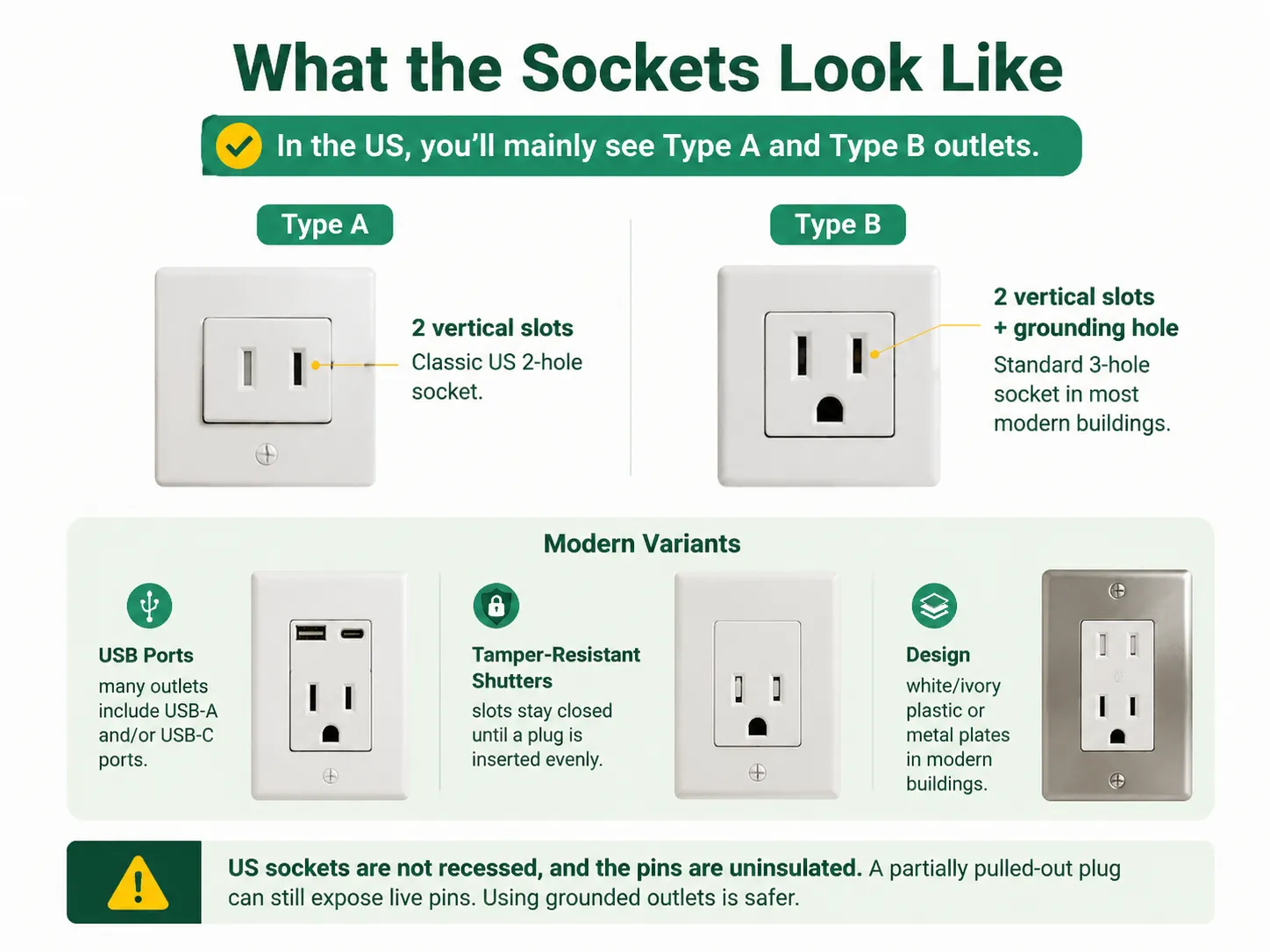
การระบุขั้วต่อช่วยให้การเดินทางสะดวกขึ้น:
เต้ารับแบบอเมริกันเป็นที่รู้จักกันดีว่าไม่ได้ฝังอยู่ในผนัง และขาปลั๊กไม่มีฉนวน ซึ่งหมายความว่าปลั๊กที่เสียบเข้าไปเพียงบางส่วนยังมีขาที่มีกระแสไฟฟ้าอยู่ ปลอดภัยเพียงพอสำหรับการใช้งานปกติ แต่ก็เป็นอีกเหตุผลหนึ่งในการใช้เต้ารับที่มีสายดินและได้รับการรับรอง เช่น เต้ารับที่ป้องกันการงัดแงะและมีพอร์ต USB ใน คู่มืออัปเกรดเต้ารับ USB, และการควบคุมผนังอัจฉริยะที่มีอยู่ใน กลุ่มผลิตภัณฑ์สวิตช์อัจฉริยะ IGOTO สำหรับรูปแบบมาตรฐานอเมริกาเหนือเดียวกัน.
สำหรับนักเดินทางบ่อยที่เดินทางระหว่างภูมิภาคที่มีแหล่งจ่ายไฟ 120V และ 240V ขอแนะนำให้ใช้อะแดปเตอร์สากลเกรดสูง ($25-$45).
ปลั๊กและเต้ารับที่ใช้ในอเมริกาเหนือ ได้แก่ Type A (มีขาแบนขนานสองขาที่ไม่ได้ต่อลงดิน หรือที่เรียกว่า NEMA 1-15) และ Type B (มีขาแบนสองขาและขาแบบกลมที่ทำหน้าที่เป็นสายดิน — NEMA 5-15) ระบบนี้ใช้ในสหรัฐอเมริกา แคนาดา เม็กซิโก ส่วนใหญ่ของอเมริกากลาง และส่วนใหญ่ของแคริบเบียน การใช้ปลั๊ก Type A เข้ากันได้กับเต้ารับทั้งสองประเภท ในขณะที่ปลั๊ก Type B เป็นมาตรฐานใหม่ที่จำเป็นในอาคารสมัยใหม่ทั้งหมด.
มีปลั๊กไฟฟ้าสองประเภท: ประเภท A (NEMA 1-15) ซึ่งเป็นแบบ 2 ขา ไม่ต่อลงดิน ใช้สำหรับเครื่องใช้ไฟฟ้าและที่ชาร์จที่หุ้มฉนวนสองชั้นเป็นหลัก ประเภท B (NEMA 5-15) เป็นแบบ 3 ขา ต่อลงดิน ใช้สำหรับอุปกรณ์ไฟฟ้าและคอมพิวเตอร์ส่วนใหญ่ พิกัดของมันก็เท่ากันที่ 15A และ 125V.
ถูกต้องอย่างแน่นอน แคนาดา เช่นเดียวกับสหรัฐอเมริกา ใช้ปลั๊ก Type A และ Type B แบบเดียวกัน แรงดันไฟฟ้า 120V และความถี่ 60Hz แบบเดียวกัน ดังนั้น ปลั๊กสหรัฐอเมริกาและปลั๊กแคนาดาสามารถใช้แทนกันได้ มาตรฐานที่กำหนดโดย NEMA ในสหรัฐอเมริกาและ CSA ในแคนาดากำหนดความเข้ากันได้ของปลั๊กเหล่านี้.
ในสหรัฐอเมริกา ใช้เต้ารับประเภท A (NEMA 1-15) และ B (NEMA 5-15) ที่ 120V/60Hz ประเภท B คือช่องเสียบสองช่องที่มีช่องเปิดแนวตั้งและรูทรงกลมหนึ่งรูสำหรับต่อลงดิน และเป็นมาตรฐานในปัจจุบัน ในทางกลับกัน ประเภท A เห็นได้ชัดว่ามีช่องเสียบแนวตั้งสองช่องในอาคารเก่าที่สามารถใช้ปลั๊กประเภท A ได้ เต้ารับ NEMA 14-30 หรือ 14-50 ที่มีกำลังไฟสูงกว่ามีไว้สำหรับเครื่องอบผ้า เตาอบ และที่ชาร์จรถยนต์ไฟฟ้าเท่านั้น.
เต้ารับประเภทอเมริกาเหนือเป็นตัวอย่างของการสร้างมาตรฐาน ระบบปลั๊ก Type A และ B ซึ่งทำงานที่ 120V/60Hz ใช้ในกว่า 22 ประเทศทั่วอเมริกาเหนือ ตั้งแต่แคนาดาทางเหนือถึงปานามาทางใต้ ดังนั้น หากใช้ปลั๊ก 120V มันจะเป็นขั้วต่อที่ง่ายที่สุดในการใช้กับอุปกรณ์ที่เกี่ยวข้องกับไฟฟ้า สำหรับผู้มาเยือนจากประเทศที่ใช้แรงดันไฟฟ้า 220-240V มาตรฐานนี้มีประโยชน์อีกครั้งในการทำให้ง่ายต่อการระบุคำตอบ: อะแดปเตอร์ Type A/B สำหรับรูปร่าง และหม้อแปลงแรงดันไฟฟ้าสำหรับอุปกรณ์แต่ละเครื่องที่ทำงานที่แรงดันไฟฟ้าเดียว — โดยอิงจากการตรวจสอบฉลาก “INPUT” เป็นเวลาสิบวินาที.
กล่าวอีกนัยหนึ่ง สำหรับนักเดินทางที่มาอเมริกาเหนือ คำตอบคือ: ปลั๊กจากสหรัฐอเมริกา/แคนาดา/เม็กซิโก/ญี่ปุ่นสามารถเสียบได้เลย คนอื่นๆ ต้องการอะแดปเตอร์ นักเดินทางจากภูมิภาค 230V จำเป็นต้องมีหม้อแปลงแรงดันไฟฟ้าสำหรับอุปกรณ์แรงดันไฟฟ้าเดียวแต่ละเครื่อง — ตรวจสอบฉลาก และซื้ออะแดปเตอร์สากลที่เหมาะสมจะแก้ปัญหาทั้งหมด ทำให้ผู้มาเยือนได้เพลิดเพลินกับทิวทัศน์ที่สวยงามของอเมริกาเหนือ โดยไม่ต้องกังวลเกี่ยวกับที่ชาร์จที่ไหม้.
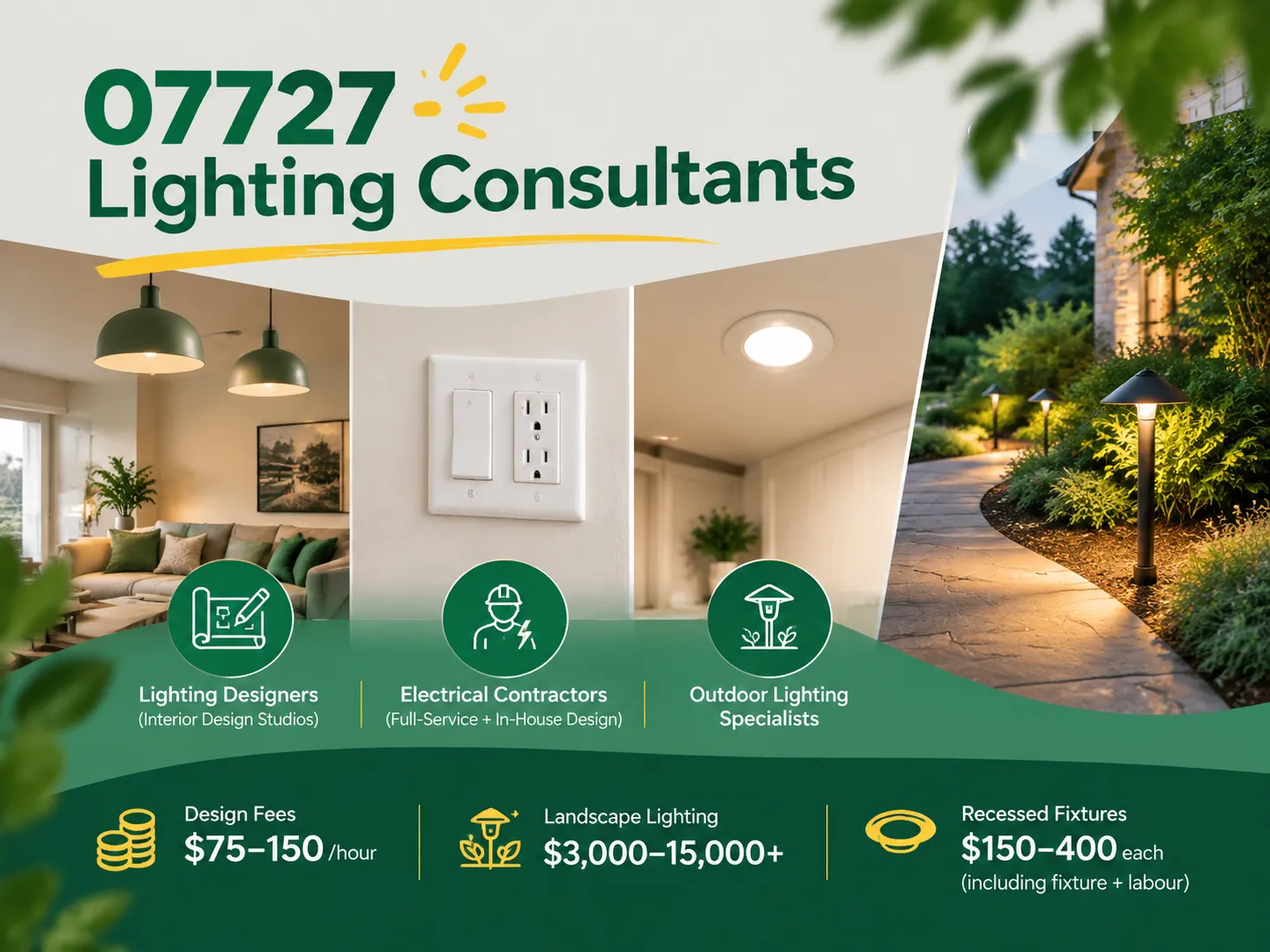
Farmingdale พร้อมกับบางส่วนของ Wall Township และ Tinton Falls รัฐนิวเจอร์ซีย์ มีรหัสไปรษณีย์เดียวกันคือ 07727 บ้านส่วนใหญ่ที่สร้างขึ้นตั้งแต่ทศวรรษ 1950 ถึง 1990 ยังคงมีอยู่ในปัจจุบัน เจ้าของบ้านส่วนใหญ่กำลังปรับปรุงบ้านของตนแทนที่จะสร้างบ้านใหม่ เจ้าของบ้านมักใช้จ่ายมากขึ้นใน […]

คำว่า “07984 lighting consultants” ทำให้ผู้คนมีความประทับใจว่าหมายเลขห้าหมายเลขนี้แสดงถึงรหัสไปรษณีย์ประเภทหนึ่งที่บ่งบอกถึงสถานที่ที่ที่ปรึกษาด้านการออกแบบแสงให้บริการ อย่างไรก็ตาม นี่ไม่ถูกต้อง: ไม่มีพื้นที่ไปรษณีย์ที่มีรหัส 07984 ซึ่งเป็นเพียงรหัสของการสื่อสารโทรคมนาคมมือถือในสหราชอาณาจักร นี่หมายความว่า […]
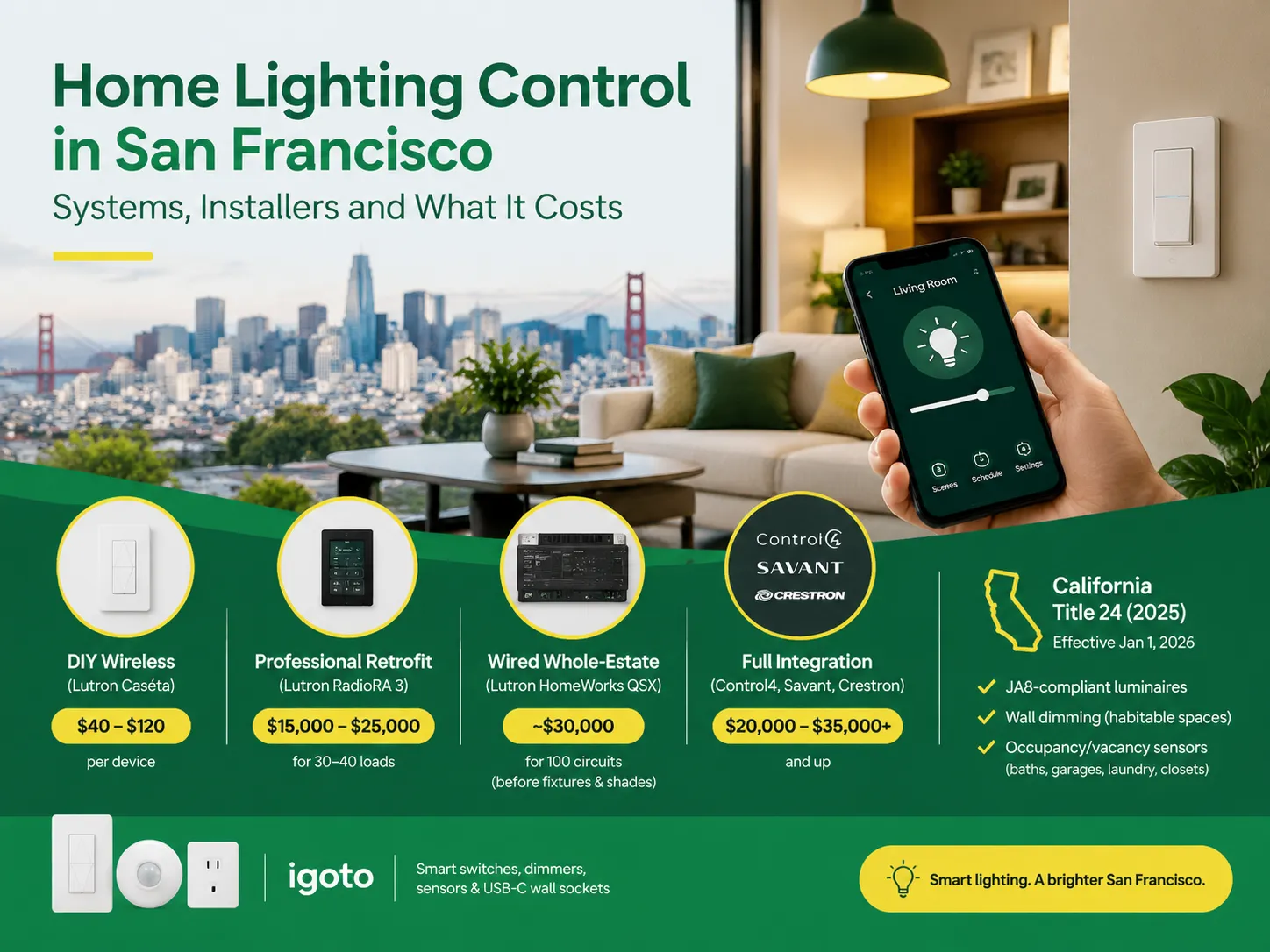
ซานฟรานซิสโกไม่ใช่ตลาดการควบคุมแสงที่เฉลี่ย สต็อกที่อยู่อาศัยเก่าและหนาแน่น และรหัสไฟฟ้าไม่อนุญาตให้มีการติดตั้งไฟฟ้ามากเท่าที่อนุญาตเกือบทุกที่ในสหรัฐอเมริกา บ้านส่วนใหญ่ที่ต้องการการควบคุมแสงที่ซับซ้อนเป็นอาคารสไตล์วิกตอเรียหรือเอ็ดเวิร์ดที่ไม่มีใครต้องการเริ่มเปิด […]

 No.6 Tuozhan Road, Leshang Pioneer Park, ท่าเรืออ่าว Yueqingwan, เมือง Yueqing, จังหวัดเจ้อเจียง


