

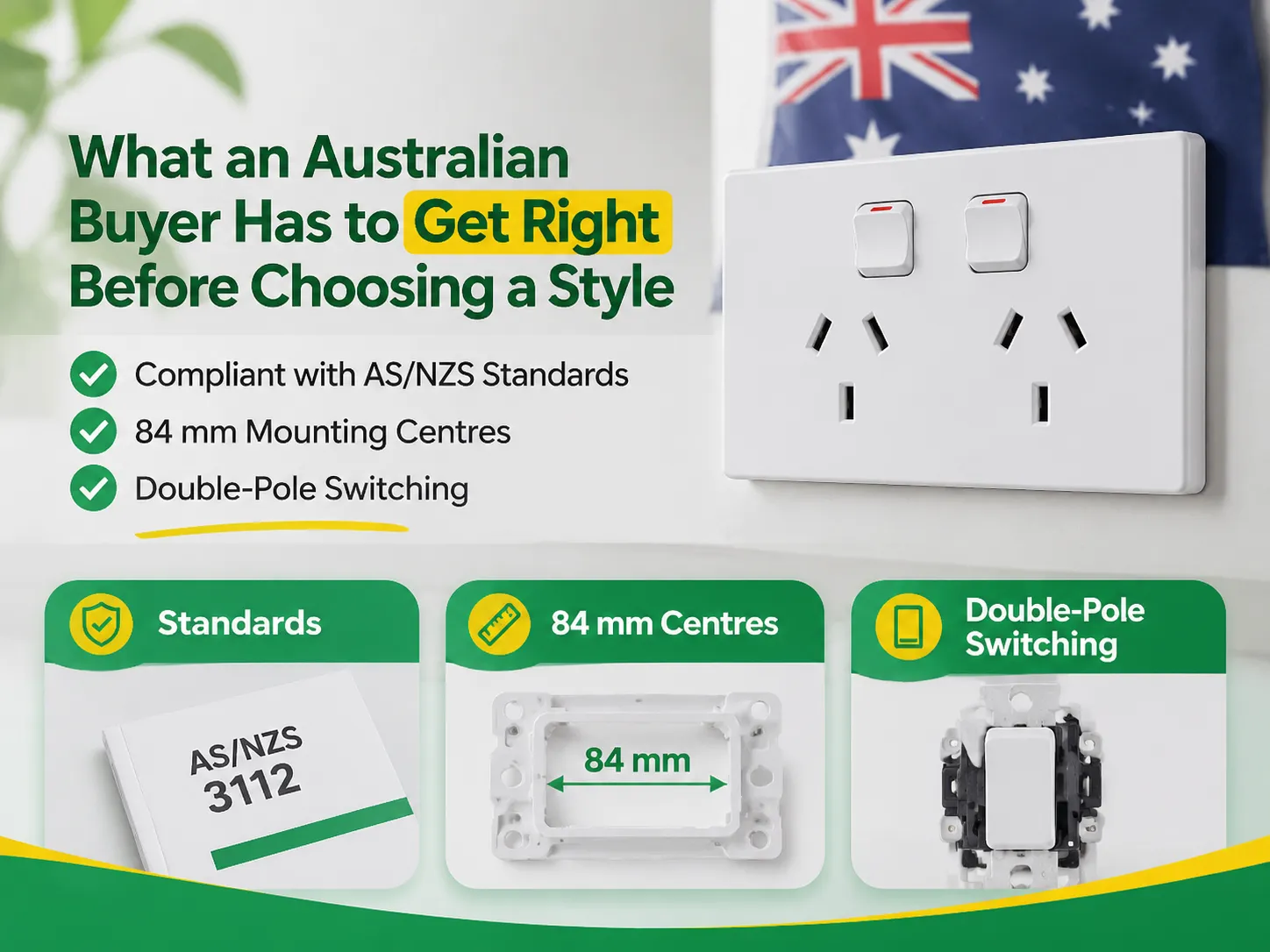
Although marketing switches and sockets in Australia, at first sight, sounds relatively easy, buyers from overseas would soon find out that the going may not always be smooth once they have to deal with imported plates, because they operate on 230V at 50 Hz, the distances between mounting screws are dissimilar (84 mm instead of 60.3 mm for the British standard), and the specifications for plugs are quite different as AS/NZS 3112. Besides, each of the manufacturers prefers different production methods.
The article gives you the framework whereby any buyer should be aware of the standards within which our products apply, together with seven companies against which the others must be compared; it asks whether a design must have all the plates and mechs available, points out today’s most popular designs, mentions prices as far as they affect compliance, and mentions compliance problems with which owners or builders and importers must deal.
In conclusion, the most appropriate method would be to pre-acquire an approved product in Australia, as compliance with the provisions on AS/NZS 3112 and AS/NZS 3100 is mandatory. In other words, both imported products from the UK and Europe are not appropriate for 84mm installations. The price of the plate and mechanism widely varies between AU$ 2 and AU$ 8 for basic models and AU$ 15 to AU$ 40 for relatively standard metal and glass plates. The cost of premium-quality products can exceed AU$ 40 and reach AU$ 120. Two major players in the industry producing plates are Clipsal and HPM. Legrand and Trader are instead in a group with one another. Meanwhile, IGOTO offers the same type of products but at a wholesale price.
When making decisions, there are three facts that need to be taken into account, and that have no room for negotiations.
There are two other considerations here. There are different manufacturers that produce plates of various sizes, so an Australian slimline plate may be 118 mm × 72 mm × 7 mm thick, while the twin outlets plate is 130 mm × 85 mm mm. Therefore, there are different types of brackets: some are grids that accommodate switches while others are completely assembled products. If you mix them in one house you will end up with a mix of plates that do not match in size or appearance.
Being a manufacturer rather than a local wholesaler, it is important to first point out what this means. We do not keep stocks in Sydney or Melbourne, and we are not able to sell a single item for repairs. We only sell ranges in bulk, either under our own brand name or under the name of our distributors, according to local Australian standards and the 84 mm fixing.
Our range includes all formats needed for modern projects in Australia: slimline plates, glass-faced switches, single and double switched sockets, USB chargers, and data and telephone modules. The finishes are in gloss white, matte black, and brushed metal to ensure that one family of products can be used in an entire building.
The route to market for most Australian buyers is through a distributor and not direct, which is what our Australian switches and sockets distributor programme is set up to support: stock held locally, range depth negotiated against expected sell-through, and certification documentation supplied with the first shipment, not on request.
Our competitiveness lies in project completion and not in the supply of an individual material. If a contractor has to put in fourteen sockets, he is better off consulting his local supplier and we will advise him to do so. There are different conversations to be had when a developer is looking to install four hundred sockets in three locations.
The Australian market is concentrated, and each brand has a position that is worth understanding before comparing price.
| Marca | Position | Donde gana |
|---|---|---|
| Clipsal (Schneider Electric) | The trade default | Range depth, local stock, electricians know the system |
| HPM (Legrand) | The second force in trade and retail | Retail presence, strong accessory range, competitive on volume |
| Legrand | Design-led international range | Architectural finishes, matching international projects |
| Trader | Value trade brand | Price per point on volume residential work |
| Elcop | Plate and surround specialist | Slim 7 mm plates that accept other brands’ mechs |
| Connected Switchgear | Smart and connected product | App control, retrofit modules, project integration |
| IGOTO | Factory direct | Whole-building consistency, custom finish, OEM programmes |
Discovering the secret of money saving is present in the Elcop line. The plate and frame that fit Clipsal and HPM components enable changing of the appearance, while the electrical system will remain unchanged, thus bringing the modern touch to an old wiring system. This is a completely different purchase from a replacement and is usually the right choice.The brand landscape is covered in more detail in this comparison of the leading wall socket brands in Australia, which is worth reading alongside this page because it focuses on the socket side and not the switch.
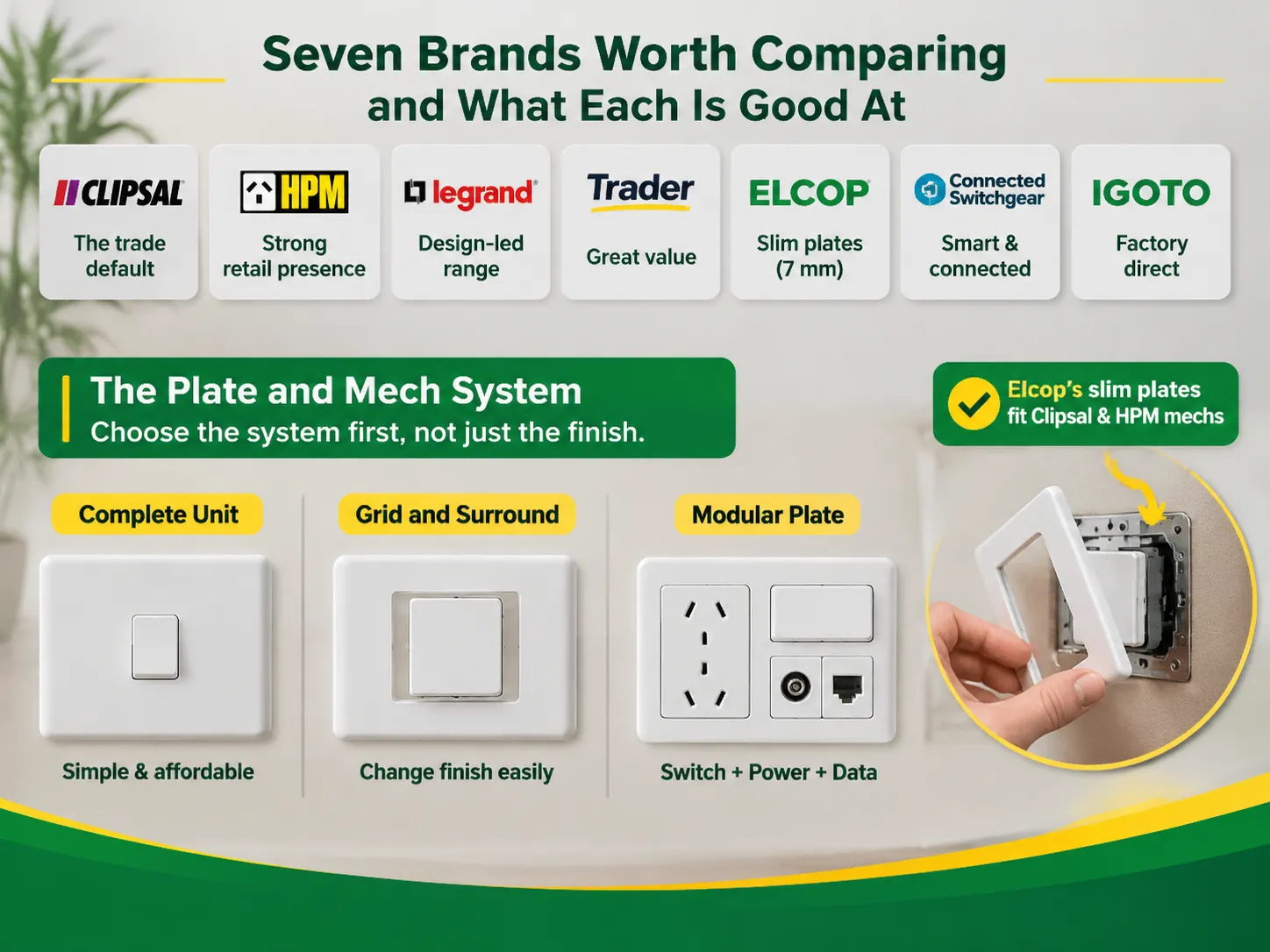
An Australian socket or switch consists of a surround, a plate and a mechanism. Which of the three types you choose determines the future options available.
That is why, in terms of specifications it is very important that the choice of the plate system precedes that of the finish. A series that involves some data socket lacks data plugs.
There were three significant changes that can be seen in all Australian homes that are newly built.
It is not the traits associated with modernity that give away the age of the build. It’s the existence of a plate with screws exposed, an outlet not matching a new switch, and a socket in another white hue from that of the switch. The last one is the most widespread and most easily eliminated, since whites from various manufacturers seldom match each other.
Four bands, from a trade counter in Western Sydney to an architectural specification.
| Band | Typical price per point | What you get |
|---|---|---|
| Value trade | $2 to $8 | Standard plate, complete unit, gloss white |
| Mainstream trade | $8 to $20 | Grid and surround, better tolerances, several colours |
| Slimline or metal | $15 to $40 | 7 mm plate, brushed or matte finish, matched family |
| Premium or smart | $40 to $120 plus | Glass, architectural metal, app control, modules |
In this instance, two pricing influences are more important than the band itself. The first is that buying a plate and surround separately costs more than a full-on installation but saves money the first time a mech needs to be replaced or finish needs to be changed. The second is that with mixed brands installation, the cost is always more than it seems because the cost of labour to match colours and re-drill brackets is never included.
For larger projects that merit a factory order, the per point price can drop under the trade band price, and the only price to be paid is lead time and minimum order quantity.
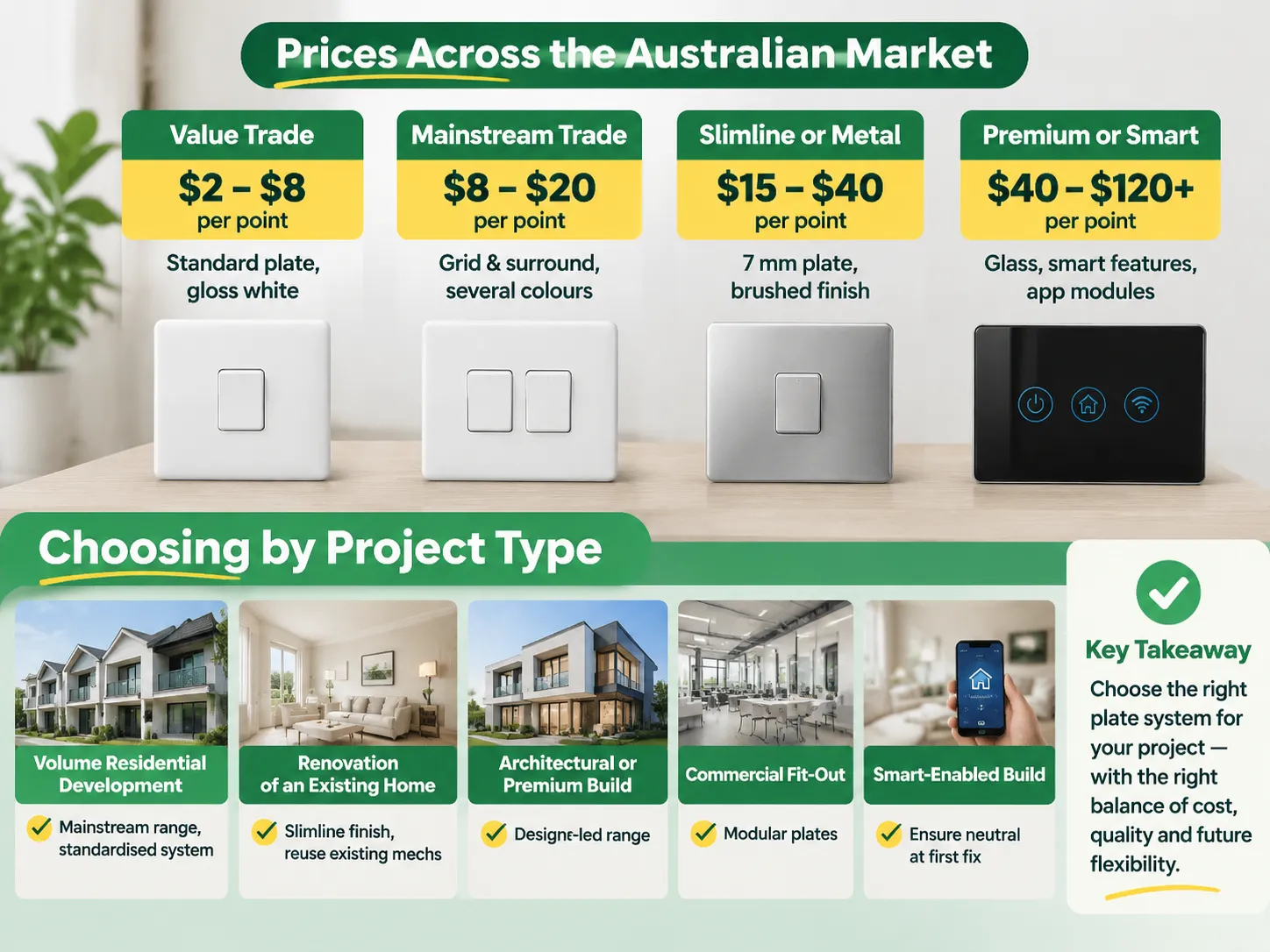
Five examples with their respective points of specifications.
As for any issue above, it’s necessary to answer the question whether the plate system is open or proprietary. In case of open systems their components can be sourced in 5 years, unlike proprietary systems whose risk is not so visible at the moment of purchase. Where a project is being supplied through a wholesale arrangement and not a trade counter, the range depth and continuity commitments belong in the wholesale supply arrangement, not in a conversation.
Five issues that may fail inspection or result in equipment failures.
In all five cases, the important thing to note is that the product and the installation are completely distinctive from each other. The second is confirmed by the licensed electrician, and no finish will make up for the previous installation.
It is not allowed to do so legally in Australia as well as there is no physical provision for the operation of such a device. The fixing center dimension is 84 mm whereas it is 60.3 mm in the UK and the specification of plug and socket are not the same. The imported product without meeting the standard of AS/NZS 3112 will fail.
Appliances with a voltage rating between 220 and 240 volts are compatible with the nominal voltage of 230 volts obtained from the electric supply operating at a frequency of 50 Hertz. However, 110 volts appliances require the use of a transformer to enable them to work.
The mech refers to the part that operates the switch or is used to plug something in, while the plate is the visible part of the main switch and the area surrounding it. Some manufacturers produce integrated versions, while others sell the components separately so that either the mechanism can be renewed or the style can be modified without any rewiring needed.
Yes, it often depends on the circuit and the installation guidelines. Double-pole switching cuts both active and neutral. A single-pole on the other hand does not. Verify with the relevant electrician or authority for the installation.
To begin, the first procedure in this process is procuring standard specifications, followed by the plate system, and finally, finishing. Additionally, it should be noted that being in compliance with AS/NZS 3112 and having 84 mm centers is more than a notion. It should be noted that the plate system can’t completely be removed from the stock, whether it looks good or not.
In general, the countertop is enough for just one room. When comparing the buildings, a clear advantage can be noted when it comes to the type of family being used in the walls, which occurs in factory application only and not in shelving.
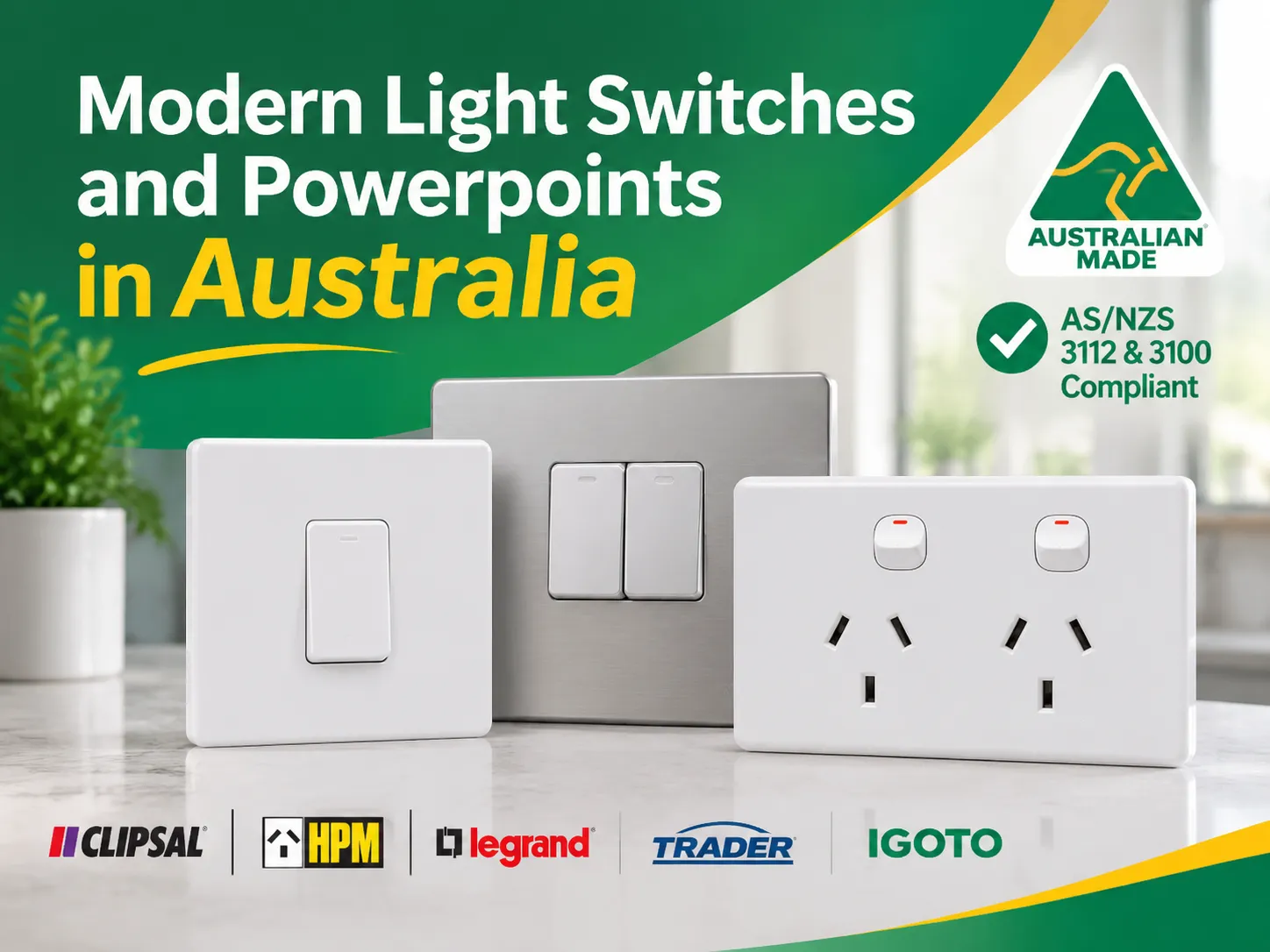
Although marketing switches and sockets in Australia, at first sight, sounds relatively easy, buyers from overseas would soon find out that the going may not always be smooth once they have to deal with imported plates, because they operate on 230V at 50 Hz, the distances between mounting screws are dissimilar (84 mm instead of […]
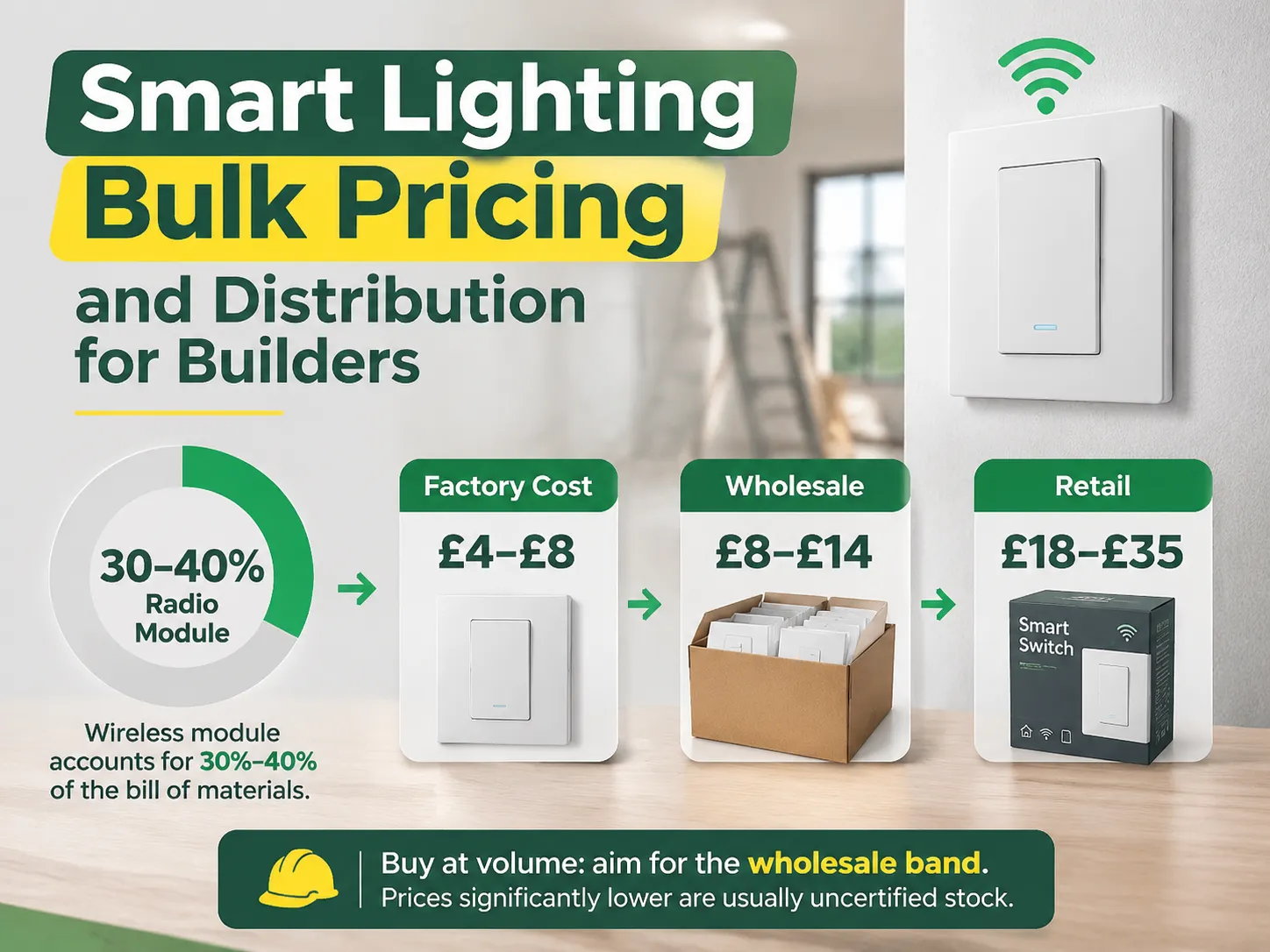
El mundo de la adquisición eléctrica ha sido transformado por la llegada de la iluminación inteligente. En el caso de cables o tuberías, la opción más barata es fácilmente identificable y libre de riesgos. Sin embargo, cuando se trata de enchufes inteligentes u otros dispositivos de iluminación conectados, el producto podría variar de x1 veces a x4 en costo de […]
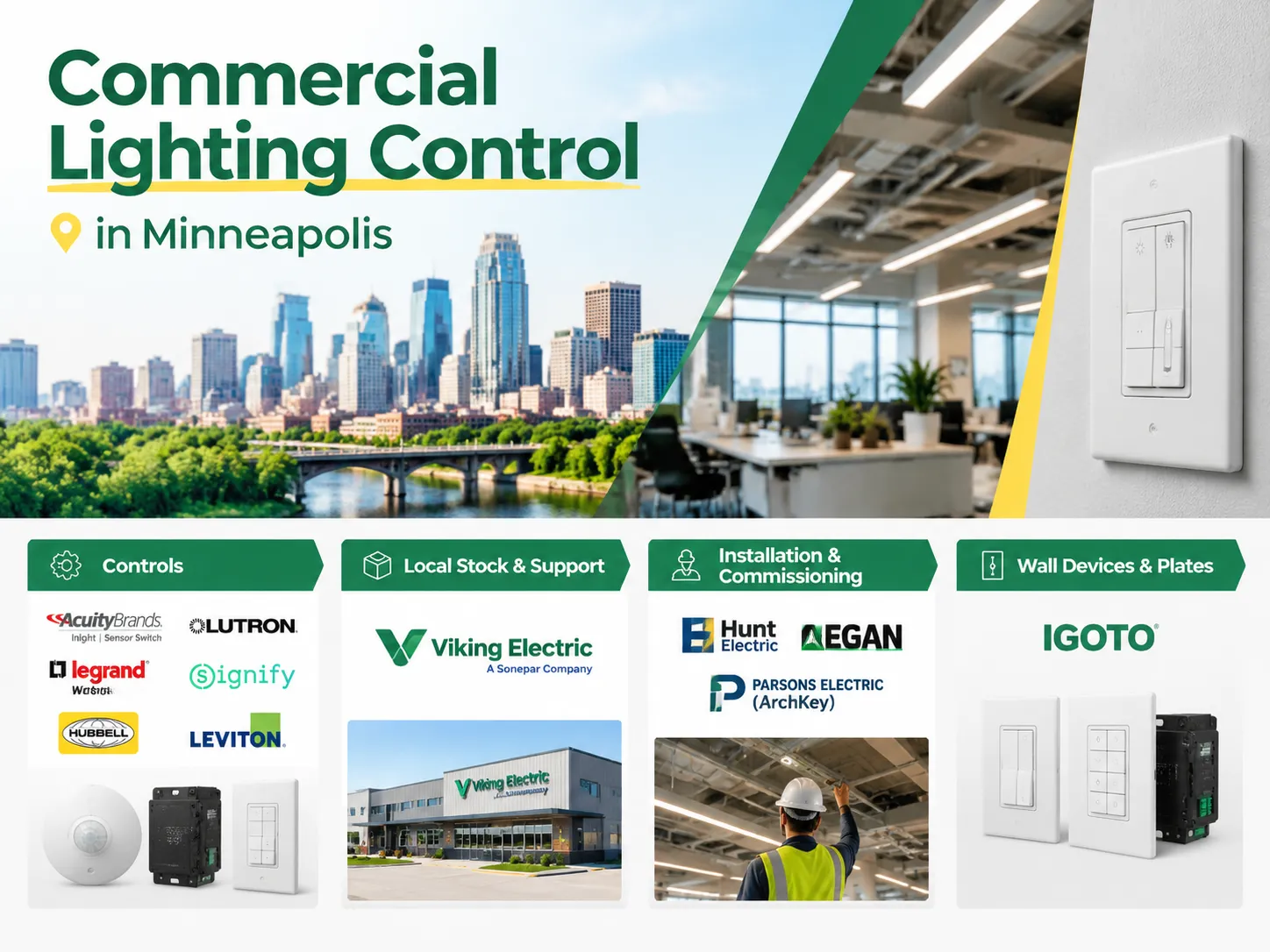
A partir del 1 de julio de 2023, la ciudad de Minneapolis, Minnesota ha implementado la política de control de interruptores corporativos debido a que la ley del NEC 2023 es efectiva en ese estado sin ninguna enmienda. Dado que la instalación de sensores de ocupación en la mayoría de las instalaciones comerciales ahora es obligatoria, la pregunta crítica no es si instalarlos, sino qué tipo […]

 No.6 Tuozhan Road, Leshang Pioneer Park, puerto de la bahía de Yueqingwan, ciudad de Yueqing, provincia de Zhejiang


