

A ground fault circuit interrupter is the only appliance in the house that it is failed in a visible manner. It disconnects at an unexpected time, does not initiate re-setting, or give up after years in the service leaving an illusively safe circuit. Most issues searched by the customers fall into four categories of buyer’s mistakes, wiring errors, normal behaviors confused with faults, and the actual failures of GFCI units. Identifying the category means the half of the solution.
Risposta rapida: basic problems linked to GFCI are an incompatibility of GFCI and the circuit used (15A vs 20A, indoor models vs weather-proof ones), mistaken wiring of the line and load connectors, influence of a shared neutral in multi-wire circuits, malfunction caused by wetness and various devices connected to GFCI and an actual failure of the device around every ten years of operation. A GFCI that cannot be reset, tested, or has a melted face must be disposed of instead of repaired. The cost of the GFCI ranges from $15-$30 for a socket GFCI to $35-$60 for a breaker GFCI, while the installation performed by an electrician will cost from $100 to $250.
The structure of the following paragraphs is chronological: issues which should be checked before buying are listed first, then problems in wiring, normal problems encountered while using the device, and finally, actual malfunction. The problem is always matched with the solution and the troubleshooting flow at the end of the writing is the one that an electrician can follow.
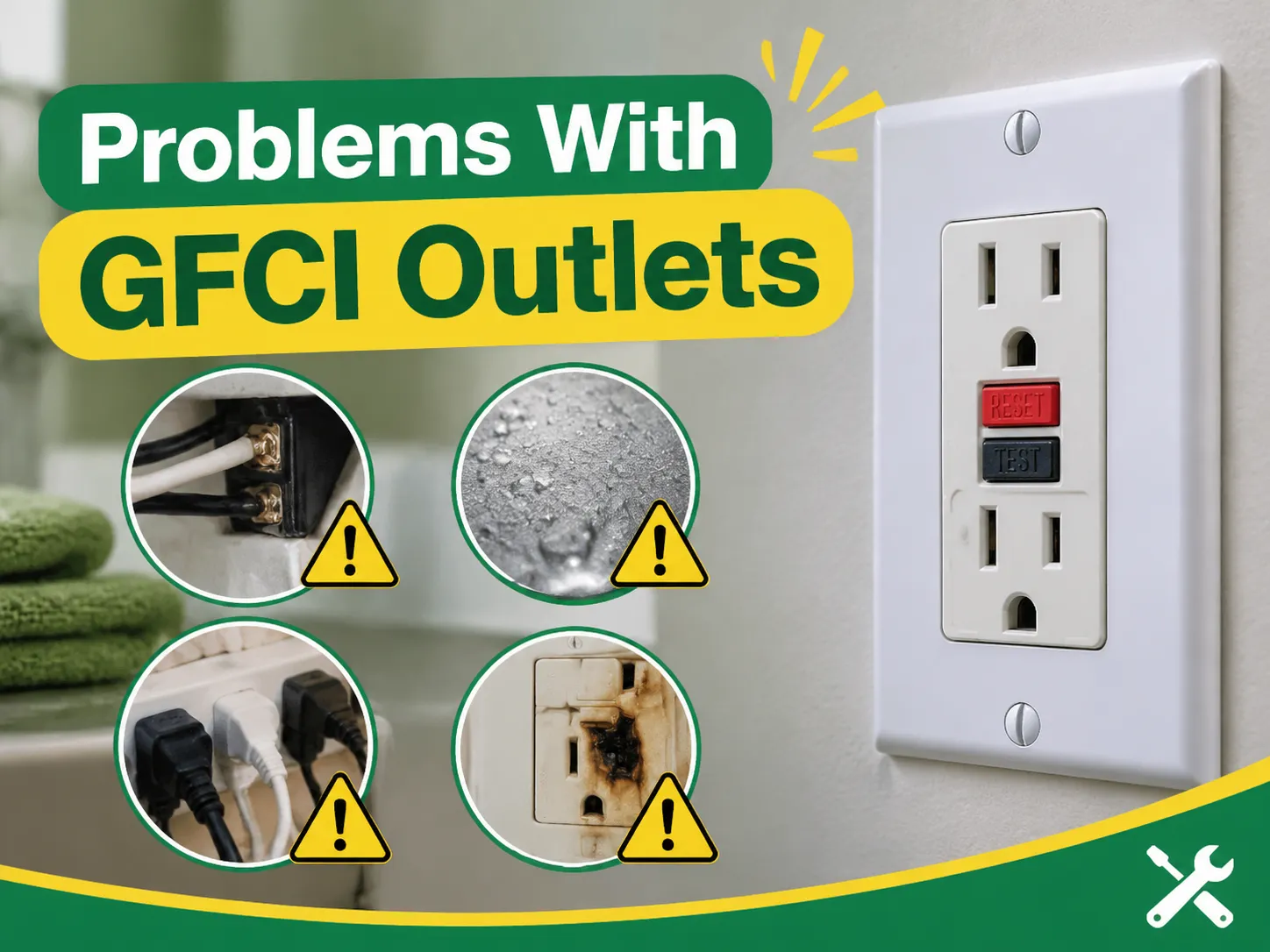
The GFCI alarm compares the currents in the hot and the neutral wires. If anything between 4 and 6 mA is detected, this indicates that the current has found a different path and the device will trip within just a few seconds. The device is safer for people as opposed to equipment and wires, thus it is used together with breakers rather than instead of them.
This very circuit is what explains the need for two completely oppositional modes of failure. On the one hand, it can fail in an open way, meaning that the GFCI is not passing the current and its outlets are not powered. This kind of failure is easy to detect. On the other hand, the GFCI can fail in a closed way, meaning that the power continues to flow while the sensor is not working. This mode of failure is much more serious because the socket looks perfectly fine and has even got a test button that is useless.
This is why UL 943 has been requiring self-testing since 2015. The self-testing device checks its own sensor every few seconds and signals if it fails. The older devices do not signal anything, which is the need for replacing the GFCI if it is older than 10 years.
A GFCI can have either a rating of 15A or of 20A, and this number must match the circuit and wires employed. In most situations, the use of a 15-amp device in a circuit rated for 20 amps would represent a breach of regulations and put the entire circuit in danger because it automatically becomes the weakest link in the 20A circuit. In terms of appearance a 20A GFCI has a T-shape neutral slot, and this slot allows the inspector to identify the device without unscrewing the protection plate in advance.
Using an indoor device outside. Indoor GFCI would not be weatherproof as it is not sealed in any way. Weather-resistant receptacles are subjected to specific tests according to the UL 498 supplementary provisions relating to salt spray and humidness. Therefore, their (WR) price is about 2-3 dollars more. When exposed to coastal conditions difference in their durability can amount to years.
Missing tamper-resistant mechanism. Since 2008 there has been a need for tamper-resistance in dwelling units. The inspector would consider any GFCI lacking this mechanism an outdated product or the one designed for the specific market.
Difference between receptacle and circuit breaker. In short, GFCI receptacle provides protection for itself and appliances connected after this device whereas GFCI circuit breaker protects the circuit as a whole and is the only option available due to the complexity of wiring or due to the absence of a receptacle in the necessary segment. The price of a breaker is more than two to three times more expensive and takes up panel space, therefore, the receptacle type is common in home electrical installations. The number of receptacles and switches available in such installations is based on the device types as this decision has to be made before the box choice.
| Dispositivo | What it protects | Prezzo tipico | When it is the right choice |
|---|---|---|---|
| GFCI receptacle, 15 A or 20 A | Protects itself plus anything that is connected to receiving end | $15 to $30 | Accessible wiring, one circuit, installation on existing circuit |
| GFCI breaker | Protects all outlets supplied by that circuit | $35 to $60 | There is no wall plug in the area of the accident, sealed walls |
| Combination AFCI and GFCI | Protects from series arcs and ground fault | $45 to $70 | Bedrooms, living space, outdated wiring |
| Portable or cord GFCI | Protects whatever plugged into it | $25 to $40 | Temporary supply, outdoor tools, construction or connection of portable devices |
Reversed line and load. This is the commonest mistake that happens during installation. The terminals marked LINE receive power from the electric box. The terminals marked LOAD serve for supplying electricity for devices in the network. If you connect them incorrectly, the receptacle will operate but downstream devices will not be protected, which makes the problem hard to detect.
Troubles regarding using the common neutral in a multi-wire circuit. The method of using two currents in one neutral is very common in old kitchens and laundry rooms and it will activate the GFCI circuit. The GFCI sees current flowing back via an unmonitored neutral and reads it as a ground fault, tripping. The solution is either a double-pole GFCI breaker or the use of independent circuits, and either way, resetting does not help.
There is an assumption that devices downstream are protected when in fact they are not. A ground fault circuit interrupter protects only the load side of the circuit, and in cases where the protected circuit is the last device on the run, the upstream devices are unprotected. This is particularly evident in the example of a bathroom GFCI that functions properly while the outlet next to the washbasin is unprotected.
Box sizing and wire fill are critical aspects of GFCI installation. GFCI outlets have a larger depth compared to regular ones. When installed in a shallow box, it may either not fit properly or cause wires to be squeezed along the side. This is a very dangerous situation, considering that a wire being pinched against a metal box is a cause for a short circuit.
A particular connector and procedure must be used for aluminum wires. Failing to do so will lead to overheating of the terminal of a GFCI outlet. In this type of situation, the wise course of action would be to stop working and call a specialist.
What determines the success of each of these cases is the same thing that guarantees safety of the regular outlet: the proper terminal and wiring tightness. The question whether 12/3 wire can be used for a 20 A receptacle is similar from the conductor side and it shows that the first thing one should check when a GFCI fails to function is a shared neutral.
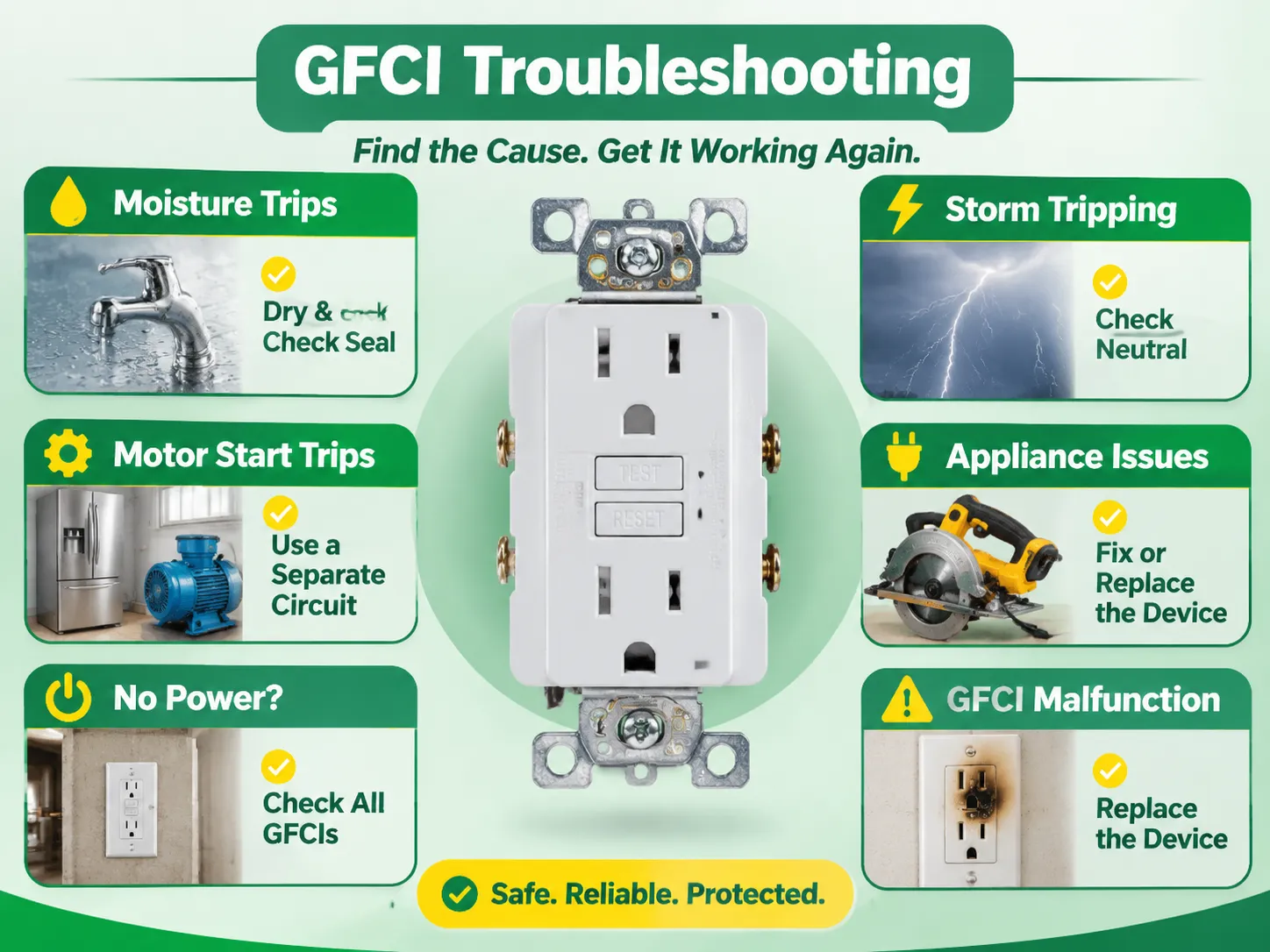
Unwanted tripping due to humidity. A GFCI in a bathroom or outdoors operates as it should when moisture connects live and neutral inside the device. The help is drying the device, checking the gasket that is a part of the weatherproof cover, and getting a new cover which is not sealing due to a malfunctioning hinge. Frequent tripping after rain indicates the cover, not the GFCI.
Starting motors causes tripping. Devices such as fridges, pumps, air compressors, and electric tools produce leakage current because of their suppressors that can be enough for the device to trip. There are ways to cope with it: using a separate circuit, using a type of device where code permits setting a higher limit before tripping, and in case of a triggered GFCI using a breaker that senses more current.
Storm tripping happens without a reason. A strike of lightning leads to an increase of voltage in the neutral making it look like a problem. The device trips and the owner resets it but nothing is broken. If there is constant tripping under the same weather conditions, it is worth investigation because this can denote that there is a loose neutral in the service which has nothing to do with the GFCI.
The failure occurs when a certain appliance is plugged in. If there is a problem with an appliance due to a faulty cord, wet motor, or defective heating system, then a GFCI has been created to protect the appliance’s electrical current from movement towards the ground and affecting any person nearby. One must either repair or replace the actual appliance and not the circuit.
No power available at systems after trip. When a GFCI trips, it disrupts the power supply almost entirely. The common service inquiry is done by the clients who inquire why their outlet in the bathroom has stopped working while the reason behind is that it was the GFCI in the garage that tripped. To solve this issue, one needs to clear all worries about replacing something. Check all the GFCIs connected to the circuit including the one located in the garage since it probably is the cause of the trip.
Cannot reset. The GFCI can either detect malfunction happening along the circuit, or it has broken down in itself. Disconnect the wires connected to the outlet and try again. If it works when being disconnected, then the problem is somewhere along the circuit.
No response to the test button press. GFCI is broken closed. Check the device and replace it the same day.
Power is absent at the outlet. If the device is not short-circuited, then it means that either wiring was incorrectly applied or the internal connectors have worn out.
Burnt surfaces, heat presence, or a hot plate describes a situation with an electrical device working over its limits due to a loose connection. The circuit must be stopped, and all equipment that shows heat damage must be changed. A GFCI is not able to repair itself; the only way to fix the problem is to change a burnt device or any connections connected to it.
Tripping occurs immediately after a device was plugged in. A brand new device that does not work properly indicates that something has gone wrong with the wiring rather than with the device: the load and line were connected incorrectly, neutral is directed into the wrong terminal, or neutral is touching ground inside the junction box. The connections should be checked again instead of giving the device back as faulty.
| Cosa osservi | Probable explanation | Recommended action |
|---|---|---|
| Tripping within seconds of being reset | Actual ground fault downstream | Disconnect load side, test appliances and conductors |
| Tripping occurs only during rain or wet conditions | Moisture in the device or defective cover gasket | Dry device and change the weatherproof cover |
| Does not reset when nothing is attached | Fault in the device | Change the GFCI |
| Test button does not activate the device from the trip position | Defective closed status, still power supply present | Change the device immediately and consider the circuit unprotected |
| Dead outlets but reset button is on | Line and load connections reversed or contacts worn out | Ensure correct wiring connections according to markings before replacing |
| Tripping only on one appliance | Leakage of appliance to ground | Repair the appliance and not the GFCI |
| Hot device, discolored face and burnt smell | Loose terminal or prolonged overload | Isolate the circuit before changing the device and any damaged conductor |
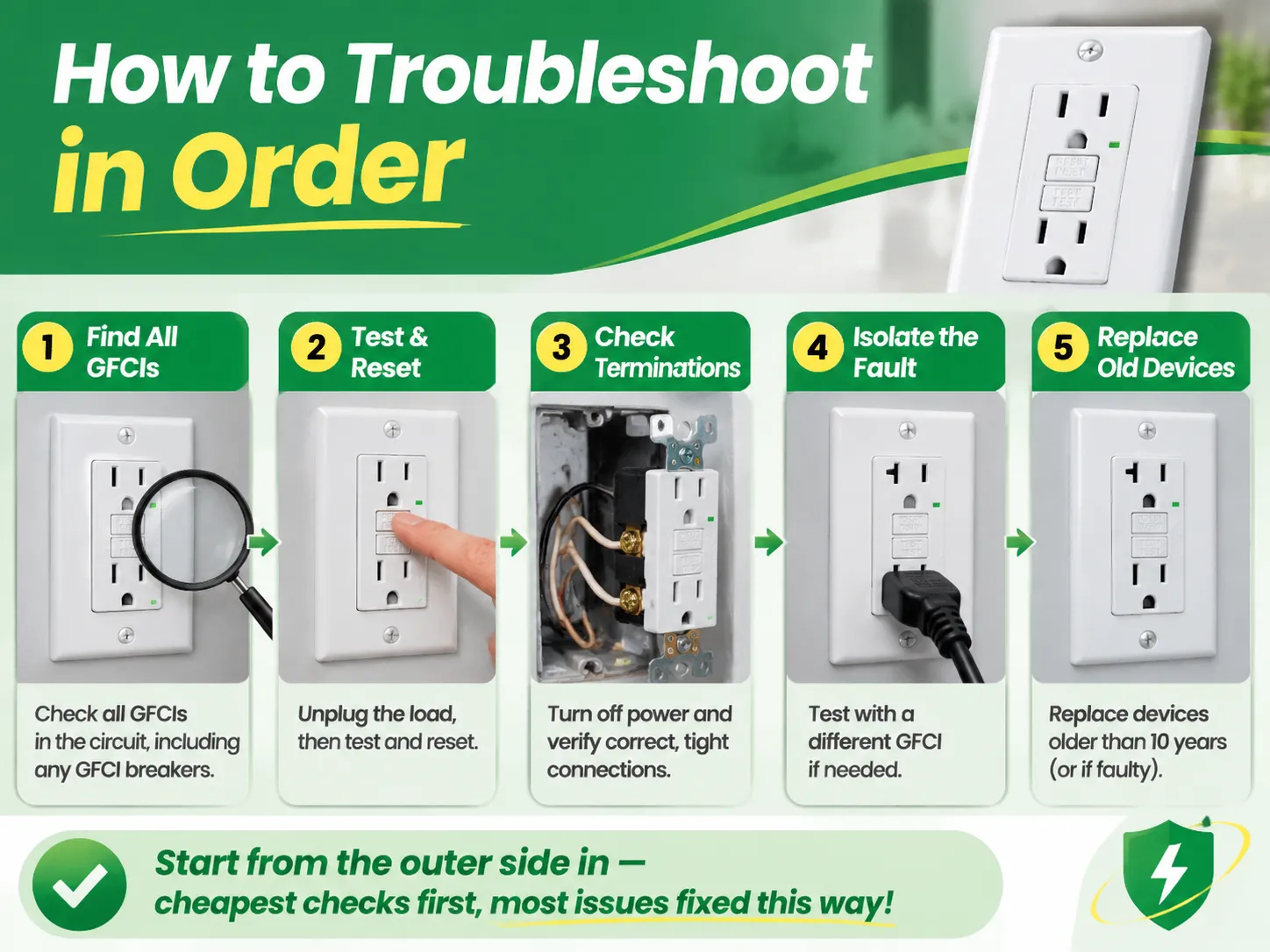
Start from the outer side in, because the cheapest checks are done first while the majority of complaints are resolved this way.
Step 1: identify all GFCIs in the circuit. It is more probable that the electricity breakdown occurs in the due to the tripped device and not the defective one at the outlet. Also, check for any GFCI breaker.
Step 2: test and reset after unplugging. If the GFCI is operational with load disconnected, it means that the device is good and the fault is on the downstream side. This single test is enough to differentiate the problem with the device and the problem with installation.
Step three: check the terminations. First, switch off the power supply and remove the cover, and check if the wires are connected under the wrong terminals or if backstab connections are carried out, or if anything is connected to the same neutral wire as other circuits. Then make sure that the connections are tightly secured according to the specifications set on the device.
Step four: manage isolation of the malfunctioning device. If the fault is detected only when one device is connected, it’s the causative device and you should test it with a different GFCI outlet before you make a decision.
Step five: replace old or failed devices. The age of devices plays the main role, rather than the appearance. Any device older than ten years, which does not have a self-test feature, should be changed just because of this principle, as it was also previously mentioned.
Though GFCI devices are too simple to be repaired because they are being sealed and their circuitry is not adjustable or doesn’t have user-replaceable parts. All the problems above can be solved by correcting the wiring, eliminating the device, or changing it altogether, but in this case, the prices will be different.
As for the costs, they are as follows. A GFCI costs from $15 to $30, while a GFCI breaker will cost from $35 to $60. An electrician might need to charge between one hundred dollars to two hundred and fifty dollars for installation of a receptacle type and between one hundred and fifty dollars to three hundred and fifty dollars for the breaker, with the higher sums considering the diagnosis of a circuit with failure to work properly.
One must be aware of the fact that sometimes; it is Age that matters more than the results of tests. In older devices, the circuit begins drifting and a GFCI that is working at twelve years does not necessarily ensure safety when it comes to tripping. The price of changing a device after a period of ten years becomes less than the charge of the electrician in cases when the device is used for meddlesome circuit.
There is one important code point one has to know before the purchase. GFCI protection requirement has covered a wide range of markets and now refers to many spaces starting from the kitchens and bathrooms to garages, laundries, basements, and so on. It is difficult to say the exact quantity of the devices that should be used today as the houses built before the new codes and regulations came to life will need more fitting appliances than were used at the first time.
So far, we manufacture a large variety of switches and sockets for different markets including Nort America, we deal with distributors and builders and contractors in the process of commercialization of the brand product. GFCI devices are the specification items and offer testers with the need of carrying out many tests before the device is delivered to clients making the relevant payment for the product.
A project buyer must inquire about three essential questions regarding the supplier: the device family UL file number, the self-testing ability that tells about the failure, and the terminal torque specification with the conductor diameter. These questions bring about the difference between the devices that can still protect the circuit after ten years and the ones that will require replacement after three years.
In a project that provides the complete scope, the switches and sockets in the USA that are sold wholesale have different receptacle varieties complemented with GFCI. Ordering the two types lets one avoid a situation in which the device arrives without the plate that suits the box.
Yes, and it is something that is expected. The device is based on a sensing circuit that includes components that drift, and most manufacturers define the service life as being about ten years. Lightning, humidity, and several tripping decrease this time period. The failure that is important is when the device keeps on giving power but does not trip, which is why the button on the device must be pressed every month and also why the device older than ten years must be replaced regardless of its performance.
About ten years during normal residential use, and five to seven in a bathroom, kitchen, or outside location with humidity and temperature changes. The estimate is based on the life expectancy set by the manufacturer and is not based on any code. There is no requirement to replace a device when it is lost. All that is required is to replace the device in case of failing the test button, failing to reset with the load disconnected, or showing any form of discoloration.
There are four main causes behind the recurring failures: moisture that has entered the appliance via a damaged weather-resistant cover; the common neutral in the multi-wire circuit operating the appliance every time it is reset; a fault down the stream in an appliance (including the wires); and overheating resulting from the loose terminal. Replacing the appliance without eliminating the cause will lead to the same failure in a few months. Disconnect the load side and check everything before buying a new product.
There are 5 signs in the ranked order: it is tripped for no reason and successfully resets; the reset button feels soft or just fails to click; the test button does not produce a trip at all; there are discoloration and heating signs; it is over ten years old. The test button is the only one that proves the work of the sensing circuit, so any device that does not trip when the test button is pressed is already faulty, though it may still provide electricity over the outlet.
In conclusion, it should be noted that most of the complaints related to the GFCI appliances do not refer to their failures. They stand for 15 A device operating in a 20 A circuit, common neutral in a multi-wire circuit, interchanged line and load terminals or a weatherproof cover that has not enabled complete protection. Distributing the complaints over purchasing, wiring, operation and failures can solve the problem even before making any purchases.
Two common things that must be done regardless of the situation are the monthly test and the ten-year replacement. A GFCI that has failed the test button can no longer provide any protection for the circuit, while the condition of the outlet does not change the situation.
A ground fault circuit interrupter is the only appliance in the house that it is failed in a visible manner. It disconnects at an unexpected time, does not initiate re-setting, or give up after years in the service leaving an illusively safe circuit. Most issues searched by the customers fall into four categories of buyer’s […]
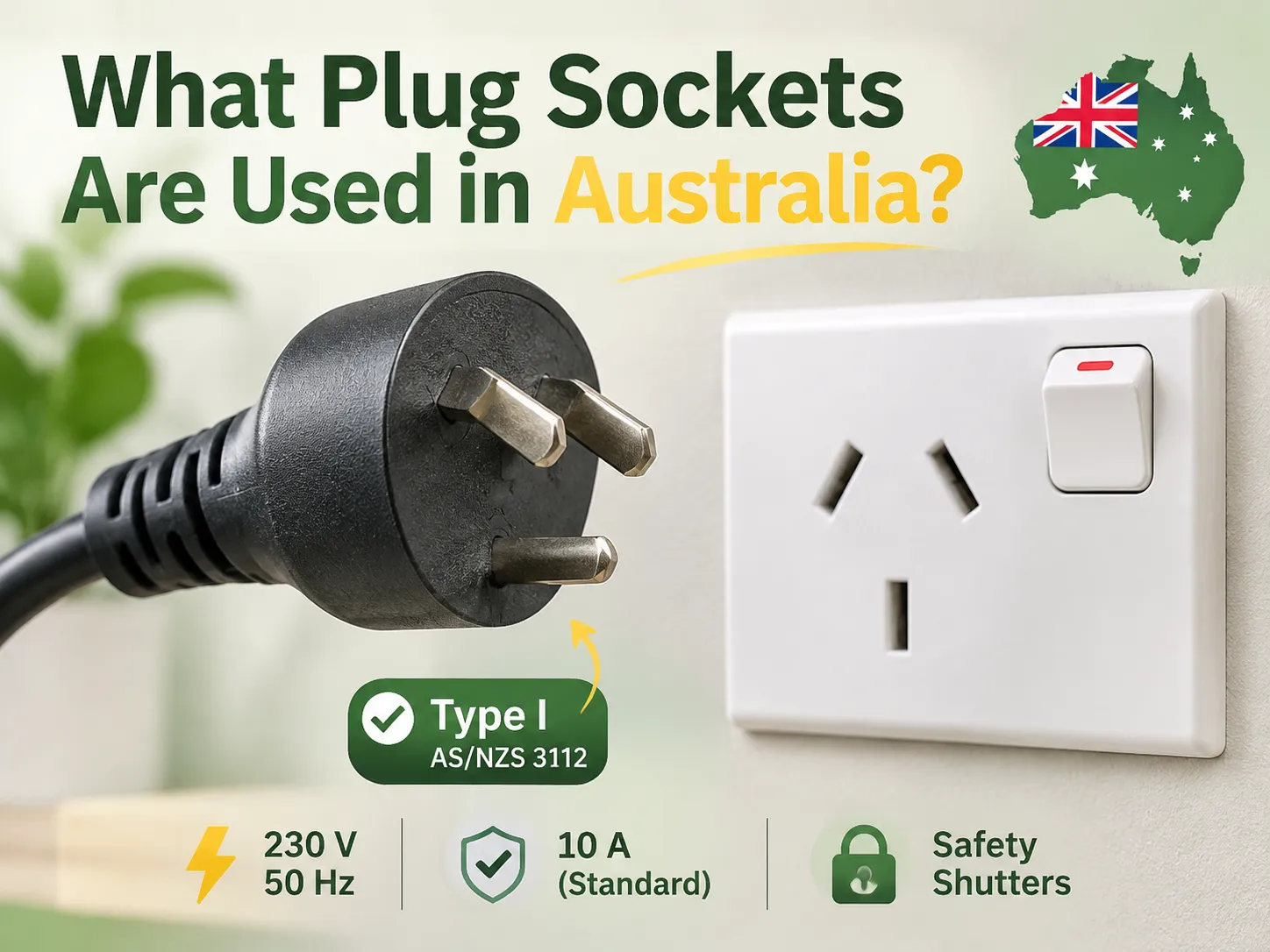
The unique Australian plug designs are not derived from American and European designs as well. Even if the design looks simple it cannot be used in any plug according to international standards. Even when considering the use of Chinese plug with the same idea as the Australian plug, this device is illegal in Australia as […]

When searching for “07498 lighting consultants”, one usually starts with a specific address, that provides approximate routes. In this case, “07498 indicating a location” means that it is a place close to New York border, while the user needs to get the name of some nearby company or agency in order to compare prices. The […]

 No.6 Tuozhan Road, Leshang Pioneer Park, porto della baia di Yueqingwan, città di Yueqing, provincia di Zhejiang


