


Types of Light Switches: A Complete Guide to Different Kinds of Switches
Not all light switches are the same. From basic on/off light switches to dimmer and sensor-controlled panels, the right choice depends on your wiring setup, load requirements, and regional standards. This guide covers every type of light switch — so you can source the right product with confidence.
Types of Light Switches by Function
Understanding how a switch operates is the first step to choosing the right one. Here are the most common types used in residential, commercial, and hospitality projects worldwide.

Standard Rocker Switch (On/Off Light Switch)
The most common type of wall switch used in residential and commercial applications. Designed for simple on/off control, this is the standard light switch found in homes worldwide. Typically available in 1-way and 2-way configurations, such as 10A 250V EU standard wall switches.
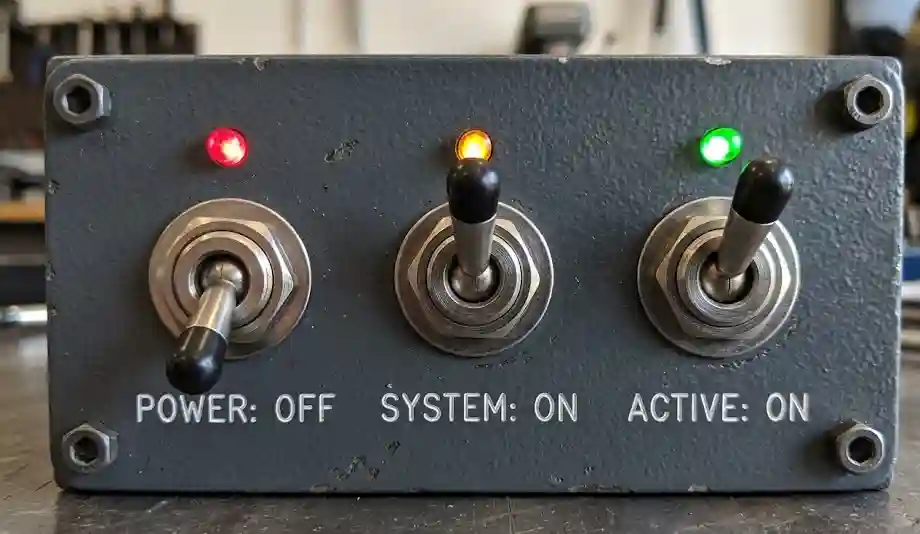
Toggle Switch
The classic lever-style switch common in North American and Middle Eastern markets. Durable, easy to operate, and available in single-pole and double-pole configurations. Widely used in residential and light commercial applications.

Push Button Switch
A spring-loaded switch that activates on press, releasing automatically or latching depending on the design. Common in European-standard installations and hotel applications. Available in momentary and latching variants.

Dimmer Switch
Allows users to adjust light intensity from full brightness to low ambience. Available in rotary, slider, and touch-panel styles. Compatible with LED, CFL, and incandescent loads. Ideal for living rooms, restaurants, and hospitality settings.

Key Card Switch
Commonly installed in hotel rooms, cuts power when the guest removes their card. Reduces energy waste and integrates with hotel management systems. Available in standard and slim-panel designs.

Timer Switch
Automatically turns a circuit on or off at preset times. Used in outdoor lighting, hallways, staircases, and energy management systems. Available in mechanical and digital timer variants.
Types of Light Switches by Pole Configuration
Pole configuration defines how many conductors a switch interrupts simultaneously. Selecting the correct pole type is essential for safety, load capacity, and compliance with local electrical codes.
1-Pole Switch
Interrupts only the live conductor. Suitable for standard lighting circuits up to the rated current. The standard choice for most residential lighting circuits.
2-Pole Switch
Simultaneously disconnects both live and neutral conductors. Required for high-power appliances and mandated by electrical regulations in many markets including Australia and parts of Europe.
3-Pole Switch
Controls all three live conductors simultaneously. Used in three-phase electrical systems. Common in commercial, industrial, and large-scale residential projects.
4-Pole Switch
Controls three live conductors plus the neutral line. Used in three-phase + neutral systems for complete circuit isolation. Standard in industrial and high-specification commercial buildings.
Types of Light Switches by Circuit Control
The number of switch positions in a circuit determines which switch type you need. This is especially important for staircases, hallways, and open-plan spaces where a light must be controlled from multiple points.

1-Way Switch
The simplest circuit: one switch controls one light. Suitable for rooms with a single entry point. The most widely installed switch type in residential buildings.

2-Way Switch
Allows a single light to be controlled from two separate locations — such as the top and bottom of a staircase. Requires two 2-way switches wired together via the L1, L2, and COM terminals.

Intermediate Switch
Used when three or more switch positions control a single circuit. Installed between two 2-way switches. Common in long corridors, large open-plan rooms, and multi-floor installations.

Multi-Gang Switch
Combines 2, 3, or 4 individual switch rockers on a single faceplate. Saves wall space and provides a clean appearance. Available in 1-way, 2-way, and mixed configurations.
Light Switch Standards by Market
Electrical standards vary by country and region. Using switches that meet local certification requirements is essential for safety compliance and market entry. IGOTO manufactures and certifies wall switches across all major global markets.
Australia / NZ
AS/NZS 3112 standard. Flat 3-pin layout for power points and wall switches, tested to stringent fire and safety requirements. SAA certification is the primary compliance requirement.
View Products →Europe
IEC standards with flush-mount, slim-panel light switch designs. Compliance across EU member states and internationally recognised CB scheme markets.
View Products →Southeast Asia
High-humidity tropical environments. Thailand, Indonesia, Vietnam, and the Philippines. Enhanced moisture resistance ratings.
View Products →Latin America
Brazil (INMETRO) and Mexico (NOM) certified. Full regional coverage for importers and distributors across Latin America.
View Products →How to Choose the Right Type of Light Switch
Choosing the wrong switch leads to failed inspections, safety risks, and costly replacements. Use these three criteria to make the right decision before placing an order.

Identify Your Wiring Setup
If one switch controls one light, you need a 1-way switch. If two positions control one light (e.g. top and bottom of stairs), you need 2-way switches. For three or more positions, add an intermediate switch between the two 2-way switches.
Check Your Load and Pole Requirement
For standard household lighting, a 1-pole switch is sufficient. For high-power equipment or where full isolation is required by local code, use a 2-pole switch. Three-phase commercial installations require 3-pole or 4-pole configurations.
Match Your Target Market Standard
Always source switches certified to the standard of your destination market. Using switches that do not meet local certification requirements may result in compliance issues during inspections. Refer to the market standards section above to identify the correct certification for your region.
Why Electrical Importers Choose IGOTO
Manufacturing Experience
Founded in 1999 in Yueqing, Zhejiang. With 250+ staff and 37 advanced injection moulding machines, we deliver consistent quality at scale.
Certifications
SAA, CE, CB, INMETRO, and NOM — covering Australia, Europe, Southeast Asia, and Latin America. One supplier, all markets.
Product Warranty
Every switch is manufactured with high-grade, fire-resistant acrylic and undergoes automated quality testing. We back every product with a 15-year warranty.
Full ODM Capability
Custom logo, panel colour, and bespoke packaging design. Complete OEM and ODM services with a minimum order of 1,000 units. Build your own brand on a certified platform.

Our Wall Switch Products

AU Switch & Outlet
Australian standard wall switch and socket. SAA certified, fire-resistant acrylic, 15-year warranty. Available in 1-gang to 4-gang configurations.

Latin America Switch & Socket
INMETRO (Brazil) and NOM (Mexico) certified. Suitable for importers and distributors across the Latin American region.

European Switch & Socket
Slim flush-mount design with CE and CB certification. Compliant with EU electrical standards and internationally recognised CB scheme requirements.

Vietnam Switch & Socket
Purpose-designed for Southeast Asian market conditions. High-humidity rated for reliable performance in tropical climates.

OEM / ODM Custom Switch
Custom logo, panel colour, and packaging on any certified switch platform. Any standard, any market.
Frequently Asked Questions About Light Switch Types
The four most common types of light switches are rocker (paddle) switches, toggle switches, push button switches, and dimmer switches. Each operates differently and suits different installation contexts, aesthetic preferences, and regional standards. For a full breakdown, see the function types section above.
On a 2-way switch, COM is the common terminal connected to the permanent live feed. L1 and L2 are the two switching outputs that connect to the corresponding terminals on the second switch. When the switch is in one position, current flows through L1; in the other position, it flows through L2. This configuration allows a single light to be controlled from two separate locations.
A 1-pole switch interrupts only the live conductor, which is sufficient for standard household lighting circuits. A 2-pole switch simultaneously disconnects both live and neutral conductors, providing full isolation — required for high-power appliances and mandated by electrical codes in several markets including Australia and parts of Europe.
Start by identifying your wiring configuration (1-way, 2-way, or multi-point), then check your load and pole requirements, and finally confirm the certification standard required for your destination market. The how-to-choose section above walks through each step in detail.
Australia and New Zealand use the AS/NZS 3112 standard. SAA certification is the primary compliance requirement for the Australian market. IGOTO's FS Series is purpose-built and SAA certified for the AU/NZ market.
Yes. IGOTO offers full OEM and ODM services including custom logo, panel colour, switch configuration, and packaging design. Our OEM switches are available across all certified standards — SAA, CE, CB, INMETRO, NOM and more — with a minimum order of 1,000 units. Contact us to discuss your requirements.
Ready to Source the Right Switch?
With 25 years of manufacturing experience and certifications across every major market, IGOTO is your reliable partner for wall switches and sockets — from single samples to large-scale orders.

We have ISO, SAA, BPS, CE, CB, REACH, ROHS.
Absolutely. Wiring diagrams, installation guides, and manuals are available in multiple languages.
Yes. We are experienced in marketing assets, technical support, and even product displays to help you sell.
Standard orders ship within 21–30 days, depending on volume.
We offer a 15-year quality warranty on all our switches.
Yes! We offer full OEM/ODM support — your logo, your packaging, your brand.


