

Przybycie do Nowego Jorku, Toronto lub Meksyku z torbą pełną ładowarek z Europy, Anglii lub Australii stawia podróżnika przed wyzwaniem, ponieważ gniazdka elektryczne w pokoju hotelowym będą zupełnie inne niż te w ich kraju, a dostarczany prąd będzie mniejszy niż mógłby obsłużyć sprzęt. Gniazdka w stylu północnoamerykańskim są identyczne na całym kontynencie, od Kanady po Panamę, co czyni je większą bazą użytkowników, ale jednocześnie mylącą dla podróżnych.
Przewodnik zawiera wiele przydatnych szczegółów na temat gniazdek i wtyczek w Ameryce Północnej, w tym dwa typy wtyczek (A i B), ich standardy zdefiniowane przez NEMA, napięcie i częstotliwość (120V i 60 Hz), konstrukcję gniazdek, kraje posiadające podobne systemy oraz potrzebę podróżnych, aby dowiedzieć się, czy będą potrzebować adaptera, konwertera, czy niczego.
W Ameryce Północnej używane są wtyczki i gniazdka typu A i B, które są zgodne z tym samym standardem NEMA w USA, Meksyku i Kanadzie, a także w większości Ameryki Środkowej i Karaibów. Typ A składa się z dwóch płaskich równoległych bolców, podczas gdy typ B ma te same dwa płaskie bolce z okrągłym bolcem uziemiającym znajdującym się poniżej tych dwóch bolców. USA, Kanada, Meksyk, Japonia i duża część Ameryki Łacińskiej mogą używać swoich wtyczek bezpośrednio w gniazdkach. Odwiedzający z Wielkiej Brytanii (typ G), Europy (C/E/F), Australii (typ I), Chin i większości krajów azjatyckich muszą używać adaptera do zmiany kształtu swoich wtyczek.
Typ A (zwany również NEMA 1-15) to konwencjonalna dwubolcowa wtyczka północnoamerykańska (lub z płaskimi bolcami), która ma dwa płaskie bolce o grubości około 1,5 mm i długości około 15,9-18,3 mm. Odległość między dwoma bolcami wynosi około 12,7 mm. Wtyczka typu A jest nieuziemiona, nie posiada bolca uziemiającego i ma znamionowy prąd 15A/125V.
Dwa bolce wtyczki są zazwyczaj spolaryzowane. Jeden z bolców jest szerszy od drugiego; na przykład szerokość bolca neutralnego wynosi około 7,9 mm, podczas gdy szerokość bolca fazowego wynosi 6,3 mm. Konstrukcja pozwala na włożenie wtyczki tylko w jednym kierunku, co zapewnia bezpieczeństwo lampy lub urządzenia.
Obiekty, w których używana jest wtyczka typu A: małe urządzenia AGD i urządzenia z podwójną izolacją, takie jak lampy, ładowarki do telefonów komórkowych, radia przenośne, kable dwubolcowe w różnych urządzeniach. Użytkownicy urządzeń z tą dwubolcową wtyczką amerykańską mogą znaleźć wtyczki pasujące nie tylko do gniazdek typu A, ale także do gniazdek typu B.
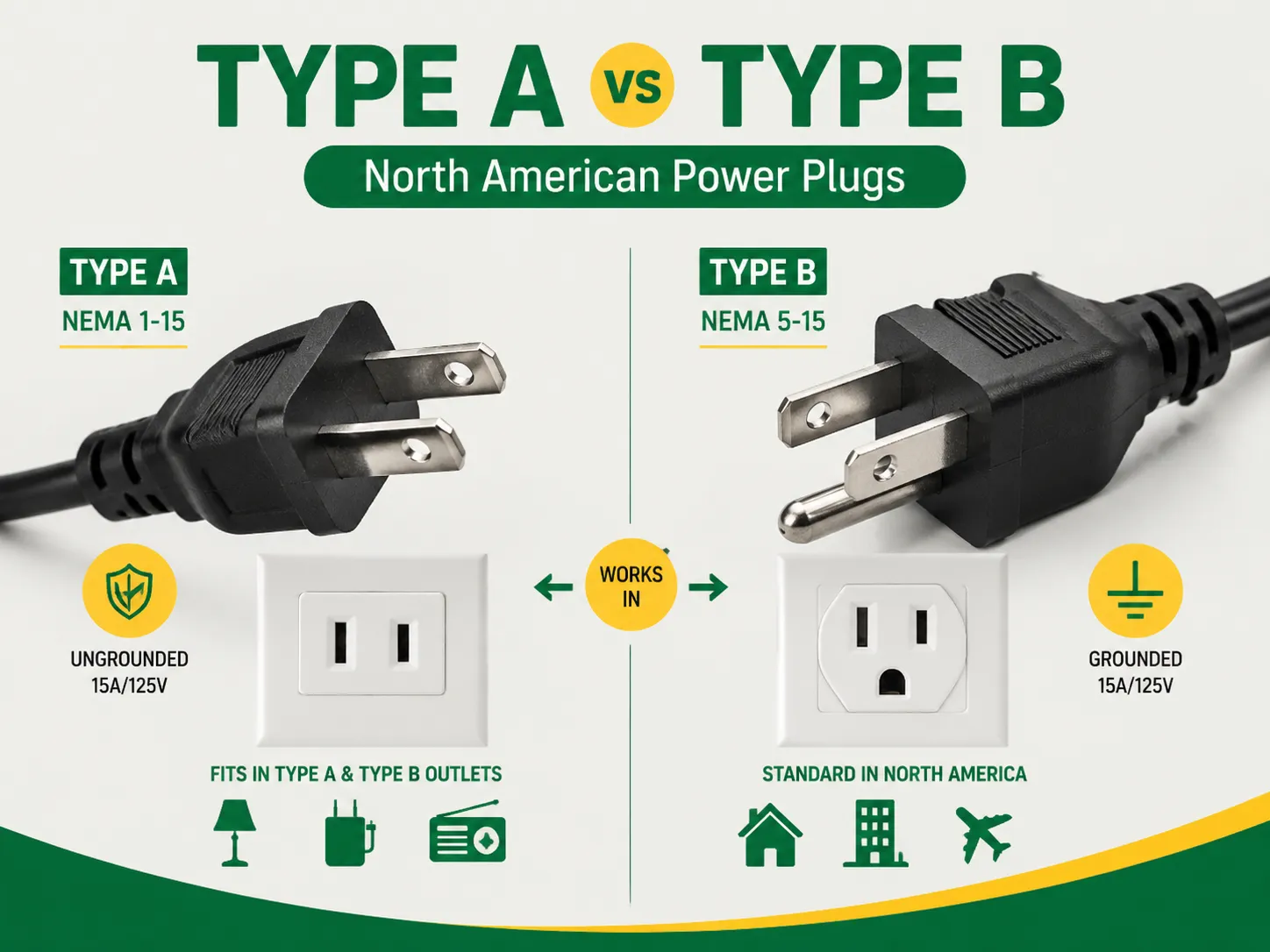
Oficjalnie znany jako NEMA 5-15, typ B stał się standardową wtyczką w Ameryce Północnej i wykorzystuje te same podwójne płaskie równoległe bolce co typ A, plus okrągły (kształt litery U) bolec uziemiający poniżej bolców; bolec ten ma średnicę 4,8 mm i jest nieco dłuższy od bolców, co zapewnia, że bolec uziemiający jest podłączany pierwszy przed włączeniem zasilania. Znamionowy prąd dla tej wtyczki wynosi 15 A/125 V.
Gdzie można znaleźć typ B: wszędzie, ponieważ ta wtyczka była instalowana wszędzie tam, gdzie budowano budynki od lat 60. XX wieku i była używana w domach, hotelach, biurach i na lotniskach w USA, Kanadzie i Meksyku. W większości przypadków nowoczesne gniazdka są typu B, ale posiadają porty ładowania USB-C, a także migawki TR są teraz częścią przepisów w nowych budowach. Wtyczka typu A pasuje do gniazdka typu B, podczas gdy wtyczka typu B nie pasuje do gniazdka typu A (ponieważ bolec uziemiający nie ma jak się podłączyć).
Jeśli modernizujesz gniazdka w nieruchomości w Ameryce Północnej, nowoczesne gniazdka — w tym zintegrowane z USB i inteligentne opcje w Zakres gniazdek IGOTO — podążają za tym samym układem typu A/B/NEMA, więc instalują się w każdej standardowej puszce.
NEMA oznacza National Electrical Manufacturer’s Association, która ustala standardy dla wtyczek i gniazdek w Ameryce Północnej. Ważne kody to:
| Kod NEMA | Nazwa zwyczajowa | Konfiguracja | Ocena |
|---|---|---|---|
| NEMA 1-15 | Typ A | 2 płaskie równoległe bolce, nieuziemione | 15A / 125V |
| NEMA 5-15 | Typ B | 2 płaskie bolce + okrągły bolec uziemiający, uziemione | 15A / 125V |
| NEMA 5-20 | Typ B (20A) | 2 płaskie bolce + bolec uziemiający, jeden bolec obrócony o 90° | 20A / 125V (kuchnie, łazienki) |
| NEMA 6-15 / 6-20 | Gniazdka 240V | 2 płaskie bolce + bolec uziemiający, do urządzeń 240V | 15-20A / 240V (suszarki, klimatyzatory, pojazdy elektryczne) |
| NEMA 14-30 / 14-50 | Suszarka / kuchenka / pojazd elektryczny | 4 bolce (2 fazowe + neutralny + uziemiający) | 30-50A / 240V |
Dla podróżnych istotne są tylko typy 1-15 (typ A) i typ 5-15 (typ B) — wszystkie inne typy to specjalistyczne wtyczki o wyższym prądzie. W każdym hotelu i domu znajdzie się uniwersalne gniazdko 120V.
Ameryka Północna działa w systemie 120-woltowym, 60-hercowym – identycznym w USA (120V), Kanadzie (120V) i Meksyku (chociaż Meksyk ma nieco wyższe napięcie, około 127V). Ten poziom napięcia jest o połowę niższy od tego, co używa reszta świata (220-240V), co stanowi drugą część zagadki kompatybilności.
Poziom napięcia działa również w:
Poziom napięcia nie jest kompatybilny z Wielką Brytanią, Europą, Japonią, Australią, Nową Zelandią, Chinami, Indiami, Singapurem i większością Afryki, ponieważ wszystkie one wykorzystują napięcie 220-240V i mają inne kształty wtyczek.
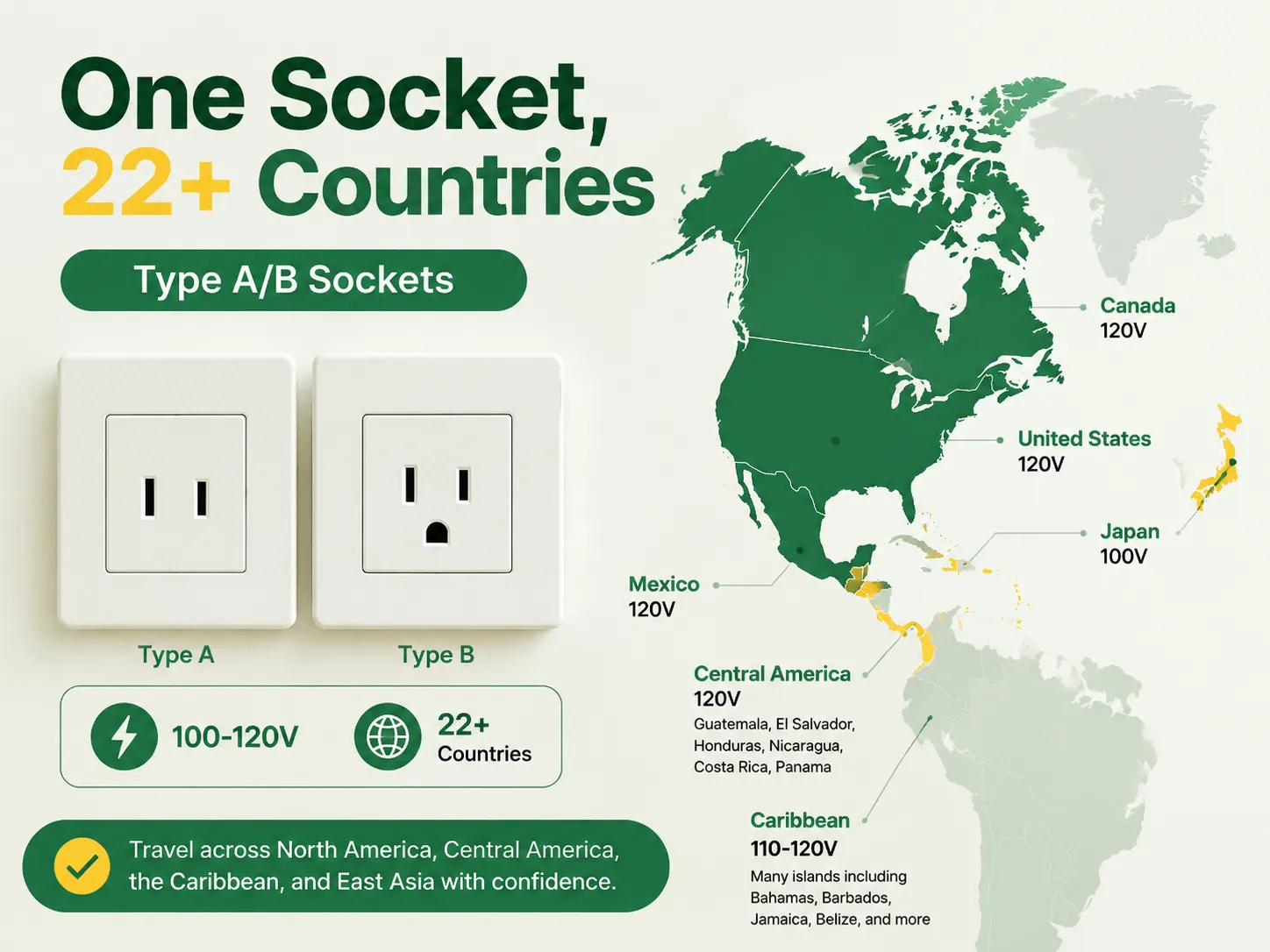
Standaryzacja elektryczna Ameryki Północnej jest niezrównana: jeden projekt wtyczki jest używany w ponad 22 krajach. W tym zakresie wtyczki są identyczne w następujących regionach:
Podsumowując, osoba może przyjechać do Kanady ze Stanów Zjednoczonych i aż do przybycia na drugi koniec świata, do Panamy, nigdy nie myśląc o adapterach do wtyczek, co czyni ten system elektryczny tak przyjaznym dla podróżujących z USA.
| Kraj / Region | Wtyczka domowa | Potrzebny adapter? | Konwerter napięcia potrzebny? |
|---|---|---|---|
| USA, Kanada, Meksyk | A / B | NIE | NIE |
| Ameryka Środkowa, większość Karaibów | A / B | NIE | Nie (110-127V) |
| Japonia | A / B | NIE (wtyczki pasują) | Zazwyczaj nie (100V vs 120V) |
| Tajwan | A / B | NIE | Nie (110V) |
| Wielka Brytania / Irlandia | G | Tak | Tak (dla urządzeń tylko 230V) |
| Europa kontynentalna | C / E / F | Tak | Tak (dla urządzeń tylko 230V) |
| Australia / Nowa Zelandia | I | Tak | Tak (dla urządzeń tylko 230-240V) |
| Chiny | A / C / I | Może (A pasuje; C/I wymagają adaptera) | Tak (220V vs 120V) |
| Korea Południowa | C / F | Tak | Tak (220V) |
| Indie | C / D | Tak | Tak (230V) |
Ważna uwaga: adapter może jedynie dopasować kształt wtyczki, ale nie dokonuje żadnych zmian napięcia. Na przykład, jeśli brytyjska suszarka do włosów zostanie podłączona do amerykańskiego gniazdka elektrycznego tylko za pomocą adaptera, otrzyma 120V zamiast 230V, co oznacza, że będzie działać słabo i przegrzewać się do niebezpiecznego poziomu.
Ogólna zasada: jeśli jest napisane INPUT: 100-240V (lub 110-240V), urządzenie może działać na podwójnym napięciu i potrzebuje tylko adaptera. Jeśli jest napisane tylko 120V lub 230V, jest to pojedyncze napięcie, a jeśli pochodzi z kraju o standardzie 230V, potrzebuje konwertera w Ameryce Północnej. Większość ładowarek do telefonów, zasilaczy do laptopów, ładowarek do aparatów i ładowarek do szczoteczek do zębów jest dwunapięciowa, podczas gdy większość suszarek do włosów, lokówek i starszych urządzeń nie jest. Aby uzyskać szerszą logikę międzynarodowych wtyczek i gniazdek – i jak system NEMA pasuje do światowych standardów – nasze przewodniki po różnych rodzajach przełączników i gniazdek elektrycznych i podstawy instalacji ściemniacza omawiają sprzętową stronę urządzeń ściennych.
Szybkie sprawdzenie zajmie tylko dziesięć sekund; wystarczy spojrzeć na małą etykietę na urządzeniu lub na jego zasilaczu, zazwyczaj znajdującą się w pobliżu wejścia kabla.
| Tekst etykiety | Znaczenie | Potrzebne w Ameryce Północnej (z kraju 230V) |
|---|---|---|
| “WEJŚCIE: 100-240V, 50/60Hz” | Dwunapięciowe, światowe | Tylko adapter |
| “WEJŚCIE: 110-240V” | Dwunapięciowe | Tylko adapter |
| “WEJŚCIE: 100-120V” | Pojedyncze napięcie (standard NA/Japonia) | Tylko adapter, jeśli z kraju 120V; konwerter, jeśli z kraju 240V |
| “WEJŚCIE: 220-240V” | Jednonapięciowe (standard 230V) | Adapter + konwerter |
Jeśli podróżujesz z kraju, w którym napięcie wynosi od 220V do 240V, powinieneś zabrać ze sobą suszarkę do włosów o podwójnym napięciu lub użyć suszarki hotelowej.
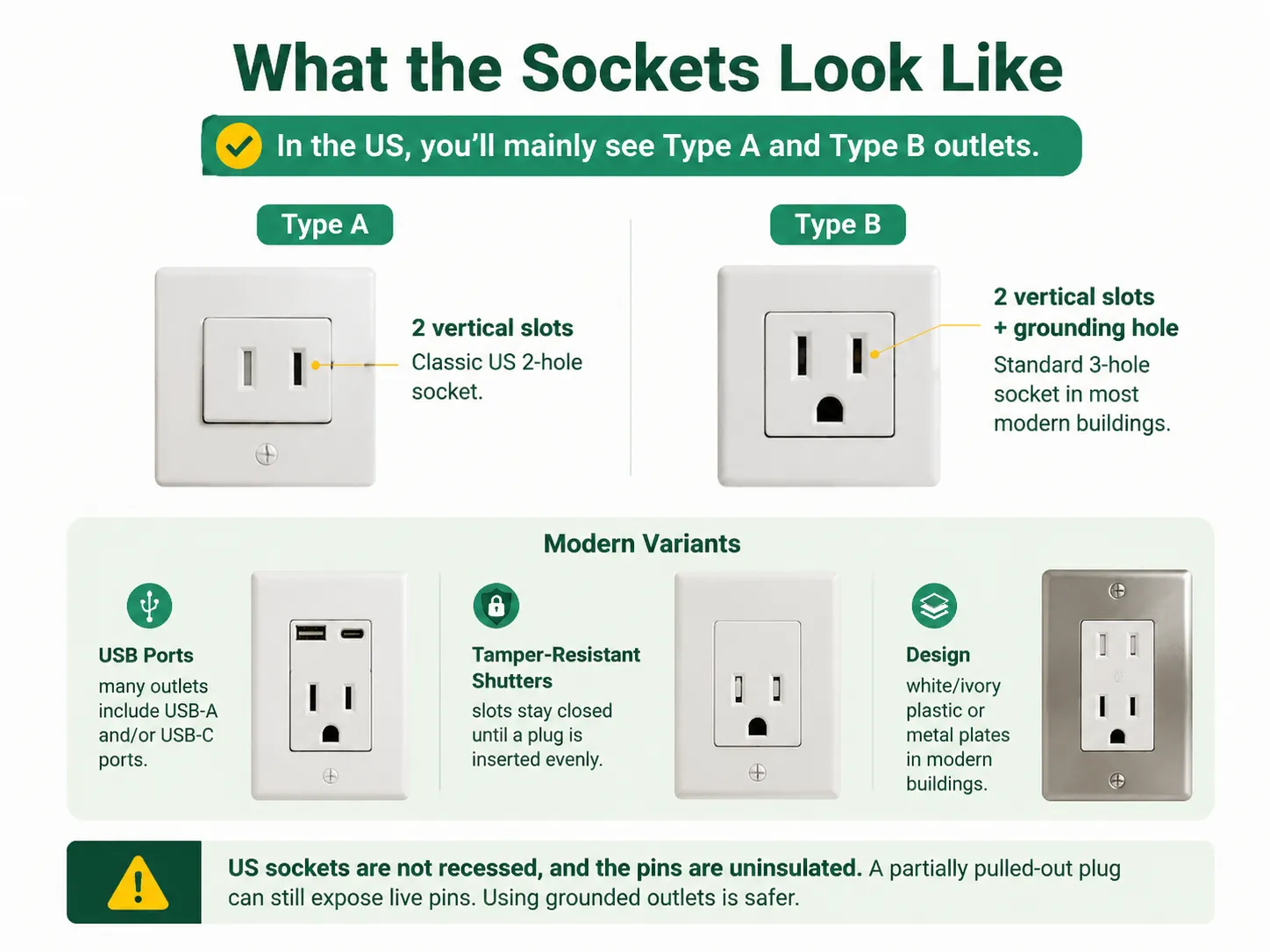
Identyfikacja złączy ułatwia podróżowanie:
Amerykańskie gniazdo jest bardzo dobrze znane z tego, że nie jest osadzone w ścianie, a jego bolce nie mają izolacji, co oznacza, że wtyczka częściowo włożona nadal ma odsłonięte bolce pod napięciem. Jest wystarczająco bezpieczne przy normalnym użytkowaniu, ale jest to kolejny powód, aby używać uziemionych, certyfikowanych gniazdek – takich jak zabezpieczone przed manipulacją i wyposażone w USB gniazdka w przewodniku po modernizacji gniazdek USB, oraz inteligentne sterowniki ścienne dostępne w gamie inteligentnych przełączników IGOTO dla tego samego standardowego formatu Ameryki Północnej.
Dla częstych podróżnych przemieszczających się między regionami zasilanymi napięciem 120V i 240V, zaleca się stosowanie wysokiej jakości uniwersalnych adapterów ($25-$45).
Wtyczki i gniazdka używane w Ameryce Północnej obejmują typ A (z dwoma płaskimi równoległymi bolcami, które są uziemione, znane jako NEMA 1-15) i typ B (z dwoma płaskimi bolcami i okrągłym bolcem, który działa jako uziemienie — NEMA 5-15). System jest używany w USA, Kanadzie, Meksyku, większości Ameryki Środkowej i dużej części Karaibów. Użycie wtyczek typu A pasuje do obu typów gniazdek, podczas gdy wtyczki typu B są nowym wymaganym standardem we wszystkich współczesnych budynkach.
Istnieją dwa rodzaje wtyczek elektrycznych: typ A (NEMA 1-15), który jest 2-bolcowy, nieuziemiony, używany głównie do urządzeń i ładowarek z podwójną izolacją. Typ B (NEMA 5-15) to 3-bolcowa wtyczka uziemiona, używana głównie do urządzeń elektrycznych i komputerów. Ich znamionowa moc jest również taka sama, 15A i 125V.
Absolutnie poprawnie. Kanada, podobnie jak USA, używa dokładnie tych samych wtyczek typu A i B, tego samego napięcia 120V i tej samej częstotliwości 60Hz. Dlatego wtyczka amerykańska i kanadyjska mogą być używane zamiennie. Normy określone przez NEMA w USA i CSA w Kanadzie dyktują kompatybilność tych wtyczek.
W Stanach Zjednoczonych Ameryki używa się gniazd typu A (NEMA 1-15) i typu B (NEMA 5-15) przy napięciu 120V/60Hz. Typ B to dwa gniazda z pionowymi otworami i jednym okrągłym otworem do uziemienia, który jest obecnie standardem; z drugiej strony, typ A to oczywiście dwa pionowe gniazda w starszych budynkach, gdzie wtyczki typu A byłyby użyteczne. Gniazda NEMA 14-30 lub 14-50 o wyższej mocy są przeznaczone tylko do suszarek, kuchenek i ładowarek do pojazdów elektrycznych.
Północnoamerykański typ gniazdka jest przykładem standaryzacji. System wtyczek typu A i B, działający przy napięciu 120V/60Hz, jest używany w ponad 22 krajach Ameryki Północnej, od Kanady na północy po Panamę na południu. Dlatego, jeśli używa się wtyczek 120V, jest to najprostszy konektor do użycia w urządzeniach związanych z elektrycznością. Dla odwiedzających z krajów o napięciu 220-240V, ta standaryzacja jest ponownie pomocna, ponieważ ułatwia rozpoznanie odpowiedzi: adapter typu A/B do kształtu i transformator napięcia dla każdego urządzenia działającego przy jednym napięciu — na podstawie dziesięciosekundowego sprawdzenia etykiety “INPUT”.
Innymi słowy, dla każdego podróżnego przyjeżdżającego do Ameryki Północnej odpowiedź brzmi: wtyczki z USA/Kanady/Meksyku/Japonii po prostu pasują; wszyscy inni potrzebują adaptera; podróżni z regionu 230 V potrzebują transformatora napięcia dla każdego ze swoich urządzeń o jednym napięciu — sprawdzone etykiety i zakupiony odpowiedni uniwersalny adapter rozwiążą wszystkie problemy, pozwalając odwiedzającym jedynie cieszyć się pięknymi krajobrazami Ameryki Północnej, bez obaw o spalone ładowarki.
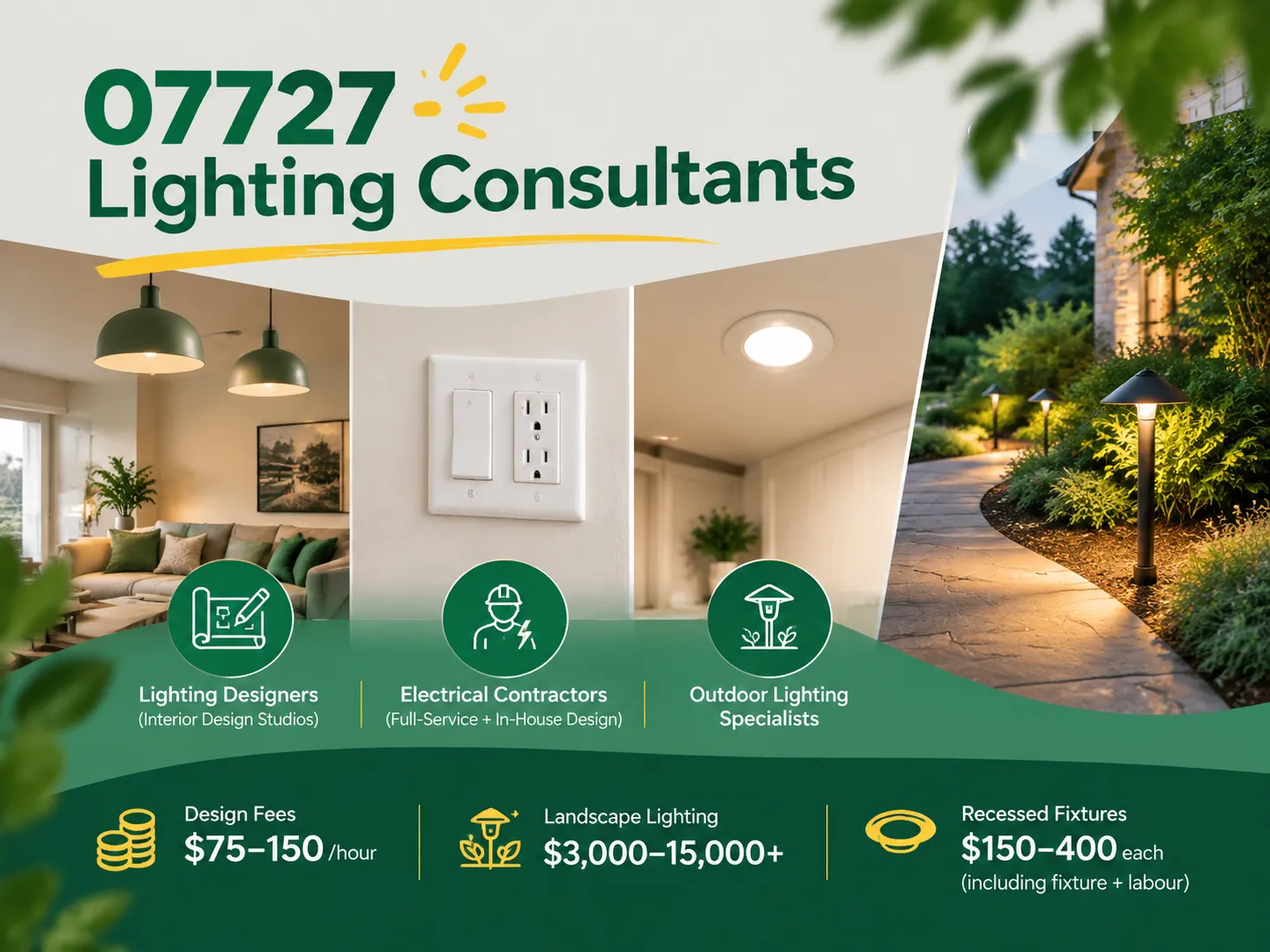
Farmingdale, wraz z częściami Wall Township i Tinton Falls w New Jersey, dzieli ten sam kod pocztowy 07727. Większość domów zbudowanych od lat 50. do 90. XX wieku wciąż istnieje dzisiaj. Większość właścicieli domów odnawia swoje domy, zamiast budować nowe. Właściciele domów mają tendencję do wydawania znacznie większych kwot na […]

Termin “07984 konsultanci oświetleniowi” daje ludziom wrażenie, że pięć cyfr reprezentuje jakiś rodzaj kodu pocztowego, który wskazuje miejsce, w którym konsultanci oświetleniowi świadczą usługi. Jest to jednak nieprawda: nie ma obszaru pocztowego oznaczonego kodem 07984, który jest tylko kodem telekomunikacji mobilnej w Wielkiej Brytanii. Oznacza to, że […]
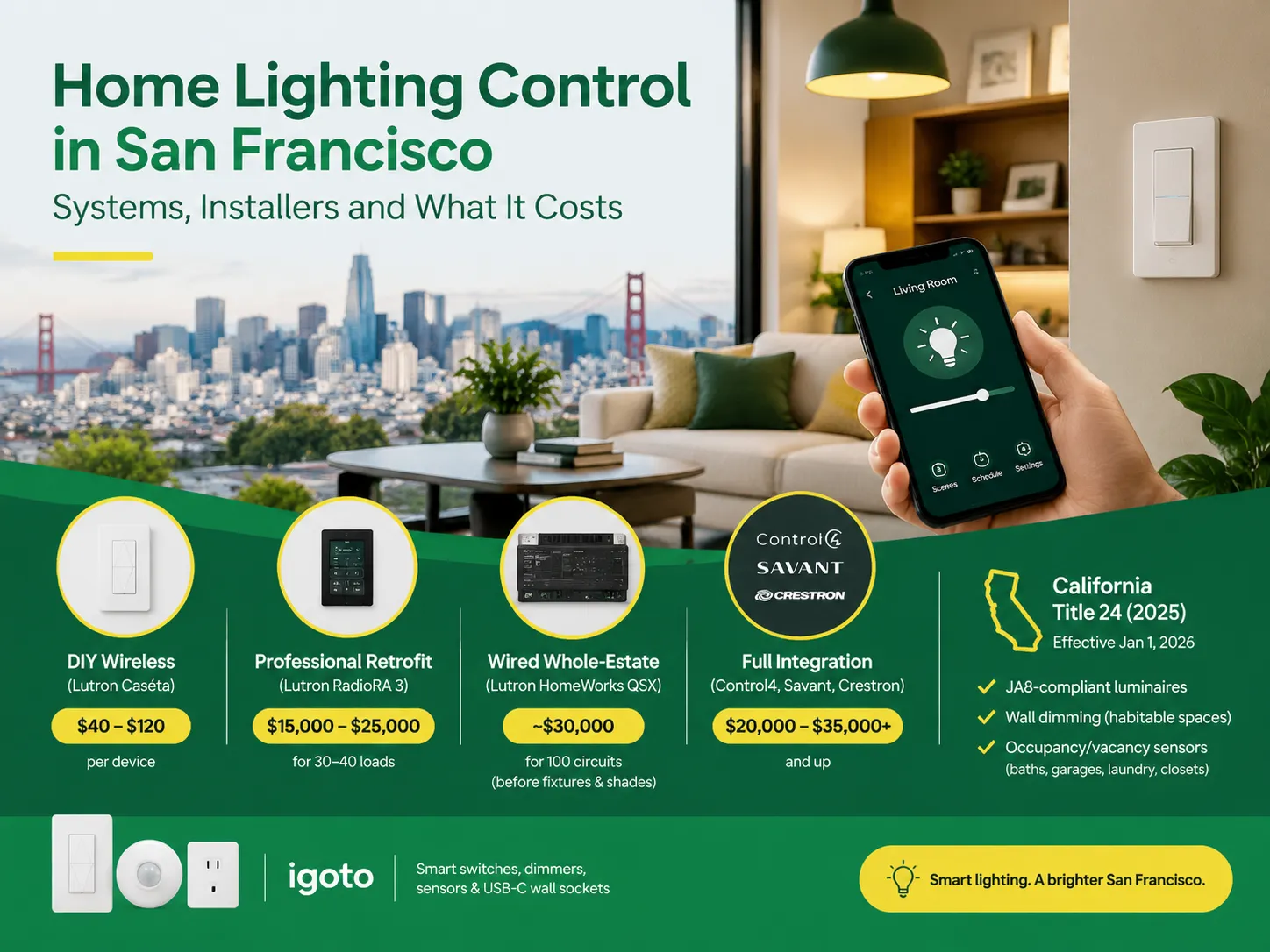
San Francisco nie jest przeciętnym rynkiem kontroli oświetlenia. Zasoby mieszkaniowe są stare i gęste, a kodeks elektryczny nie pozwala na tak wiele instalacji elektrycznych, jak to jest dozwolone niemal wszędzie indziej w USA. Większość domów, które chcą skomplikowanego oświetlenia, to budynki wiktoriańskie lub edwardiańskie, w których nikt nie chce zaczynać otwierania […]

 Droga Tuozhan nr 6, Leshang Pioneer Park, port Yueqingwan Bay, miasto Yueqing, prowincja Zhejiang


