Choosing the correct cable size for power points in Australia is essential for safety, efficiency, and compliance with regulations. This guide will help you understand cable sizing, its importance, and how to make informed decisions.
In Australia, it is imperative to choose the correct size of electrical cables for power points so that safety and efficiency are maintained in the electrical work done. This guide aims to teach the reader the different cable sizes, their uses, and the great need for proper size selection.
Having a better insight into these issues will help avoid such risks and allow the design of the electrical systems in a more efficient manner. You could be a house owner, a contractor, or just a curious one who wants to know more about electrical work, this article is going to give you necessary insights and principles on how to collate information while making decisions.
⚠️ Final selection depends on installation method and breaker rating under AS/NZS 3000.
Electrical cable sizing involves choosing the size of the electrical cables suitable for certain applications, which is also the case for the overhead power or control cables. Therefore, it is important to avoid situations where the current flowing through them exceeds their rated capacity as far as there are risks of electrical failures or risks.
It is essential to select the right cable size for the following reasons:
Safety: Cables that are smaller than necessary are at risk of overheating. This could result in fire. The proper size ensures that the cable carries electrical load without risk.
Performance: Operating within the rated voltage levels with correctly sized cables ensures that the appliances operate effectively and efficiently.
Regulatory Compliance: As a matter of legal and safety requirements, local electrical laws and codes must be adhered to.
Cable size selection is based on the electrical current-carrying capacity (ampacity) and must ensure safe operation under continuous load conditions.
Key factors include:
Current load (Amps): A higher electrical load requires a larger conductor size to prevent overheating
Cable length: Longer cable runs increase resistance and voltage drop
Voltage drop limits: Must remain within allowable limits defined by Australian standards
Installation method: Conduit, buried, or open-air installation affects heat dissipation
Circuit protection: Cable size must match breaker or fuse ratings
Electrical cable sizing in Australia follows AS/NZS 3000 wiring rules, which define installation safety and compliance requirements.
Voltage drop occurs when electrical resistance increases along long cable runs, resulting in reduced voltage at the load end.
This becomes more significant when:
To reduce voltage drop:
Voltage drop is one of the key reasons cable size often needs to be increased beyond minimum ampacity requirements.
Australia has different electrical cables designated for different applications. Some of them are quite common:
Thermoplastic Sheathed (TPS) cables are commonly used when wiring houses. They are rather pliant and are good for both indoor and outdoor use.
These cables are made from materials that can withstand extreme conditions, thus enhancing protection from accidental breakage. Most armoured cables are used in below-grade installations.
Flexible cables are used in connecting electrical appliances to the mains supply. They are best suited in cases where movement is required when connecting the main electrical supply to portable appliances.
While determining the optimum cable size, the following should be considered:
Current Rating: Establishes the cable’s maximum carrying voltage. This is usually advisable in voltages.
Length of Run: The length of the cable run and the size of the cable must be increased to reduce the load voltage drop.
Type of Load: There is variation in a given appliance’s power consumption. Use a specific load rating for the devices in use to help in cable selection.
| Cable Size (mm²) | Maximum Current (Amps) | Typical Use |
|---|---|---|
| 1.0 | 14 | Lighting |
| 1.5 | 18 | General Power |
| 2.5 | 24 | Power Circuits |
| 4.0 | 32 | Heavy Appliances |
| 6.0 | 40 | Cookers and Showers |
In this part, we discover the practical uses and applications of various categories of electrical cables in Australia. Having knowledge of these uses is essential in helping you make the right choice for that cable.
Due to their ease of installation, TPS cables find their applications in residential setups. They find applications in:
Lighting Circuits: Used for circuitry to connect light fixtures to the power supply.
Power Points: Used to connect general-purpose power outlets around the house.
Outdoor Installations: TPS cables find applications where other outdoor limitations, such as moisture, need to be shielded.
These cables are suited for harsher conditions and have the following applications:
Underground Installations: Ideally used in places that need protection from physical stress in places such as basements or outside.
Industrial Settings: Found in factories and warehouses prone to being ravaged by heavy machinery and other environmental stressors.
Data Transmission: Appropriate for tasks that involve tough environments and require the transmission of data reliably.
Applications involving movement or elasticity would definitely require the use of flexible cables. Typical usage includes:
Appliances: Used for portable appliances such as vacuum cleaners and power tools by connecting the appliances with the main supply.
Lighting Fixtures: Best for pendants or other light fittings that need to be adjusted periodically.
Temporary Installations: Helps for temporary power in events or during construction jobs.
Most general power points in Australia use 2.5 mm² cable, depending on load requirements, installation conditions, and AS/NZS 3000 compliance.
Undersized cables can overheat due to excessive current, cause voltage drop, and increase the risk of insulation damage or electrical failure.
AS/NZS 3000 (Wiring Rules) is the main standard governing electrical installation safety and wiring practices in Australia.
Cable size is determined based on current load, cable length, voltage drop limits, installation method, and circuit protection requirements.
For power points, the most common cable sizes are 1.5 mm² and 2.5 mm², depending on the load requirements.
For your own protection, always observe the prescribed electrical codes, use the correct cable diameter, and if necessary, have a competent electrician perform the more elaborate connections.
Yes, any electrical installation in Australia will have to follow the Australian Standards (AS/NZS 3000), which deals with electrical wiring installation safety provisions.
To conclude, it is necessary to highlight once again the importance of ensuring the correct size of the power points electrical cable in Australia. Understand the characteristics of different cables and their intended use to avoid many troubles related to electrical risks, while performing the devices in an effective manner.
It is always best practice to observe all-set, size, the diameter of the cable as well as observance of the legislation governing the applications, to avoid risks to the home or the devices. If you need further assistance and tools, feel free to explore the sites IGOTO Electric or try an electrical cable size calculator. This will enable you to make the right decisions on your electrical fittings.
Igoto, a professional wall switch manufacturer. With years of experience, we specialize in producing European, American, Australian, and Vietnamese wall mount switches and sockets. We have a long history of serving renowned brands in various countries. If you’re looking for a reliable wall switch supplier, feel free to contact us.
Choosing the right cable size is crucial for safety and performance. If you’re unsure, contact a certified electrician or use our online cable size calculator to make the best choice for your project.”
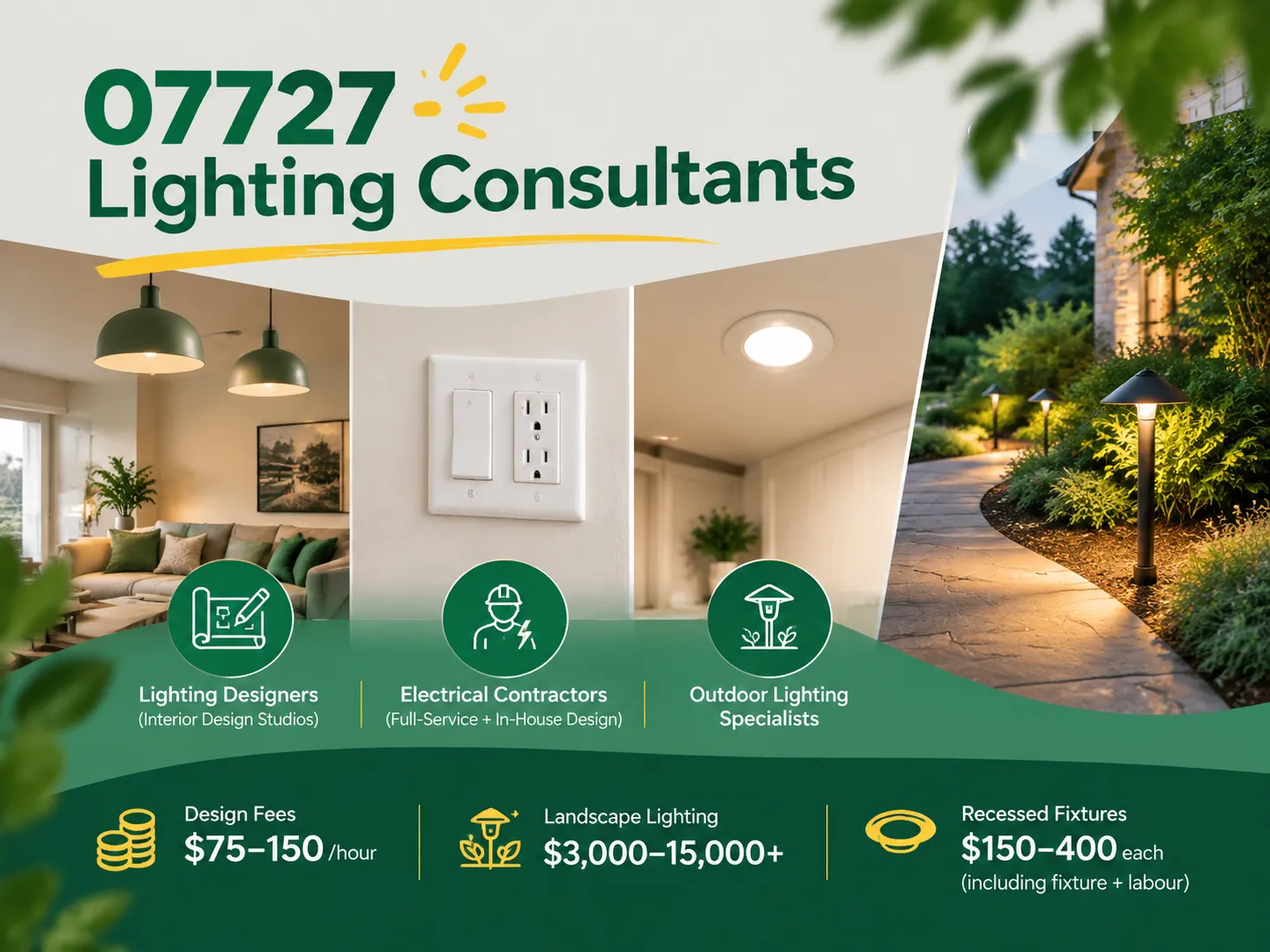
Farmingdale, along with parts of Wall Township and Tinton Falls, New Jersey, share the same zip code of 07727. Most of the houses built from the 1950s to the 1990s still exist today. Most of the homeowners are renovating their houses as opposed to building new homes. Homeowners tend to spend a lot more on […]

The term “07984 lighting consultants” gives people the impression that the five digits represent a postal code of some sort that indicates the place where lighting consultants provide services. This is, however, incorrect: there is no postal area coded 07984, which is only a code of mobile telecommunications in Great Britain. This means that the […]

San Francisco is not the average lighting control market. The housing stock is old and dense, and the electrical code does not allow for as many electrical installations as is allowed almost anywhere else in the U.S. Most homes that want complex lighting are Victorian or Edwardian buildings where no one wants to start opening […]

 No.6 Tuozhan Road, Leshang Pioneer Park,Yueqingwan Bay Harbor,Yueqing city,Zhejiang Province