
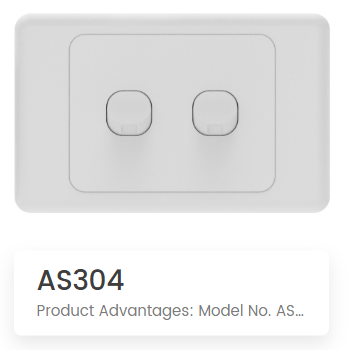
The primary difference between surface mount and flush mount electrical panels lies in their installation method: surface mount panels are installed on the exterior of walls, while flush mount panels are recessed into wall cavities for a more streamlined appearance.
When planning electrical installations, contractors often face the decision between surface-mount vs flush-mount options. This choice impacts not just aesthetics, but also installation complexity, maintenance accessibility, and long-term costs.
| Feature | Surface Mount | Flush Mount |
|---|---|---|
| Installation | External to wall | Recessed in cavity |
| Cost | Lower initial cost | Higher installation cost |
| Maintenance | Easy access | Requires wall opening |
| Aesthetics | More visible | Nearly seamless |
| Future Changes | Simple modifications | Complex alterations |
Surface mount installations keep wiring and junction boxes visible on the wall surface. This provides immediate access for repairs but creates a more industrial appearance.
Flush-mount panels require careful installation of PVC conduit and electrical boxes within the wall cavity. While creating a cleaner look, these installations demand precise documentation for future maintenance.
A surface mount range outlet installation offers quick mounting and lower initial costs. The simplified process reduces labor time and minimizes wall preparation requirements.
Flush mount electrical panels, though more expensive initially, deliver the clean aesthetics modern clients expect. Their installation requires skilled labor and careful planning, but results in superior visual integration.
Surface mounting, while practical, sees limited use in contemporary urban settings. Their exposed components and utilitarian appearance restrict their application.
Flush mount panel installations dominate modern construction. Their secure mounting and clean appearance make them the preferred choice for commercial and premium residential projects.
Surface installations allow immediate access when issues arise. Technicians can quickly identify and resolve problems without disturbing wall structures.
Flush mount installations require more planning for maintenance. Keeping detailed documentation of wiring routes prevents costly mistakes during future modifications.
When it comes to choosing between a surface mount and a flush mount socket, you’ll want to consider:
Surface mount installations work on virtually any wall surface. Flush-mount electrical panels require adequate cavity space and proper structural support for mounting boxes.
Surface mounting provides immediate access to wiring and components for maintenance. Flush installations need careful planning for future access points and may require wall opening for repairs.
Surface-mount range outlets remain visible and functional in appearance. Flush-mount panels integrate seamlessly with modern interior designs, showing only faceplates.
Surface installations offer lower initial costs and simpler installation. Flush mount options require a higher upfront investment but often deliver better long-term value through improved aesthetics and protection.
Both types must meet IP ratings for their intended environment. Surface units often need higher protection ratings due to increased exposure.
The choice between surface mount vs flush mount electrical panel options depends on your project’s specific requirements. Each type serves its purpose, from industrial settings to premium commercial spaces.
At IGOTO Electric, we manufacture quality components for both mounting types across international standards. Our comprehensive testing and 15-year warranty ensure reliability for any installation scenario. Contact us today to learn more about quality components and proper implementation methods, regardless of mounting choice.

The term “07984 lighting consultants” gives people the impression that the five digits represent a postal code of some sort that indicates the place where lighting consultants provide services. This is, however, incorrect: there is no postal area coded 07984, which is only a code of mobile telecommunications in Great Britain. This means that the […]

San Francisco is not the average lighting control market. The housing stock is old and dense, and the electrical code does not allow for as many electrical installations as is allowed almost anywhere else in the U.S. Most homes that want complex lighting are Victorian or Edwardian buildings where no one wants to start opening […]
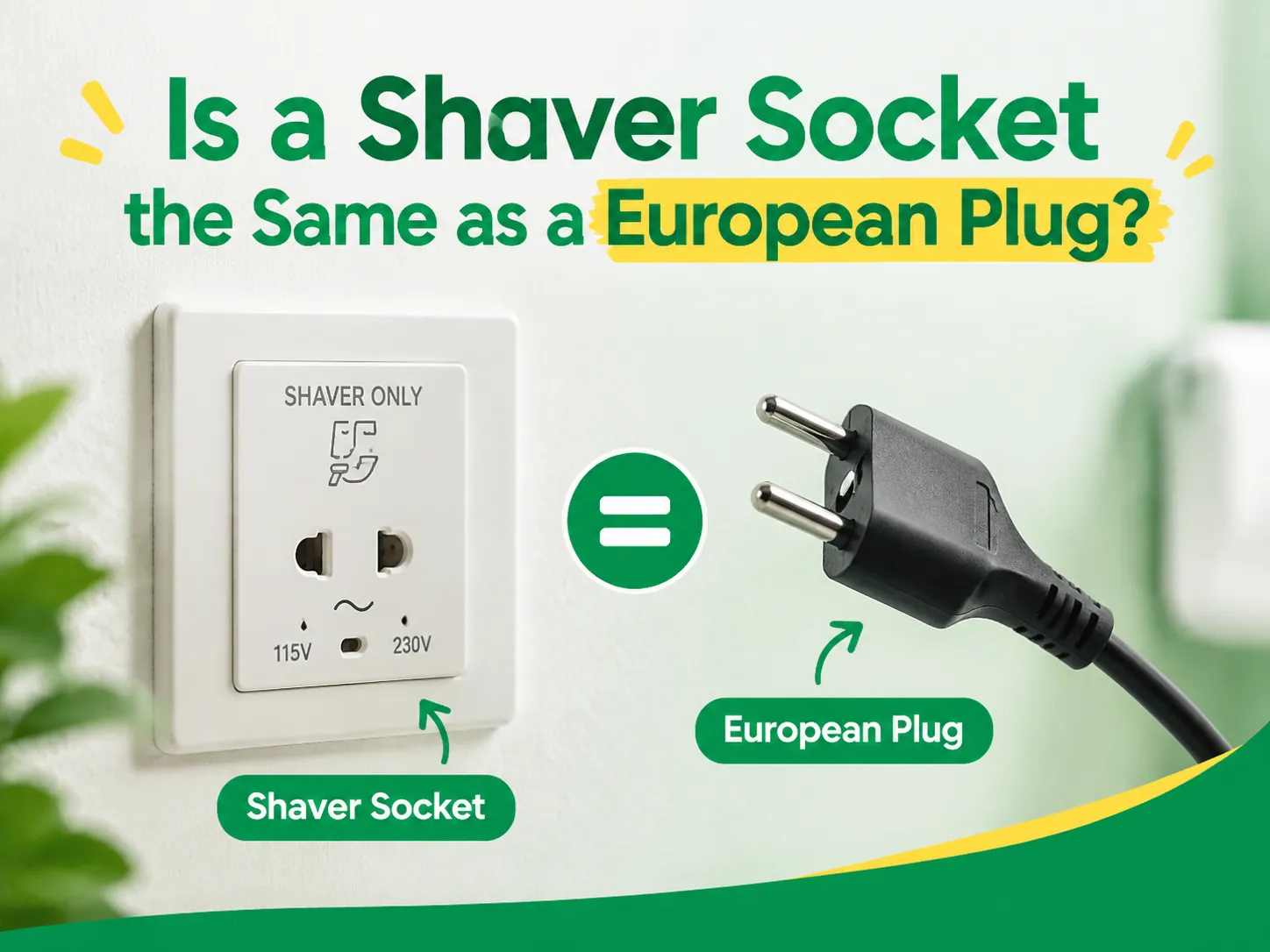
Although they seem to be alike, they both have a round shape with two pins, and they function at a voltage of 230V. This explains why some tourists use a European plug with a British shaver or wonder why a shaver cannot be plugged into a Schuko socket in a Spanish hotel. In reality, they […]

 No.6 Tuozhan Road, Leshang Pioneer Park,Yueqingwan Bay Harbor,Yueqing city,Zhejiang Province