

When a ceiling fan stops working, the first thing to check is whether it’s receiving power. A tripped circuit breaker, faulty wall switch, or loose wiring connection can prevent the fan from spinning. If power isn’t the issue, inspect the fan’s capacitor, motor, and internal components. This guide will help you troubleshoot common problems and restore your fan to full function.
Before assuming a major issue, verify that your ceiling fan is getting power.
If power reaches the fan but it still won’t spin, move to the next steps.
A ceiling fan that gets power but won’t spin could have one of these issues:
If your ceiling fan runs but stops intermittently, the issue may be:
Solution: Check all wire connections, clean dust buildup inside the motor, and test the speed control switch.
A noisy ceiling fan can indicate mechanical or electrical problems.
Solution: Tighten all screws, balance the blades, check the capacitor, and lubricate the bearings as needed.
If you’ve tried these fixes and the ceiling fan still stops working, it may require motor repair or replacement. Signs that you need professional help include:
At this stage, contact a licensed electrician for a proper diagnosis.
A ceiling fan stopped working can often be fixed with simple troubleshooting steps like checking power, replacing capacitors, and cleaning internal components. However, if the issue persists, professional assistance may be needed.
For high-quality electrical solutions, including smart switches and electrical components, visit IGOTO Electric. Keep your home running smoothly with our expert electrical products.
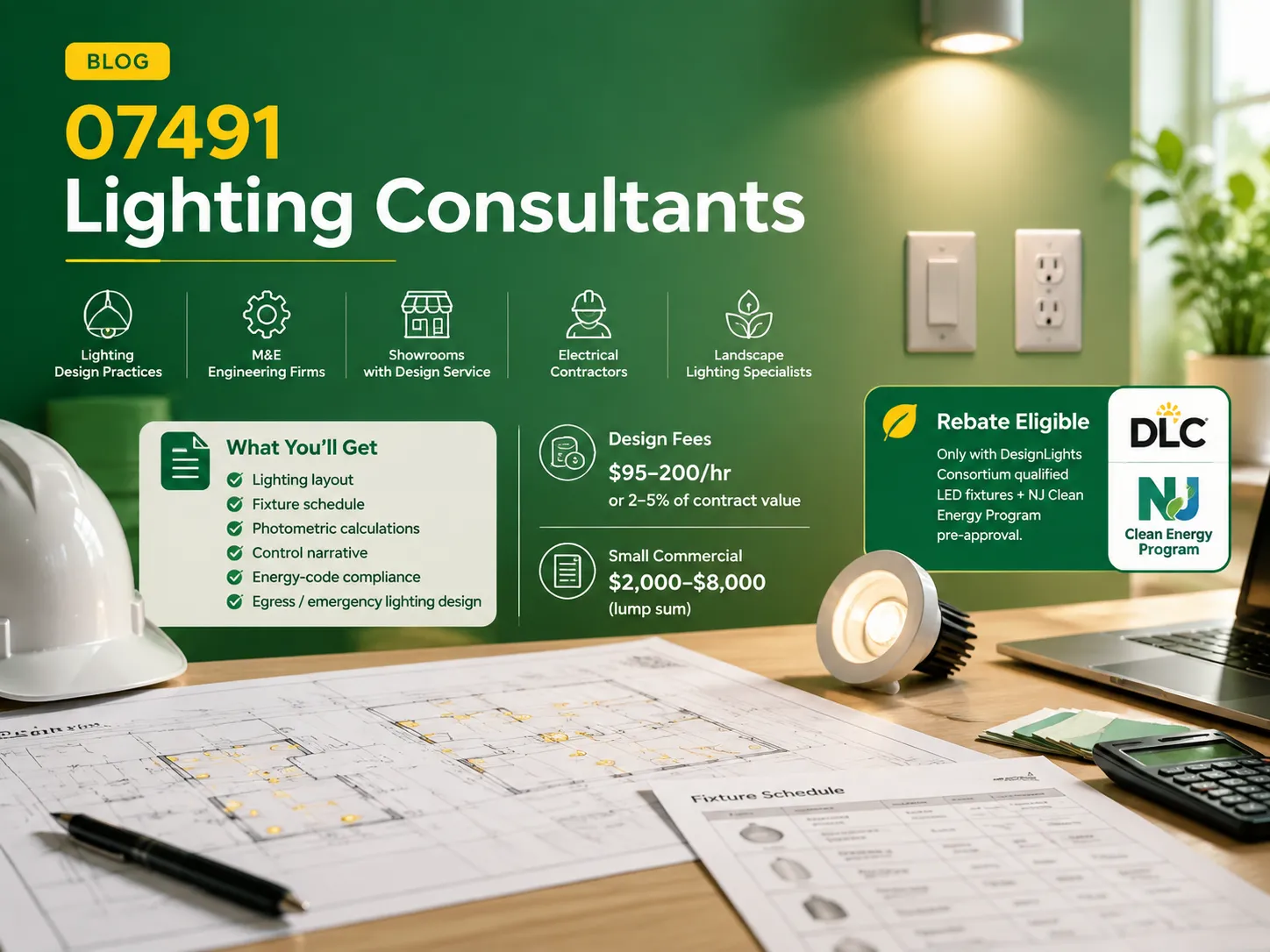
If you need assistance with lighting in the 07491 region, is essential to ask two crucial inquiries: who is operating nearby and how much is charged for the services. Concerning the first question, one can easily find the answer regarding the facts and figures because the market in northern New Jersey is not so broad. […]
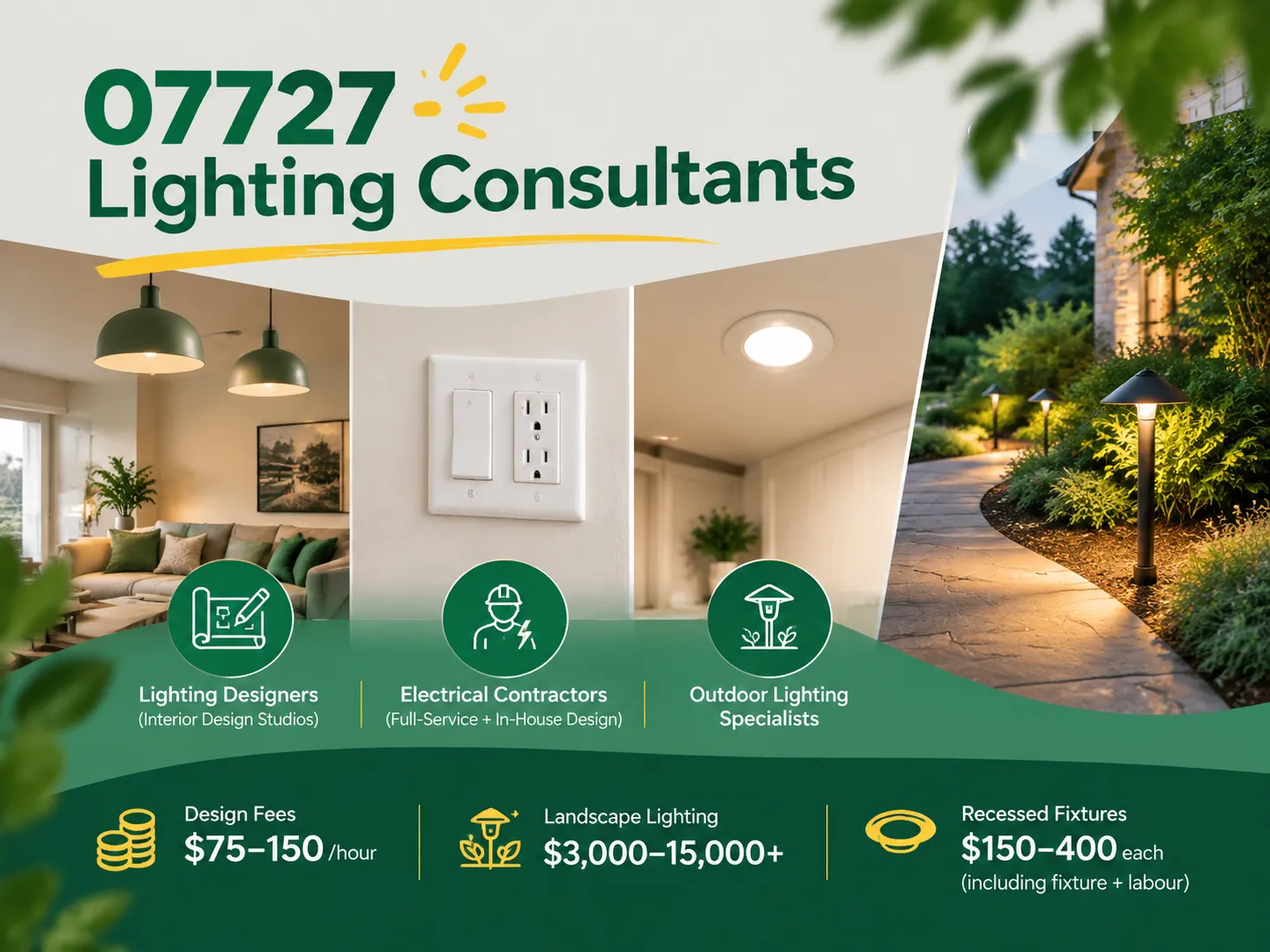
Farmingdale, along with parts of Wall Township and Tinton Falls, New Jersey, share the same zip code of 07727. Most of the houses built from the 1950s to the 1990s still exist today. Most of the homeowners are renovating their houses as opposed to building new homes. Homeowners tend to spend a lot more on […]

The term “07984 lighting consultants” gives people the impression that the five digits represent a postal code of some sort that indicates the place where lighting consultants provide services. This is, however, incorrect: there is no postal area coded 07984, which is only a code of mobile telecommunications in Great Britain. This means that the […]

 No.6 Tuozhan Road, Leshang Pioneer Park,Yueqingwan Bay Harbor,Yueqing city,Zhejiang Province


