

Selling electrical switches internationally requires navigating a complex landscape of safety standards and regulations. As a professional wall-mounted switch manufacturer, IGOTO has a deep understanding of the certification requirements for wall switches across various countries and regions. In this article, We, IGOTO will cover the top 10 electrical product certifications you need to sell switches internationally, ensuring your wall mount switches meet the necessary requirements for global market access and consumer safety.
Electrical product certifications are essential for global market access, ensuring safety and enhancing manufacturer credibility. Here are 10 key certifications you need to know:

Securing CE marking is crucial for accessing European markets. This certification ensures products meet EU safety, health, and environmental standards, enhancing credibility and consumer trust. It is essential for manufacturers to comply with all relevant EU norms before applying the CE mark. Some products may require verification by a notified body to meet CE marking requirements. Starting compliance efforts during the design phase helps meet regulatory mandates and allows for necessary testing. The CE mark must be clear and permanent, following size guidelines set by the EU.
Regularly updating the Declaration of Conformity (DoC) is crucial if legislative changes occur. Proactive certification efforts embed industry standards from the start, avoiding production delays. Understanding relevant standards helps control costs and prepares products for market entry efficiently.
Achieving UL certification is crucial for manufacturers entering the North American market. Since 1903, UL has been synonymous with high safety standards, ensuring products meet superior consumer safety levels. In the U.S., the UL Mark is widely recognized and expected by consumers and regulatory bodies, simplifying market access.
Certified products undergo multiple inspections annually to ensure ongoing adherence to safety protocols, protecting consumer well-being and maintaining the manufacturer’s reputation for quality.
Holding UL certification boosts confidence in promoting products as compliant with North American safety regulations, a key advantage in this competitive market.

Securing the China Compulsory Certificate (CCC) is vital for entering the Chinese market. The CCC mark ensures compliance with China’s safety regulations, reassuring both regulators and consumers. The certification process involves submitting technical documents and a product sample for evaluation at recognized testing facilities in China.
Compliance requires products to undergo mandatory evaluations by approved laboratories. Self-assessment and third-party assessments are not accepted. The certification process typically takes 60 to 90 days, with various factors influencing the timeline.
To maintain CCC compliance, inspections occur every 18 months. Non-compliance can lead to product seizures and fines. Companies must rigorously manage their compliance strategies to avoid supply chain disruptions and ensure market access.

The IECEE’s CB Scheme is an essential tool for manufacturers seeking to enter multiple markets with a unified certification process. It simplifies the certification landscape by enabling mutual recognition of test results and certificates for electrical products, facilitating market access through a single testing protocol.
TÜV Rheinland plays a key role in the CB Scheme, conducting product testing according to IECEE standards. Once a CB certificate is obtained, manufacturers are supported in acquiring country-specific certifications, easing market entry. This approach reduces redundant testing, saving time and resources.
National certification bodies must align with IEC standards to participate in the CB Scheme, receiving official acknowledgment. This strategy cuts compliance costs and speeds up market entry, aiding in successful global expansion.
Securing the EAC mark is crucial for accessing the Eurasian Economic Union’s markets. This certification allows products to be legally sold within its member countries as per a list defined by the European Commission.
Manufacturers must undergo evaluations such as safety testing and documentation assessment, along with potential inspections of manufacturing sites. They need to present a Declaration of Conformity aligning with the safety standards dictated by European Technical Regulations.
An EAC certificate or declaration is valid for up to five years before requiring renewal or reevaluation.
In Japan, obtaining PSE Mark certification is crucial for electrical products under the Electrical Appliance and Material Safety Law (DENAN). Products are categorized into Specified and Non-Specified Electrical Products based on risk. Specified products require third-party evaluation and a diamond-shaped PSE mark, while Non-Specified products can self-declare compliance and use a circular PSE mark.
Manufacturers and importers must notify METI before importing, confirming compliance with PSE Law technical requirements. Compliance verification is needed before shipment, with businesses required to keep records for three years.
Although third-party evaluations aren’t mandatory for Non-Specified products, voluntary S-JQA certification can enhance consumer trust in product safety.
The BSI Kitemark, a longstanding symbol of safety and quality in the UK, is recognized by 67% of UK consumers, with 70% expressing greater confidence in products bearing this mark. This trust significantly enhances brand reputation and market appeal.
To obtain the BSI Kitemark, products must undergo thorough independent testing to confirm compliance with industry standards, ensuring product integrity in the marketplace.
For manufacturers, the BSI Kitemark serves as a powerful tool to build consumer trust and stand out in a competitive market, showcasing their technological expertise and commitment to creating reliable family brands.
Obtaining SAA certification is essential for entering the Australian and New Zealand markets, as it confirms compliance with safety standards. Overseen by JAS-ANZ, this certification ensures electrical equipment meets Australian safety regulations, specifically AS/NZS 3820 standards for low voltage items.
For Level 3 goods, SAA approval is mandatory before sales, and products must bear the Regulatory Compliance Mark (RCM) to indicate compliance. Once approved, manufacturers must ensure that imported products match the originally approved items in form and function. Any changes require reevaluation and updated documentation.

Certification by INMETRO is required for products that may pose risks to health, safety, or the environment, such as electrical appliances. This certification process includes evaluating and testing the product and assessing compliance at manufacturing sites. Products that are certified are subject to periodic factory inspections and sample tests to maintain continual adherence.
Working in partnership with relevant parties, INMETRO strives for standard harmonization which aids in trade facilitation and regulatory conformity. Securing this certification promotes entry into markets while also elevating consumer trust regarding the safety of a product.
Choosing the right certification agency is vital for successful market entry and maintaining brand reputation. Key considerations include the target market, cost, efficiency, and agency credibility. It’s important to balance price, thoroughness, and speed when obtaining product certification.
Agency credibility significantly impacts market trust and recognition. Accredited agencies ensure compliance with local regulations, simplifying market entry. Utilizing the CB Scheme can further reduce compliance costs and expedite market access, enhancing consumer confidence in product safety.
Navigating international certifications can be challenging, but the benefits are substantial. Certifications like CE marking in Europe and INMETRO in Brazil unlock market access and ensure product safety. They boost consumer trust and protect manufacturers from liabilities. For electrical switch manufacturers, these certifications
Why are certifications necessary for selling electrical products internationally?
Certifications ensure compliance with safety standards, enabling market access and building consumer trust.
What is the significance of the CE mark in the European market?
The CE mark shows compliance with EU standards, allowing distribution within Europe.
How does the UL certification benefit manufacturers in North America?
UL certification aids market entry by ensuring compliance with safety standards, enhancing trust and reducing risks.
What is the process for obtaining CCC certification in China?
Submit technical documents and a product sample for testing, with regular compliance inspections.
How does the CB Scheme facilitate global market access?
The CB Scheme allows mutual recognition of test results, simplifying access to global markets.
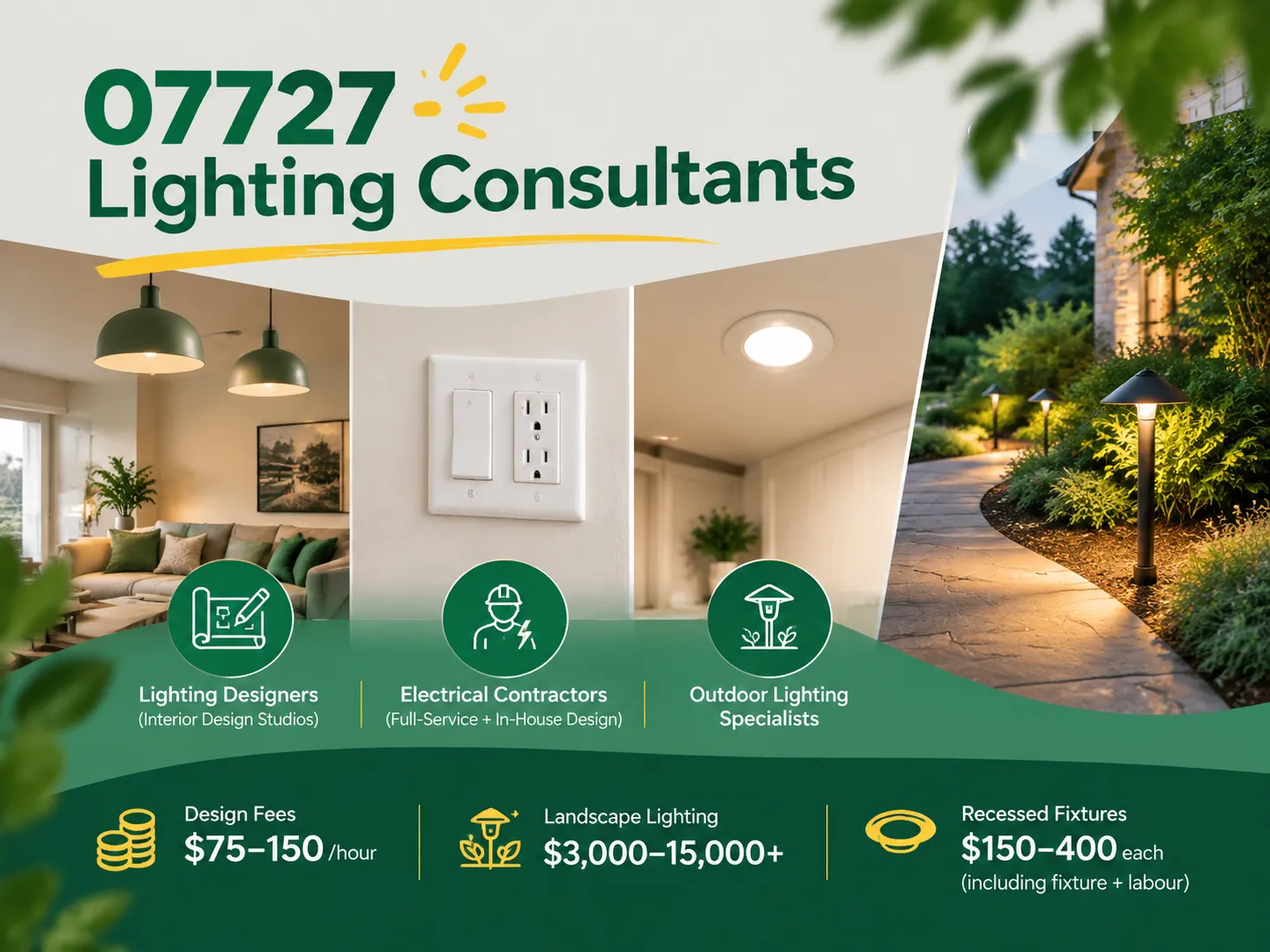
Farmingdale, along with parts of Wall Township and Tinton Falls, New Jersey, share the same zip code of 07727. Most of the houses built from the 1950s to the 1990s still exist today. Most of the homeowners are renovating their houses as opposed to building new homes. Homeowners tend to spend a lot more on […]
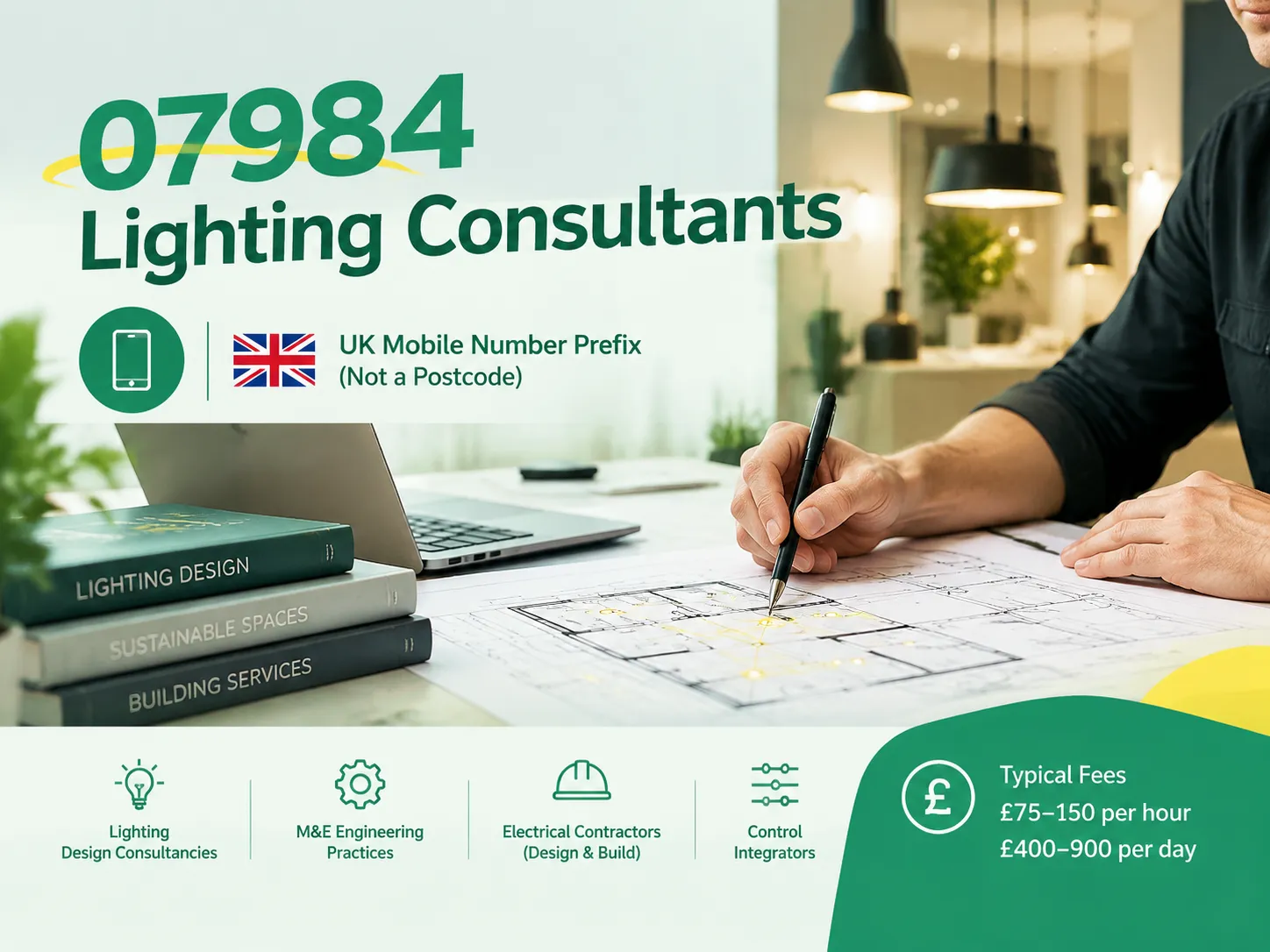
The term “07984 lighting consultants” gives people the impression that the five digits represent a postal code of some sort that indicates the place where lighting consultants provide services. This is, however, incorrect: there is no postal area coded 07984, which is only a code of mobile telecommunications in Great Britain. This means that the […]
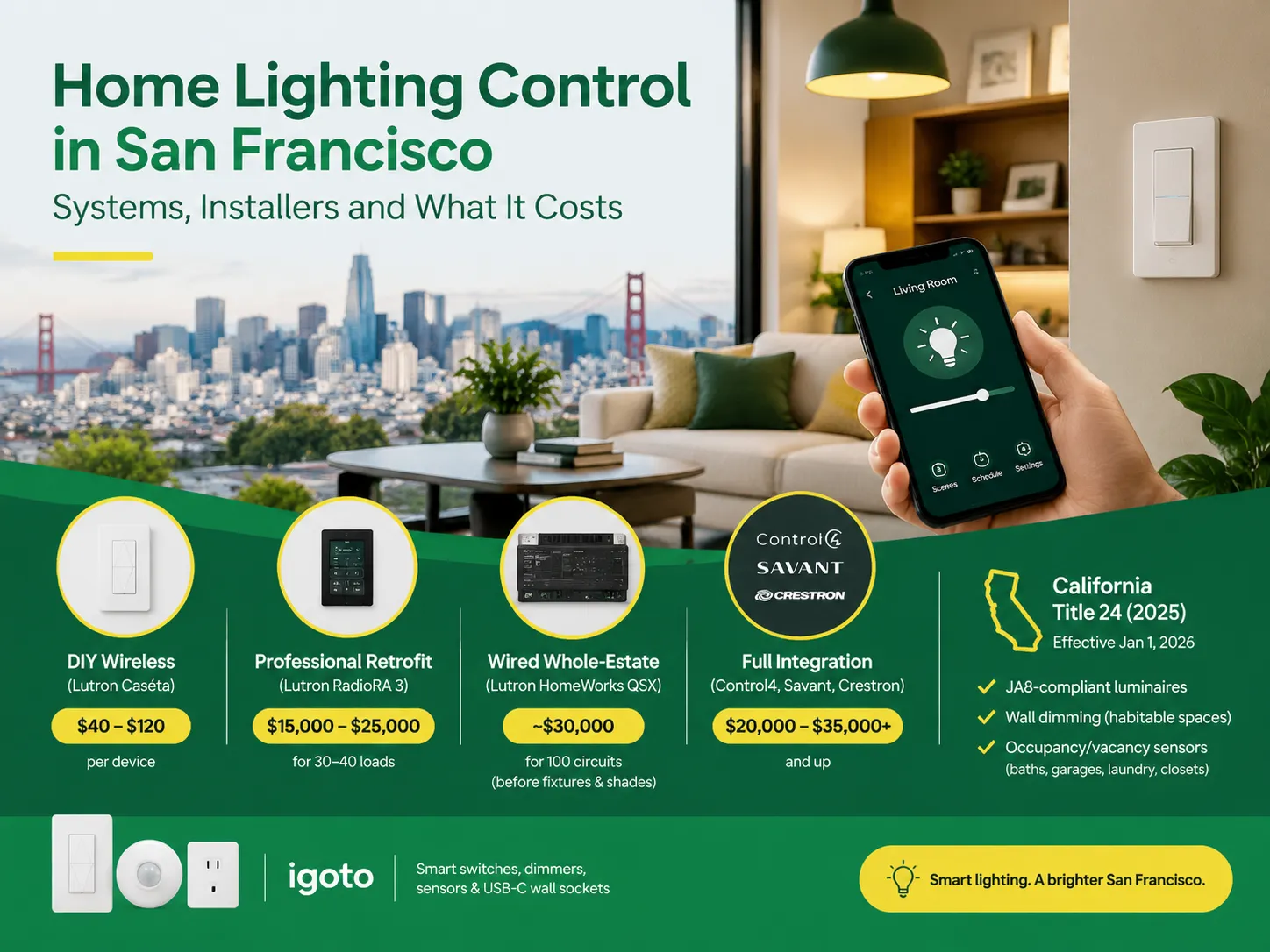
San Francisco is not the average lighting control market. The housing stock is old and dense, and the electrical code does not allow for as many electrical installations as is allowed almost anywhere else in the U.S. Most homes that want complex lighting are Victorian or Edwardian buildings where no one wants to start opening […]

 No.6 Tuozhan Road, Leshang Pioneer Park,Yueqingwan Bay Harbor,Yueqing city,Zhejiang Province


