

230v at 50HZ is the most common across Europe, but not all EU nations use the same type of plugs and sockets. Although Type F and Type E are typically used in continental Europe, countries such as Italy, the UK, Denmark, and others use different socket types. So before purchasing any European electrical plugs and sockets, make sure to check the standard used in the destination country.
No,. Although the supply voltage is largely harmonized across Europe, the plug and socket designs still differ across nations.
Type F (also known as Schuko) is mainly used in the Netherlands, Spain, Germany, Portugal, and Austria. Meanwhile, Type E is more common in Poland, Belgium, and France. While both types are classified as grounded systems, they form the earth connection differently.
The formats are also distinct in other nations. Cyprus, Malta, the UK, and Ireland use Type G. Type K is used in Denmark, Type J is popular in Switzerland, and Italy uses Type L, along with sockets that accommodate other plugs common across Europe.
No one electrical socket European standard defines the same socket and same plug design for each country.
The electricity supply is what has been largely standardized across Europe. Most places have a 230V supply at 50Hz, with ±10% being the permitted voltage tolerance. Nations that previously used 240V and 220V came under the same nominal voltage because of the change.
That said, different standards still apply to physical sockets. For example, continental Europe has CEE 7 covering several socket and plug configurations. Other EU markets have their own national standards, such as the UK’s BS 1363 for sockets.
As you look for sockets for an EU market, consider 230V compatibility as only a single aspect of the specification. You’ll still need to see the grounding method, electrical rating, and socket type used in the country. Plus, local standards used in the country will define which product suits your needs best.
When traveling across continental Europe, Type C is the plug you’ll most commonly come across. This plug doesn’t have an earth connection and features two round pins.
2.5A is what a standard Europlug is rated. This type has a narrow two-pin design and is meant for double-insulated, lower-power equipment. You can use it with many European socket systems, including Type F, J, E, L, and K.
But that doesn’t automatically make Type C a universal European socket. Rather, it’s a plug format and not a grounded socket standard used across the continent. To use it across the UK’s Type G system, you’ll need a relevant adapter.
P.S. You also cannot use it as a substitute for a grounded connection when the application needs one.
Types E and F are two of the main grounded systems used across continental Europe.
A Type E socket has a grounding pin that projects from the socket face. The matching plug has a hole that accepts that pin.
Type F, or Schuko, uses grounding contacts along the sides of the socket instead. The plug can be inserted in either orientation.
Many modern appliances use CEE 7/7 plugs that work with both systems. These plugs have the opening needed for the Type E grounding pin as well as the contacts needed to connect with a Type F Schuko socket.
If you’re sourcing wall sockets, the product still needs to match the standard used in the country where it will be installed.
First, consider the country where the socket will be installed or sold. That’s because a distributor with a presence in the UK may require a different range from one supplying Italy, Switzerland, or the UK.
Next, check the socket format, grounding arrangement, voltage and current rating of the exact product. Don’t go by “European socket” and other broad labels, as they don’t provide enough information about whether the product is suitable for your market.
You’ll also need to pin down on other features, such as integrated USB charging, grounded outlet, smart control, or a modular configuration. Market research will help you decide which of these are valuable to add in your order.
IGOTO offers a diverse European catalog, including modular wall sockets and switches designed for different continental markets. We also stock grounded socket options and items that combine standard power outlets with charging modules. You can also find smart socket products with WI-Fi control in our catalog.
With modular options, you gain greater flexibility in developing a product range. Rather than sourcing an individual wall plate for each requirement, you can group different functions into a multi-gang configuration, based on the series.
CB and CE are both considered relevant for electrical products sourcing, but these markings serve different purposes.
If a product has CE marking, it means the manufacturer is declaring the item meets the EU requirements applicable to that product.
The CB Scheme is handled through IECEE and offers a system for different participating certification bodies to identify electrical product safety test results based on the IEC standards.
But you should avoid treating these as a green signal for every European installation. A particular market can still have additional national approvals, standards, or project requirements.
At IGOTO, you’ll find product ranges that carry CB and CE marking, as well as certifications used for other regional markets. This can help you develop a presence in different markets and avoid losing time and money by placing the wrong order.
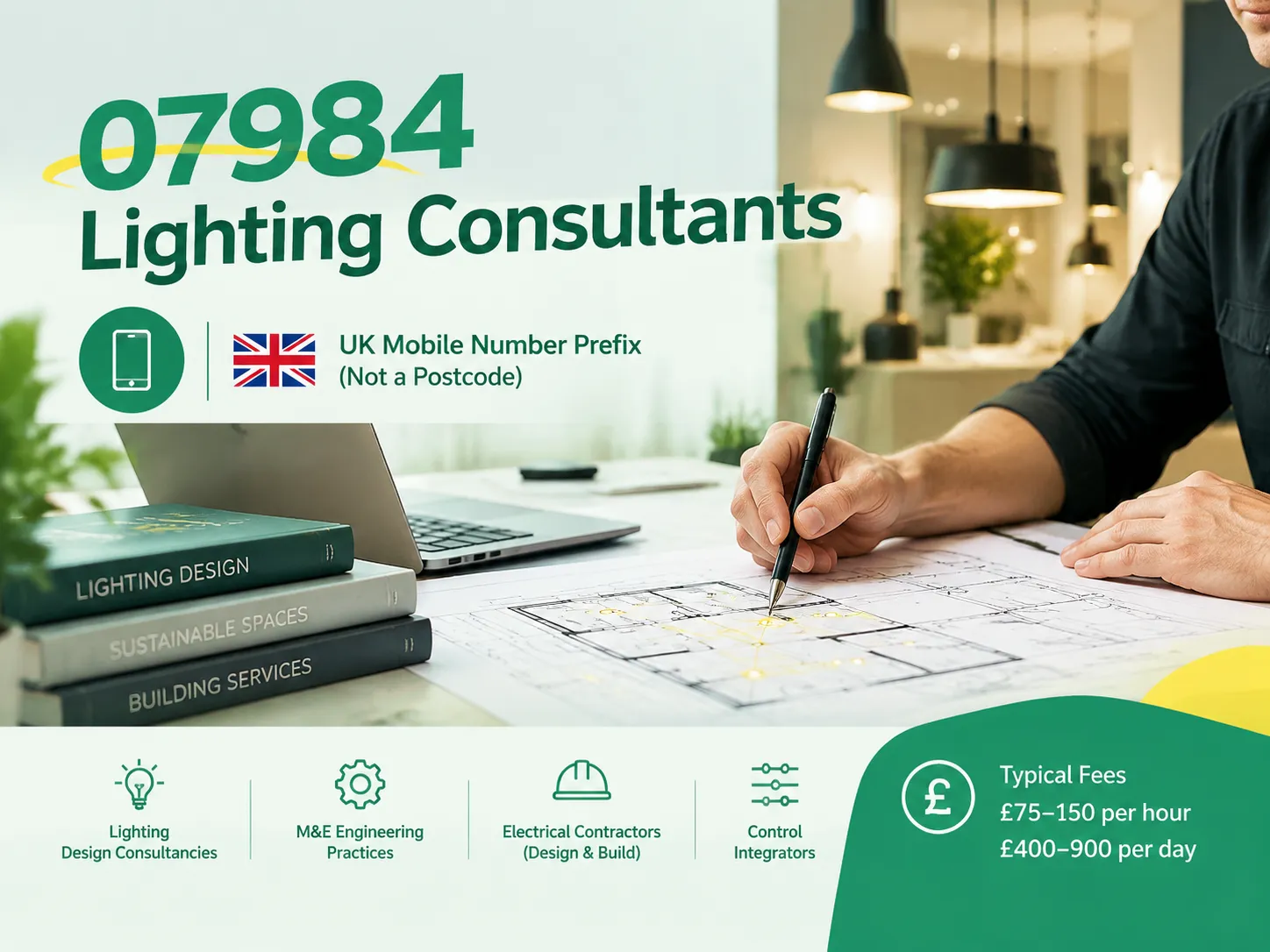
The term “07984 lighting consultants” gives people the impression that the five digits represent a postal code of some sort that indicates the place where lighting consultants provide services. This is, however, incorrect: there is no postal area coded 07984, which is only a code of mobile telecommunications in Great Britain. This means that the […]
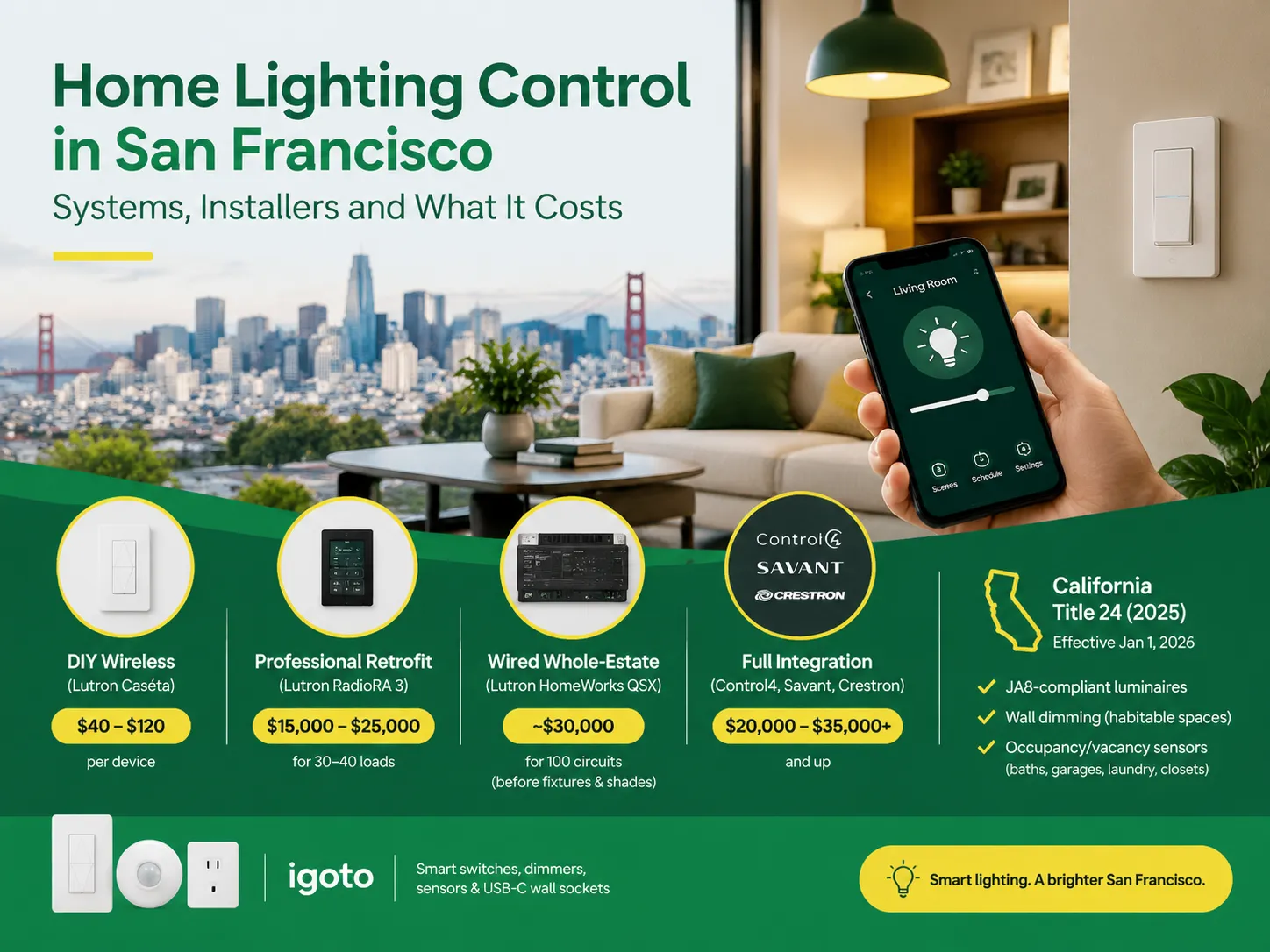
San Francisco is not the average lighting control market. The housing stock is old and dense, and the electrical code does not allow for as many electrical installations as is allowed almost anywhere else in the U.S. Most homes that want complex lighting are Victorian or Edwardian buildings where no one wants to start opening […]
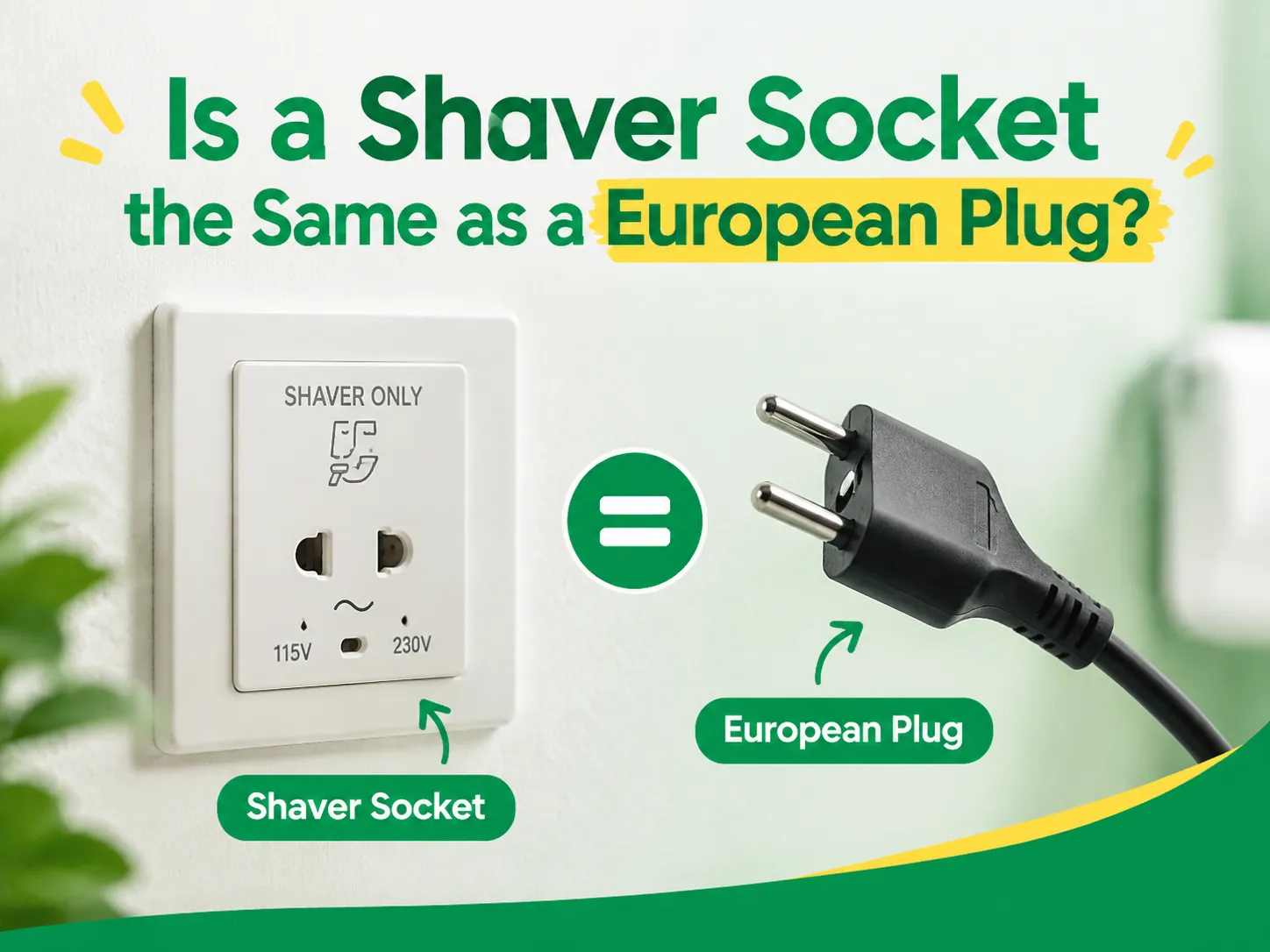
Although they seem to be alike, they both have a round shape with two pins, and they function at a voltage of 230V. This explains why some tourists use a European plug with a British shaver or wonder why a shaver cannot be plugged into a Schuko socket in a Spanish hotel. In reality, they […]

 No.6 Tuozhan Road, Leshang Pioneer Park,Yueqingwan Bay Harbor,Yueqing city,Zhejiang Province


