

The demand for electric switches and power management solutions will be stable from 2026 to 2035 due to extensive investments in residential construction, industrial developments, power grid improvements, and building automation.
It’s also becoming increasingly common for owners of properties and public utilities in both developed and developing countries to replace their old and dangerous wiring with new ones.
On the other hand, managers of commercial buildings are increasingly adopting control systems to manage HVAC and heavy machinery equipment.

There’s no doubt that the creation of switches and switchgear will take place simultaneously in the present-day installations with electricity.
The current market research by industry analysts such as Fortune Business Insights and MarketsandMarkets has shown the continuous development of these parts of the industry.
Due to the increased usage of energy and the move towards renewable energy sources, investments go into utility installations.
High, medium, and low voltage installations affect these constructions. Specialized switching devices are required at solar and wind power plants and grid stations.
| Segment | Driving Factors |
| Residential Switches | Suburban housing developments, urban high-rises, and home renovation projects. |
| Industrial Switches | Factory automation, heavy manufacturing facilities, and processing plants. |
| Smart Switches | Commercial building management systems (BMS) and smart home ecosystems. |
| Modular Switches | Modern commercial offices, hotels, and retail construction.Outdoor Switchgear: Driven by utility power distribution networks, solar fields, and wind farms. |
Each of the different regions has adopted a certain perspective with regard to market growth, resulting in an interesting scenario in the global context.
Asia-Pacific: This region is currently the top leader in terms of both production and consumption. China remains the center of manufacturing due to its electronics industry, supply chain management, and constant construction work on its infrastructure.
North America: In this region, the major focus has been on modernization of existing infrastructure in view of weather changes.
Europe: Energy efficiency and green manufacturing are of utmost importance for the European markets.
Several economic, technological, and regulatory factors heavily influence how manufacturers design, price, and distribute switches today.
Fluctuating prices for essential raw materials directly impact production costs. Since switches depend heavily on conductive metals like copper and silver, even high-grade engineering plastics, manufacturers must adjust their pricing structures to cover production costs.
Governments and other international organizations still keep raising the bar of safety standards.
That’s why buyers also expect products that meet rigorous international certifications, including:
Compliance with these standard sets helps contractors reduce installation risks, protect building occupants, and satisfy local building inspectors without delay.
Rising costs and government policies about the environment compel business owners to count every kilowatt consumed. Because of that, smart switches and control systems allow facility owners to have full command over their energy consumption levels and enable them to plan, manage, and save money.
While cost-sensitive consumers may look for the lowest possible prices, wholesale customers who work on commercial projects see things differently.
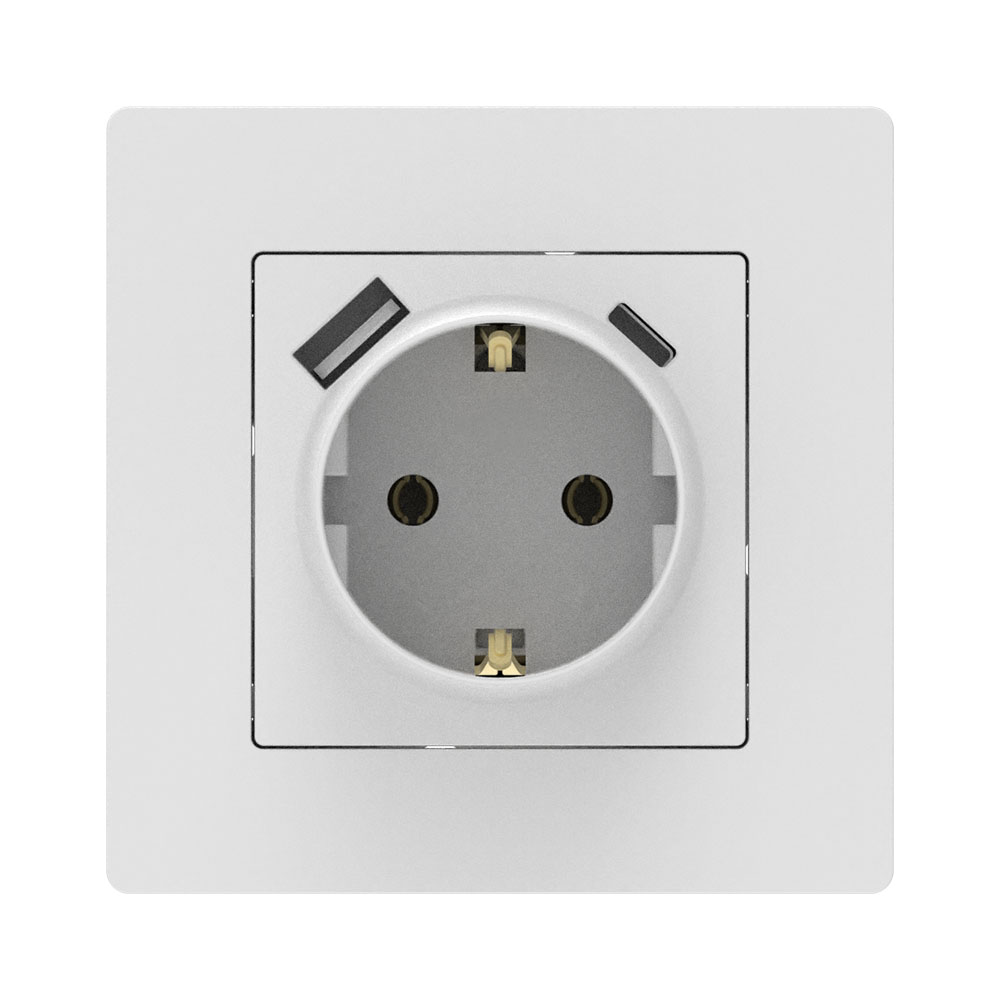
Explore our premium G3-121-A+C wall socket, designed for EU standards. Perfect for modern homes and offices.
View Product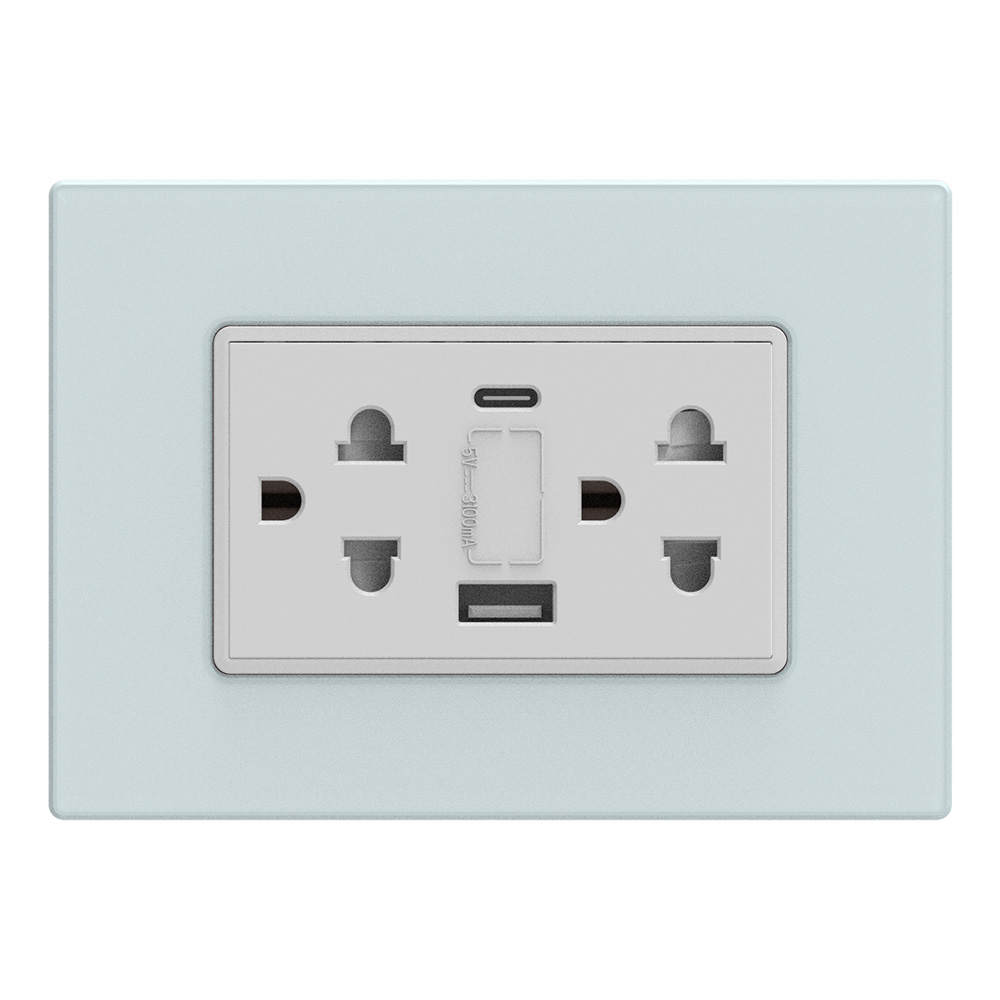
Check out our US Standard VA105D/2-U2 wall socket, built for safety and performance in any environment.
View ProductThe electrical wholesaling market is an intensely competitive environment in which the success of operations is dependent on three factors: competitive pricing, adequate stock, and timely deliveries.
In order to prevent delays in the overall process of construction and incurring of additional costs for wages, contractors demand that their wholesalers adhere to delivery schedules strictly.
Wholesale inventory commonly includes items like standard wall switches, modular systems, industrial disconnects, smart controls, and weatherproof outdoor enclosures.
Industrial clients also frequently request customized voltage ratings, specialized mounting gear, and heavy-duty protective housings.
To maintain supply chain stability, wholesale procurement teams partner with established manufacturers, like IGOTO, that have strong export experience, sustainable practices, and certified factory quality controls.
The industry is going to be dominated by three main trends over the next 10 years:
Switches are no longer simple mechanical breaks in a wire; they’re now integral components of smart power grids. That being said, facility managers can use software to track electricity consumption in real time.
Environmental regulations are driving factories to decrease their environmental impact, carbon footprint, and stop the use of toxic substances altogether. These trends directly affect product design, eco-friendly packaging, and manufacturing processes.
Issues of safety and increased energy prices are pushing property owners to modernize their obsolete buildings. The installation of new modular and smart switches in existing buildings presents great business opportunities both for advanced and developing countries.
Future prospects for the global electric switch market through 2035 will depend on a well-balanced combination of conventional construction, industry upgrades, and modern energy management systems.
Innovative manufacturers like IGOTO will be able to dominate the market by adhering to compliance, efficient logistics, and product efficiency in the years to come.
Looking for high-tech electrical switch solutions for your next project? Contact our technical support team today to discuss custom options, wholesale catalog details, and delivery schedules.
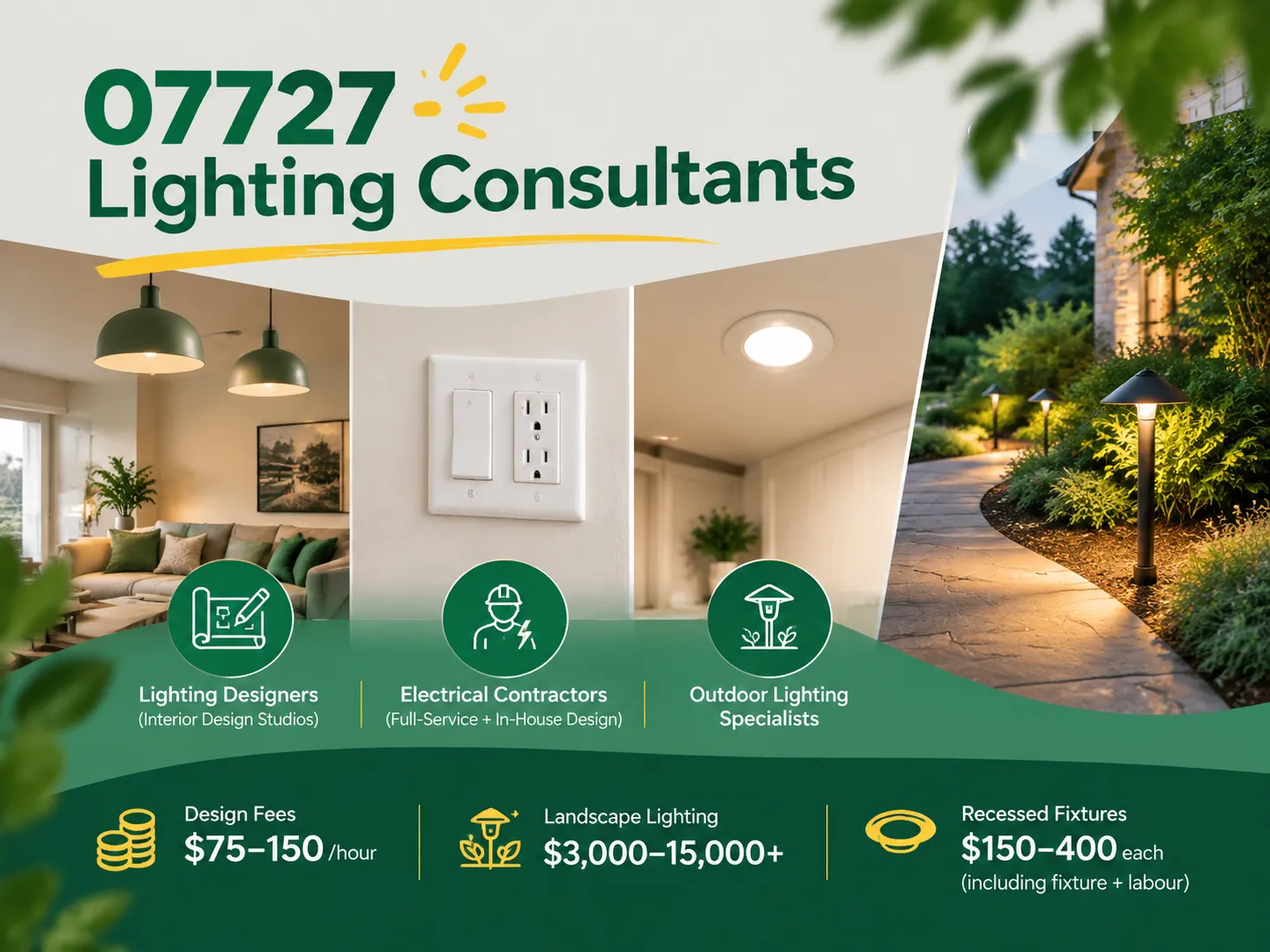
Farmingdale, along with parts of Wall Township and Tinton Falls, New Jersey, share the same zip code of 07727. Most of the houses built from the 1950s to the 1990s still exist today. Most of the homeowners are renovating their houses as opposed to building new homes. Homeowners tend to spend a lot more on […]

The term “07984 lighting consultants” gives people the impression that the five digits represent a postal code of some sort that indicates the place where lighting consultants provide services. This is, however, incorrect: there is no postal area coded 07984, which is only a code of mobile telecommunications in Great Britain. This means that the […]

San Francisco is not the average lighting control market. The housing stock is old and dense, and the electrical code does not allow for as many electrical installations as is allowed almost anywhere else in the U.S. Most homes that want complex lighting are Victorian or Edwardian buildings where no one wants to start opening […]

 No.6 Tuozhan Road, Leshang Pioneer Park,Yueqingwan Bay Harbor,Yueqing city,Zhejiang Province


