

Standard modules let you launch fast with low risk, using existing designs you can rebrand. Custom tooling costs $5,000-$20,000+ upfront and takes 6-12 weeks, but it makes sense when you’re moving serious volume and need unique designs that set you apart.
A standard module means you’re working with an existing factory design for the internal components. The manufacturer already has the molds, and the back box fits standard Australian dimensions. You can customize the faceplate design, pick your colors, add your logo, and package it however you want, but the underlying structure stays the same.
Standard modules save you money because there’s no tooling cost. You can get to market in days or a few weeks, which means you’re not tying up capital in molds while testing whether products sell. The risk stays low since you’re not locked into massive production runs.
Custom tooling takes a different path. Everything gets designed specifically for your brand, which gives you an exclusive appearance that competitors can’t copy. Custom tooling typically costs $5,000 to $20,000+ for basic plastic components and takes 6-12 weeks or more to develop.
If your annual purchase volume isn’t huge yet and you’re still testing different SKUs, standard modules make sense. You’re focused on launch speed and cash flow.
Your sales channels probably include price-sensitive electricians, e-commerce platforms, and renovation contractors. These buyers care about appearance to some degree, but they’re not demanding fully original designs. They want reliable products at competitive prices that meet Australian standards.
Here’s how it typically plays out:
Take IGOTO’s PB1S 10A single base as an example of what standard modules offer. It uses PC material that meets Australian standards with SAA certification, which means you can rebrand it and launch quickly without waiting months for custom tooling development.
Custom tooling makes sense when you have established sales channels and a large annual volume. We’re talking tens of thousands to hundreds of thousands of units per series per year. The upfront tooling cost gets spread across enough units to make the per-unit cost negligible.
Your brand wants to clearly differentiate itself from Clipsal and HPM. Your target customers look different:
These buyers have higher expectations for appearance and tactile quality. The Australian market’s moving toward premium products with slimmer profiles and metal finishes. Prices for premium sockets range from $25 to $50+ compared to standard sockets at $3-10, which means the margin potential justifies investment.
When your product looks distinctly different, competitors can’t just order the same thing from another supplier. HPM shows how this path works. They started with basic plug-tops, then graduated to custom tooling as their volume grew, which let them command better margins.
Here’s how the universal module vs custom mold wall socket decision breaks down:
| Factor | Standard Module | Custom Tooling |
| Upfront Investment | Little to no tooling cost | $5,000-$20,000+ for basic designs |
| Time to Market | Days to a few weeks | 6-12+ weeks for mold development |
| Minimum Volume | Low (can start with hundreds) | High (typically 10,000-100,000+ units) |
| Design Flexibility | Limited to faceplate variations | Full control over structure and appearance |
| Certification | Faster (uses existing approvals) | Slower (requires full re-certification) |
| Per-Unit Cost | Higher unit cost, low total investment | Lower unit cost at volume, high initial investment |
| Market Testing | Easy to test and pivot | Difficult to change once tooling is made |
| Best Fit Channels | Trade, e-commerce, contractor sales | Designer showrooms, premium residential |
The break-even calculation matters here. Custom tooling typically needs 10,000 to 100,000+ units to make financial sense. At lower volumes, the amortized cost per unit stays too high to compete.
When you’re trying to figure out how to choose OEM vs ODM 3-pin socket approaches, start with your current sales volume.
Standard modules work best when:
Custom tooling makes sense when:
Your certification timeline also plays a role. Custom mould 3-pin power point designs require full testing to Australian standards, which adds both cost and time. Standard modules leverage existing certifications, so you skip that entire process.
Your target channels matter too. If you’re building a private label 3-pin GPO for distributors focused on trade sales, standard modules with strong branding often deliver better ROI because these channels prioritize price over unique design. Distributor margins in electrical typically run 5-7% gross, so pricing discipline matters more than appearance.
But if you’re targeting designer showrooms where appearance drives purchase decisions, custom tooling creates defensible differentiation. When you customize Australian power point design with unique features, you can command the premium pricing these channels support. The Australian wall socket market is growing toward premium segments, which means differentiation through custom design carries more value than it did five years ago.
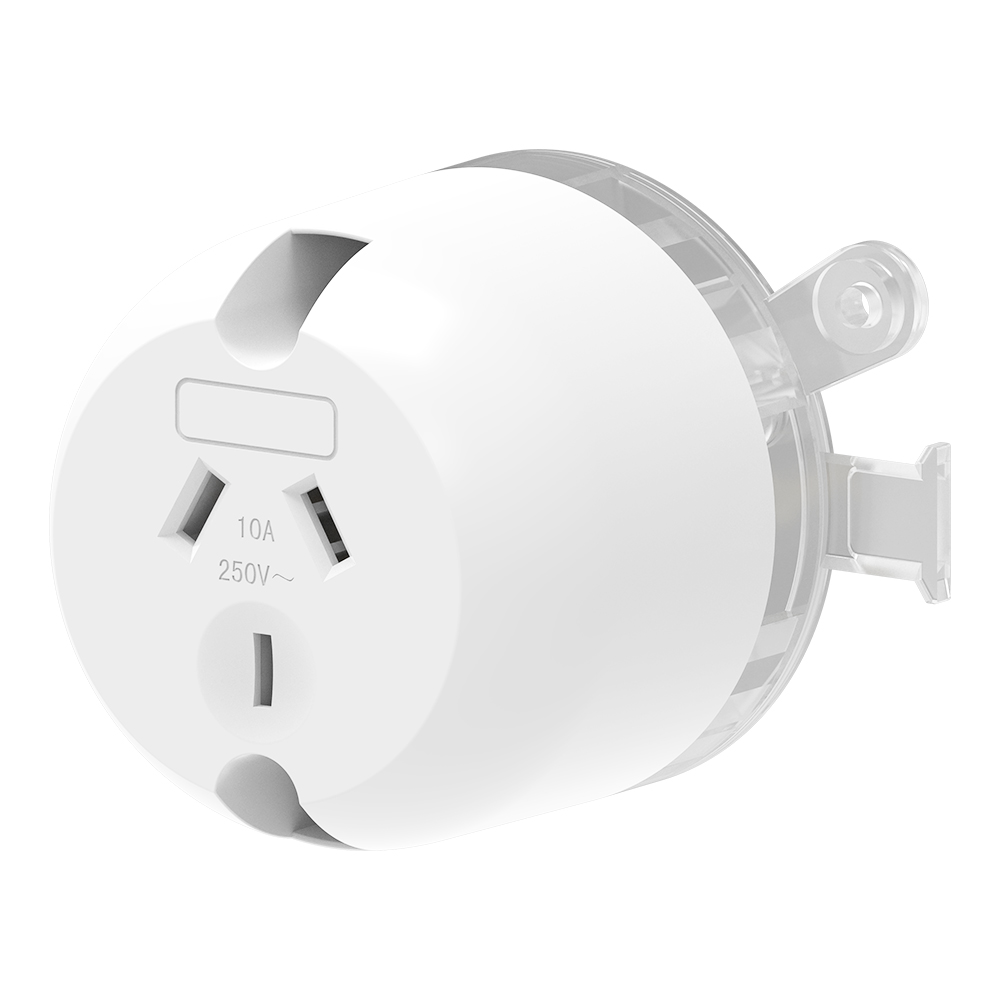
The PB1S is a top-tier power switch designed for both residential and commercial use, adhering to Australian standards (AS/NZS).
IGOTO has 25 years of experience manufacturing OEM ODM Australian wall socket products, which means we understand both paths.
For standard modules, we offer:
For custom tooling, we provide:
Share your annual purchase volume, sales channels, and target price level with us. We can recommend the path that makes financial sense for your strategy, whether you’re testing with standard modules or ready to invest in exclusive tooling.
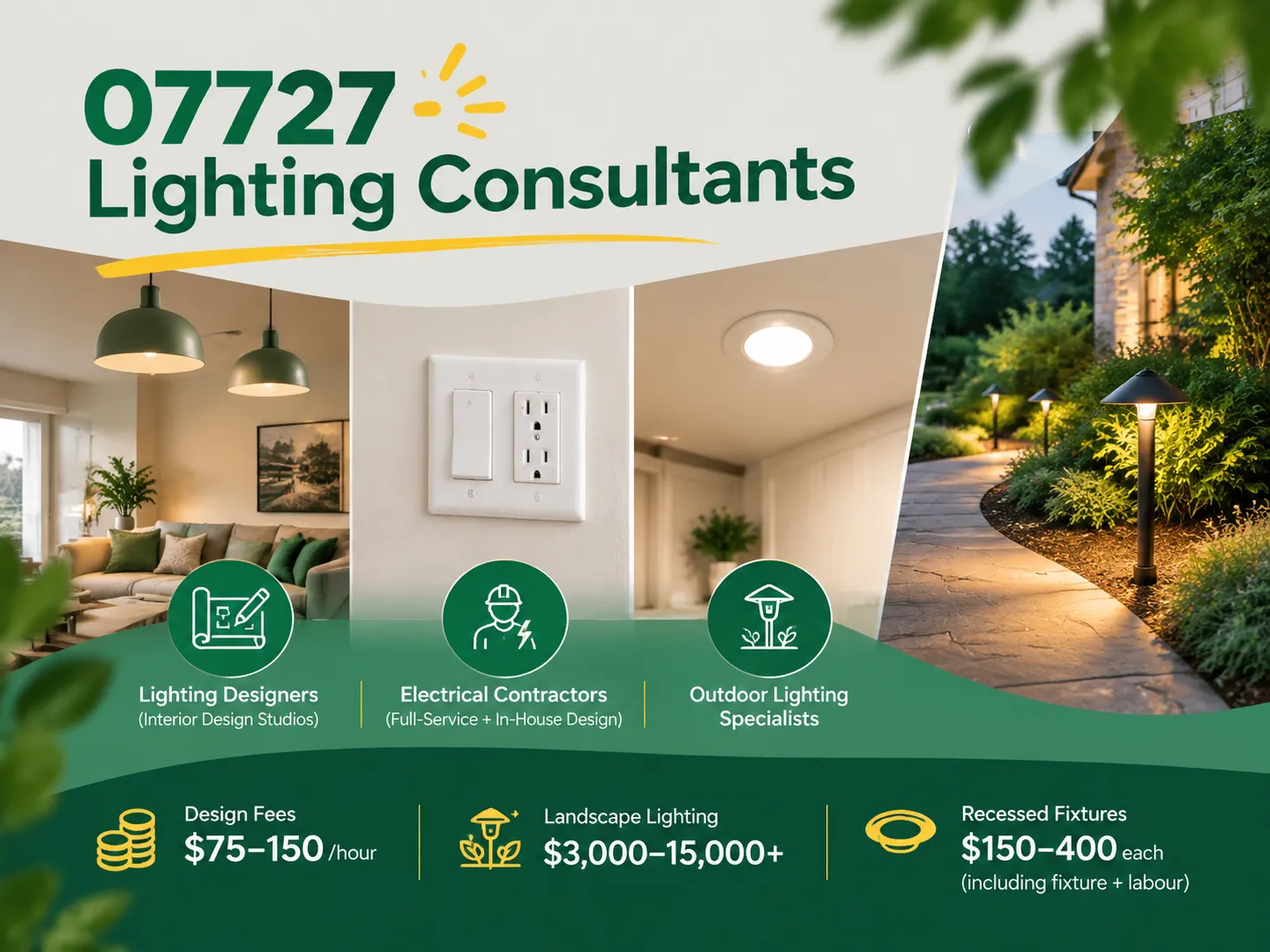
Farmingdale, along with parts of Wall Township and Tinton Falls, New Jersey, share the same zip code of 07727. Most of the houses built from the 1950s to the 1990s still exist today. Most of the homeowners are renovating their houses as opposed to building new homes. Homeowners tend to spend a lot more on […]
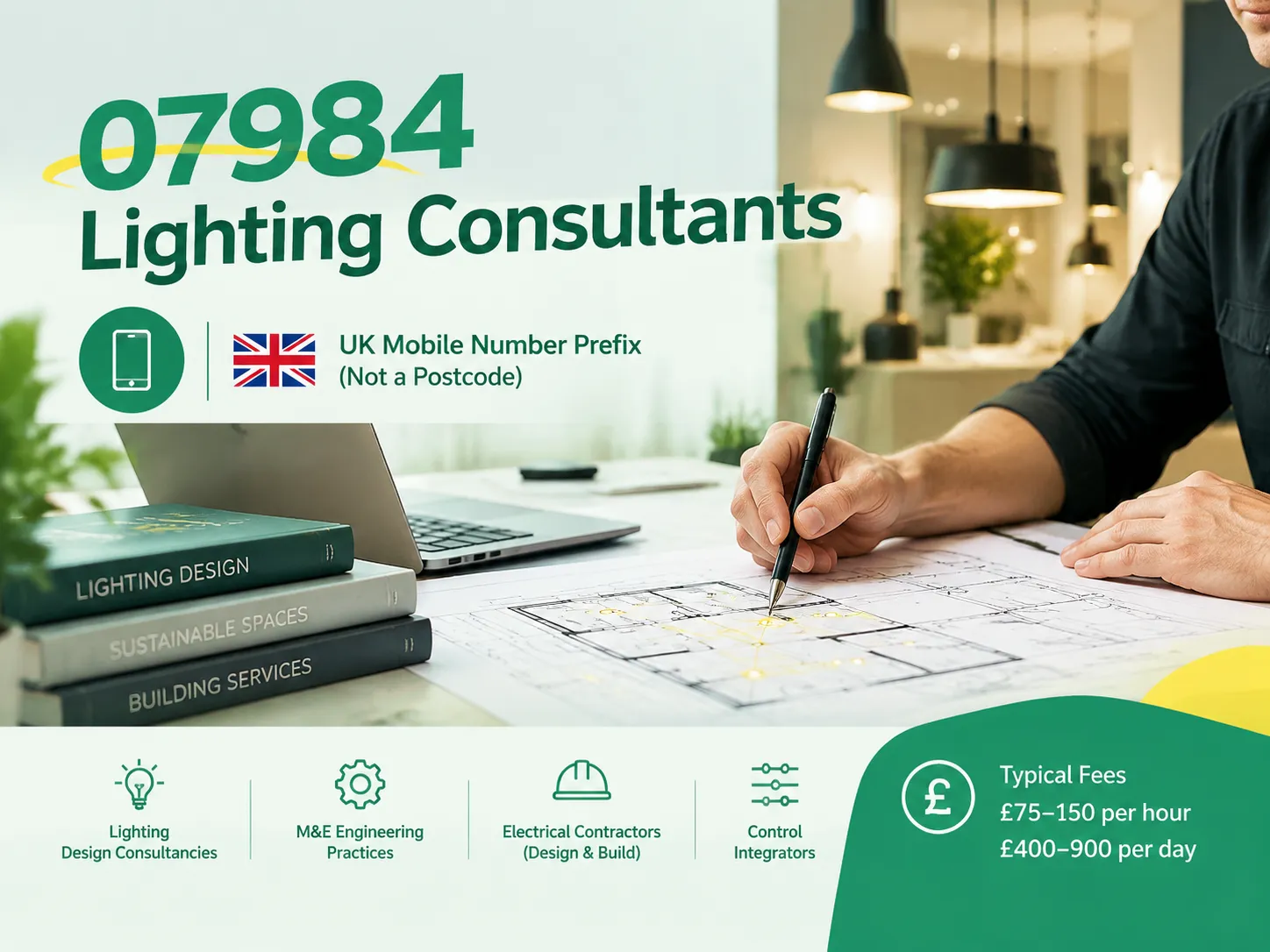
The term “07984 lighting consultants” gives people the impression that the five digits represent a postal code of some sort that indicates the place where lighting consultants provide services. This is, however, incorrect: there is no postal area coded 07984, which is only a code of mobile telecommunications in Great Britain. This means that the […]
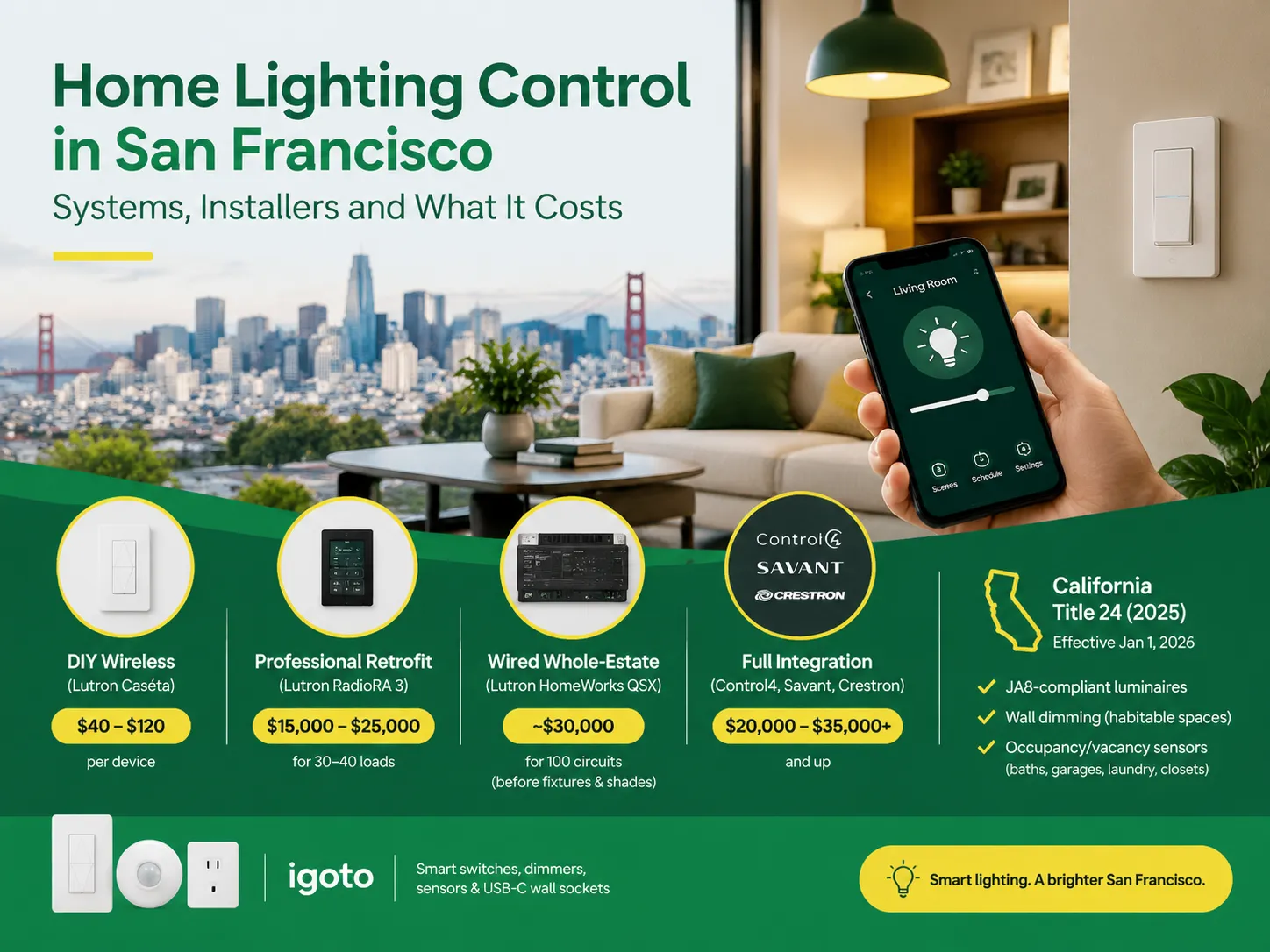
San Francisco is not the average lighting control market. The housing stock is old and dense, and the electrical code does not allow for as many electrical installations as is allowed almost anywhere else in the U.S. Most homes that want complex lighting are Victorian or Edwardian buildings where no one wants to start opening […]

 No.6 Tuozhan Road, Leshang Pioneer Park,Yueqingwan Bay Harbor,Yueqing city,Zhejiang Province


