

Type A wall outlet typically has two flat parallel prongs, whereas Type C has two round pins. Type A sockets in conjunction with Type C sockets are mostly found in North and Central America and Europe, Asia, and Africa respectively. This way of classifying these sockets reveals some differences in their use, thereby affecting how they work depending on some factors.
Type C Socket is known as the Europlug due to its design that consists of round pins which are commonly used throughout Europe and also in the rest of the world such as Africa and Asia. The design is easy and comfortable to use which ensures that the Type C plug is widely accepted in many countries around the globe.
Type A Socket is distinguished by the two flat pins, mostly used in Central and North America. The Type A Socket is the simple wall socket which provides easy connection of all the electrical devices. This type of socket has been globally accepted and has become classic wall socket for many North American electrical appliances.
Type C wall outlets are easily recognizable from the fact that they contain two round pins measuring 4.0mm in diameter and 19mm apart. Its simple design does not include a grounding pin which is what makes this plug type a compact design which is popular and used universally. A variety of Type C wall socket shapes and sizes are available which allows it to work with multiple devices. Round pin mechanism guarantees safety while eliminating the chance of malfunctioning due to poor contacts.
Type A outlet has a design featuring two flat pins placed parallel to each other at a distance of 12.7mm. It is simple and can be easily recognized as it does not include any grounding mechanism. Type A wall sockets are generally available in the most common styles and often manufactured flush with the wall. The simplicity of the design allows them to be produced easily and further contributed to the popularity of Type A wall sockets across North and Central America.
The primary distinction lies in the arrangement of pins of the Type A connector and the Type C connector. While Type A connectors incorporate two flat, parallel pins, Type C connectors contain two round pins.
Type C plugs can easily connect to any Type C outlet. As Type C plugs can work synergistically with other types of connectors through the use of adapters, this type of plug can be used anywhere without a hitch.
Type C plug cannot be plugged into Type L socket directly. Type L socket has three round pins, while the Type C connector has only two.
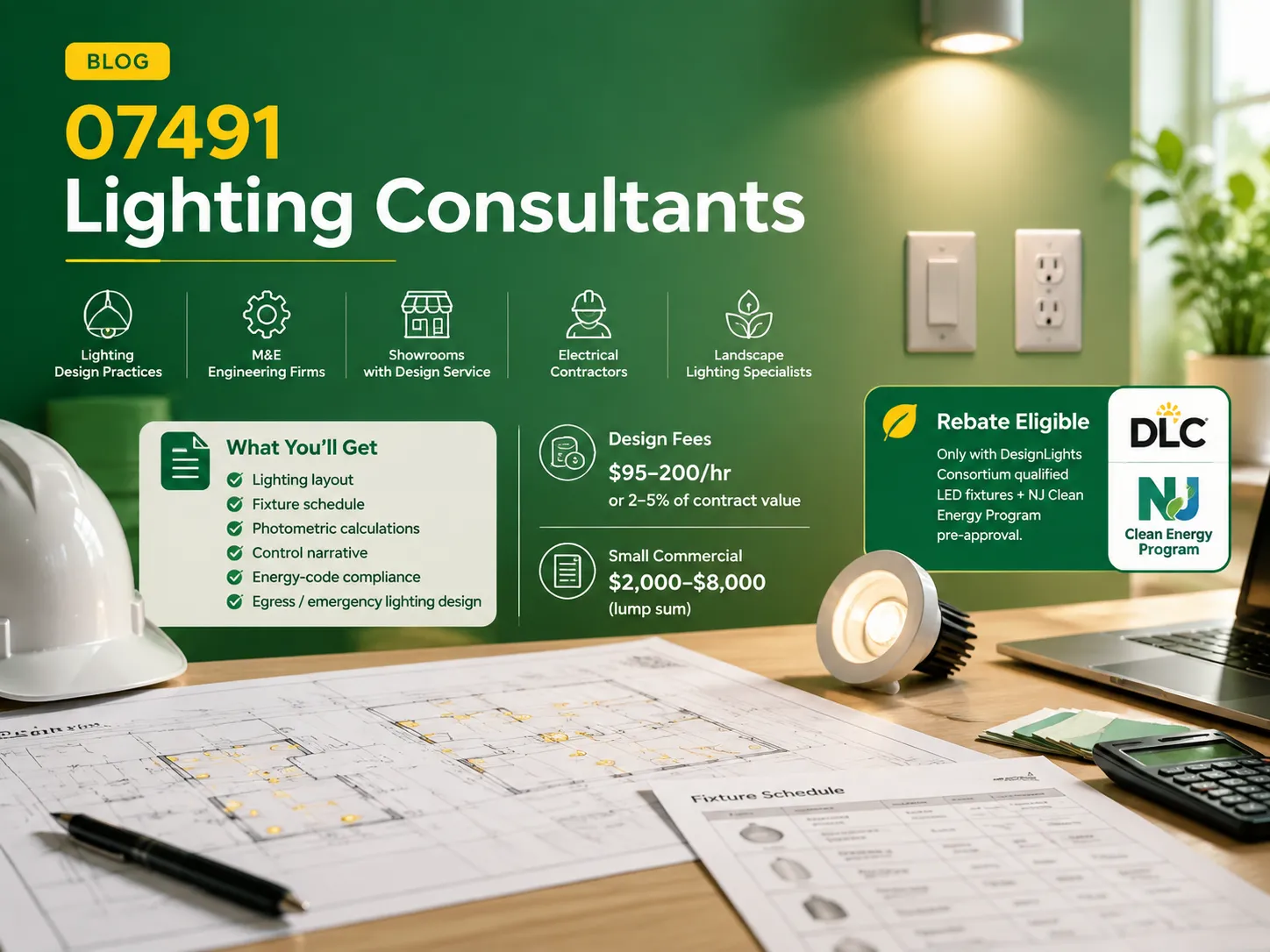
If you need assistance with lighting in the 07491 region, is essential to ask two crucial inquiries: who is operating nearby and how much is charged for the services. Concerning the first question, one can easily find the answer regarding the facts and figures because the market in northern New Jersey is not so broad. […]
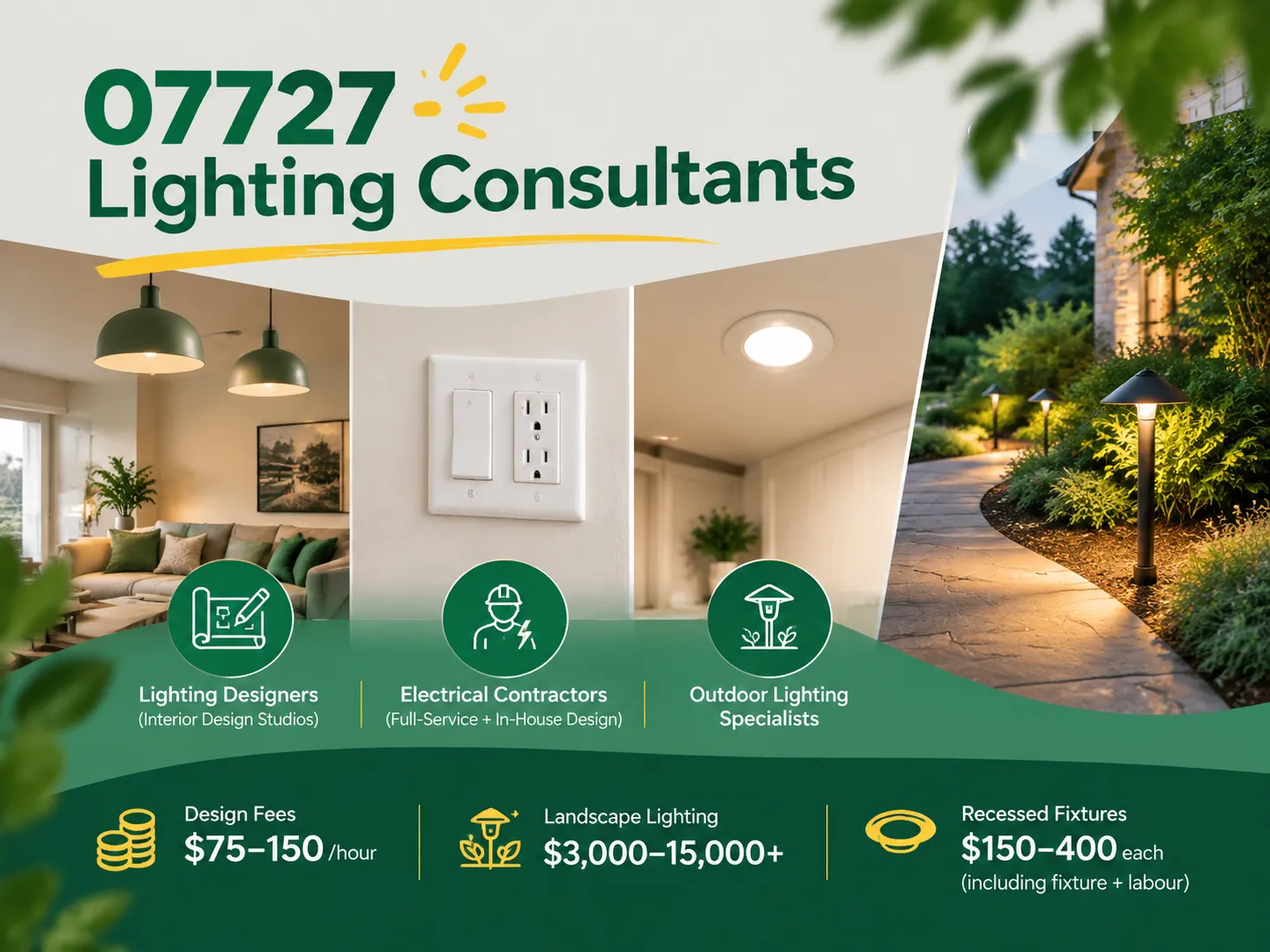
Farmingdale, along with parts of Wall Township and Tinton Falls, New Jersey, share the same zip code of 07727. Most of the houses built from the 1950s to the 1990s still exist today. Most of the homeowners are renovating their houses as opposed to building new homes. Homeowners tend to spend a lot more on […]
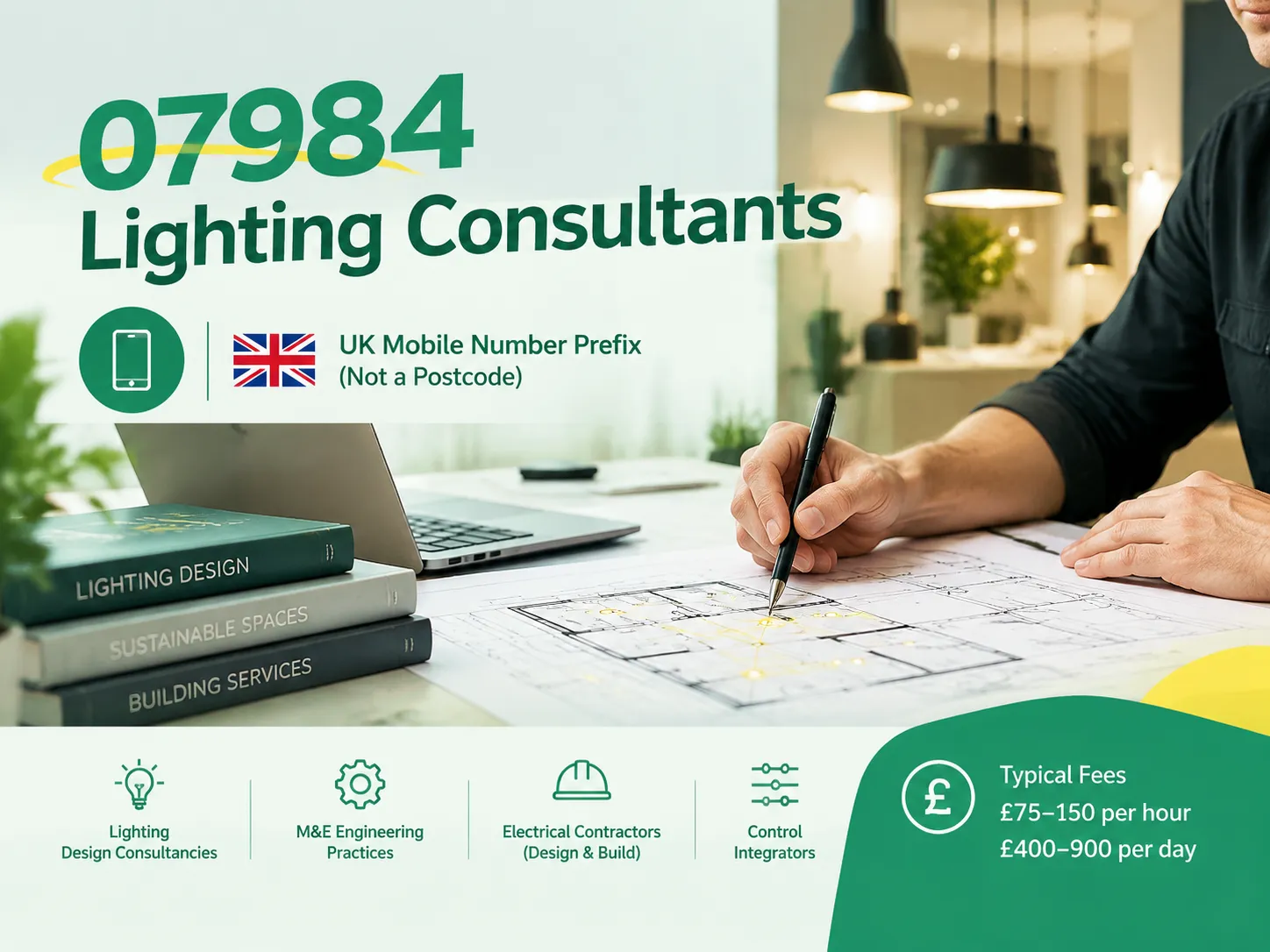
The term “07984 lighting consultants” gives people the impression that the five digits represent a postal code of some sort that indicates the place where lighting consultants provide services. This is, however, incorrect: there is no postal area coded 07984, which is only a code of mobile telecommunications in Great Britain. This means that the […]

 No.6 Tuozhan Road, Leshang Pioneer Park,Yueqingwan Bay Harbor,Yueqing city,Zhejiang Province


