

Outlets sparking when you plug something in could indicate an electrical problem.
They usually happen by an aged outlet, a short circuit, overloading, or other factors.
Understanding the causes is critical for both your safety and the longevity of your electronic devices.
Continue reading to learn about some of the reasons for outlets sparking and when you should take action.
Outlets sparking are due to a variety of causes, including short circuits, environmental variables, aging outlets, or circuit overload.
Below is a more detailed explanation:
Older outlets have more flawed insulation or broken components inside, such as frayed and torn wires.
This increases the potential of outlets sparking when you plug in a device.
Plugging too many electronics into a single outlet might overload the circuit and cause the outlets to spark.
This happens when a high amount of electric current flows into the socket, causing the wires to heat up and experience thermal expansion or melted insulation.
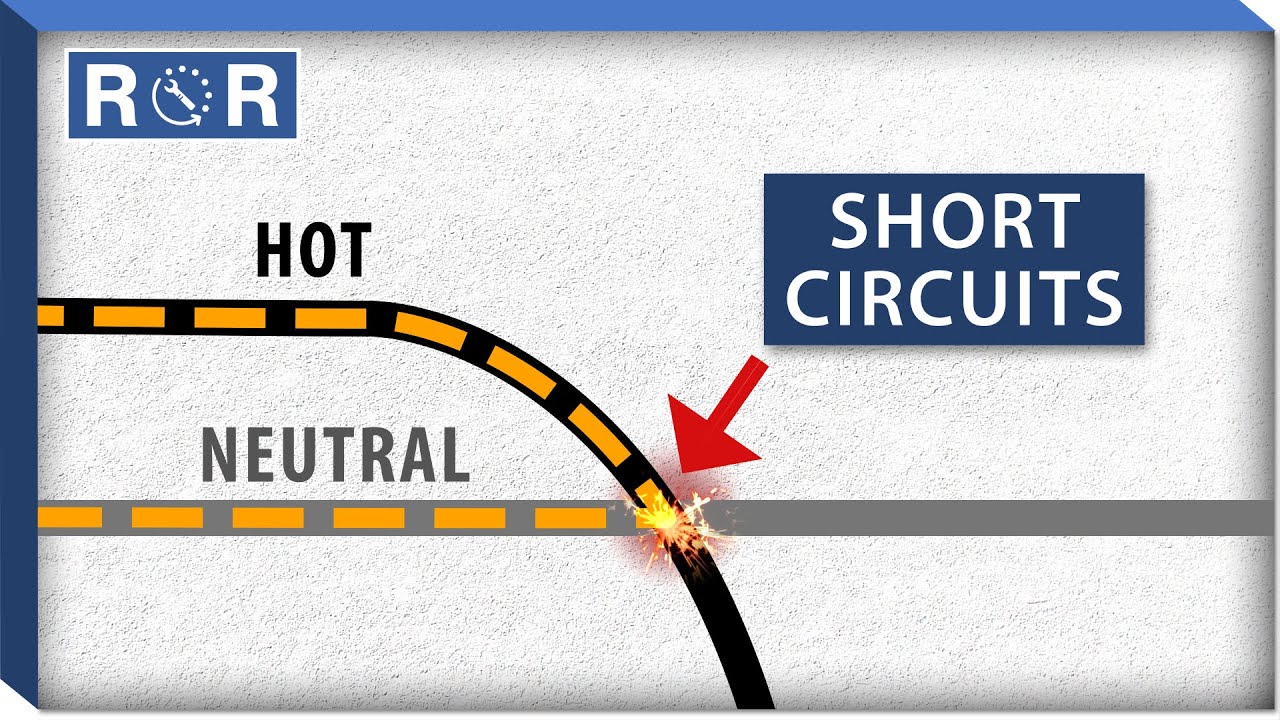
When a hot wire comes into contact with a neutral wire or another conductive surface, it forms a short circuit.
This is most likely due to loose wires or worn-out insulation around them.
As a result, electricity takes an unintended path that has little resistance to control its flow properly.
Causing a sudden surge of power that led to electric arcing and outlets sparking.
Dust and dirt can carry electricity, especially when damp or mixed with moisture.
As a result, it may generate short circuits through dust.
This creates unwanted electric routes that cause electronic damage.
High humidity can also lead to outlets sparking as it damages the wires.
It can also disrupt electrical flow as a conductor, allowing energy to reach other conductive surfaces within the circuit.
Normal outlets sparking is common when connecting or unplugging a device.
Since it creates a brief surge in electricity when the connection is made or discontinued.
They’re simply more rapid and colored blue rather than white or yellow.
This happens frequently when connecting appliances that consume more electricity, such as motors.
If the spark is large, smells like burning plastic or you see smoke, you should cut off the power and inspect your connections immediately.
It indicates the sparks are a sign of outlets overheating, which can cause the wiring insulation to melt.
Take note if you constantly hear a long buzzing or popping sound, this means loose wiring or other issues such as incorrect installation.
Lastly, check the outlet to see if there are any scorch marks.
Because it shows that the outlets’ sparking is strong enough to overheat the outlet or melt the materials.
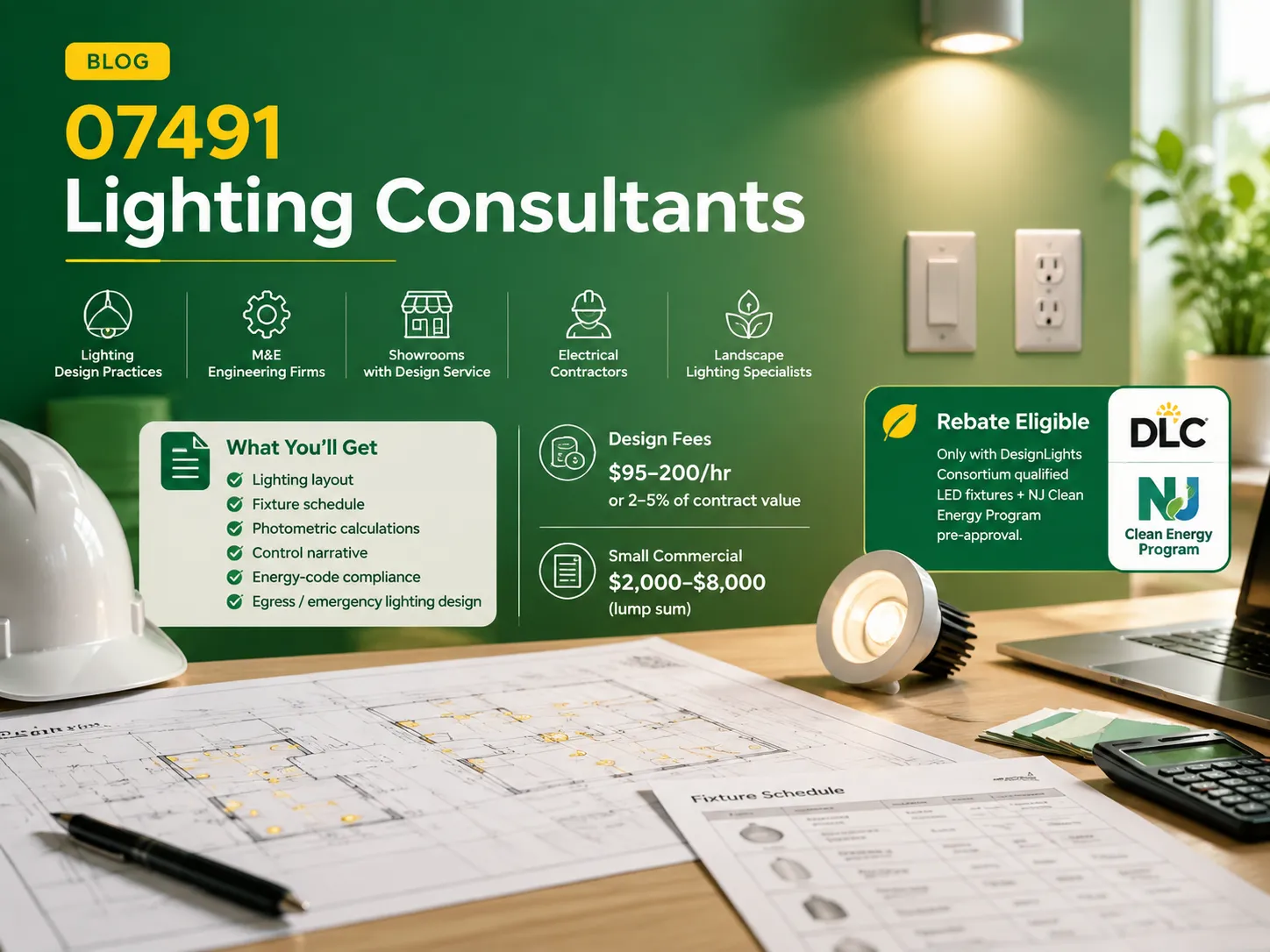
If you need assistance with lighting in the 07491 region, is essential to ask two crucial inquiries: who is operating nearby and how much is charged for the services. Concerning the first question, one can easily find the answer regarding the facts and figures because the market in northern New Jersey is not so broad. […]
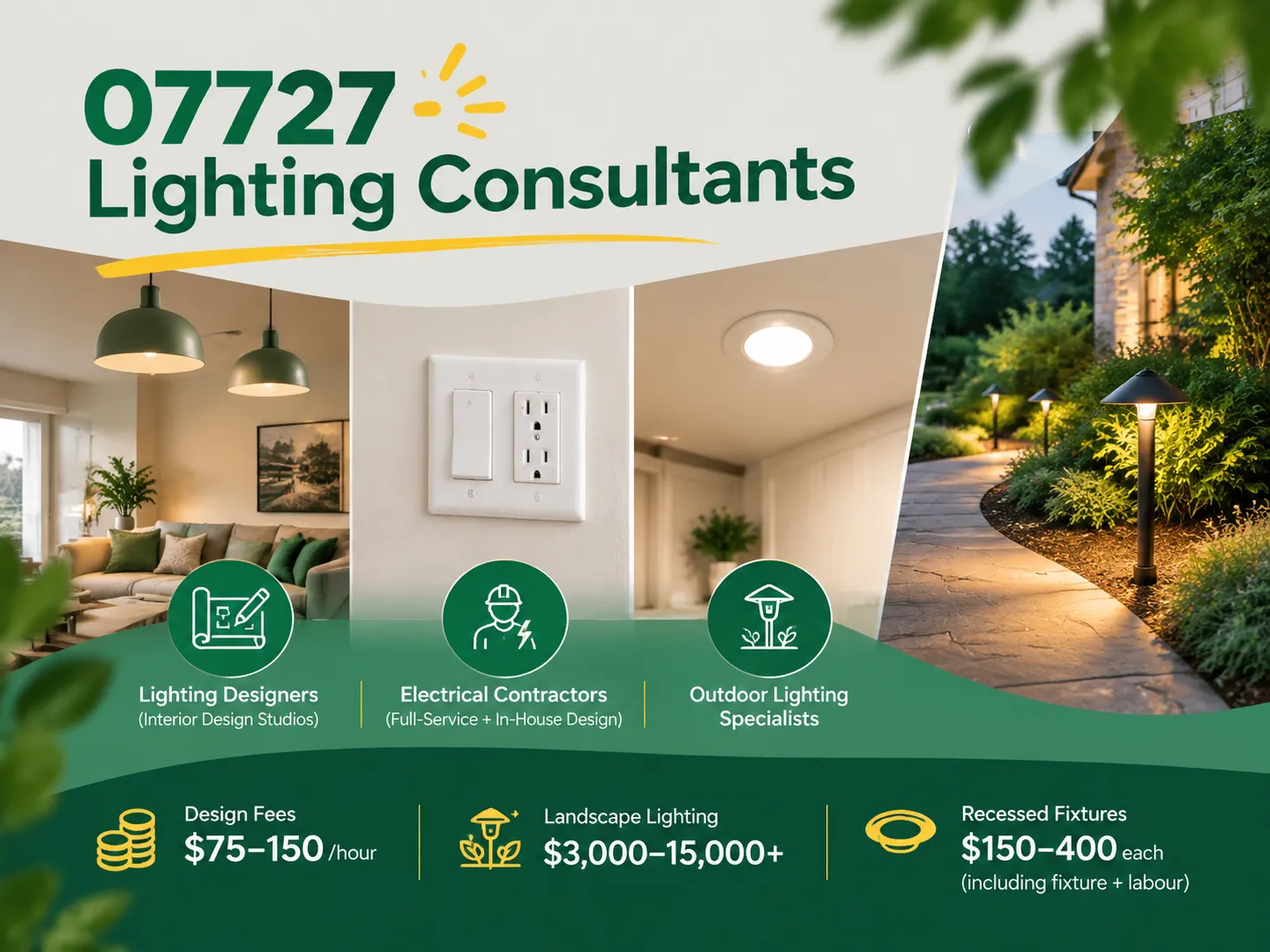
Farmingdale, along with parts of Wall Township and Tinton Falls, New Jersey, share the same zip code of 07727. Most of the houses built from the 1950s to the 1990s still exist today. Most of the homeowners are renovating their houses as opposed to building new homes. Homeowners tend to spend a lot more on […]

The term “07984 lighting consultants” gives people the impression that the five digits represent a postal code of some sort that indicates the place where lighting consultants provide services. This is, however, incorrect: there is no postal area coded 07984, which is only a code of mobile telecommunications in Great Britain. This means that the […]

 No.6 Tuozhan Road, Leshang Pioneer Park,Yueqingwan Bay Harbor,Yueqing city,Zhejiang Province


