


There are various key distinguishing points between a two-way switch and an intermediate switch, but if there’s just one difference that will allow you to identify which best suits your needs, it is their distinctive functionality in a lighting circuit.
Learn more about these differences in this knowledge base that will seek to tackle the following:
Also referred to as a Single-Pole Double-Throw switch, a two-way switch lets you control a light, lighting fixture, or appliance from two different locations.
So, how do 2-way switches work? For instance, when a person does not need to return to the same place where they switched on the lights, a switch 2-way style champions convenience.
They are often used on a staircase or a large room with switches by each door. In other words, 2 switches control one light.
Meanwhile, what is the intermediate switch all about? By looking at a 2-way and intermediate switch wiring diagram, you will realize that intermediate switches, as their name implies, control a light or appliance from not one, not two, but three or more locations.
An intermediate switch is used in areas that need light control from various points, such as landings, stairwells, or large rooms. A two-way switch is more common in residential spaces, while the latter is mostly found in industrial or commercial settings.

The primary difference between these two is the way they are used in combination with other switches. Don’t be confused to know that when there are over two switches on a single lighting circuit, one of those must be an intermediate switch, as previewed above.
Intermediate switches are usually placed in a circuit’s middle area, between the two-way switches. They allow you to switch lights on and off while still making it possible to utilize the other switches.
On the other hand, a two-way switch can work in conjunction with another switch of this kind, provided they are both within just one circuit, enabling both switches to turn the light circuit on and off. A two-way switch is always at the end of the circuit.

Of course! But the IGOTO team would have to clarify certain points in here. It is possible, for sure, but internal workings can be complex, and intermediate switches can be more expensive, so it is sensible to utilize them when intermediate switching is a must.
Are you looking for where you can find high-quality switches and sockets? Look no further than at IGOTO. Our company provides these for worldwide markets. So, whether you are in Asia, the Americas, Europe, or wherever, we can offer you the products that match what you need.
Our switches are equipped with features that make it easier for you to include them in a two-way or intermediate switch setup. Find out whether our catalog is compatible with your spaces. Coordinate with our team today.
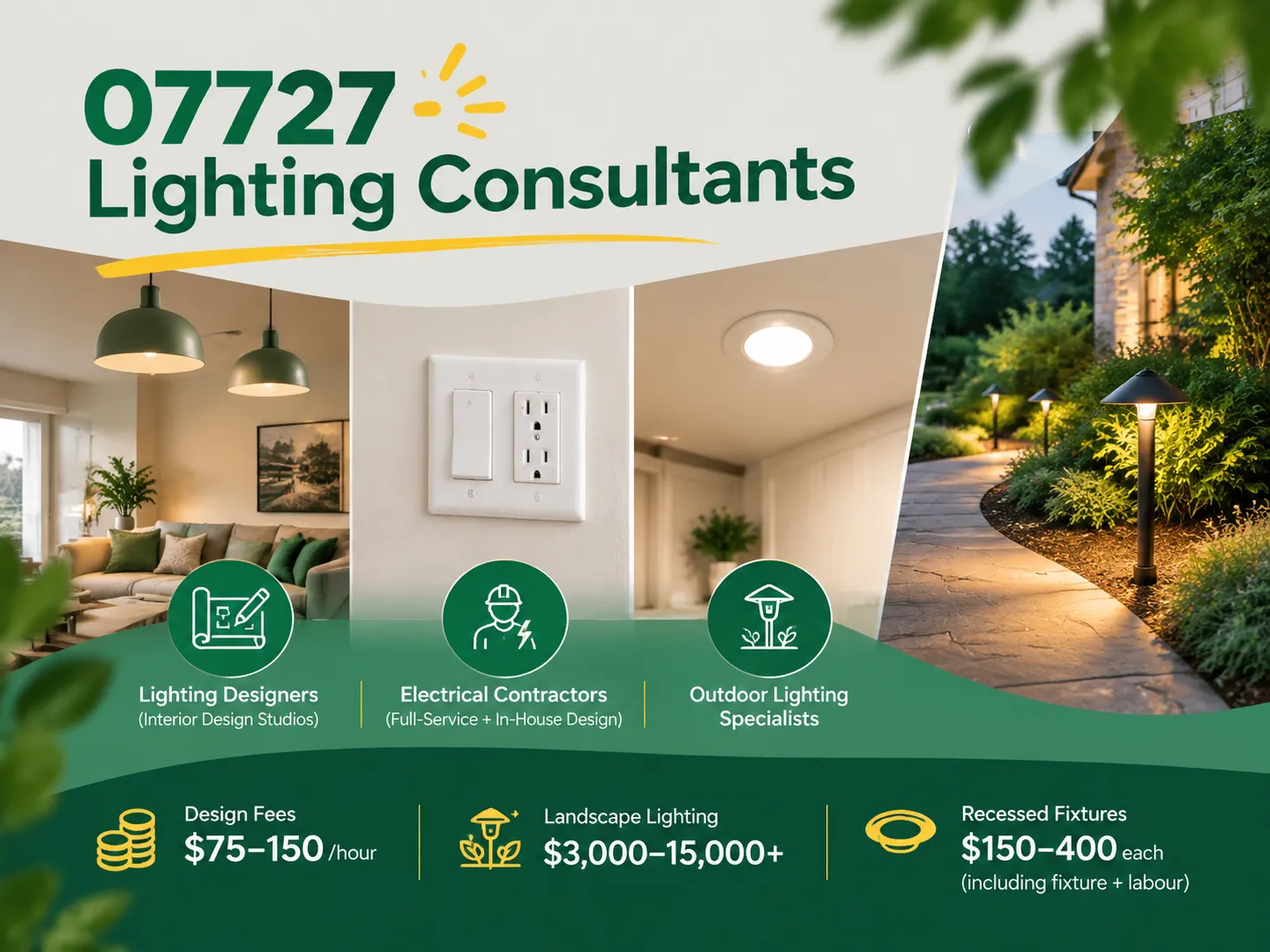
Farmingdale, along with parts of Wall Township and Tinton Falls, New Jersey, share the same zip code of 07727. Most of the houses built from the 1950s to the 1990s still exist today. Most of the homeowners are renovating their houses as opposed to building new homes. Homeowners tend to spend a lot more on […]

The term “07984 lighting consultants” gives people the impression that the five digits represent a postal code of some sort that indicates the place where lighting consultants provide services. This is, however, incorrect: there is no postal area coded 07984, which is only a code of mobile telecommunications in Great Britain. This means that the […]
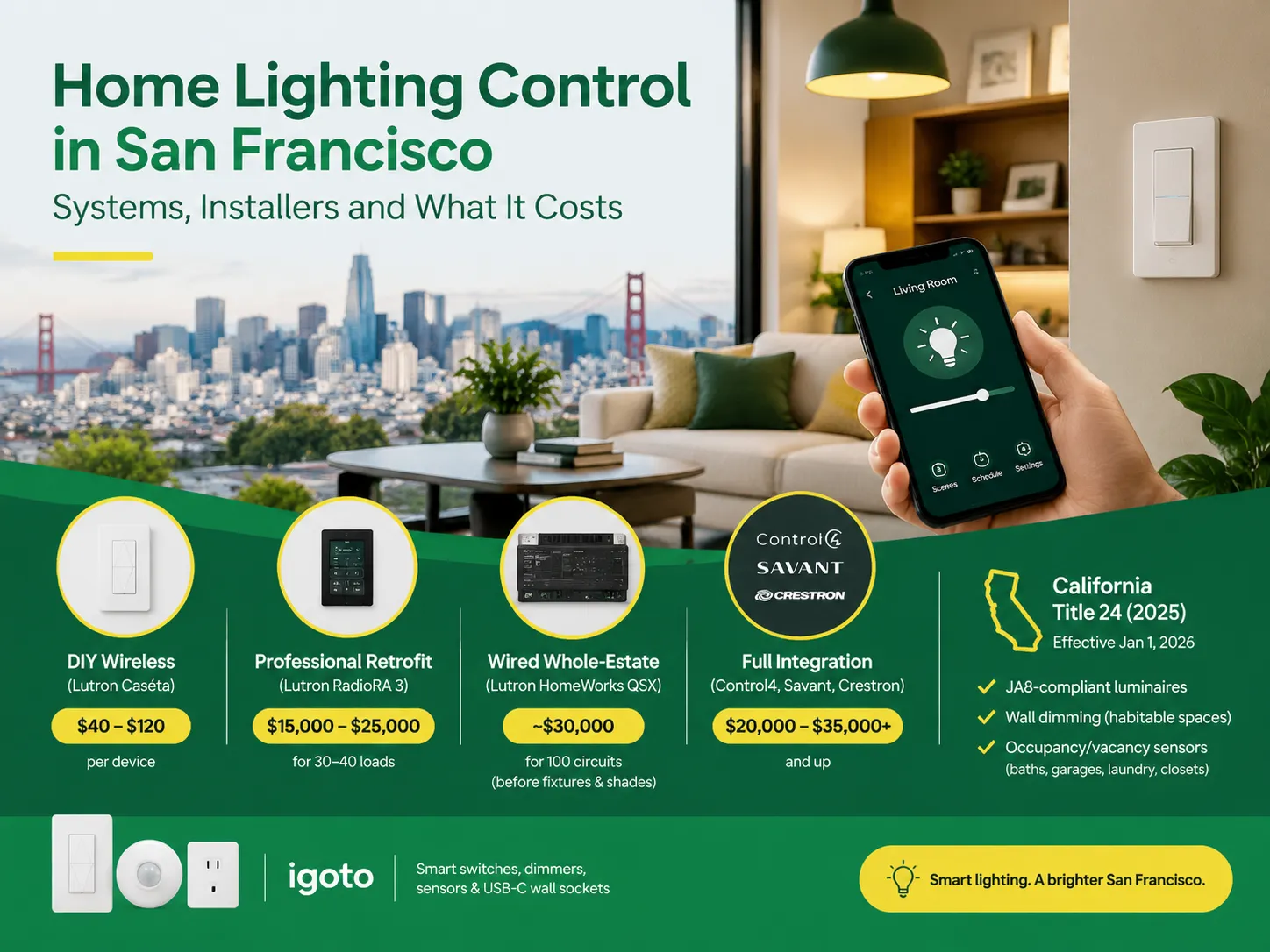
San Francisco is not the average lighting control market. The housing stock is old and dense, and the electrical code does not allow for as many electrical installations as is allowed almost anywhere else in the U.S. Most homes that want complex lighting are Victorian or Edwardian buildings where no one wants to start opening […]

 No.6 Tuozhan Road, Leshang Pioneer Park,Yueqingwan Bay Harbor,Yueqing city,Zhejiang Province


