

An outlet with USB-C is a wall socket that has built-in USB-C ports which means that you can charge and power devices via their USB-C cable plugged into the USB-C port. They provide convenience and allow fast charging and data transmission, and are perfect for your modern electronic devices. With USB-C wall sockets, you will have the benefit of a wall socket with both traditional AC power and a USB connection for maximum performance and efficiency in your home or office.
USB-C’s design has an oval shape with a combination of 24 pins that are designed for a Dual Directional Configuration so that you can plug it in any way. This makes the USB-C connection unique and easy to identify. The size of the USB-C connector is smaller than the current USB-A and USB-B connectors.
The USB-C outlet is intended primarily for providing electrical power and the ability to transmit information between devices that support USB-C, such as mobile phones, tablets, computers, etc. By using USB-C, you will no longer need adapters or have multiple charging devices, making it easier to charge your devices and/or computers.
USB-C wall sockets are worth the price because they enable quick charging and less cable clutter. Plus, because they are capable of transferring large amounts of data at a very high speed, they make a great addition to any modern house or office. Additionally, because of their ease of use and effectiveness, they’re an excellent investment for your home or business.
Provided that USB wall sockets are installed properly and comply with established electrical safety standards, they are safe. They come equipped with built-in protection against overcurrent, overvoltage, and short-circuit conditions, which helps you charge your devices safely. Always make sure to purchase only certified, tested USB wall sockets so that you can ensure their safe performance and reliability.
Most often, when referring to USB connectors, people are referring to the older USB-A and USB-B connectors, which are not reversible and have a different pin configuration than USB-C. USB-C connectors are the newest of all connectors. USB-C connectors have a symmetrical design that allows for higher data transfer rates and power delivery capabilities. USB-C connectors also have the capability of supporting video output, giving them a higher degree of versatility than traditional USB connectors.
Type C wall sockets are designed to connect directly to a USB-C connector, while USB-C connectors are used on USB-C devices to connect to them. Using Type-C wall sockets ensures compatibility with the most recent USB-C technology and allows for fast charging and high-speed transfers. Using a USB-C connector provides a direct connection to a Type-C wall socket.
USB wall sockets with USB-C capabilities will charge devices faster, especially if they are capable of USB Power Delivery (PD) capabilities. USB wall sockets with USB PD capabilities can deliver higher wattages to charge devices that have been designed to support higher wattages and fast charging capabilities, which makes them substantially faster than USB-A ports, which can only provide lower wattage.
No, you do not need different types of plug adapters to use a USB-C. A regular USB-C cable connects directly with USB-C wall sockets, therefore, no special adapter needed to charge or transfer data.
Yes, Type-C refers to the physical connector type, and USB-C refers to the USB standard of USB 3.1 and later. Both Type-C and USB-C refer to the same product.
Yes, USB outlets allow for greater current and voltage than traditional outlets, which is necessary for rapid charging. It is essential that the installation and wiring of USB outlets meet all requirements and standards for safe operation and efficiency.
No, you cannot plug a USB-C cable directly into a standard USB-A port. USB-C has a completely different physical design and will only work with a USB-C compatible port or adapter.
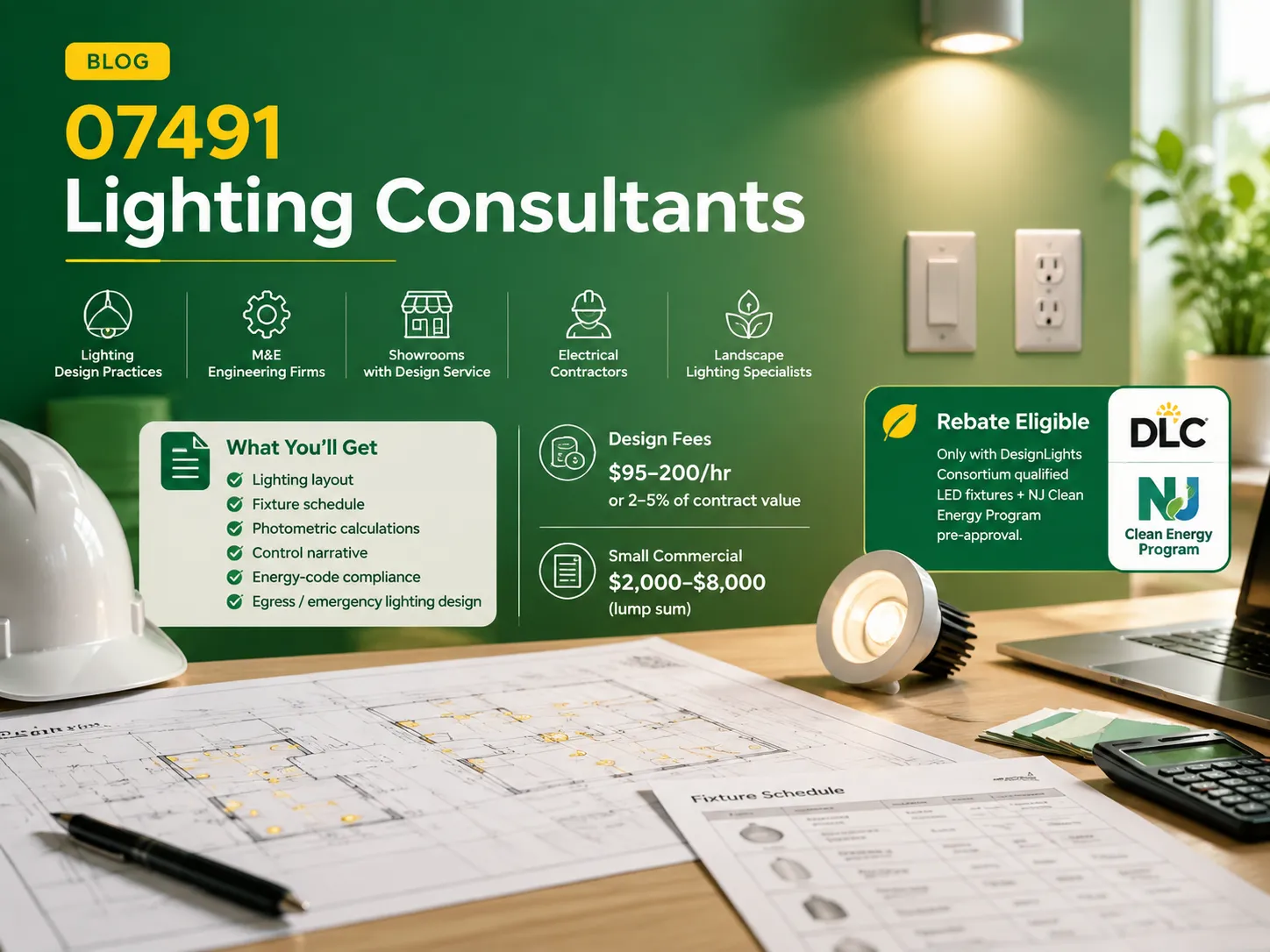
If you need assistance with lighting in the 07491 region, is essential to ask two crucial inquiries: who is operating nearby and how much is charged for the services. Concerning the first question, one can easily find the answer regarding the facts and figures because the market in northern New Jersey is not so broad. […]
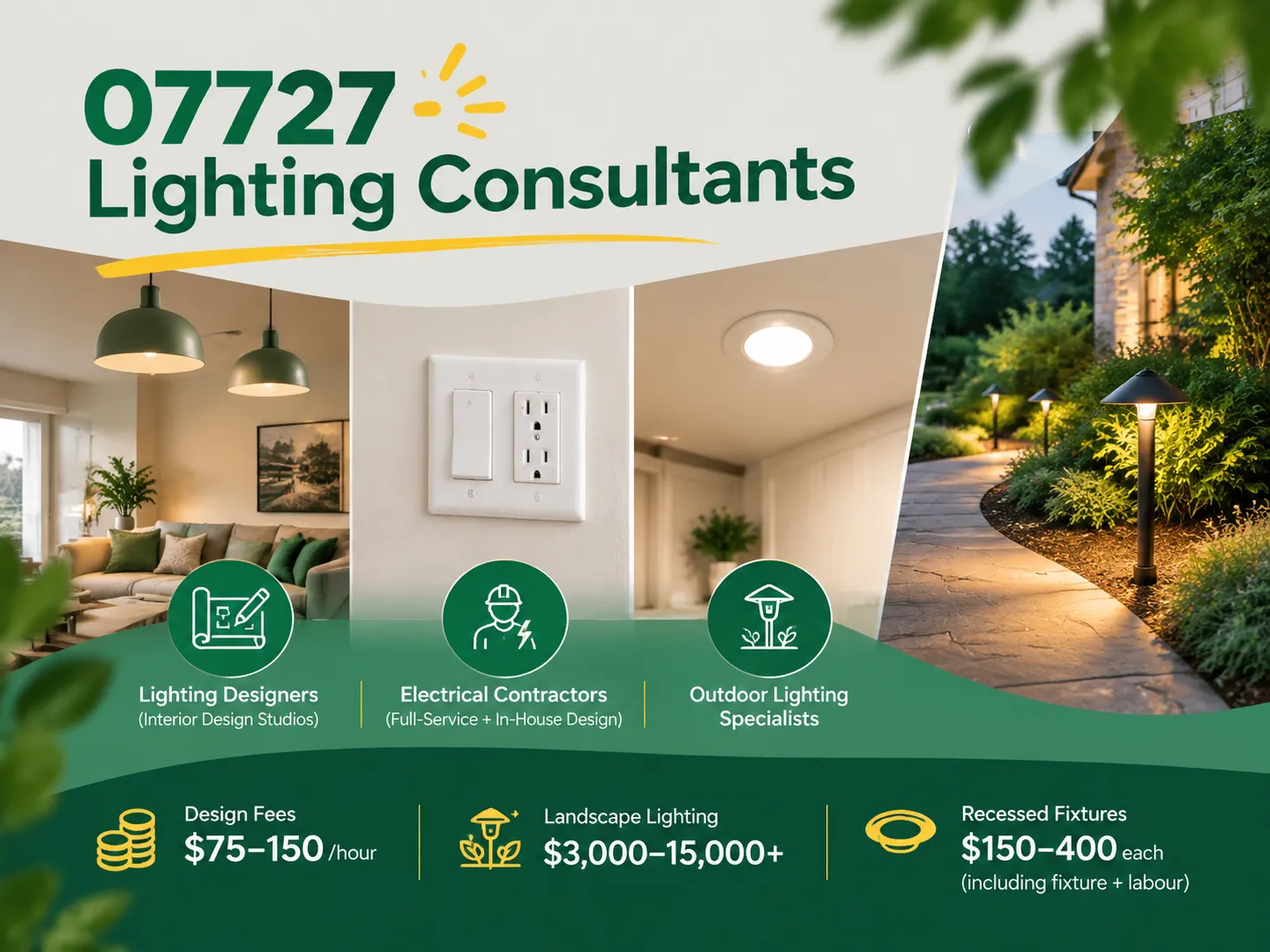
Farmingdale, along with parts of Wall Township and Tinton Falls, New Jersey, share the same zip code of 07727. Most of the houses built from the 1950s to the 1990s still exist today. Most of the homeowners are renovating their houses as opposed to building new homes. Homeowners tend to spend a lot more on […]
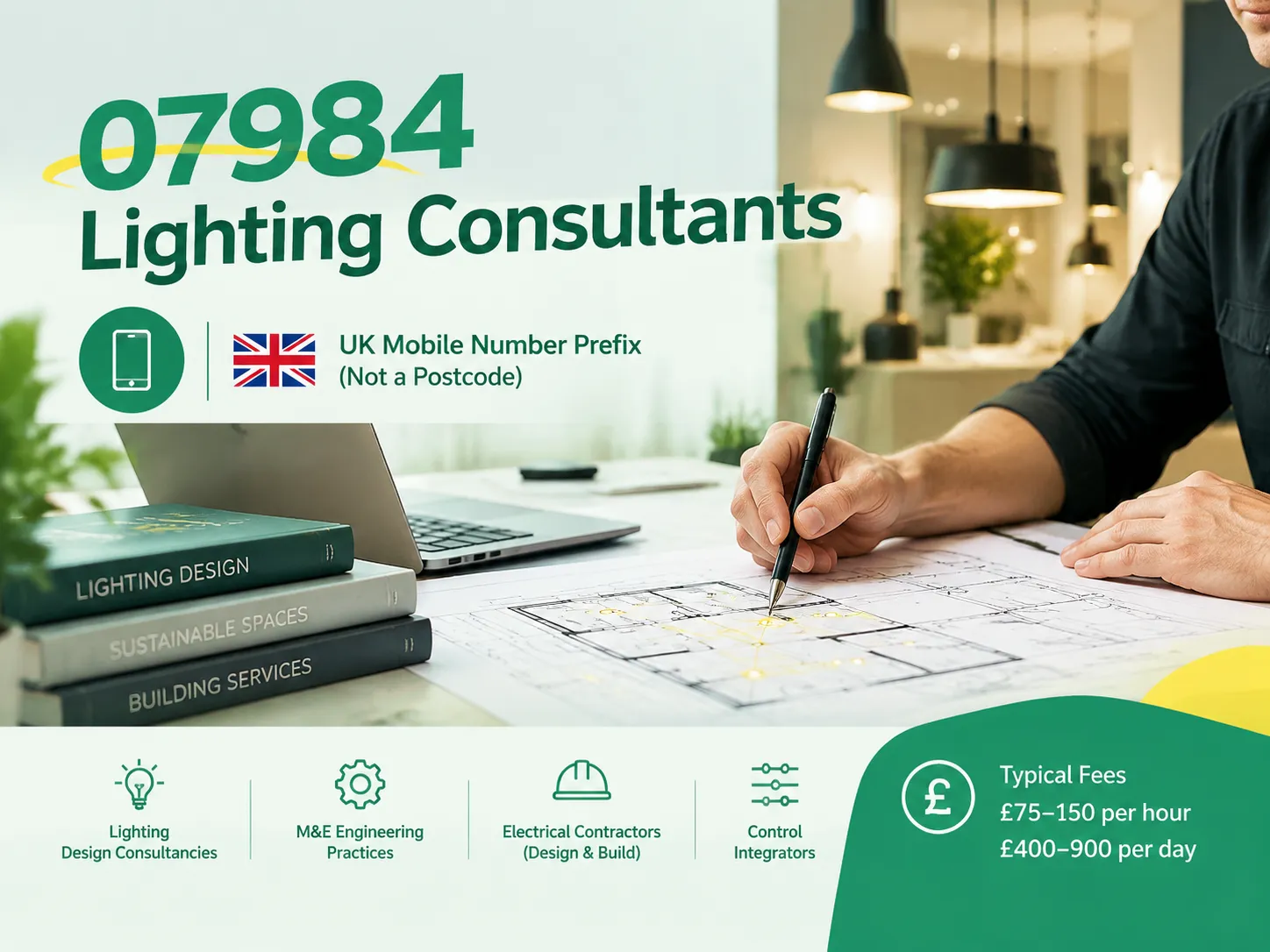
The term “07984 lighting consultants” gives people the impression that the five digits represent a postal code of some sort that indicates the place where lighting consultants provide services. This is, however, incorrect: there is no postal area coded 07984, which is only a code of mobile telecommunications in Great Britain. This means that the […]

 No.6 Tuozhan Road, Leshang Pioneer Park,Yueqingwan Bay Harbor,Yueqing city,Zhejiang Province


