Australian wall switches use Type I plugs with AS/NZS 3112 certification and a flat, square design where ‘down’ means ‘on’. European switches follow CEE 7/7 standards with round pins and varied designs across countries. Both run 230V, but physical mounting, plug types, and safety certifications differ completely, requiring region-specific products.
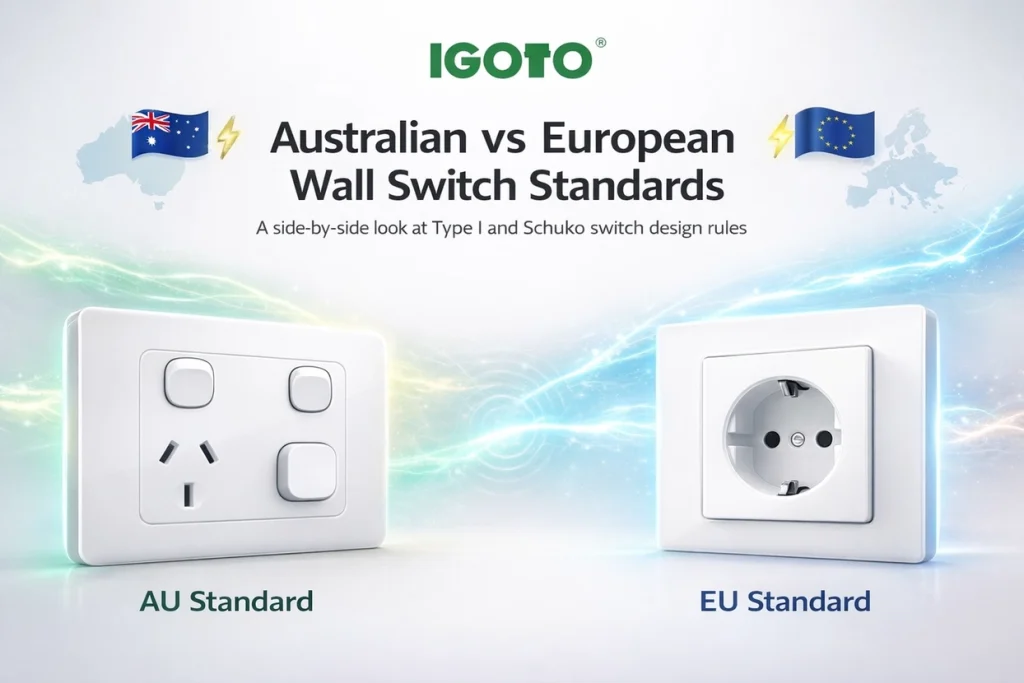
Both systems operate at similar voltages, but everything else differs:
| Factor | Australian Standard | European Standard |
| Plug Type | Type I (flat pins in V-shape) | CEE 7/7, Type C, F, G (round pins) |
| Voltage/Frequency | 230V @ 50Hz | 230V @ 50Hz |
| Current Rating | 10A or 15A | 16A (typical) |
| Certification | SAA (Standards Australia) | CE marking |
| Switch Orientation | Down = On | Varies by country |
| Design Style | Flush, square, integrated | Larger rockers, modular |
Australia follows AS/NZS 3112 for plugs and socket-outlets, defining pin configuration, ratings, and safety requirements. Electrical installations must also comply with AS/NZS 3000 (Wiring Rules).
SAA certification confirms compliance with Australian and New Zealand safety requirements for electrical products.
CE marking indicates conformity with applicable EU directives, but installers must still follow country-specific wiring and installation codes.
Typical safety and durability requirements for Australian-standard switches often include:
IGOTO’s Australian standard switches meet these requirements across AS, DS, RS, KS, FS, and CS series, with each series offering different aesthetic options while maintaining the same safety standards.
Europe doesn’t have a single unified system. The CEE 7/7 standard works across most of continental Europe, fitting both Type E (French) and Type F (German Schuko) sockets with two round pins.
Common European plug types:
CE marking indicates conformity with EU regulations, but doesn’t specify which country’s exact standards apply. Installation standards like BS 7671 in the UK add specific wiring requirements that differ from continental practices.
Australian Type I plugs have three flat pins arranged in a V-shape that prevents insertion into European sockets. The 10A variant works for general household use, while the 15A version features a wider earth pin that stops people from overloading circuits with high-power equipment.
European plugs typically use round pins with the system fitting both Type E and Type F sockets through the CEE 7/7 compatible design. This allows travelers to use one plug across multiple countries without adapters.
Australian switches feature a flat, square profile with ‘down for on’ orientation. The compact design suits modern minimalist interiors and sits nearly flush with wall surfaces.
European switches tend to have larger rocker mechanisms with more prominent profiles. The modular approach lets you mix different components in one wall plate:
IGOTO’s European standard products include G2, G3, G5, and G6 series designs that can adapt to various installation requirements.
Australian switches fit specific wall boxes called GPOs with standardized depths of 35mm and screw spacing of 84mm horizontally. European mounting boxes vary in size between countries, with depths ranging from 40mm to 60mm.
You cannot swap switches between regions because:
Switching between standards requires replacing the entire wall box assembly, which involves cutting into walls and running new wiring.
Australian switches handle 10A or 15A at 230V. The 10A rating supports loads up to 2,300W, covering most household appliances. The 15A variant handles up to 3,450W for larger equipment like air conditioners.
European sockets typically run at 16A with 230V, giving them a 3,680W capacity that sits between Australia’s two ratings. This single rating simplifies installations since most circuits use the same socket type.
Both systems use similar color coding:
This consistency helps prevent wiring mistakes, though installation practices differ significantly between regions.
Australian electricians must follow AS/NZS 3000 wiring rules for all work. The regulations ensure consistent safety levels, and every installation must be tested before connection to the power supply.
European requirements vary by country. BS 7671 governs UK installations, Germany uses VDE standards, and France follows NF C 15-100. An electrician licensed in one European country can’t automatically work in another without understanding local codes.
Travel adapters work for temporary situations like vacations or short stays, letting you plug devices into different socket types. However, adapters don’t change the actual wall switch, so permanent installations always need region-specific certified products.
Using adapters long-term creates safety risks since they can overheat with heavy loads, and building codes require proper certified switches for all permanent work that can pass inspections.
Both standards deliver safe electrical systems when you use properly certified products. The key is matching switches to local requirements rather than trying to adapt products from other regions.
For Australian or New Zealand projects, you need AS/NZS 3112 compliance with SAA certification. For European projects, identify your specific country’s plug type first, since requirements vary significantly.
Contact us to discuss which standard fits your project, or request samples to compare the physical differences yourself.
Australia uses AS/NZS 3112 for plugs and sockets, covering Type I configuration with 230V at 50Hz and 10A or 15A ratings. Products need SAA certification to be legally sold and installed.
Yes, both run on 230V at 50Hz, so voltage conversion isn’t needed. However, plug shapes and mounting standards differ completely, requiring region-specific switches.
No, mounting holes don’t align, wall boxes have different depths, and wiring terminals differ. Using non-compliant products creates safety hazards and fails inspections.
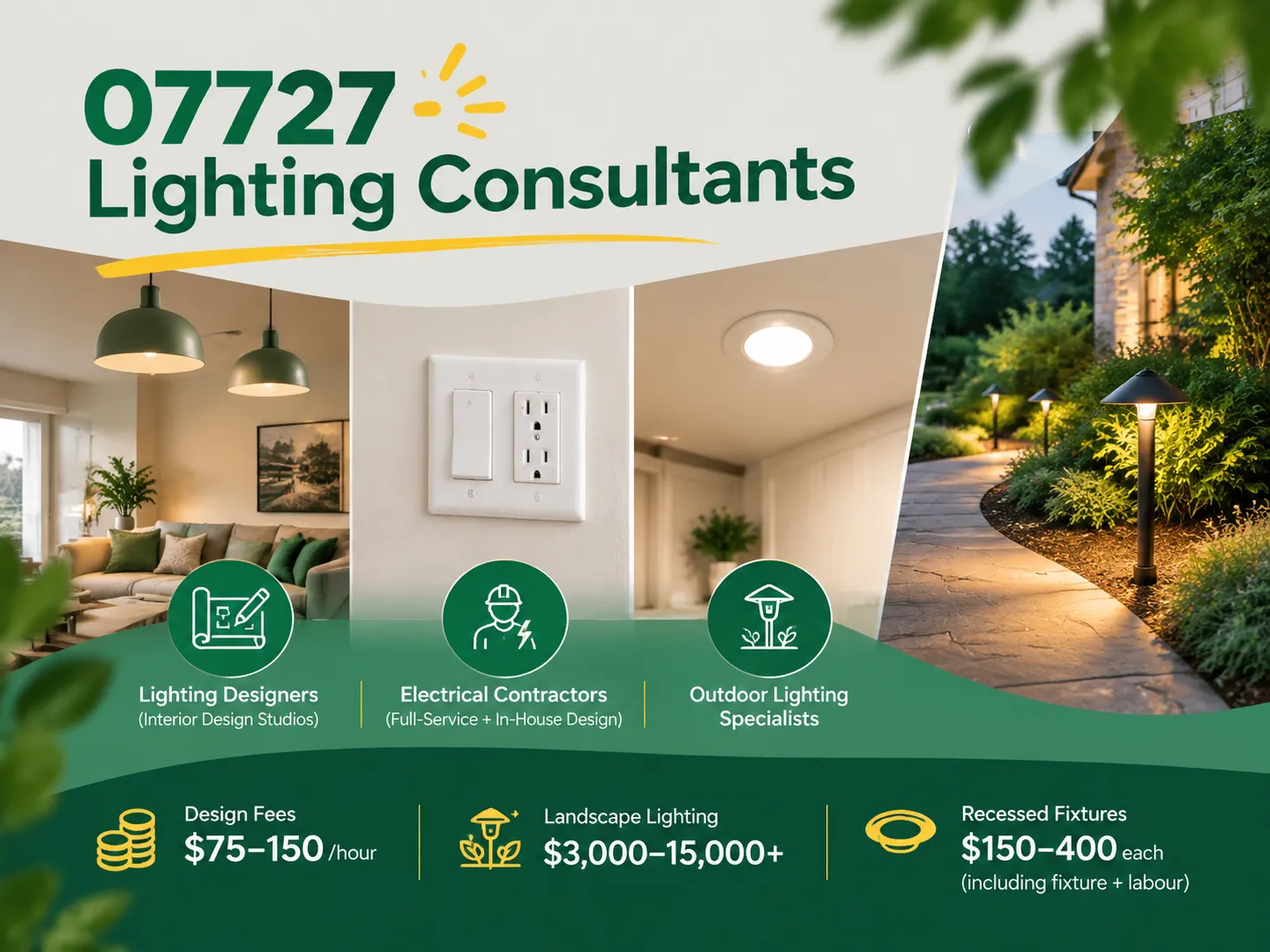
Farmingdale, along with parts of Wall Township and Tinton Falls, New Jersey, share the same zip code of 07727. Most of the houses built from the 1950s to the 1990s still exist today. Most of the homeowners are renovating their houses as opposed to building new homes. Homeowners tend to spend a lot more on […]
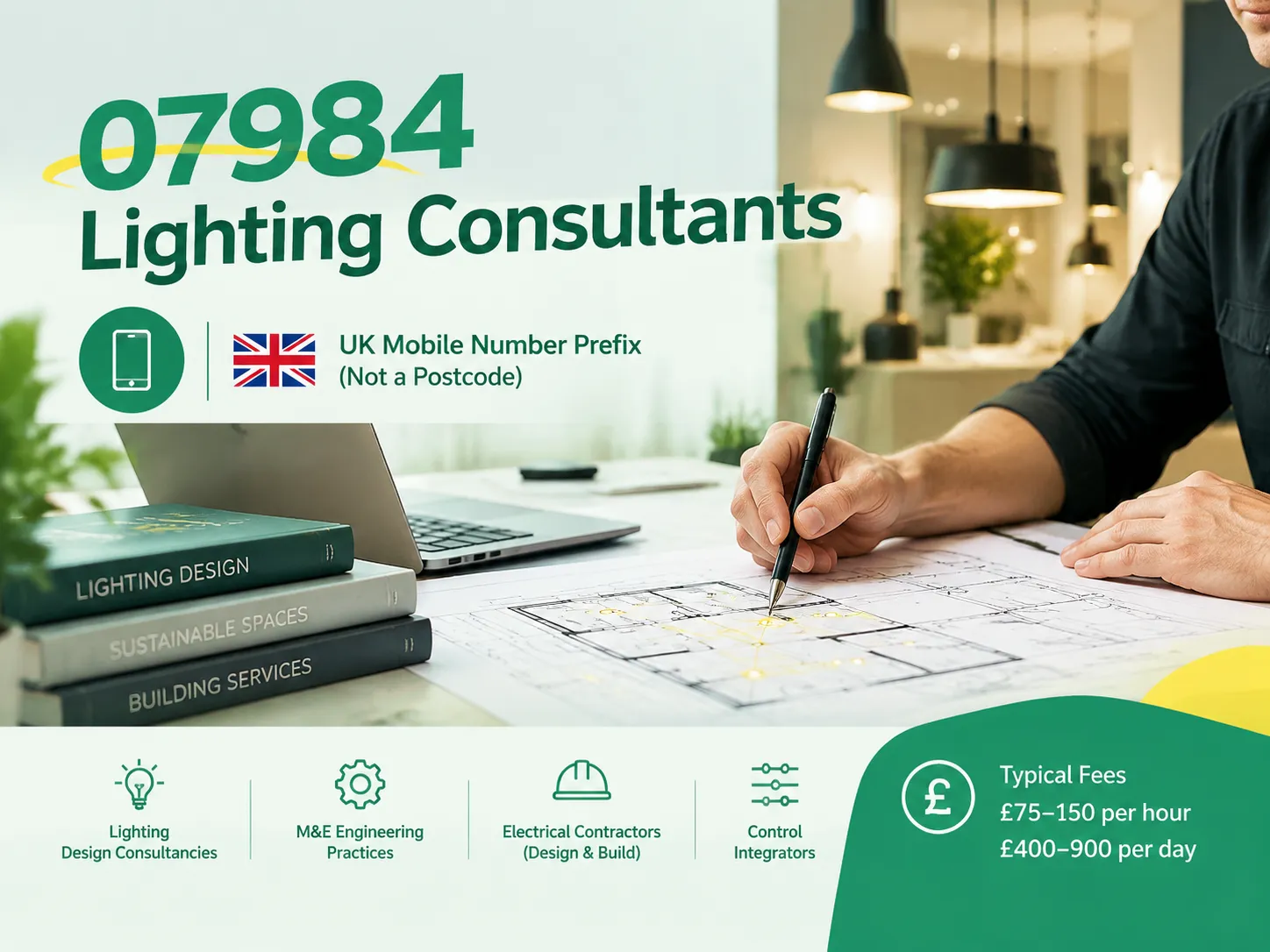
The term “07984 lighting consultants” gives people the impression that the five digits represent a postal code of some sort that indicates the place where lighting consultants provide services. This is, however, incorrect: there is no postal area coded 07984, which is only a code of mobile telecommunications in Great Britain. This means that the […]
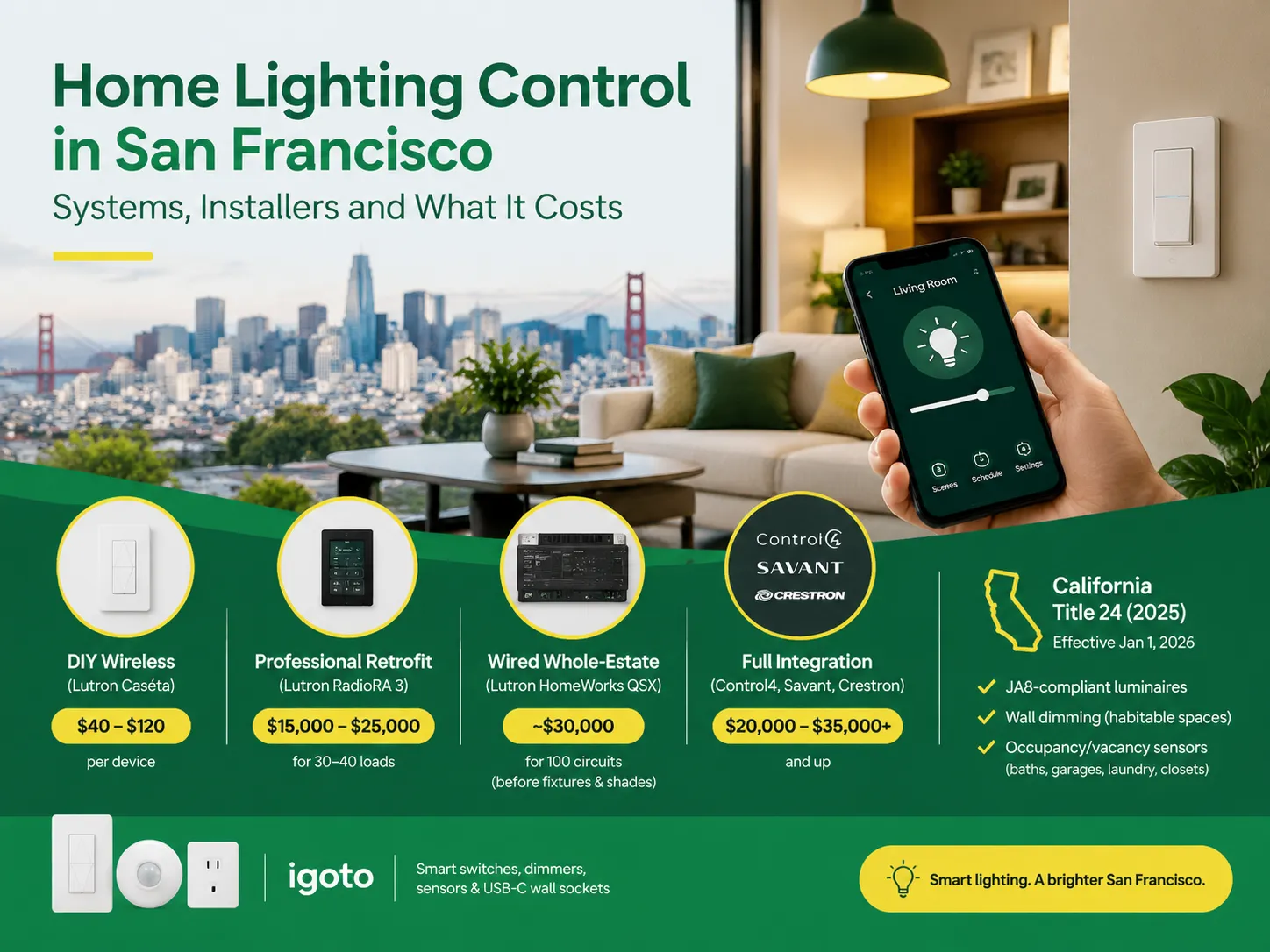
San Francisco is not the average lighting control market. The housing stock is old and dense, and the electrical code does not allow for as many electrical installations as is allowed almost anywhere else in the U.S. Most homes that want complex lighting are Victorian or Edwardian buildings where no one wants to start opening […]

 No.6 Tuozhan Road, Leshang Pioneer Park,Yueqingwan Bay Harbor,Yueqing city,Zhejiang Province