

Leading Australian 3 pin plug brands like Clipsal and HPM follow the same AS/NZS 3112 standards and use similar materials like polycarbonate housings with brass contacts. You’ll also see them passing identical SAA certification tests and organizing their product ranges into different tiers.
Walk into any electrical wholesaler and you’ll see shelves lined with different brands competing for attention. But if you look at what the top brands like Clipsal HPM, Deta, and PDL deliver, they’re more similar than different. These brands all comply with AS/NZS 3112 and use comparable material specifications.
This is because AS/NZS 3112 defines what an AU 3 pin plug needs to be. Not much room is available in core product design, so cutting corners is never a smart move for long-term success.
If you think using cheaper materials or skipping testing will give you an edge, think again. That approach leads to product recalls and damaged credibility. The brands that survive respect the same fundamentals, then compete on aesthetics or service.
Every reputable Australian power point uses the same basic structure because AS/NZS 3112 mandates it. The three flat pins sit in that triangular pattern. The earth pin’s positioned at the top, longer and thicker than the live and neutral pins.
This design matters for safety. The earth pin connects first when you plug something in and disconnects last when you pull it out. If an appliance develops a fault, the ground path’s already established before power flows. Understanding how to wire a 3 pin plug can help you better understand how this safety mechanism works.
Inside the outlet, you’ll find similar contact geometries across brands:
Electricians appreciate this consistency because they can work efficiently without memorizing different procedures for each manufacturer.
Material selection separates manufacturers from budget operators. The top brands cluster around similar specifications because these materials have proven performance records.
Housing materials use polycarbonate or flame-retardant engineering plastics meeting V0 fire ratings. That rating means the plastic self-extinguishes within seconds and won’t propagate fire. IGOTO’s PB1S 10A single base, for example, uses PC material with a 5-year mechanical life rating, which aligns with what established brands deliver.
For conductive components, brass or phosphor bronze the industry standard:
Terminal design deserves attention. Quality brands specify brass screws with torque requirements. Over-tightening crushes conductor strands, while under-tightening allows movement that generates heat. Since terminals need to accommodate various conductor sizes, selecting the correct size electrical cable for power points in Australia is crucial in preventing overheating and potential fires.
IGOTO’s materials align with what Clipsal, HPM, and other established brands use, which means you get the same reliability and performance.
Private-label developers often stumble at certification because they underestimate the cost and timeline. AS/NZS 3112 defines the physical design specifications like pin dimensions and spacing. AS/NZS 3100 covers electrical safety requirements. You need compliance with both to legally sell in Australia.
SAA certification requires passing comprehensive type testing:
Testing labs push samples beyond normal operating conditions to identify failure modes. That can mean running outlets at 150% rated current for extended periods or subjecting them to extreme temperature cycling.
Leading brands don’t stop at prototype testing. They implement batch sampling and routine ageing tests throughout production, which catches manufacturing inconsistencies before defective units ship.
See a supplier claiming “similar quality” at significantly lower prices? They’re probably skipping batch testing or using uncertified materials. IGOTO follows the same testing discipline that established brands tend to use.
Look at how established brands organize their offerings and you’ll notice a three-tier pattern. This structure reflects how electrical contractors and wholesalers purchase products.
Standard or entry-level series drive volume sales. These products feature white or off-white finishes with straightforward functionality and competitive pricing. Wholesalers stock these heavily because residential builders and maintenance contractors buy them in bulk.
Premium series command higher margins while often using identical internal components:
Commercial and industrial series address specific technical requirements. Higher amperage ratings like 15A, 20A, or 32A for heavy equipment. Weatherproof enclosures with IP ratings for outdoor installations. These products price accordingly because they serve demanding applications.
Distributors developing private labels should plan this three-tier structure from the start. It’s also worth noting that electrical wiring colours in Australia remain consistent across all product tiers, which simplifies installation.
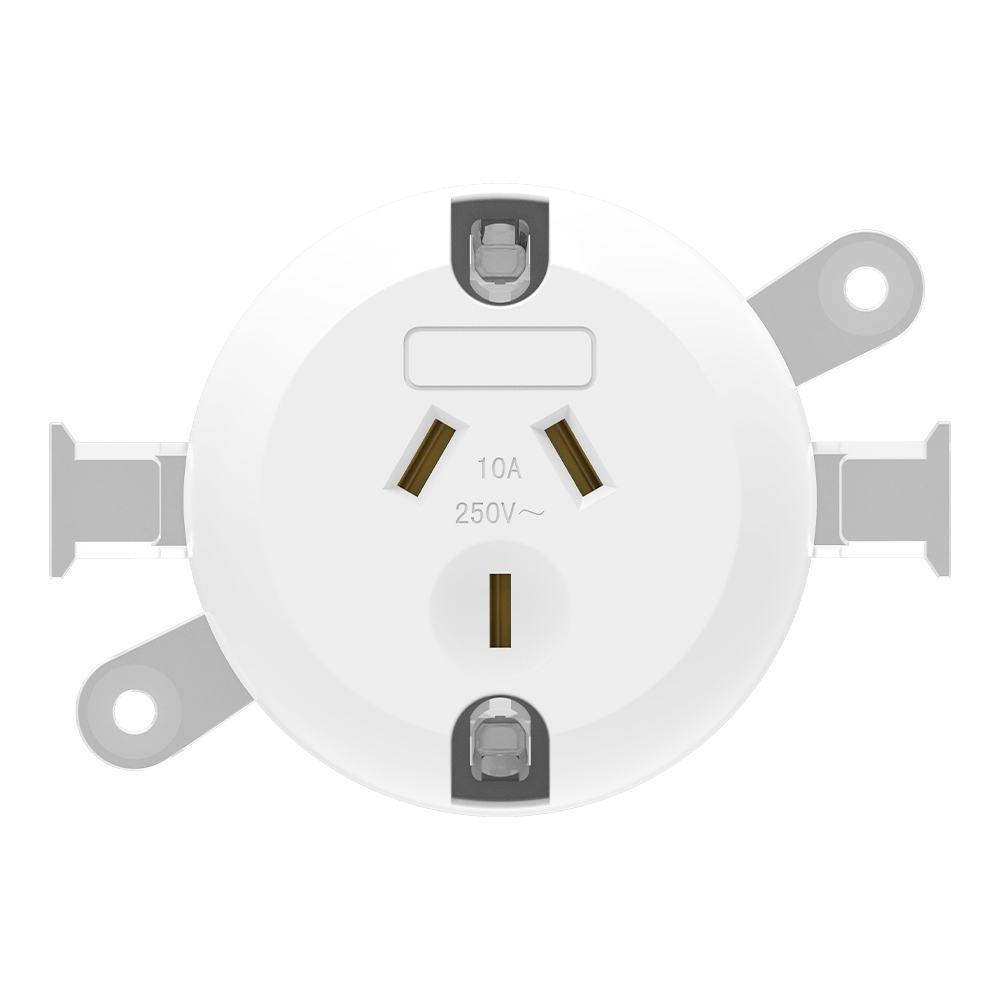
The PB1S is a top-tier power switch designed for both residential and commercial use, adhering to Australian standards (AS/NZS).
Developing a 3 pin plug Australia range that competes with established brands requires demanding specific things from your OEM supplier. Start with materials matching proven specifications, not “equivalent” alternatives that cut costs.
Documentation requirements include:
Plan your complete product portfolio upfront rather than launching one SKU and hoping to expand later. Brands that earned electricians’ trust did it by consistently delivering products that performed as specified without generating callbacks. .
IGOTO has 25 years of experience manufacturing electrical products that meet Australian standards. We can help you develop product lines using the same material specifications and testing protocols that established brands follow. Get in touch with us today to discuss your project requirements.
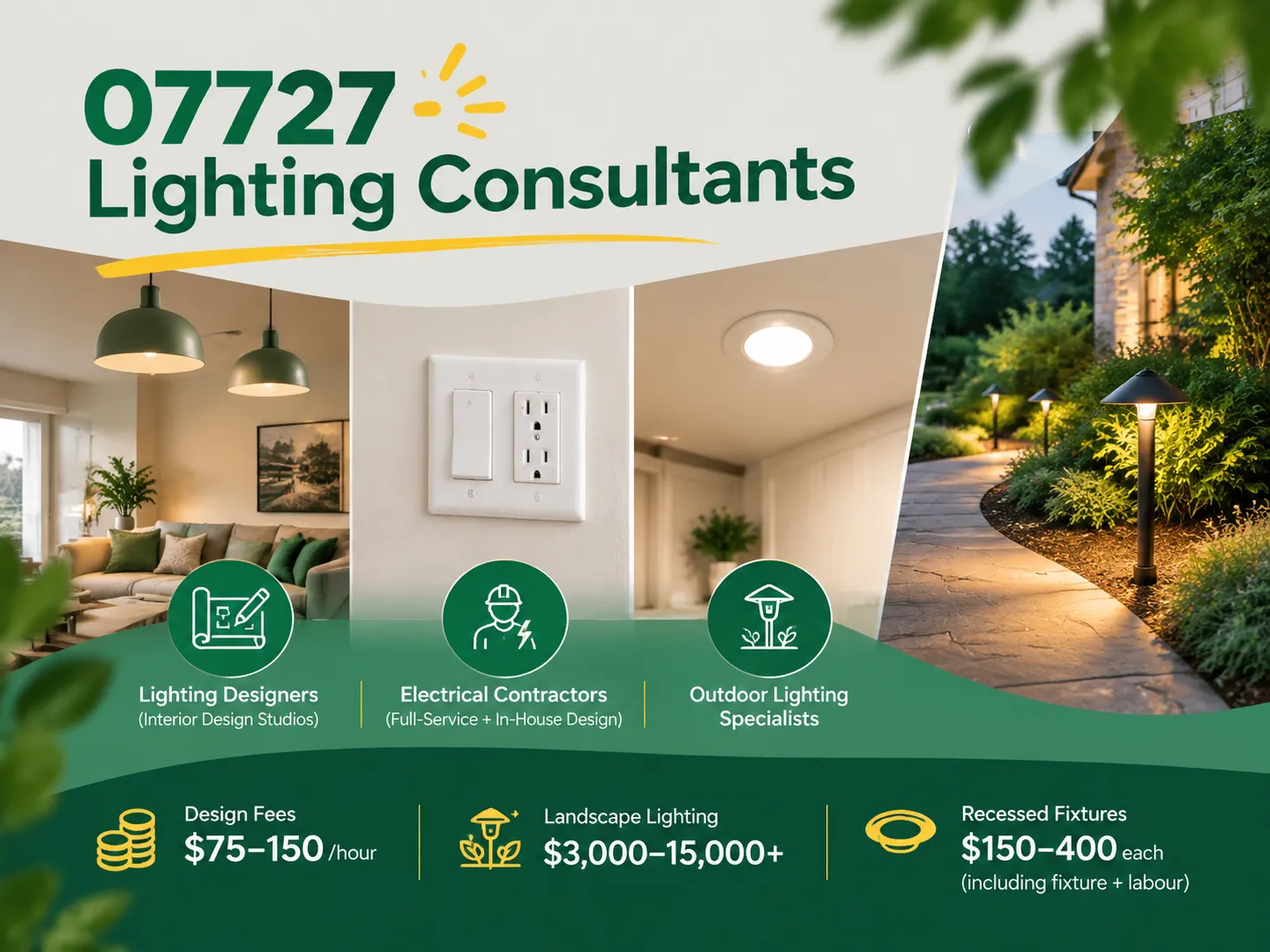
Farmingdale, along with parts of Wall Township and Tinton Falls, New Jersey, share the same zip code of 07727. Most of the houses built from the 1950s to the 1990s still exist today. Most of the homeowners are renovating their houses as opposed to building new homes. Homeowners tend to spend a lot more on […]
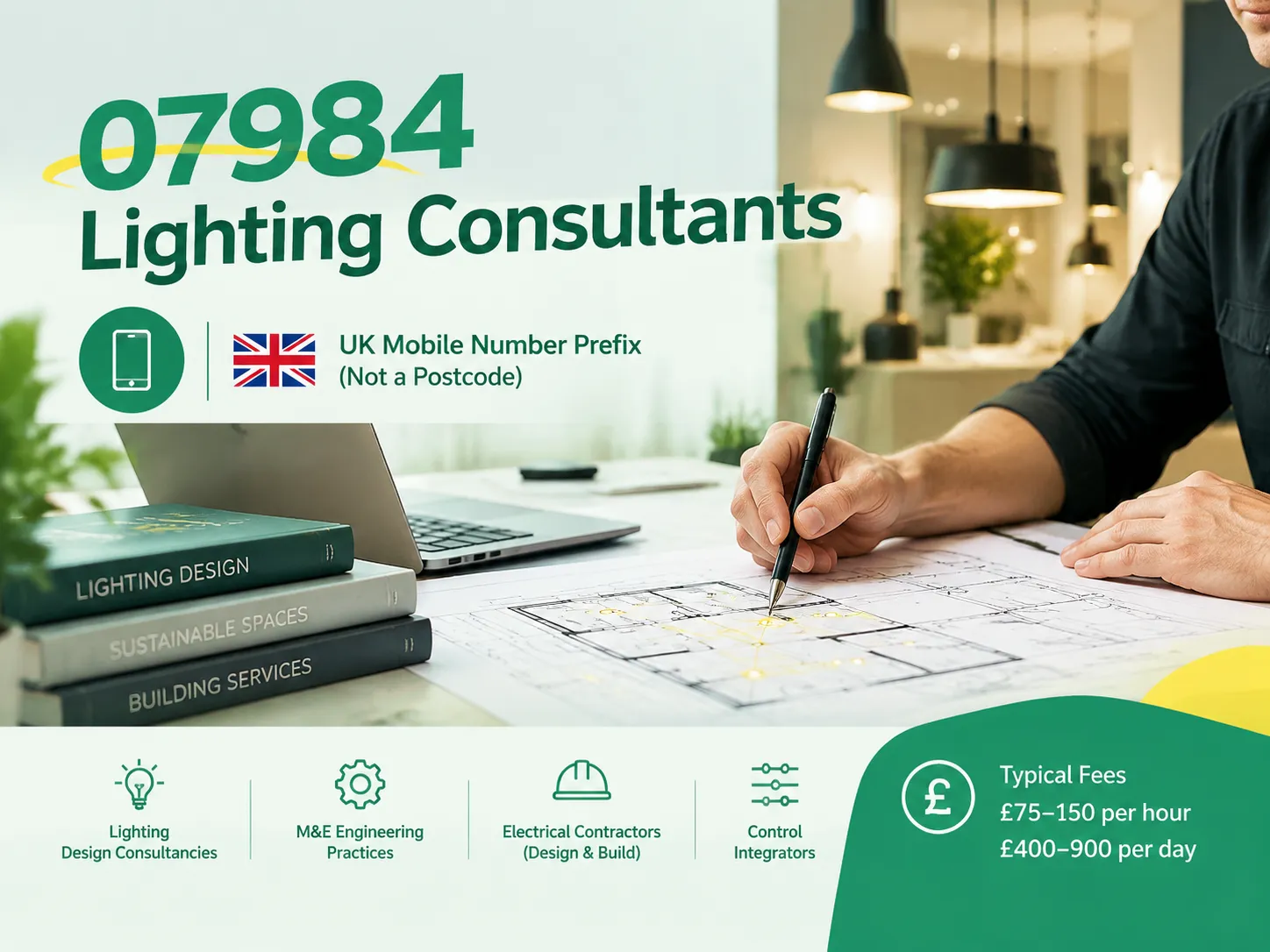
The term “07984 lighting consultants” gives people the impression that the five digits represent a postal code of some sort that indicates the place where lighting consultants provide services. This is, however, incorrect: there is no postal area coded 07984, which is only a code of mobile telecommunications in Great Britain. This means that the […]
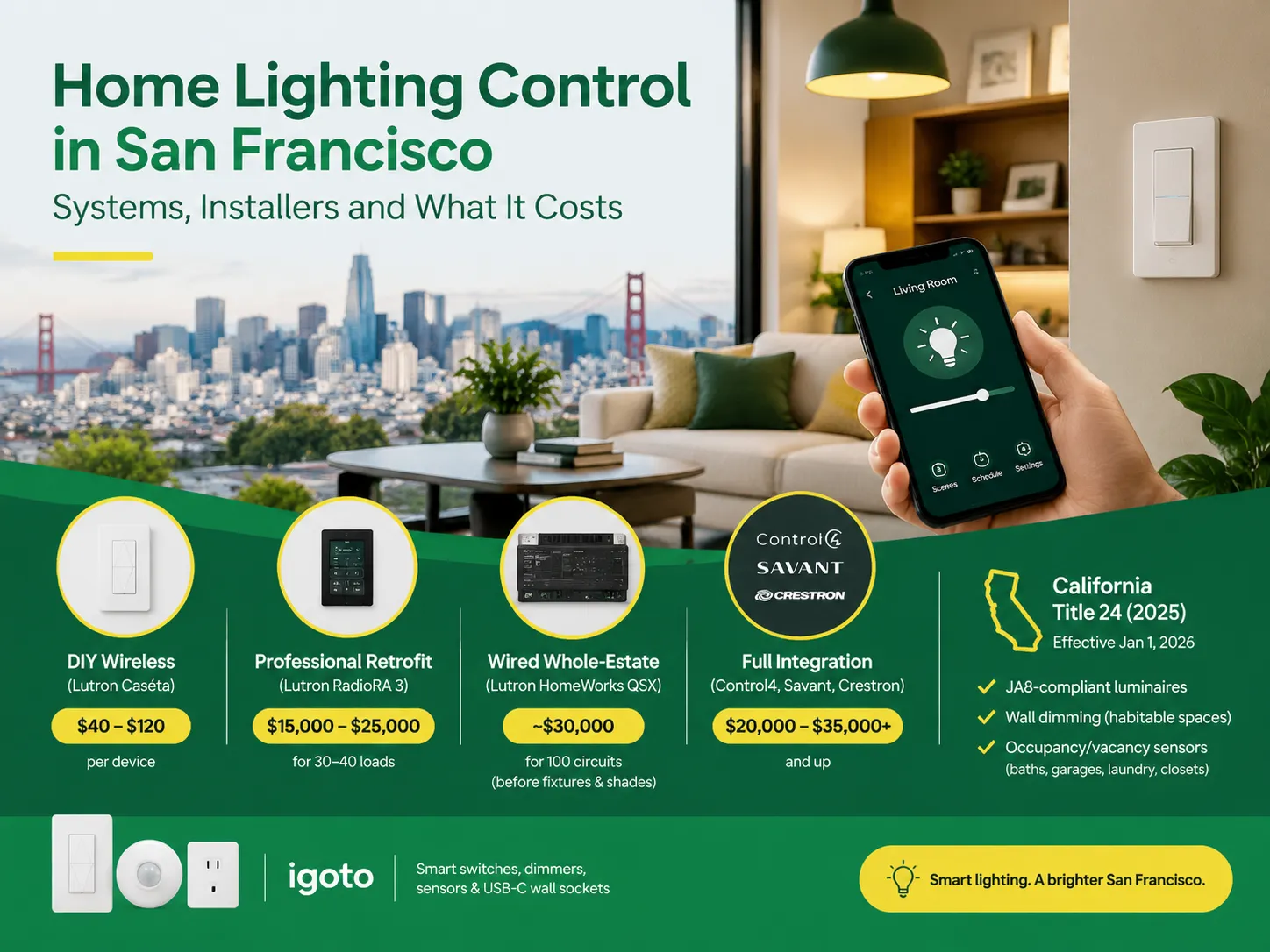
San Francisco is not the average lighting control market. The housing stock is old and dense, and the electrical code does not allow for as many electrical installations as is allowed almost anywhere else in the U.S. Most homes that want complex lighting are Victorian or Edwardian buildings where no one wants to start opening […]

 No.6 Tuozhan Road, Leshang Pioneer Park,Yueqingwan Bay Harbor,Yueqing city,Zhejiang Province


