

You can read a switch specification by focusing on eight key specifications: rated current, voltage, breaking capacity, IP rating, IK rating, material, certifications, and wiring method. Check these specifications first to match products against your project requirements and avoid costly mismatches.
Project managers often discover specification mismatches only after opening the package on site. You specify a 10A socket, then realize the circuit is designed for 16A loads. Or you order standard IP20-rated switches for a bathroom that requires IP44 minimum.
These mistakes cost time and money because someone has to source the correct components and reinstall everything properly. The mistakes happen because specification sheets contain dozens of technical details, but only a handful actually matter for most construction projects.
A typical specification sheet contains dozens of technical details, but you can evaluate most products by checking eight core specifications. These details tell you whether a product matches your circuit design and passes regulatory approval.
Rated current defines the continuous current a device can carry without tripping or overheating. This is the first number you should verify against your circuit design.
If you’re working on residential projects, you’ll typically see:
The cost implication of getting this wrong is significant. Under-speccing a 10A switch on a 16A circuit causes overheating and component failure, which means you’re paying for emergency replacement and the labor to install it twice.
Voltage ratings vary by region based on historical infrastructure. A socket specification sheet should clearly state the voltage it’s designed for, but you also need to verify it matches your project location.
Standard voltage by region:
Installing a 120V-rated switch in a 230V Australian circuit creates immediate safety hazards. The insulation isn’t designed for the higher voltage, which means breakdown and potential fire risk become real possibilities.
Breaking capacity measures the maximum fault current a device can safely interrupt without destruction. This specification often gets overlooked until an electrical fault occurs, but that can be too late.
If you’re evaluating an electrical switch datasheet, look for these ranges:
Under-speccing breaking capacity creates serious liability. If a fault occurs and the device can’t interrupt the current safely, you’re looking at equipment damage and fire risk. That means the few dollars saved on a lower-rated component could cost tens of thousands in damages.
IP ratings classify protection against solid objects and liquids. The first digit covers solids, the second covers liquids. A power point specification guide should explain what each rating means so you can match it to your installation environment.
Common IP ratings and where they work:
Project managers often specify standard IP20 switches for all locations to save costs, then fail inspection when building codes require IP44 minimum for wet areas. That mistake costs more than buying the correct rating initially because you’re paying for rework labor.
IK ratings measure mechanical impact protection, which matters in public spaces and industrial settings where switches face physical abuse.
If you’re working on projects with high foot traffic, these ratings guide your choices:
Wall switch technical specifications should state the IK rating clearly. Installing IK04-rated switches in a school corridor means you’re replacing broken units constantly, but specifying IK08 from the start eliminates those callback visits.
Material choice affects durability and fire safety. The socket rating standards should specify both housing material and internal components so you can evaluate long-term performance.
Common materials you’ll see listed:
Fire ratings under the UL 94 standard matter for safety. If you’re reviewing switch compliance documentation, look for:
In critical safety applications, high-quality manufacturers typically specify polycarbonate (PC) materials with a UL94 V-0 flame rating, despite the higher material cost, because of the significantly improved fire resistance.
Certifications determine whether you can legally use a product in specific markets. Switch compliance documentation should list applicable certifications, but you need to understand which ones are mandatory.
Mandatory certifications by region:
Missing certifications has severe consequences. You can’t legally install uncertified products, which means project delays while sourcing compliant alternatives. Insurance companies refuse claims if uncertified equipment causes fires or injuries.
The cost and time implications are significant because obtaining certifications after manufacturing can take months. High-quality manufacturers often maintain multiple certifications (SAA, CE, CB, PS, TISI, INMETRO) across their product lines, allowing distributors to access multiple markets without waiting for regional approvals.
Electrical outlet spec requirements should clearly state supported wiring methods and installation dimensions because compatibility issues cause delays.
Common wiring methods include:
Installation compatibility matters too. Standard Australian boxes use 60mm screw spacing. European boxes vary by country. US boxes differ between device mount and box mount configurations. The specification sheet should state which standards the product accommodates so you can verify compatibility before ordering.
The cost and time implications of obtaining certifications after manufacturing can be significant. High-quality manufacturers often maintain multiple certifications—such as SAA, CE, CB, PS, TISI, and INMETRO—across their product lines, enabling distributors to access multiple markets without waiting for regional approvals.
Material choice and build quality are equally critical. Polycarbonate (PC) with a UL94 V-0 flame rating is commonly used in critical safety applications because it provides superior impact resistance and fire performance. Thoughtful design of internal components, terminal layout, and installation compatibility further ensures efficient, reliable installations
As a wall switch and power outlet manufacturer with 25 years of experience, IGOTO designs specification sheets that highlight critical details upfront. Our datasheets clearly list rated current, voltage, breaking capacity, and certifications in a single-page format, which makes it easy for you to quickly compare products and make informed project decisions.
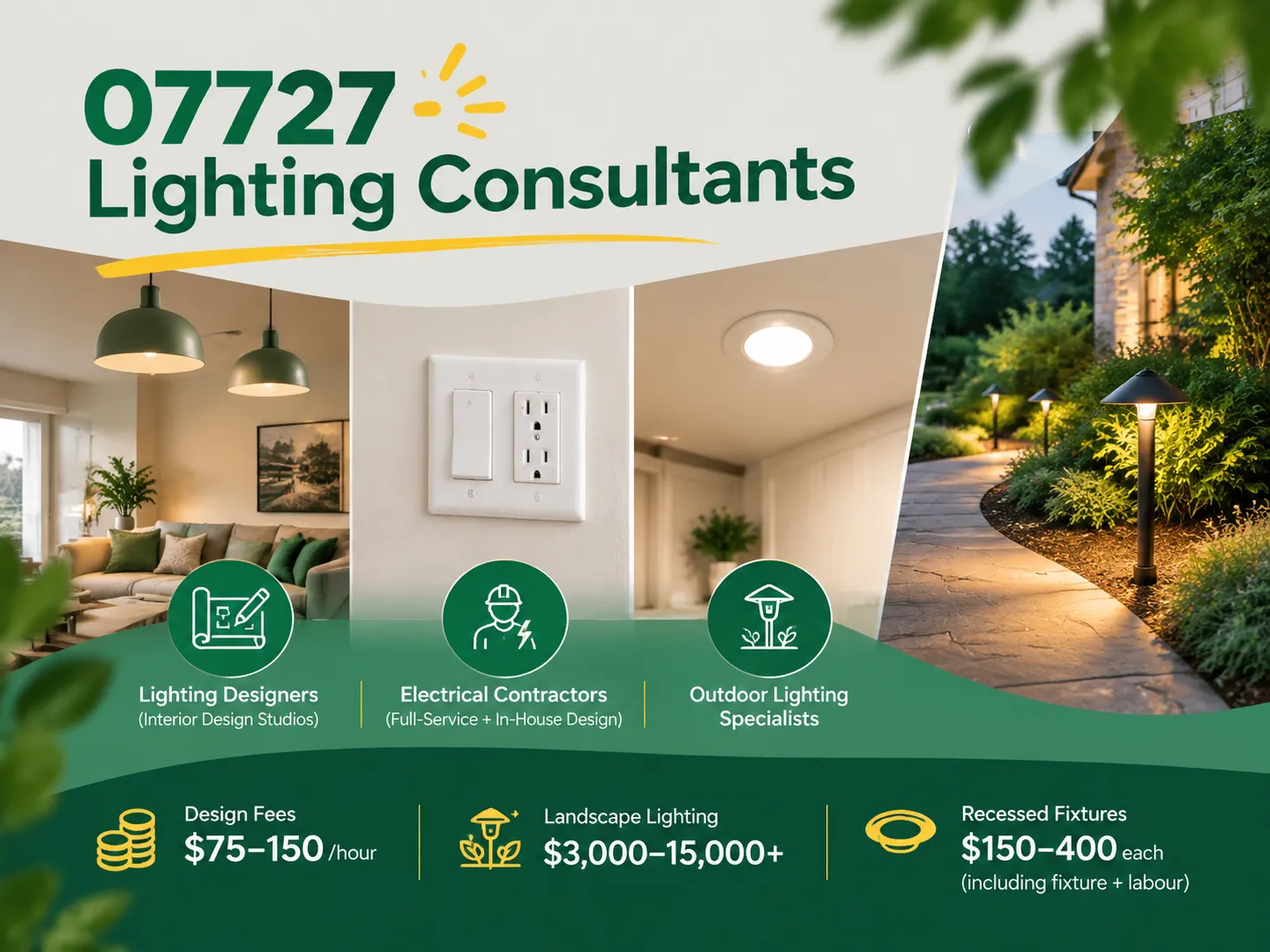
Farmingdale, along with parts of Wall Township and Tinton Falls, New Jersey, share the same zip code of 07727. Most of the houses built from the 1950s to the 1990s still exist today. Most of the homeowners are renovating their houses as opposed to building new homes. Homeowners tend to spend a lot more on […]

The term “07984 lighting consultants” gives people the impression that the five digits represent a postal code of some sort that indicates the place where lighting consultants provide services. This is, however, incorrect: there is no postal area coded 07984, which is only a code of mobile telecommunications in Great Britain. This means that the […]
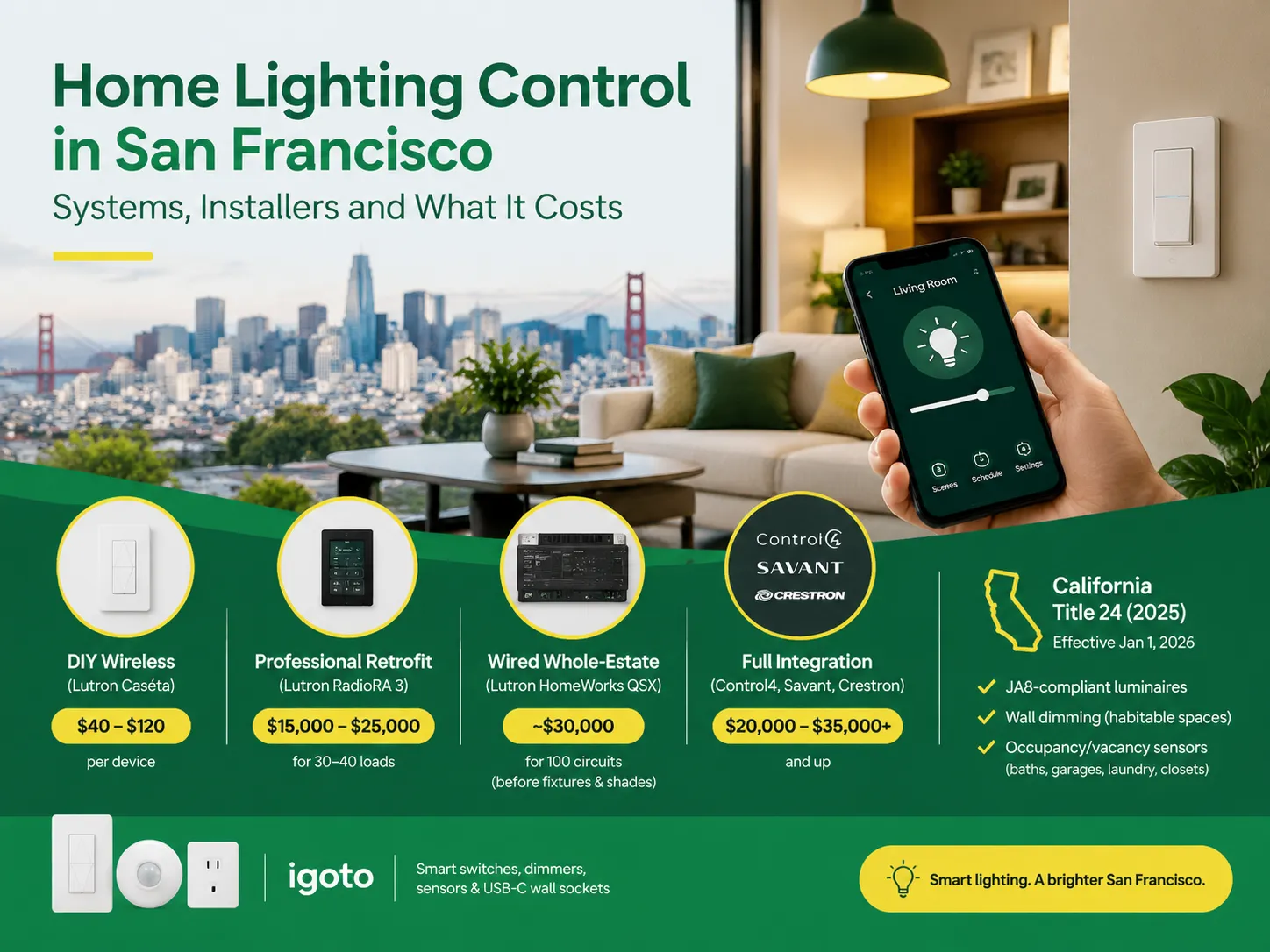
San Francisco is not the average lighting control market. The housing stock is old and dense, and the electrical code does not allow for as many electrical installations as is allowed almost anywhere else in the U.S. Most homes that want complex lighting are Victorian or Edwardian buildings where no one wants to start opening […]

 No.6 Tuozhan Road, Leshang Pioneer Park,Yueqingwan Bay Harbor,Yueqing city,Zhejiang Province


