

The need for electric switches and sockets is constant in Australia because of the construction of various housing projects and buildings.
Other factors that drive the market include the improvement of smart homes and the safety factor associated with electricity in the country.
There is a gradual change taking place in the Australian electric switches and sockets market.
Consumers have become more concerned about the safety, design, and smart capabilities of these products.
The Australian electric switches and sockets market forecast shows stable growth between 2026 and 2035 due to housing construction, infrastructure projects, and smart building demand.
Various case reports indicate that the average growth rate for the market will be 5% to 7%.
Home construction is one of the most contributing factors, with over 170,000 dwellings approved in the country in recent years.
Moreover, there have been rising demands from the commercial sector, including hospitals, transportation centers, office buildings, and educational institutions for switching systems and sockets.
Products like smart switches, dimming systems, USB sockets, and app-based systems for energy management have become common in modern homes.
Additionally, energy efficiency requirements are expected to influence demand in commercial properties over the next few years.
Finally, distributors are increasingly sourcing products from various suppliers because of high shipping charges and supply disruption challenges in recent times.
Deregulation of the electricity market is practiced in several Australian states. Energy companies purchase electricity from electricity producers and sell it to households and organizations.
This system influences the construction process and electrical supply chain. In situations when the cost of energy increases, construction firms tend to use products that optimize their consumption.
The National Electricity Market links some Australian states via a common electricity network. This market provides opportunities for electricity exchange by suppliers and distributors.
In large-scale projects, it is essential to meet certain electrical standards. In addition, contractors have to observe wiring standards set by AS/NZS.
An increase in electricity consumption boosts the demand for high-end electrical products. Switches with automatic functions are installed in office buildings, retail shops, and residential houses.
It positively impacts the Australia electric switches and sockets market forecast till 2030.
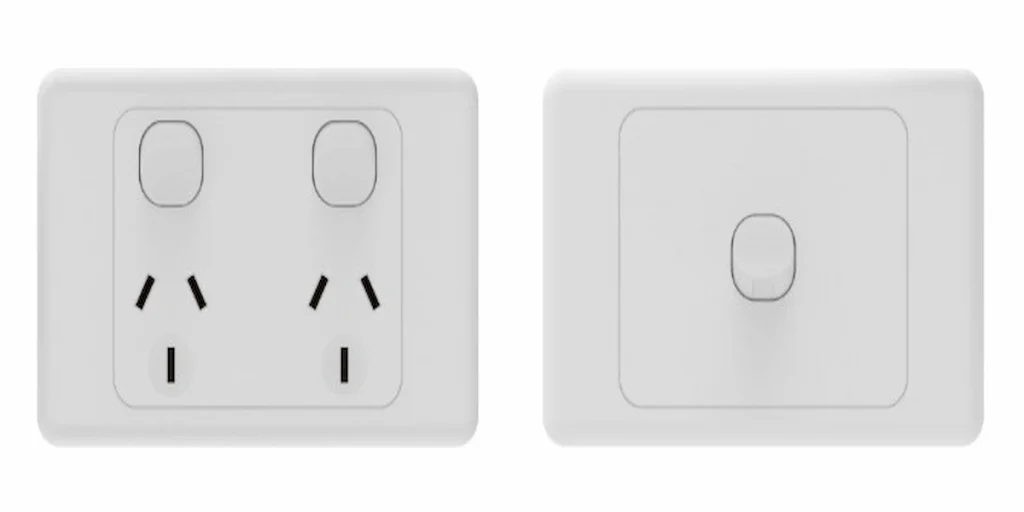
In Australia, Type I plugs and sockets are mostly used. The sockets have three flat pins that run at 230 volts and a frequency of 50 Hz.
The plug/socket system is different from those found in Europe and America. Imported electronic devices need to be certified for use in the country.
The most common installations include:
| Socket Type | Main Application |
| Single socket. | Bedrooms and small spaces. |
| Double socket. | Living rooms and offices. |
| USB socket. | Smart device charging. |
| Weatherproof socket. | Outdoor areas. |
Commercial facilities may also use industrial socket systems with higher current ratings.
Electrical products sold in Australia usually follow AS/NZS standards. Certification helps confirm proper insulation, grounding, and fire resistance.
Licensed electricians must handle installations in residential and commercial buildings. This reduces electrical faults and safety risks.
Large retail chains continue shaping buying patterns across Australia. Hardware stores and home improvement centers influence both residential and contractor purchases.
Many consumers compare products directly in stores before making final decisions.
Searches related to electrical switches at Bunnings show a strong interest in accessible and affordable electrical products.
Buyers often use these stores to compare styles, prices, and installation options.
Retail shelves now include smart switches, dimmers, and outdoor socket products alongside standard models.
The popularity of switch socket Bunnings products also reflects Australia’s renovation culture. Homeowners frequently update kitchens, entertainment rooms, and outdoor spaces.
Simple replacement projects continue to increase demand for decorative and modular electrical accessories.
The Australian electric switches and sockets market will likely continue shifting toward smart and modular products. More buildings now require systems compatible with automation platforms.
Manufacturers are also improving materials, safety features, and product lifespan.
Commercial buildings increasingly use centralized lighting and energy control systems. This creates more demand for programmable switches and integrated wall panels.
Hotels and office towers also continue to adopt modern light switches and powerpoints to improve energy management and match newer interior designs.
Manufacturers like IGOTO are also reducing plastic waste and improving recyclable packaging. Some companies now focus on lower-impact production methods.
Environmental regulations may further influence product design in the coming years.
Australia’s switch and socket sector continues evolving alongside construction, energy management, and smart building trends.
Demand now comes from both new developments and renovation projects.
Product design, safety compliance, and smart technology will continue shaping purchasing decisions across residential and commercial markets.
The Australian electric switches and sockets market forecast also points toward continued demand for modern electrical solutions.
For more AU electrical switch inquiries, contact us immediately.
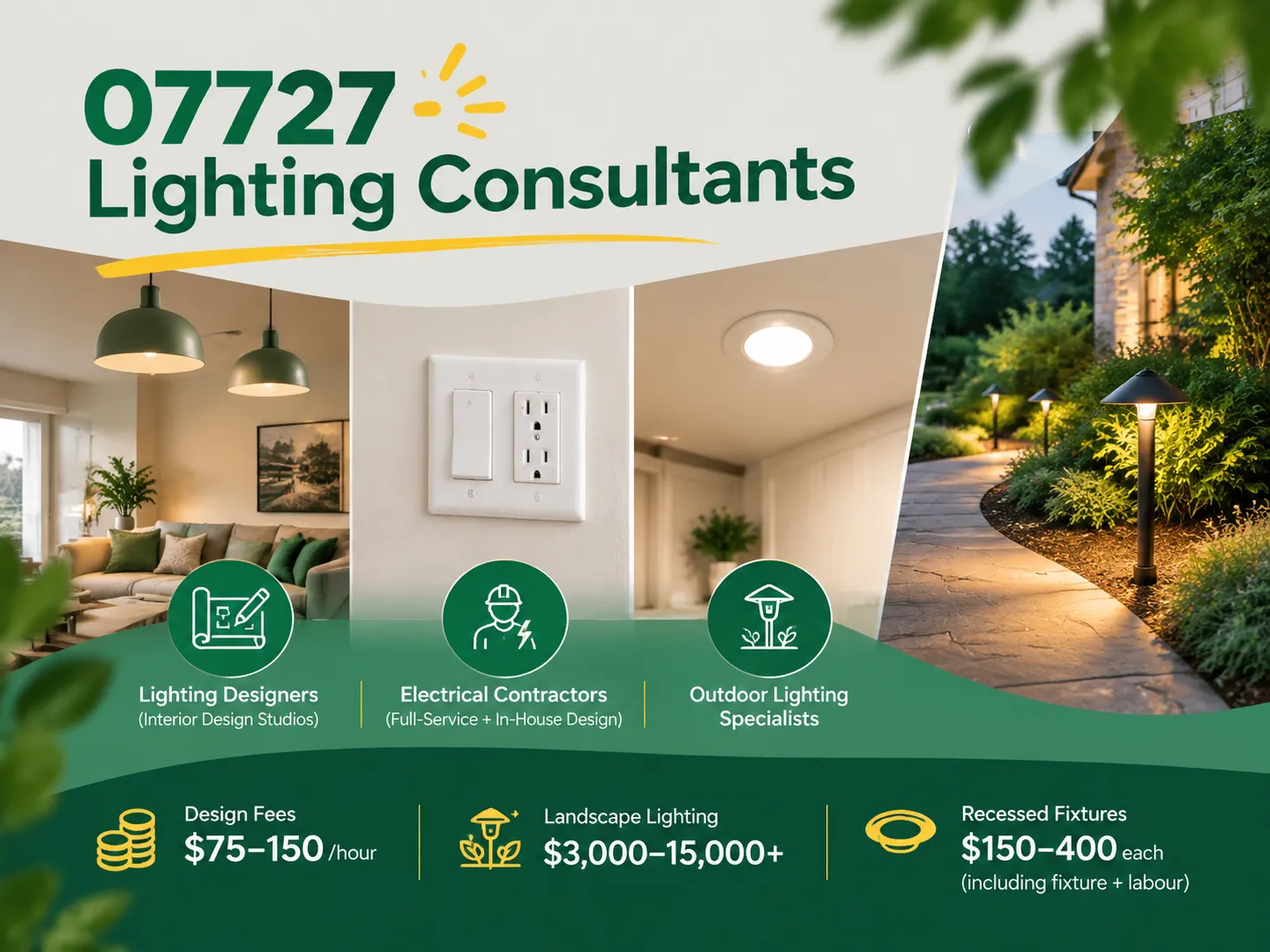
Farmingdale, along with parts of Wall Township and Tinton Falls, New Jersey, share the same zip code of 07727. Most of the houses built from the 1950s to the 1990s still exist today. Most of the homeowners are renovating their houses as opposed to building new homes. Homeowners tend to spend a lot more on […]
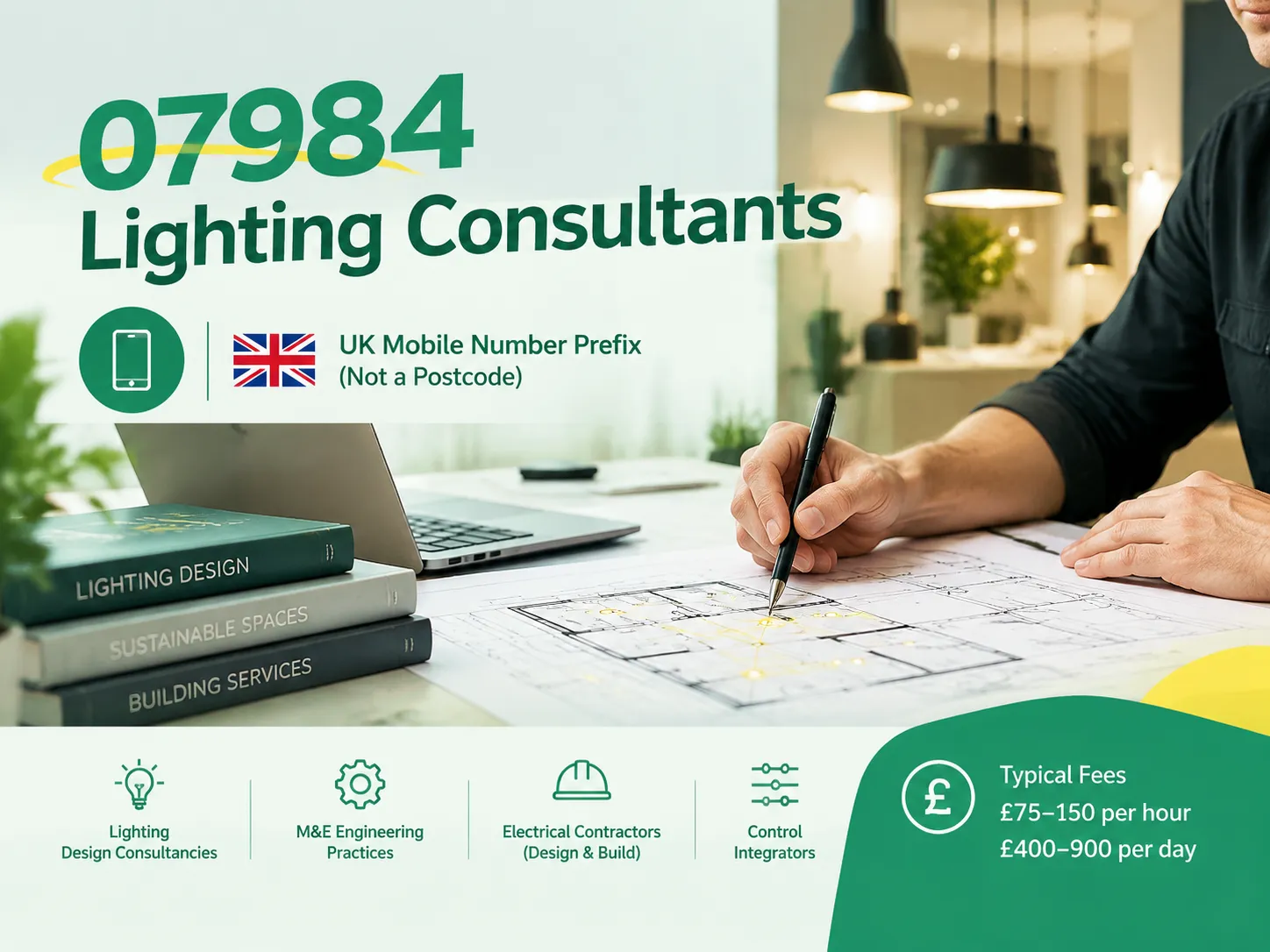
The term “07984 lighting consultants” gives people the impression that the five digits represent a postal code of some sort that indicates the place where lighting consultants provide services. This is, however, incorrect: there is no postal area coded 07984, which is only a code of mobile telecommunications in Great Britain. This means that the […]
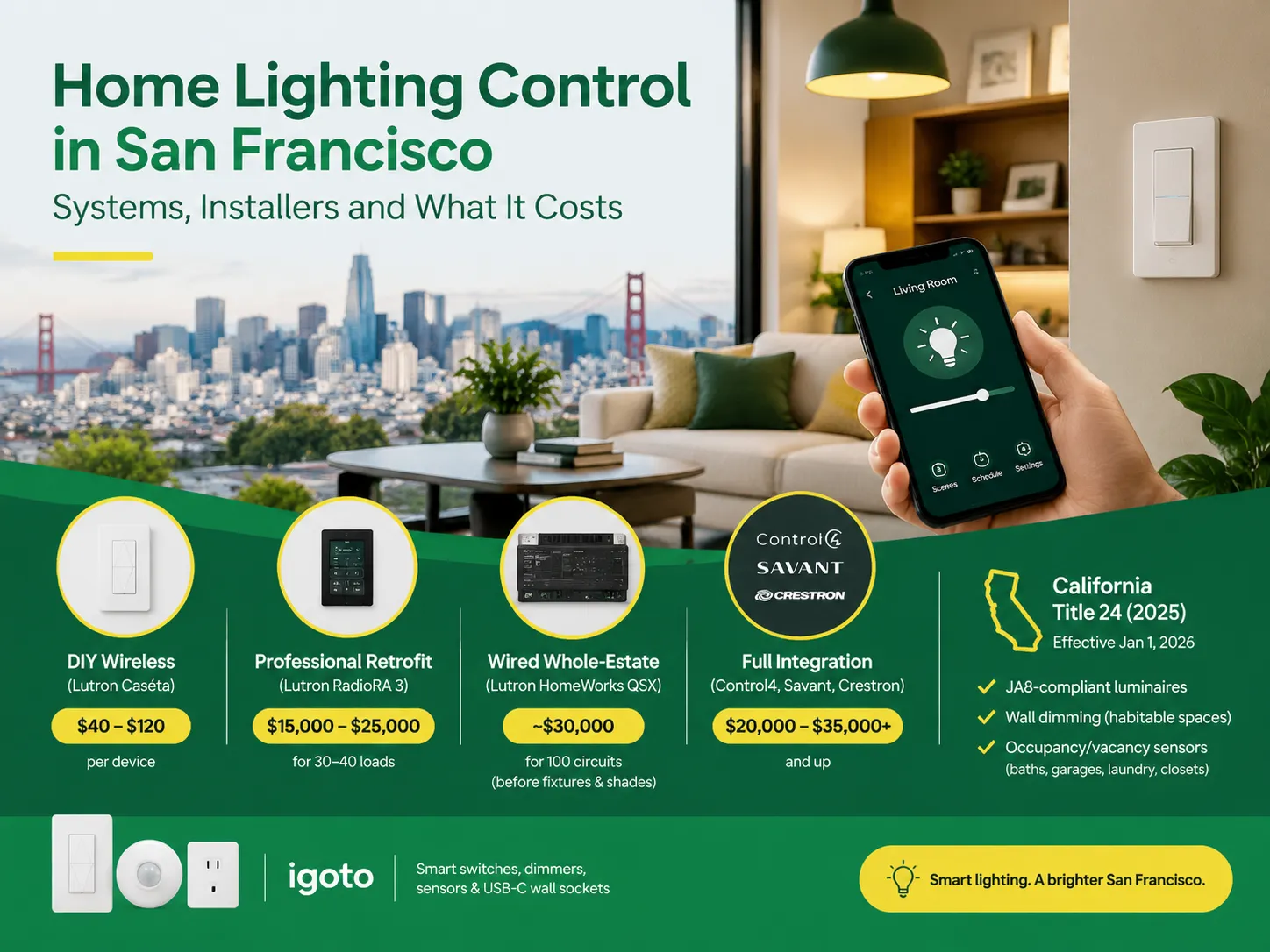
San Francisco is not the average lighting control market. The housing stock is old and dense, and the electrical code does not allow for as many electrical installations as is allowed almost anywhere else in the U.S. Most homes that want complex lighting are Victorian or Edwardian buildings where no one wants to start opening […]

 No.6 Tuozhan Road, Leshang Pioneer Park,Yueqingwan Bay Harbor,Yueqing city,Zhejiang Province


