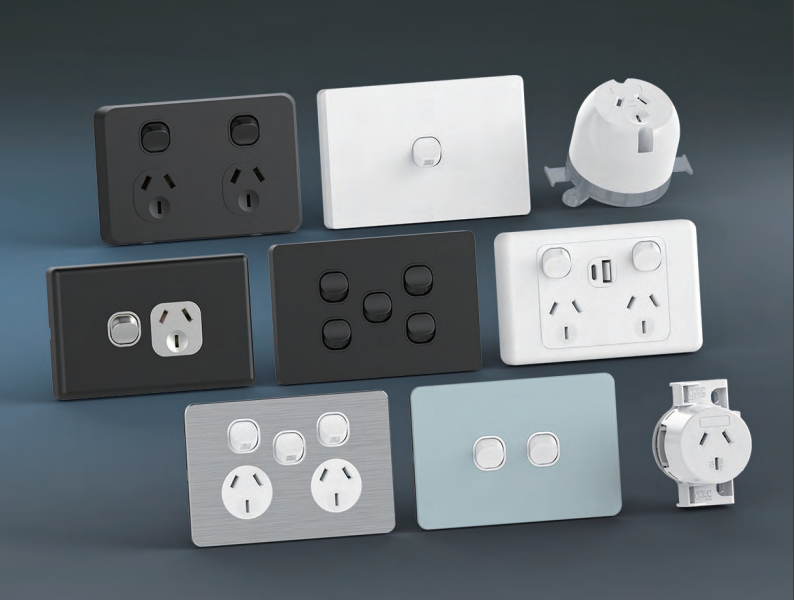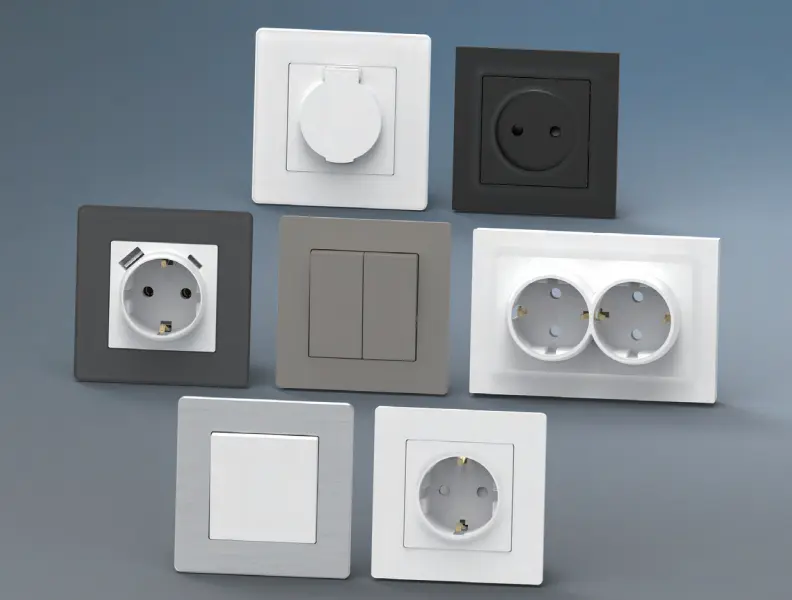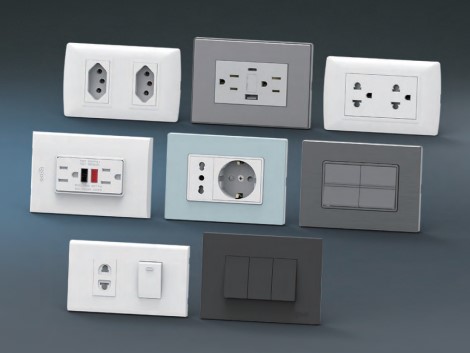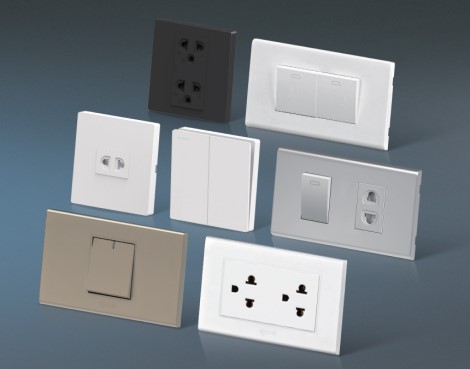
When choosing a B2B electrical supplier, you must apply careful thought in your selection. Look into its regional certifications and raw material specifications. You also need to check its factory automation and production capacity. By doing so, you are likely to access a stable supply. This guide helps you select the right partner for your project.
In many cases, your project’s success depends on how you select a partner manufacturer. Some ways you can do so include evaluating geographic hubs, material specifications, and certifications. This process should protect your organization from potential supply chain failures.
Working with uncertified electric switch socket manufacturers is risky. It can cause your project to encounter delays, financial losses, and safety liabilities. Thus, by procuring certified components, you can protect your long-term business reputation.
Also, consider partnering with an established B2B manufacturer with years of experience. You can request product samples and technical consultations from that company. This way, you can make sure it can provide compliant electrical accessories for your market.
Your procurement team cannot just rely on attractive pricing catalogs. They must also assess product quality using technical metrics. Thorough factory checks are one way to accomplish this evaluation. To do this, you must check three essential features: certification, automation, and custom design capability.
Evaluating certification is essential because international standards help guarantee electrical and mechanical safety. When doing business in different export markets, you need specific safety marks. The table below outlines the primary certification frameworks.
| Certification | Target Market | Regulatory Standards | Testing Authority |
| CE Marking | European Union | LVD 2014/35/EU, EMC 2014/30/EU | Manufacturer Self-declaration or notified body |
| UL Certification | North America | UL 61058-1, NEC Article 404 | Third-party testing (UL solutions) |
| RoHS Compliance | Global markets | Directive 2011/65/EU | Component laboratory testing |
| SAA Certification | Australia & New Zealand | AS/NZS Standards, RCM Mark | Accredited testing body |
If you are supplying the European market, products need a CE marking. This seal proves their product’s electromagnetic compatibility for that region.
For North America, buyers prioritize UL 61058-1 standards. Not only does UL certification require testing at approved facilities. It also involves quarterly or annual factory inspections.
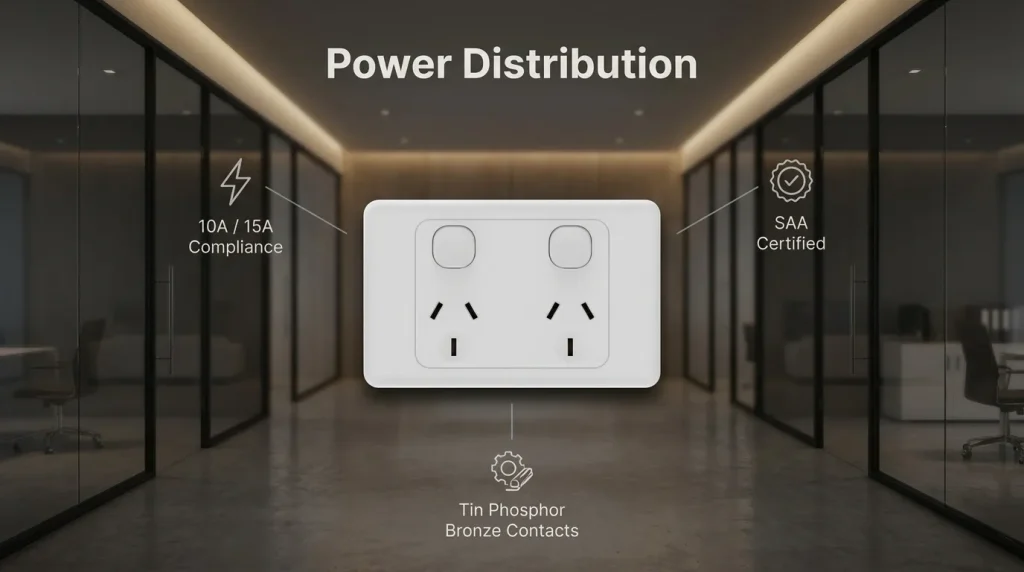
For the Australian market, SAA certification is a mandatory requirement. If you want to sell electric products legally, they must carry the Regulatory Compliance Mark. Project managers procuring wholesale switches and sockets in Australia must also secure compliant supply chains. If you use uncertified electrical parts, it can void insurance.
Other countries enforce their own national safety standards. For example, Brazil requires INMETRO certification. Southeast Asian nations utilize PS and TISI compliance systems. By complying with these requirements, you can protect your business from customs rejection.
Then, there is also the RoHS directive. Basically, it restricts specific hazardous substances in electronics. Some of these substances include lead, mercury, and cadmium. Electronic products, especially those being exported to Europe, must undergo testing for these substances.
Material selection can directly affect your products’ lifespan and safety. Electrical wall plates must withstand mechanical impact and high temperatures. Manufacturers typically use either acrylonitrile butadiene styrene (ABS) or polycarbonate (PC) polymers.
ABS is cost-effective but has limits. ABS has lower tensile strength and thermal resistance. Polycarbonate is a superior polymer for industrial applications. PC offers high impact resistance and self-extinguishing safety properties.
The table below compares the physical properties of these polymers.
| Polymer Material | Commercial Name | Tensile Strength (MPa) | Flexural Modulus (MPa) | Process Temp Range (°C) | Density (g/cm³) |
| ABS HI-121 (Amorphous) | LG Chem HI-121 | 45.1 | 2450 | 200 – 240 | 1.04 |
| PC1803R (Amorphous) | Sabic PC1803R | 63.0 | 2300 | 280 – 300 | 1.20 |
The choice of runner system also determines part stability. Classic cold runner systems are inexpensive to construct. However, cold runners generate larger percentages of shrinkage and warpage. They create cavities and unfilled areas within the plastic part.
Hot runner systems maintain uniform flow and equal heat distribution. This system eliminates runner inlet traces on the outer plate. As a result, the finished component achieves superior dimensional stability.
Right now, China is among the main players in global electrical accessory production. However, there are regions within the country specializing in different types of electrical goods. If you need to streamline your sourcing strategy, understanding this geographic distribution should be one of your priorities.
Take the Wenzhou area, for example, It specializes in low-voltage electrical components. Yueqing city is a prominent hub within this region. Many experienced switch socket manufacturers operate in this coastal area. Meanwhile, the Yueqingwan Bay Harbor houses automated manufacturing facilities.
In contrast, the Zhongshan area focuses on lighting fixtures. Among the products its factories produce are decorative switches. If you are sourcing residential fittings, manufacturers from this area are also a good choice.
It is easy for manufacturers to present products in convincing slide decks. But if their production does not match the quality they presented, your business may suffer. One of the ways you can prevent this is by conducting a physical factory walkthrough during vendor selection. This way, you can avoid future quality problems by observing several facility-level warning signs.
For example, a product reject rate exceeding two percent is a potential warning. High defect rates suggest systemic failure in manufacturing controls. You should verify these rates by reviewing on-site production logs.
When you do a facility visit and see disorganized workspaces, this can indicate poor operational discipline. Factories should implement structured workplace organization methodologies. Unsafe conditions and a lack of personal protective equipment are immediate concerns.
Be wary of outdated machinery as well. They often lack precision, especially for tight tolerances. Check the calibration stickers on measuring tools and injection molds. Outdated or missing maintenance tags also signal a lack of preventive discipline.
Wholesalers need a manufacturing partner with proven capability. In this case, IGOTO has the credentials you may be looking for. It is an established electrical accessories manufacturer with 25 years of industry experience. You can find its headquarters in the Yueqing industrial cluster.
IGOTO holds numerous certifications that global markets are looking for. Among these include SAA, CE, CB, PS, TISI, and INMETRO standards. Additionally, the company provides a 15-year warranty on its products.
Partnering with experienced electric switch socket manufacturers ensures product safety. If you need custom OEM and ODM solutions, IGOTO offers them as well. Read more about the company to verify its qualifications.
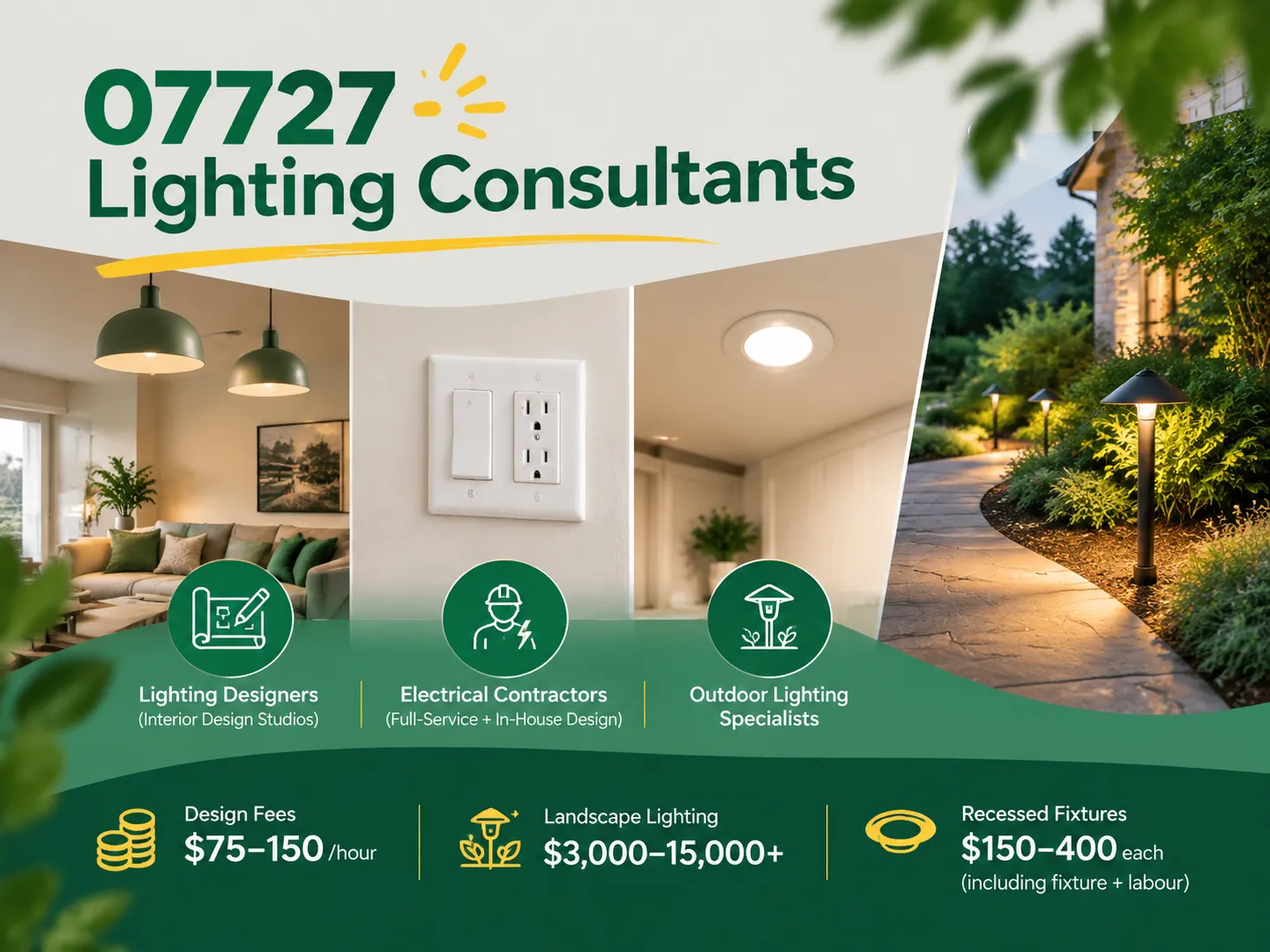
Farmingdale, along with parts of Wall Township and Tinton Falls, New Jersey, share the same zip code of 07727. Most of the houses built from the 1950s to the 1990s still exist today. Most of the homeowners are renovating their houses as opposed to building new homes. Homeowners tend to spend a lot more on […]
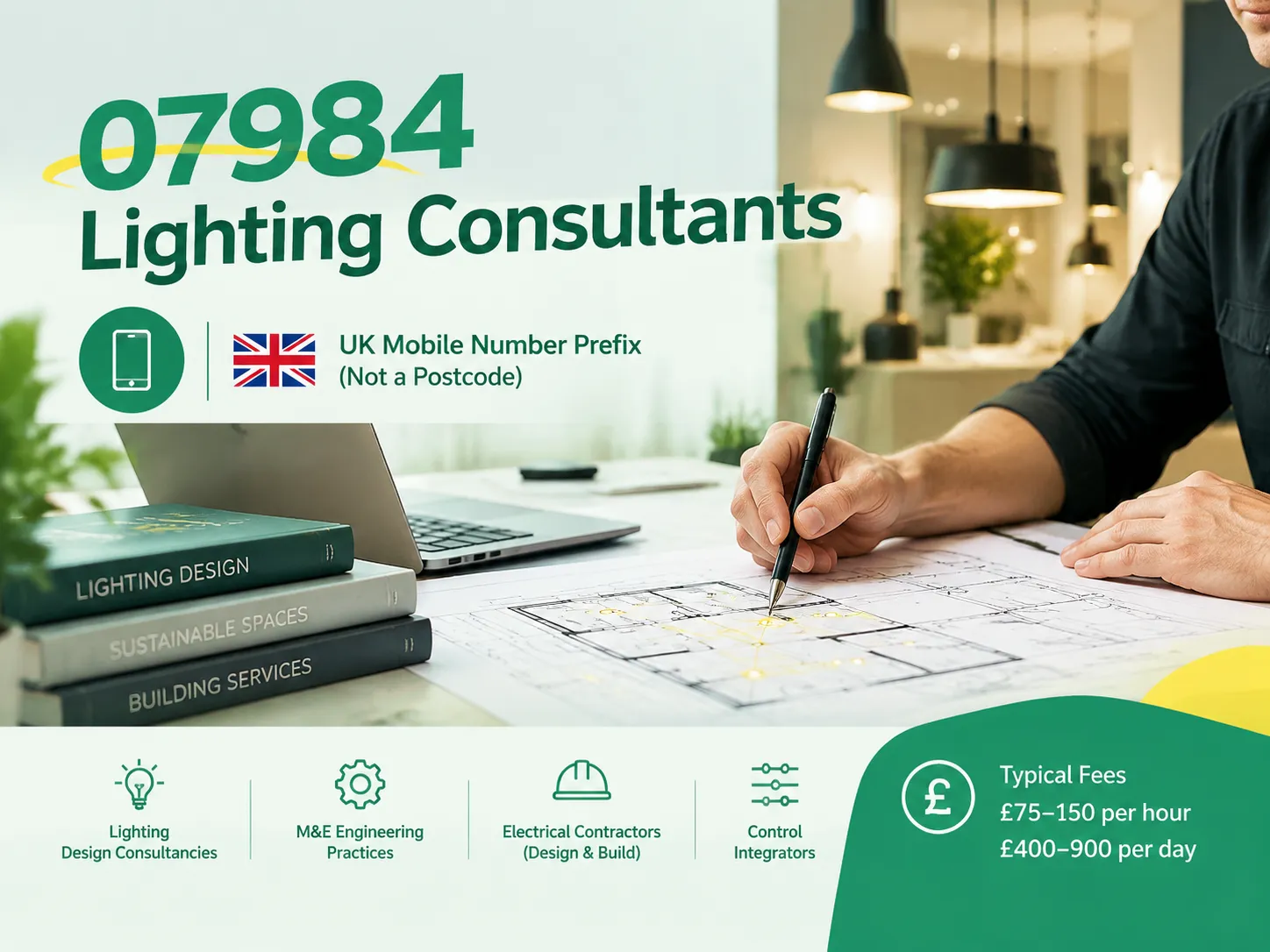
The term “07984 lighting consultants” gives people the impression that the five digits represent a postal code of some sort that indicates the place where lighting consultants provide services. This is, however, incorrect: there is no postal area coded 07984, which is only a code of mobile telecommunications in Great Britain. This means that the […]
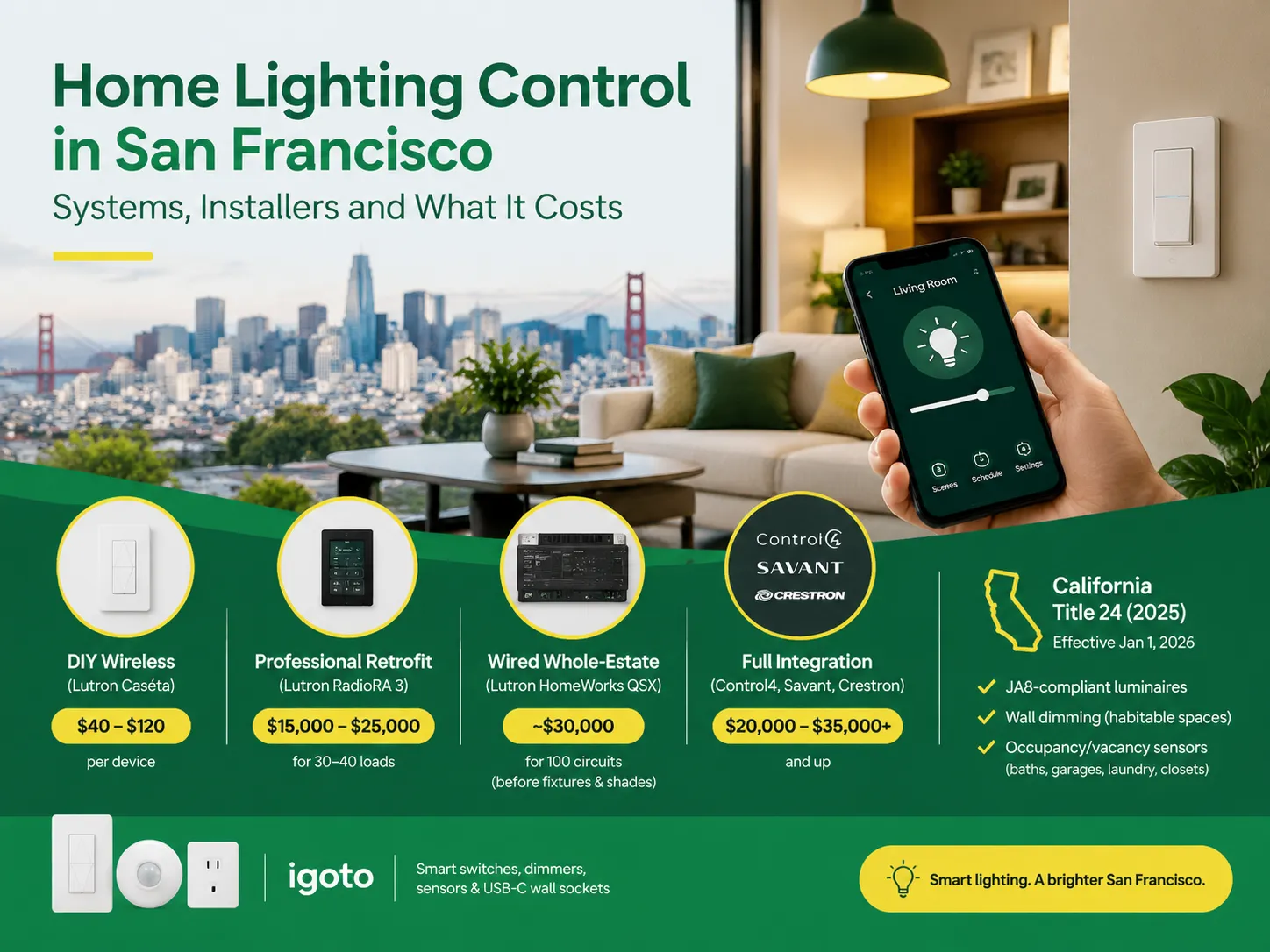
San Francisco is not the average lighting control market. The housing stock is old and dense, and the electrical code does not allow for as many electrical installations as is allowed almost anywhere else in the U.S. Most homes that want complex lighting are Victorian or Edwardian buildings where no one wants to start opening […]

 No.6 Tuozhan Road, Leshang Pioneer Park,Yueqingwan Bay Harbor,Yueqing city,Zhejiang Province