

Due to the numerous locations where lights will be turned On/Off, Electricians need to determine which configuration will best suit their needs. Knowing how these two switch types function differently will assist Electricians in determining what type of switch they need based on the unique characteristics of the space where the switch will be located. With this article, I will help you understand when someone would use a 3-way or 4-way switch.
A 3-way switch allows you to control one light fixture from two separate locations. For example, you can control a hallway light using two switches located at either end of the hallway. The traveler wires connect the two switches and the light fixture and communicate with each other to keep the two switches in sync with each other.3–way switches have three unique characteristics:
Four-way switch is a type of electrical switch that allows the user to control a fixture from up to four different locations. The term “four-way” refers to the fact that it has four connection points: the two lower terminals connect to the upper terminals of the two three-way switches (the “3 ways”) that control the fixture. In addition, two other terminals (the “travelers”) connect to the two three-way switches.Four-way switches can be used to control a fixture from multiple locations, such as along a long hallway or at the top and bottom of a staircase. Some important characteristics of four-way switches include:
3-way switches allow two different people to use the same switches to control a light from two different locations, such as at each end of a long hall. 4-way switches allow the addition of other switches in between the 3-way switches for additional control points. In larger zones that have longer runs of wire, the lack of 4-way switches greatly restricts how many switches can be placed in various areas, and therefore how much flexibility is provided in terms of controlling these lights.
3-way switches provide people with the necessary capability to control a light from two different locations. The number of entrance points to any room or area of a structure that is located on either end of the room must be wired for 3-way switches. 4-way switches provide additional control from the additional middle switches located in between the two end 3-way switches. For long passageways or stairways connecting main halls together, the use of 4-way switches is recommended.
The 3-way switch has three terminals: One terminal is the Common terminal, the other two terminals are the Traveler terminals (one each from the end switches), and the Ground terminal (the black wire). The two Traveler wires allow the switch to send the toggle signal to the other traveler wire and synchronize the toggling action of the other switch. 4-way switches have four terminals, two for the Traveler wires from the end switches, and two from the two Traveler wires from those end switches. This enables the two switch systems to send the same toggle signal back and forth utilizing both Traveler wires to bridge the signals between both Traveler wires.
In a 3-way system, the Traveler wires are physically connected so that they are swapped at the ends of the Traveler wire. The signal is sent over one Traveler wire and received over the other Traveler wire of the same switch. A 4-way switch is inserted in the path to tap into both Travelers from both ends of the Traveler wire and bridge the signalling system. This enables additional switches to be added in a way that allows proper and expanded control of the lights through the inclusion of the 4-way switches.
For more than 25 years, IGOTO Electric has provided Electricians with quality light-switches and wiring devices at an affordable price. IGOTO Electric is a well-established supplier of professional electrical safety switches, with an extensive catalogue that contains professional-grade toggles, rockers, timers, dimmers, sensors and speciality switches designed for both commercial and residential electrical installations.
The IGOTO Electric 3 Way & 4 Way light switches meet the highest current safety standards and are certified by ISO, representing durable, high-quality construction, optimum electrical ratings, and reliability. Each product is tested according to the international standards for durability and electrical ratings.
By understanding how the functions differ between switches used in 3-Way versus 4-Way applications and their respective uses, customers can save time specifying requirements when seeking to integrate a dual control or intermediate controlling points in their application(s). Across large living spaces, hallways and stairwells, IGOTO Electric provides customers with high-quality compliant solutions backed with a guaranteed best price on their extensive product offering. Contact IGOTO Electric today and let one of our experts guide you in finding the best switches for your individual application requirements.
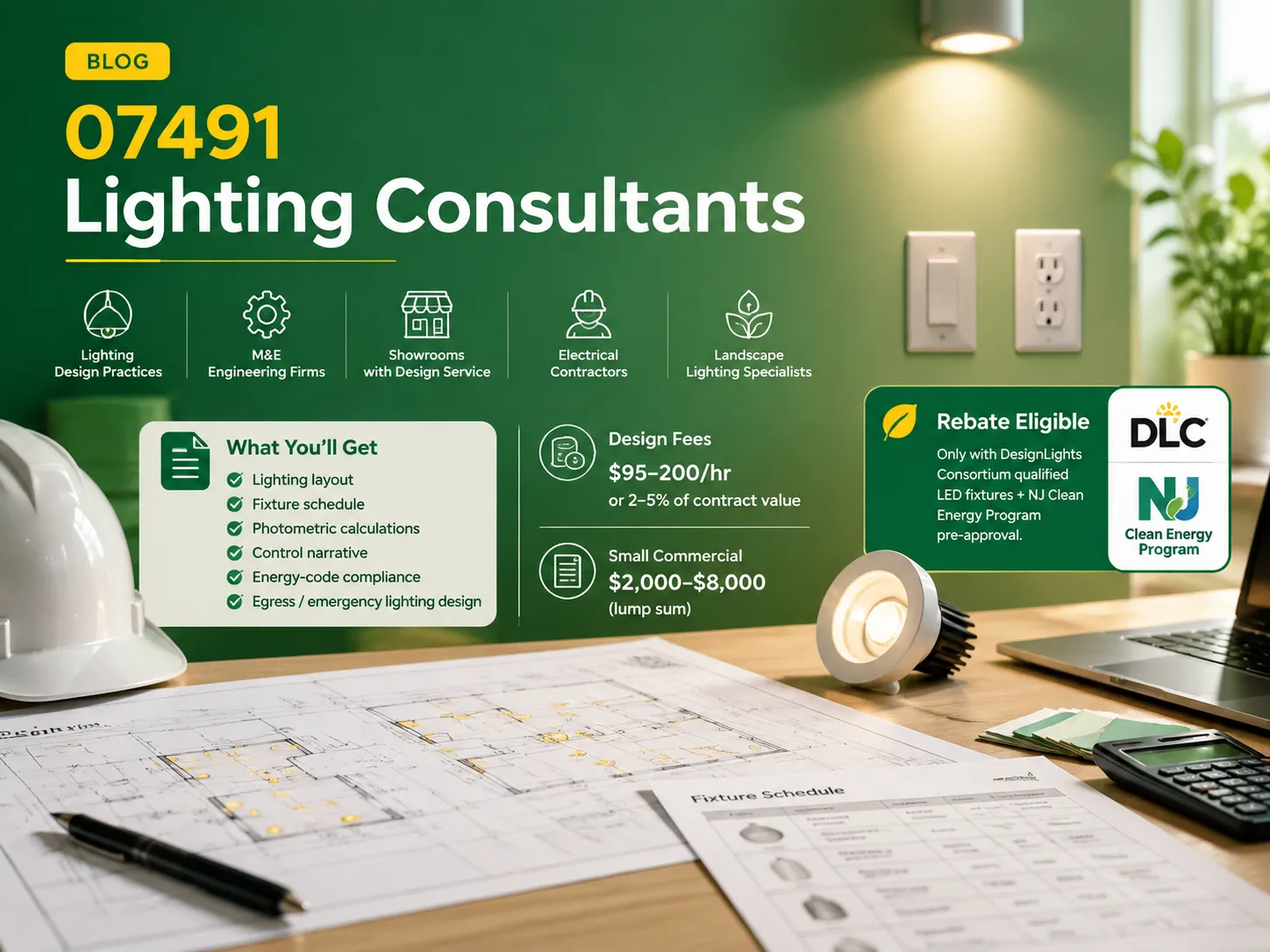
If you need assistance with lighting in the 07491 region, is essential to ask two crucial inquiries: who is operating nearby and how much is charged for the services. Concerning the first question, one can easily find the answer regarding the facts and figures because the market in northern New Jersey is not so broad. […]
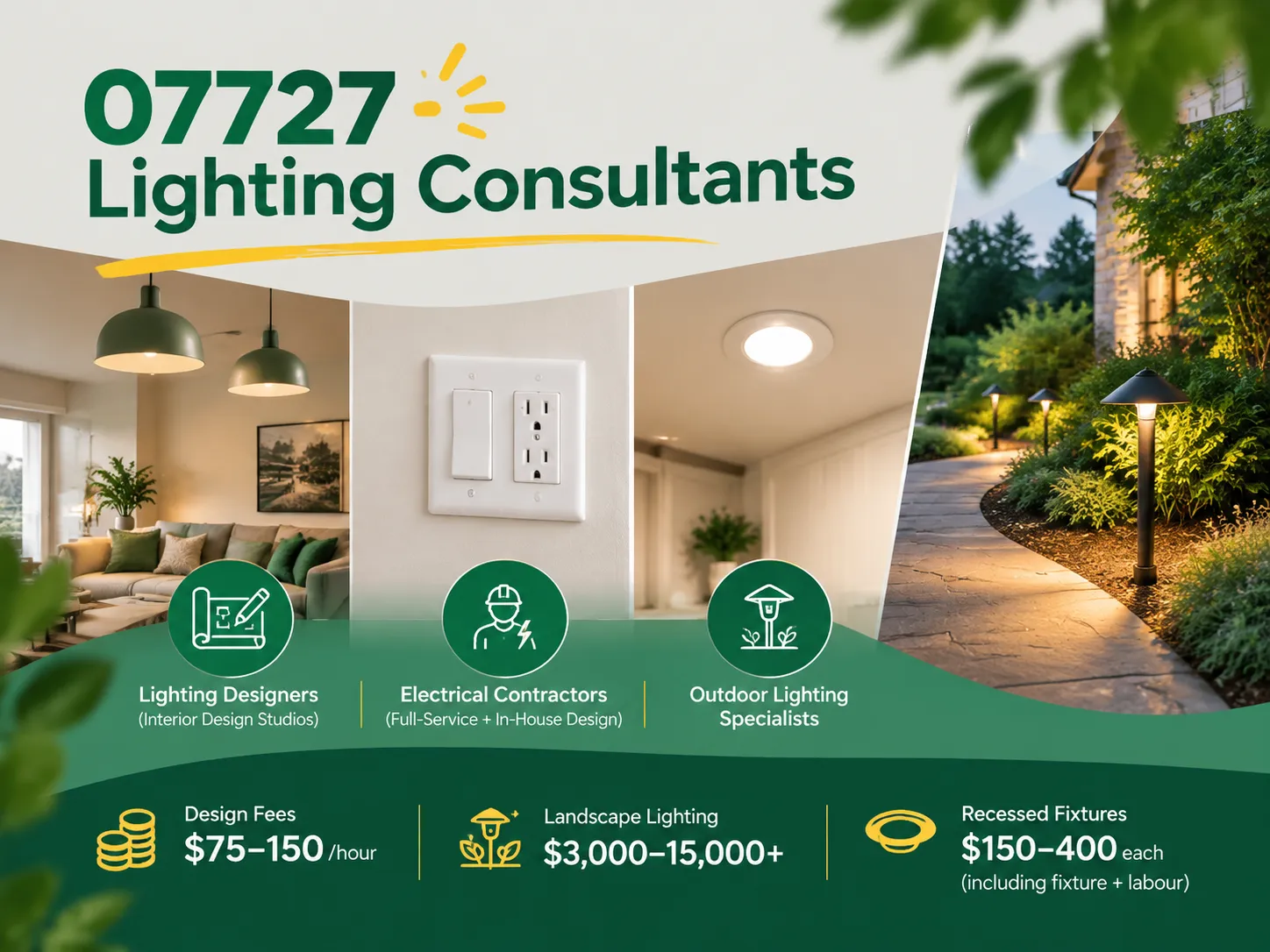
Farmingdale, along with parts of Wall Township and Tinton Falls, New Jersey, share the same zip code of 07727. Most of the houses built from the 1950s to the 1990s still exist today. Most of the homeowners are renovating their houses as opposed to building new homes. Homeowners tend to spend a lot more on […]

The term “07984 lighting consultants” gives people the impression that the five digits represent a postal code of some sort that indicates the place where lighting consultants provide services. This is, however, incorrect: there is no postal area coded 07984, which is only a code of mobile telecommunications in Great Britain. This means that the […]

 No.6 Tuozhan Road, Leshang Pioneer Park,Yueqingwan Bay Harbor,Yueqing city,Zhejiang Province


