

Whether you are a wholesaler or distributor in the Australian electrical market, you must balance compliance, cost, and lead times. Many local brands face competition from global manufacturers. But as long as you understand material specifications and certification, you will be able to select the right partners.
Many Australian wholesalers want to build their own local brand. You may be one of them, too. Original equipment manufacturers (OEMs) provide flexible private label options. Through these partners, you can rebrand standardized electrical products under your own trademark. This approach can allow your company to build equity in your local market.
By partnering with OEM manufacturers, you can request specific product modifications. For instance, you may want to customize switch configurations, colors, and faceplate materials. If you have unique local project requirements, this customization helps you meet them. Basically, it is what differentiates your product portfolio from the typical market offerings.
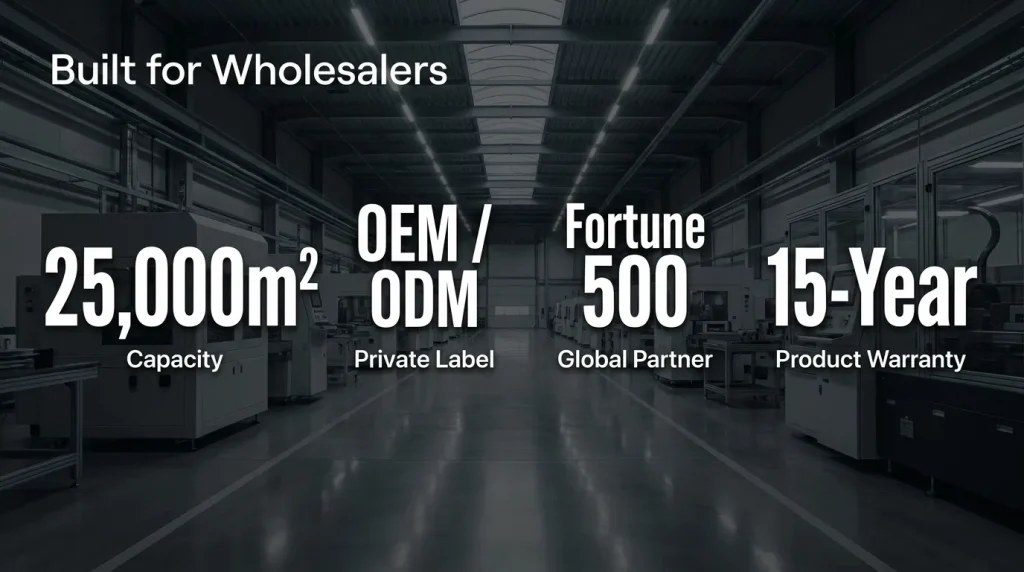
Despite their best efforts, manufacturers might still produce defective products. Long-term warranties can protect you from these defects. For example, an OEM supplier can offer an extensive 15-year warranty. This guarantee offers you some confidence to stock your inventory without worrying about financial risks. Most of all, it helps build trust with contractors installing these products.
Wholesalers comparing local brands with global OEM options should also assess local preferences and support capabilities.
For example, major local brands include Clipsal switches, which feature extensive support. Installers often request a Clipsal light switch for residential smart homes. Alternatively, some buyers select Schneider electric switches for energy management. Wholesalers also stock HPM switches for standard household upgrades.
In many cases, global OEM manufacturers offer lower upfront costs per unit. However, they often require larger minimum order quantities (MOQs) than local sources do. Wholesalers must weigh purchase costs against inventory holding costs. The right supplier can provide you an ideal balance of price, compliance, and support.
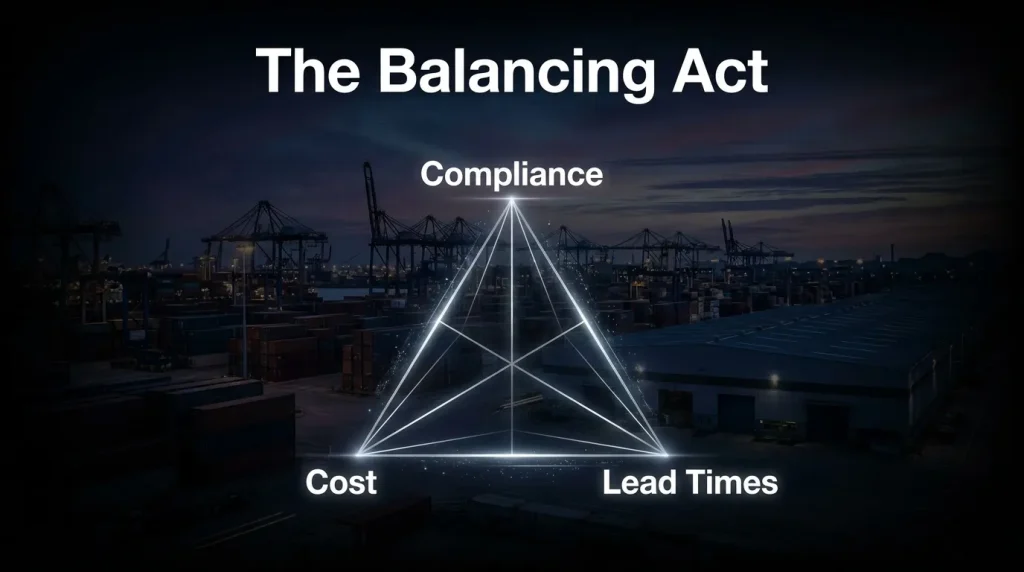
Wholesalers in Australia should evaluate suppliers using key business criteria. The table below compares the two sourcing models:
| Sourcing Criteria | Local Branded Suppliers | Global OEM Manufacturers |
| Unit Purchase Cost | Higher upfront cost | Lower direct factory cost |
| Product Customization | Limited standard models | Flexible private labeling and colors |
| Certification Coverage | Pre-certified local stock | SAA, ISO 9001, and RoHS compliance |
| Warranty Protection | Standard commercial terms | Extended 15-year warranty periods |
| Supply Chain Speed | Faster local delivery | Longer maritime transit times |
Some Australian wholesalers may face major logistics hurdles. For example, port strikes can occur in major hubs like Sydney, Melbourne, or Fremantle. If you are expecting critical stock to arrive, these events can delay your shipment. They can also threaten delivery timelines for your local projects. Overall, long shipping distances make quick inventory replenishment very difficult.
If you plan to switch to overseas sources, you need significant upfront capital. Wholesalers must hold large inventory stockpiles to prevent sudden shortages. This practice can tie up your cash flow in warehousing costs.
Local supplier networks can reduce these financial pressures. By establishing strong local relationships, you can gain short-term credit and split deliveries. Not only does this help improve your overall cash flow. It also enhances your operational flexibility.
Electrical equipment must withstand harsh local operating conditions. High ambient temperatures, moisture, and dust damage inferior materials. If you are importing products that work well in Europe or Asia, they may still fail in Australia. Thus, you need products designed specifically for the Australian climate.
How would you know if your electrical product works in the Australian market? It must comply with the Electrical Equipment Safety Scheme (EESS). Under this framework, in-scope equipment must have rated voltages above 50 VAC or 120 VDC. This rating means your equipment is generally safe for household or personal use. All participating Australian states mandate these safety rules.
The EESS defines three distinct compliance levels:
Level 3 devices require a registered Responsible Supplier. These devices must have a valid Certificate of Conformity. They also must carry the Regulatory Compliance Mark (RCM) on their housing.
Australia uses the Type I plug and socket system. The standard AS/NZS 3112 defines pin dimensions and earthing requirements. General household sockets are rated at 10A. Heavy-duty appliances require a 15A socket with a larger earth pin. The physical size difference prevents unsafe load matching.
Commercial equipment not in-scope of EESS must comply with AS/NZS 3820. This standard outlines essential safety requirements for all electrical equipment. Compliance prevents the risk of electrocution, fire, and property damage. Holding a voluntary Certificate of Suitability provides peace of mind.
Responsible Suppliers must submit accredited safety test reports. These reports must come from ILAC-accredited laboratories. Overseas IEC or EN test reports require top-up testing for Australian variations. Offenders may face hefty fines or imprisonment for serious breaches.
Direct sourcing from Chinese factories reduces transaction costs. Wholesalers can eliminate expensive middlemen from their supply chain. This strategy provides competitive bulk pricing for project contracts. Sourcing directly allows buyers to purchase wall switches and power points at factory-direct rates.
Large Chinese factories offer extensive manufacturing capacity. Some facilities exceed 25,000 square meters in size. With such a large area, these factories can support consistent bulk production for global markets. Many of them can even produce as many as 500 SAA-certified SKUs.
High-performing switches require premium internal materials. Silver alloy contacts provide excellent electrical conductivity. These materials resist high temperatures during prolonged operation. Flame-retardant housings prevent the spread of electrical fires. These parameters are vital for high-demand environments like commercial kitchens.
Australian power points require durable internal socket contacts. Tin phosphor bronze contacts provide excellent current flow. This material has low heat build-up and strong fatigue resistance. These features extend the operational life of the socket. Wholesalers benefit from fewer product failures and returns.
Modern electrical switch brands in Australia must offer aesthetic variety. For instance, polycarbonate (PC) panels can provide a practical, matte finish for everyday projects. Acrylic panels offer a glossy, layered finish, which works for many premium residential spaces. Aluminum faceplates deliver a premium, modern metallic look that is ideal for offices.
As a wholesaler or local supplier, you can target different market segments if you have these material options.
Choosing the right manufacturer is vital for Australian wholesalers. They must partner with factories that prioritize regulatory compliance. Ensuring SAA certification on all products prevents heavy legal penalties. The right partner balances competitive pricing with strict material testing.
IGOTO is an experienced, SAA-certified manufacturer of electrical accessories. We supply a full range of Australian standard switches and sockets. Our wholesale switches and sockets Australia catalog covers 10 distinct design series. We manufacture all products under ISO 9001 and ISO 14001 systems. This ensures our switch and socket AU standard items meet strict local requirements.
Our Yueqing facility supports high-volume production with fast turnaround times. We offer full OEM and private label customization for wholesalers. All wall switches and sockets carry our 15-year warranty. Contact IGOTO today to request free samples and a wholesale quote.
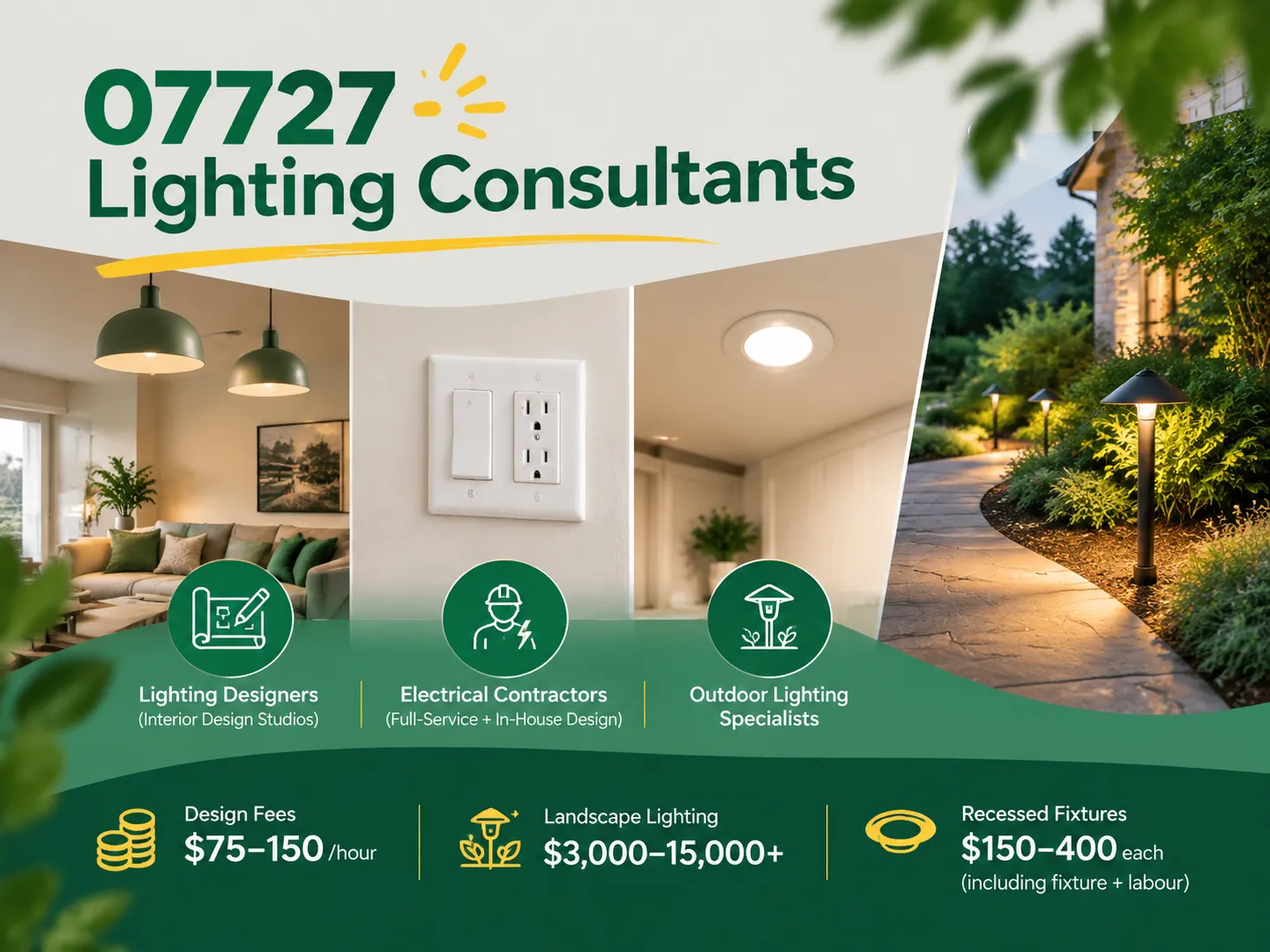
Farmingdale, along with parts of Wall Township and Tinton Falls, New Jersey, share the same zip code of 07727. Most of the houses built from the 1950s to the 1990s still exist today. Most of the homeowners are renovating their houses as opposed to building new homes. Homeowners tend to spend a lot more on […]
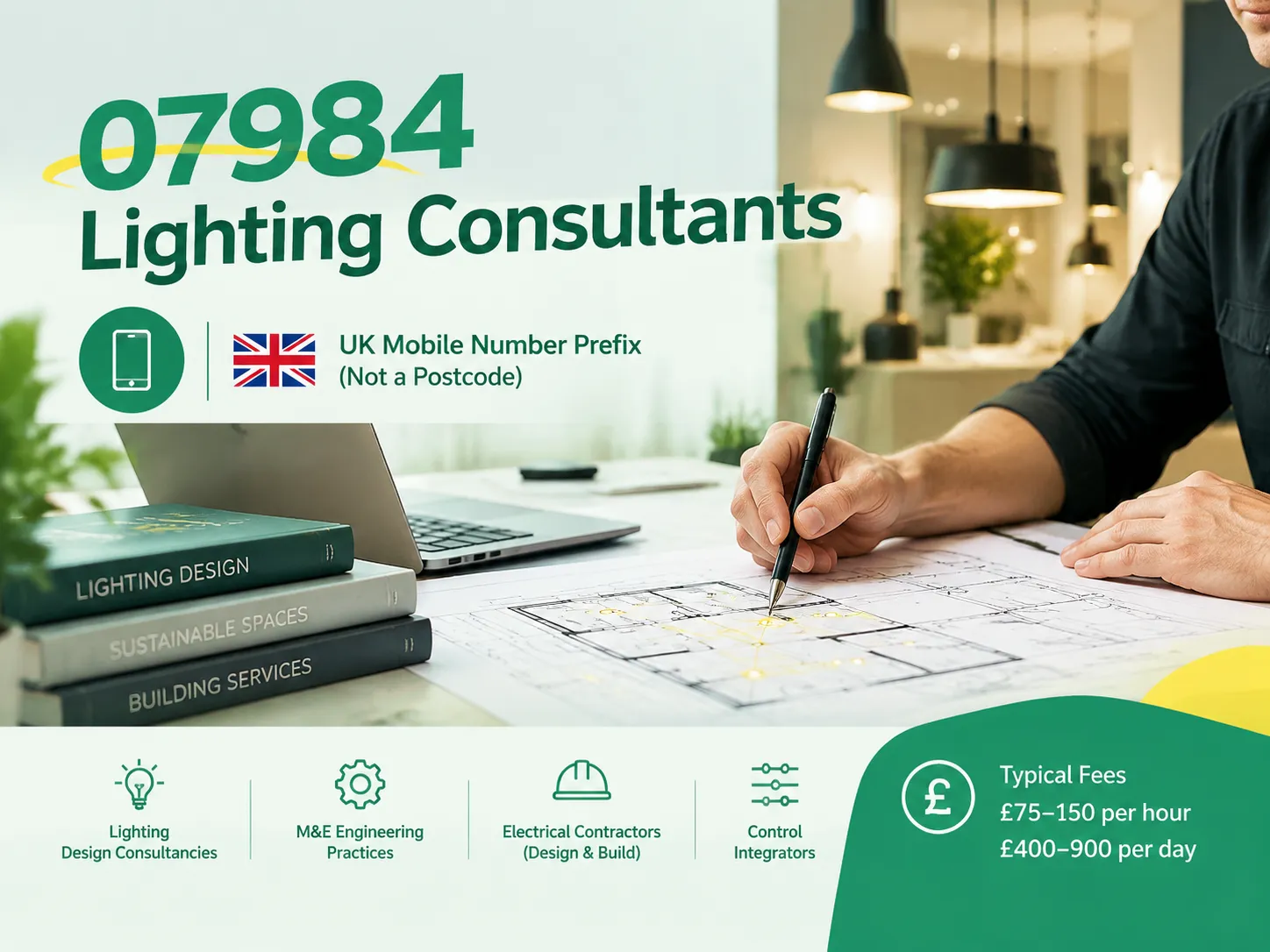
The term “07984 lighting consultants” gives people the impression that the five digits represent a postal code of some sort that indicates the place where lighting consultants provide services. This is, however, incorrect: there is no postal area coded 07984, which is only a code of mobile telecommunications in Great Britain. This means that the […]
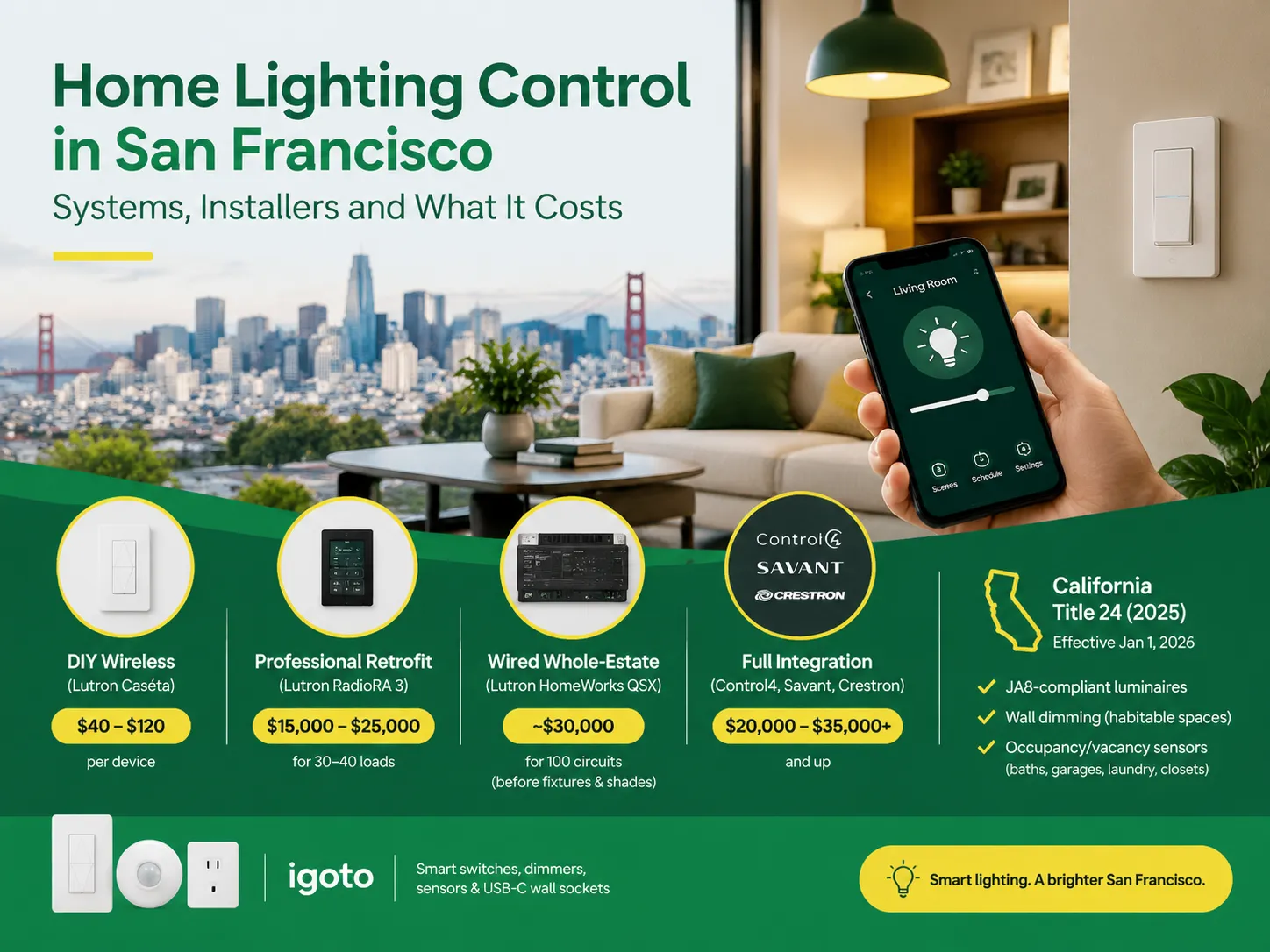
San Francisco is not the average lighting control market. The housing stock is old and dense, and the electrical code does not allow for as many electrical installations as is allowed almost anywhere else in the U.S. Most homes that want complex lighting are Victorian or Edwardian buildings where no one wants to start opening […]

 No.6 Tuozhan Road, Leshang Pioneer Park,Yueqingwan Bay Harbor,Yueqing city,Zhejiang Province


