

The smart wall switch industry is evolving fast, and it’s not just about turning lights on with an app anymore. With IoT, AI, and universal protocols like Matter driving change, switches are becoming smarter, more efficient, and essential to connected living.
For property developers, system integrators, and forward-thinking suppliers, understanding these shifts is key to staying competitive.
Consumers expect more than timers and remote controls. Voice assistants like Alexa, Google Assistant, and Siri have made voice-activated lighting mainstream.
But what’s growing fast is AI-based automation. Smart wall switches can now learn user habits, adjust based on occupancy, and even predict lighting preferences by time of day or usage history.
The result? Better user experience and more energy savings, especially in smart buildings and premium residential projects.
An IoT wall switch connects to a home or building’s Wi-Fi, Zigbee, or other mesh networks, enabling remote control, scheduling, and automation.
Here’s a quick tech breakdown:
The shift toward Matter-compatible switches is one of the biggest trends to watch through 2025–2026.
AI integration allows wall switches to do more than on/off control. New models can:
This makes AI smart home systems not just convenient but measurable and efficient. In large-scale projects like apartments or smart office buildings, these insights help manage costs and improve sustainability ratings.
Several developments are redefining how wall switches function in smart homes and buildings:
At IGOTO, we design and manufacture IoT wall switches that align with where the market is going. Our products support:
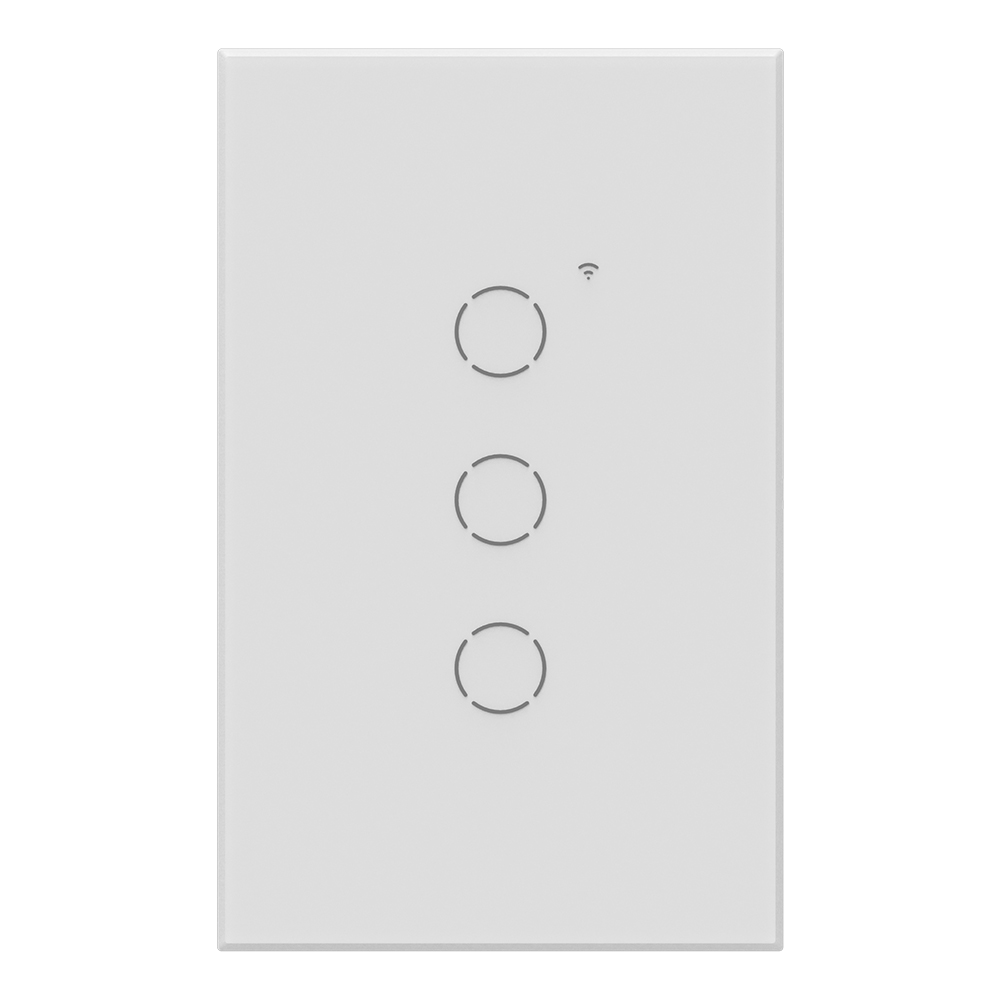
Building or sourcing the smart homes of tomorrow? Talk to our team about AI-enabled wall switches and IoT-ready fittings built for seamless integration in modern smart environments.
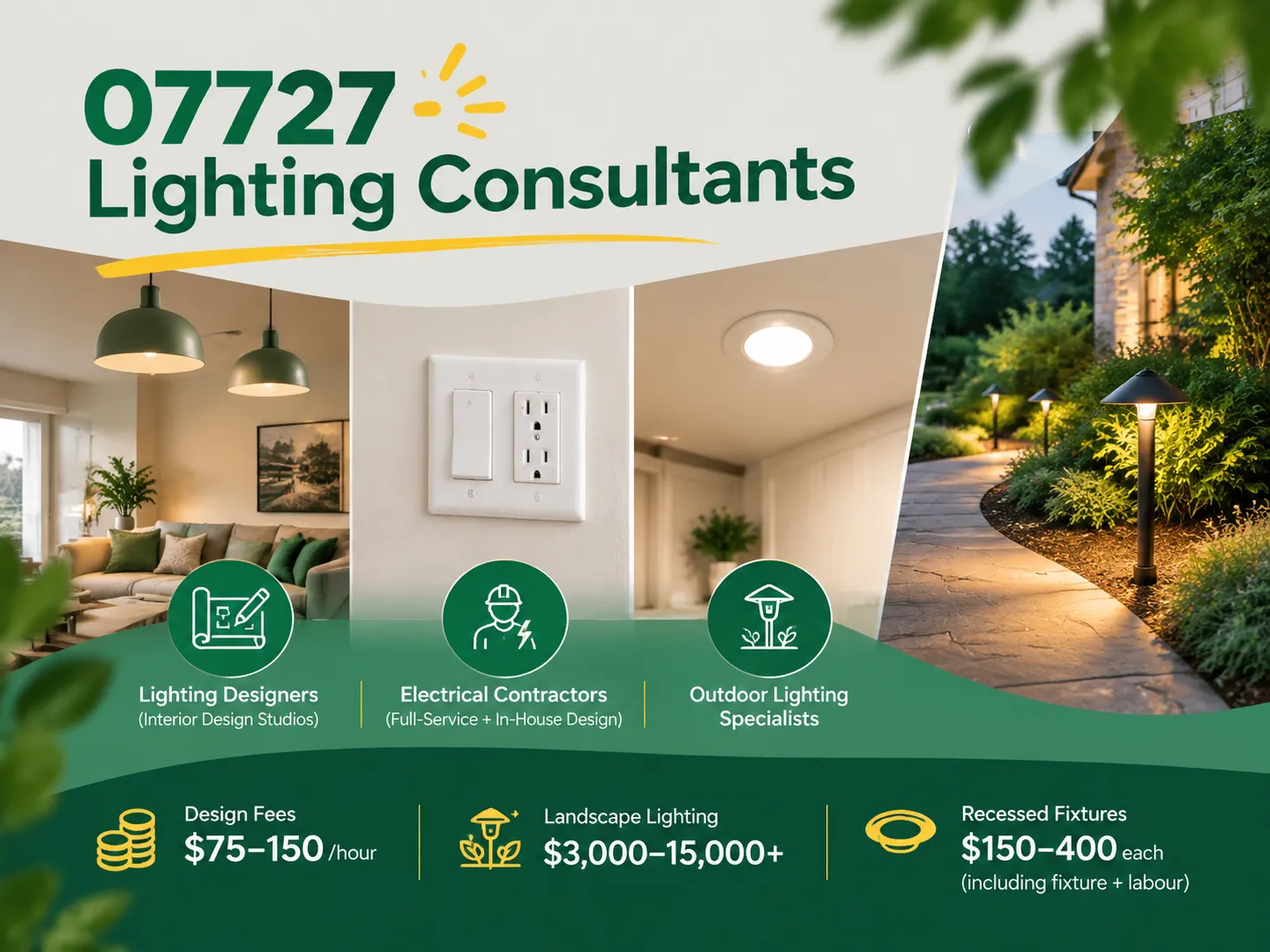
Farmingdale, as well as parts of Wall Township and Tinton Falls, New Jersey, all share the same zip code of 07727. This area is in Monmouth County and has a population of approximately 7,100 people. The average price of homes in Farmingdale is approximately $586,000. Ninety-eight percent of homes that are occupied are owner-occupied. The […]

The term “07984 lighting consultants” gives people the impression that the five digits represent a postal code of some sort that indicates the place where lighting consultants provide services. This is, however, incorrect: there is no postal area coded 07984, which is only a code of mobile telecommunications in Great Britain. This means that the […]
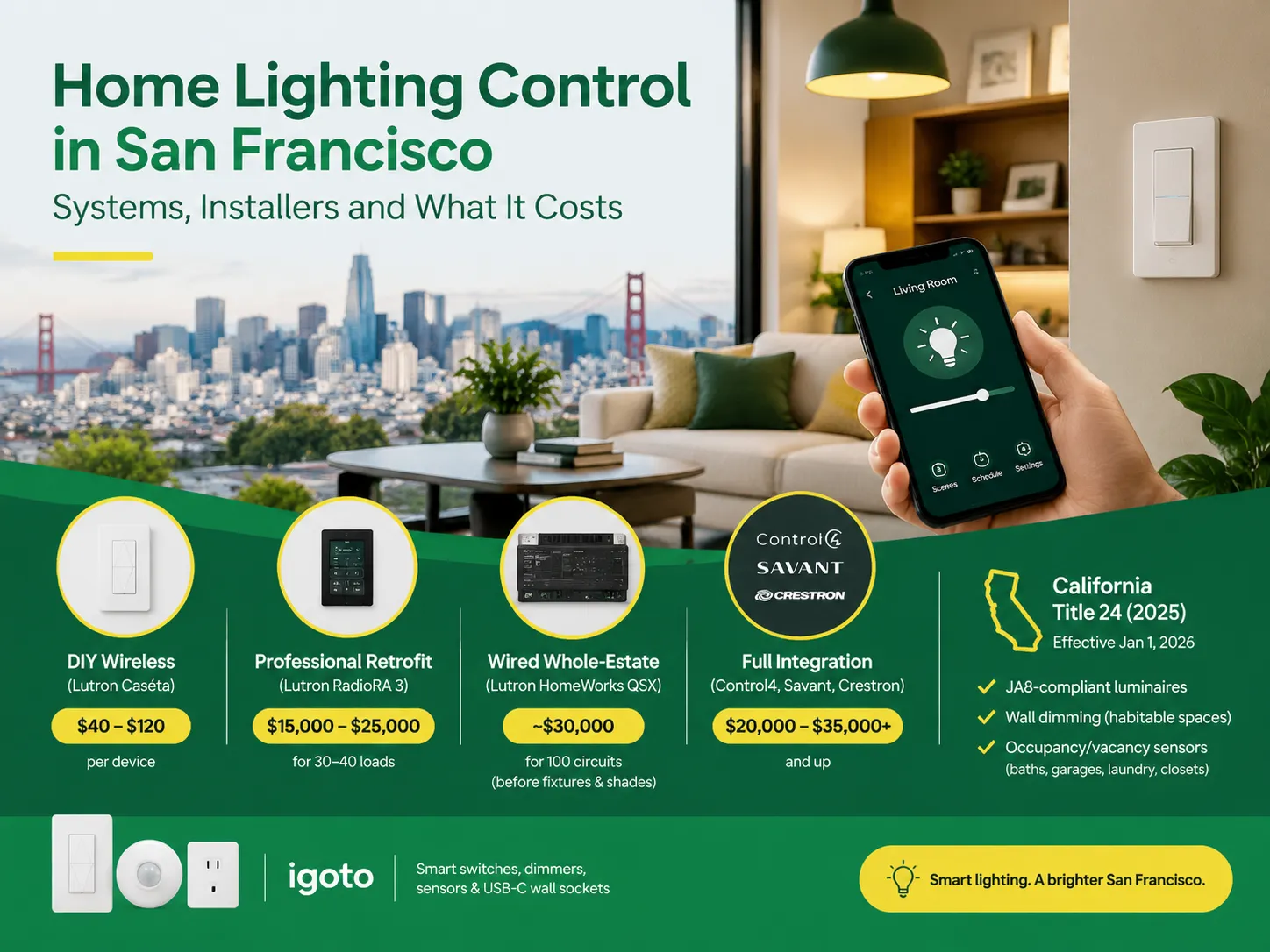
San Francisco is not the average lighting control market. The housing stock is old and dense, and the electrical code does not allow for as many electrical installations as is allowed almost anywhere else in the U.S. Most homes that want complex lighting are Victorian or Edwardian buildings where no one wants to start opening […]

 No.6 Tuozhan Road, Leshang Pioneer Park,Yueqingwan Bay Harbor,Yueqing city,Zhejiang Province


