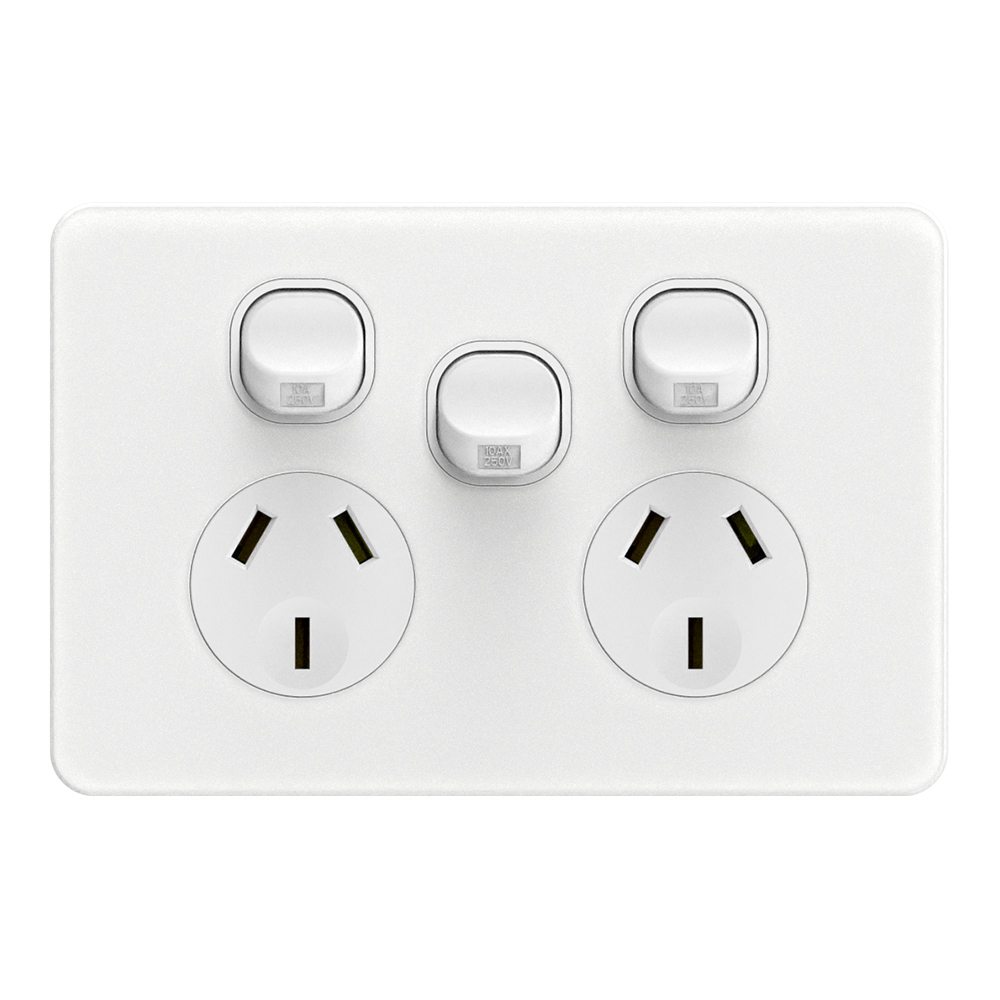
Quick answer: A switch with ground comes into play when a live conductor makes contact with the conductive parts of a switch. It provides fault current with a safe path and helps prevent exposed metal from staying energized during the fault. IGOTO offers SAA-certified switches for the Australian market, along with certified switch ranges for other regions.
Even though a light switch can function without a grounding connection, it comes with certain risks that show up when things become unusual.
Imagine the live conductor becoming loose and touching the conductive part of the switch. In this case, the metal can become energized and give an electric shock to the individual touching it. With a grounding system in place, that current has another path to flow through, allowing the breaker or other protective device to disconnect the circuit.
Grounding becomes more critical in schools, offices, and other shared spaces where switches are used repeatedly throughout the day. Commercial buildings also place those switches within reach of many different individuals. With proper grounding, the odds of an electrical fault leaving an exposed conductive part energized are low.
Modern installations typically require the light switch to be grounded. The grounding terminal will be connected to the equipment-grounding conductor if the switch has one. A grounded metal box is where the setup can differ. Some switches do not require a separate ground connection and can ground via the metal mounting yoke.
Note that older wiring may not have a ground connector at the switch at all. Yes, it can still function as normal, but the installation may not be compliant with the local building codes. Check this to learn what is permitted when you order a replacement.
Ground and neutral wires serve distinct purposes.
A neutral wire carries current during the regular operation of the circuit. A ground wire comes to life during an electrical fault, offering a safe path for the current. Don’t use one in the place of the other.
Using a light switch without a neutral wire is where the difference typically becomes apparent. Because the mechanical switch opens and closes the circuit, it may not require a neutral at the switch box.
The case, however, is different if you’re installing a smart switch. These switches require a neutral to ensure the internal electronics get consistent power, although non-neutral models are available in the market too. That’s why it’s important to check the wiring diagram of the exact switch before making a buying decision.
Grounding makes up just one aspect of the specification. You also need to consider the electrical rating and materials before placing a commercial order. Other important things to check include the expected service life, certification, and how the factory maintains quality during bulk production.
The first thing to ensure is that the current rating and voltage match the project. You should also check the housing material, terminals, and contacts, particularly if the switch is meant to be frequently used.
Make sure the voltage and current rating match the project. Contacts, terminals, housing material, and switching life are worth checking too, particularly for switches that will see frequent use.
Take IGOTO’s FS316 model. This Australian-standard horizontal double power point with an extra switch is rated at 10A/250V. It uses silver-alloy switch contacts, T3 copper terminals, and phosphor-copper contacts.
The acrylic panel is fire-resistant, and IGOTO rates the switch for more than 40,000 on/off operations.
Although displaying a certification on the website is a sign of quality, don’t assume that it covers the whole range of products a manufacturer offers to customers.
With the IGOTO FS316 series, you get the SAA certification for the Australian market. But we also list the ISO 14001 and ISO 9001 certifications for the same series.
We also carry other certifications for other markets, including CB and CE for applicable European items. For those looking to source for different regions, it’s a good idea to check each range separately.
A sample can meet every specification and still tell you very little about what you’ll receive six months later.
IGOTO says every wall switch and socket goes through automated electrical and mechanical testing, with online inspection built into production. Destructive and environmental testing is carried out on samples.
That’s particularly relevant when you’re ordering at scale. You want the tenth production run to meet the same requirements as the sample you originally approved.
IGOTO provides a closer look at its equipment and production controls on its manufacturing page.
Switch replacement isn’t always straightforward if the wiring is several decades old. That’s because you might have a switch box without an equipment-grounding conductor, a neutral, and in some cases, both.
This can be an issue when the replacement requires connections that aren’t compatible with the older switch. For instance, you may need to add a neutral when replacing a basic mechanical switch with a smart one. You have to check the grounding separately as well, as older installations could be subject to varying replacement provisions.
Therefore, never assume that you can wire the new switch using the exact same method you use to uninstall the older one. Check the requirements of the replacement switch, the existing wire, and the electrical code before deciding how to go about the replacement.
Whether a light switch needs ground depends on the switch construction and installation. You also need to consider the applicable electrical code, plus have an approved connection to the equipment-grounding system where grounding is necessary.
Where the applicable electrical standard requires it, yes. Grounding provides a path for fault current and helps prevent conductive switch parts from remaining energized during a fault.
Yes, an ungrounded switch can still turn a light on or off. But it doesn’t reveal whether the installation is compliant or secure. Grounding is usually there for fault conditions rather than regular switching.
Yes, some switches are designed to work without a neutral. Many traditional mechanical switches don’t require one, and some electronic switches are specifically designed for no-neutral installations. Never use the ground conductor as a replacement for neutral.
Grounding is one part of the specification. Electrical ratings, regional certification, materials, switching life, and factory quality control all need to match the project.
For Australian-market buyers, the FS316 has a documented 10A/250V rating, SAA certification, fire-resistant acrylic construction, and a switching life above 40,000 operations. Distributors can check those specs against the project requirements before deciding whether the FS316 is the right fit.
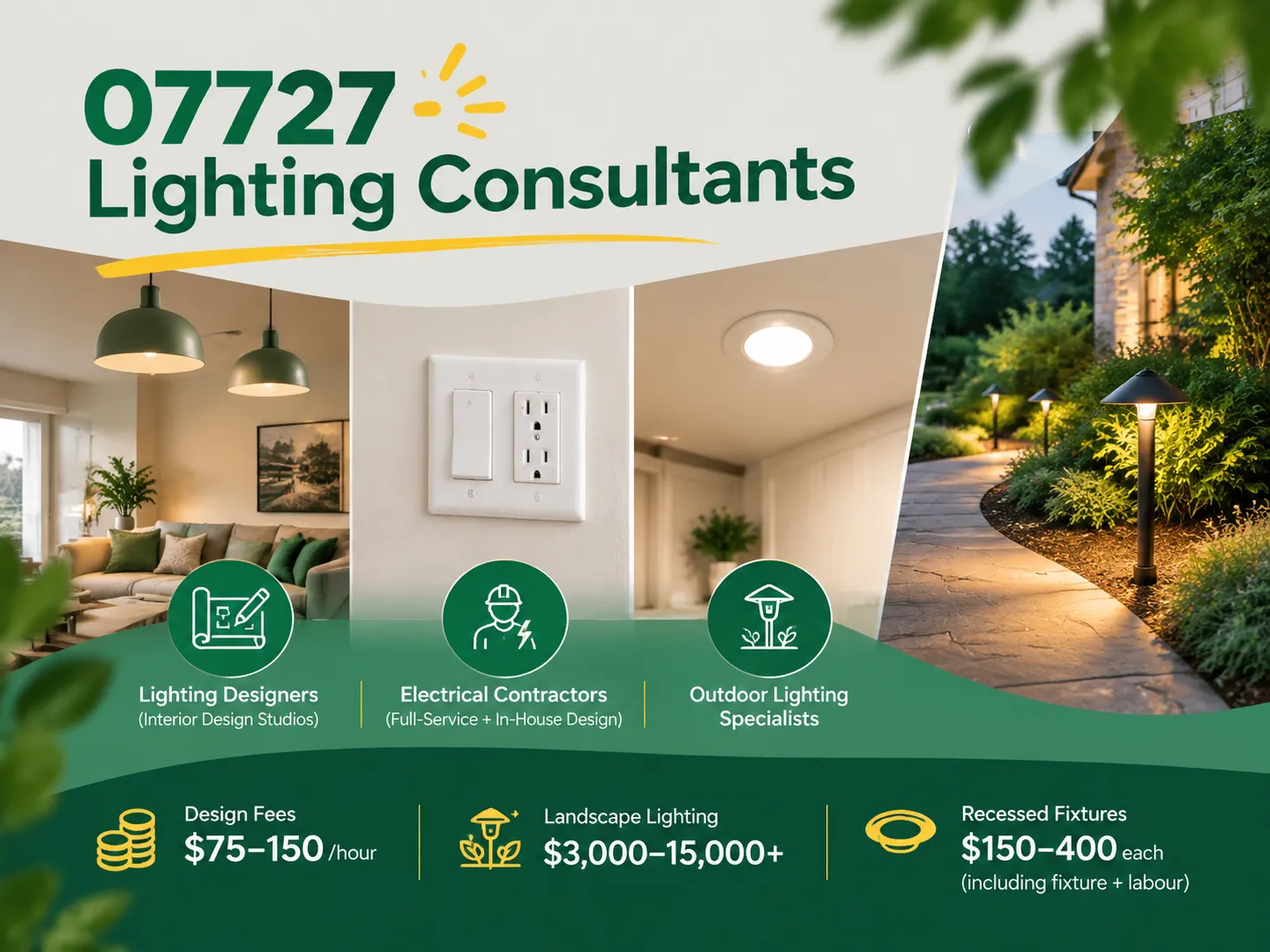
Farmingdale, along with parts of Wall Township and Tinton Falls, New Jersey, share the same zip code of 07727. Most of the houses built from the 1950s to the 1990s still exist today. Most of the homeowners are renovating their houses as opposed to building new homes. Homeowners tend to spend a lot more on […]

The term “07984 lighting consultants” gives people the impression that the five digits represent a postal code of some sort that indicates the place where lighting consultants provide services. This is, however, incorrect: there is no postal area coded 07984, which is only a code of mobile telecommunications in Great Britain. This means that the […]

San Francisco is not the average lighting control market. The housing stock is old and dense, and the electrical code does not allow for as many electrical installations as is allowed almost anywhere else in the U.S. Most homes that want complex lighting are Victorian or Edwardian buildings where no one wants to start opening […]

 No.6 Tuozhan Road, Leshang Pioneer Park,Yueqingwan Bay Harbor,Yueqing city,Zhejiang Province