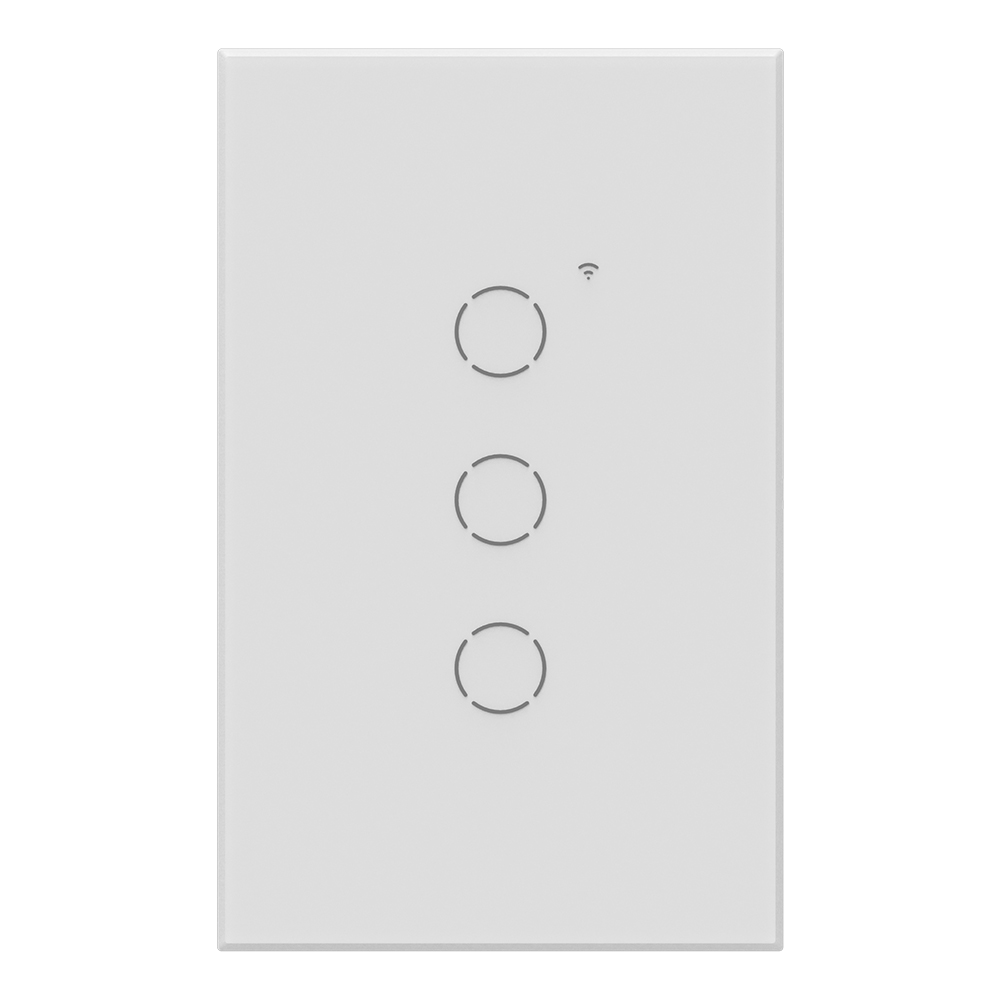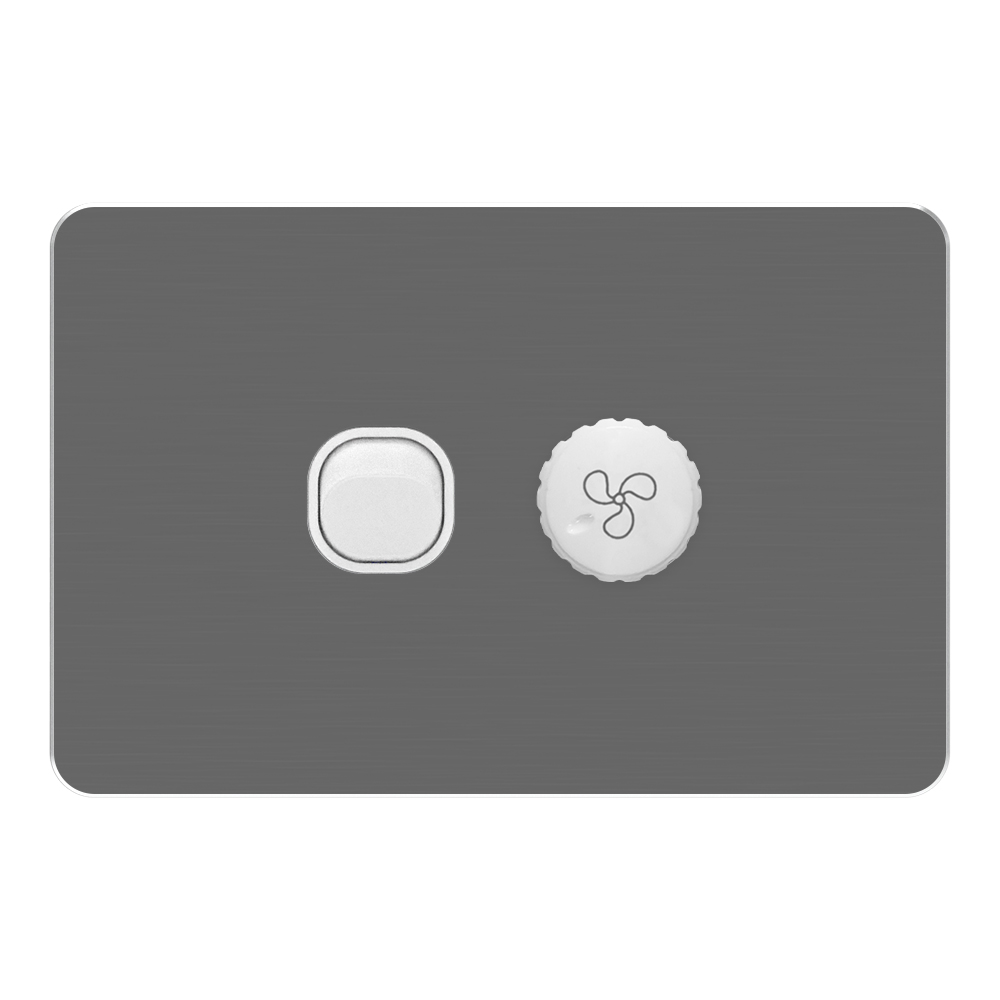
Quick answer: Common light switch types include rocker, toggle, push-button, dimmer, and smart switches. They can also be classified by circuit configuration, such as SPST, SPDT, DPST, and DPDT. IGOTO manufactures different types of light switches for the EU, AU, US, and Middle East markets.
It’s easy to get confused by light switch names because they don’t describe one thing. For example, DPDT and SPST explain how a switch controls a circuit. Toggle and rocker, meanwhile, tell you how someone operates it.
Based on circuit control, there are four different contact configurations for light switches:
Gang count is also a term that explains how many switches sit together on a single wall plate. Three switches mean it’s a 3-gang, two means it’s a 2-gang, and one means it’s a 1-gang plate.
Switches can also differ based on how someone operates them and what they need them to do. For example, there are rocker switches with a broad paddle that moves between positions. There are also toggle switches featuring a lever that flips up or down. You can also find push-button switches that activate or deactivate the circuit when you press them.
Other switches can be more defined by their function than other things. Key card switches, for instance, control power based on card insertion. Smart switches offer more connected control via technologies like Zigbee or Wi-Fi. IGOTO’s guide to different types of light switches covers more of these designs and how they work
Note: Some types of light switches can fit into both groups. Take a dimmer; it can utilize a rocker-style control while offering adjustable light output.
The type of light switches that make sense to stake largely depends on where you sell. A distributor who supplies hotels or commercial buildings in Europe will need a different range from one selling into residential projects in Australia.
Your order can be made up of common multi-gang configurations and rocker or toggle switches if it’s everyday residential work. If customers want more brightness control, dimmers make more sense to source. And for connected building and home automation, you can’t go wrong with smart and key card switches.
But don’t add every available variation in the name of offering a broad range. Instead, see what your customers buy repeatedly and go from there. Additionally, expect the range to narrow down as you consider electrical rating, finish, and regional standard.
It’s critical to understand that a switch made for one region may not be compatible in another. That’s because electrical requirements, certifications, and mounting formats can differ. At IGOTO, we understand this and that’s why we have separate products for different markets.
For example, our FS Series incldues light switches made from the Australian market. For places like Germany, Italy and France, we have a range of toggle, push-button, and rocker designs. Our WD and VS ranges cater to our customers in the US, whereas the WE Series incldues switches intended for African and Middle Eastern markets.
Certifications vary between these ranges as well. IGOTO lists SAA, CE, CB, PS, TISI, INMETRO, and ISO among its certifications, so distributors should check which ones apply to the specific products they’re ordering.
This matters if you sell in several countries. Two switches may look almost identical but have different mounting formats, ratings, or certifications.
Although a sample can check all boxes, it doesn’t tell you everything about a supplier. The bigger question to ask is whether the vendor can supply the same quality consistently as you take on more clients and switch to a higher volume.
The basics should come first. So check the current rating and voltage along with switching life, contact material, and circuit configuration. Next, ensure the certification covers that specific item and the market where you want to sell it.
If you’re sourcing to sell in various countries, the certification warrants a closer look. Although a switch made for Europe and one for Australia may come from the same manufacturer, it doesn’t mean it carries the same approvals.
Your first order might be 1,000 switches. A few months later, you could need several times that amount across different models.
That’s when the factory’s capacity starts to matter. IGOTO reports monthly production of more than five million pieces from its 25,000+ m² facility, with automated equipment and in-house injection molding supporting production. Learn more about our manufacturing.
If you’re building your own product line, find out how far the manufacturer can take the customization. Some projects only need a logo and new packaging. Others may require a different color, material, mold, or product design.
IGOTO supports custom molds, colors, materials, logos, and private-label packaging. Its published MOQ for standard neutral products is 1,000 pieces. More extensive OEM/ODM projects can require larger orders.
IGOTO has a supply chain that caters to distributors across the Middle East, Europe, Australia, and the United States. Our light switch range includes multi-gang configurations, conventional switches, dimmers, smart models, and more.
Our smart models include documented options for Zigbee and Wi-Fi, plus support for Siri, Alexa, or Google Assistant based on the setup. If you’re doing a private-label project, you can discuss the branding, molds, finishes, and other things with our team.
Distributors sourcing for several markets can review IGOTO’s wall switch and power outlet ranges to see our AU, US, European, and other regional options.
The most common light switch types for homes are toggle and rocker switches for everyday control. Dimmers are also used for adjustable lighting, and so are smart switches for instances that require connected control.
There isn’t one universal list of four because switches can be classified by circuit design, operating style, or function. But if we speak about contact configuration, SPST, SPDT, DPST, and DPDT are the four common types.
Check the electrical rating, regional standard, certification, materials, switching life, MOQ, lead time, and customization requirements. For a large order, get samples first so you can check the actual product before committing to volume.
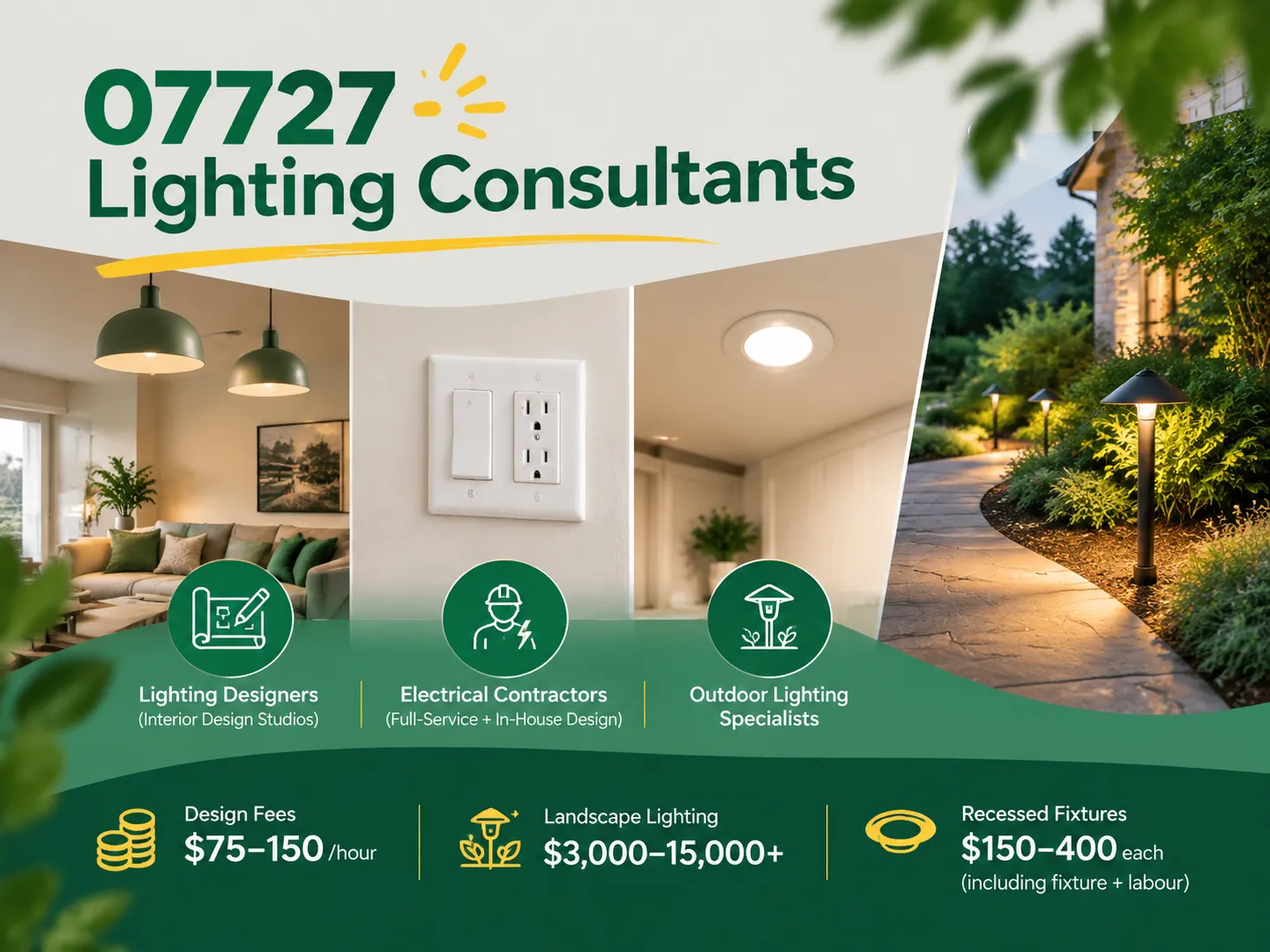
Farmingdale, along with parts of Wall Township and Tinton Falls, New Jersey, share the same zip code of 07727. Most of the houses built from the 1950s to the 1990s still exist today. Most of the homeowners are renovating their houses as opposed to building new homes. Homeowners tend to spend a lot more on […]
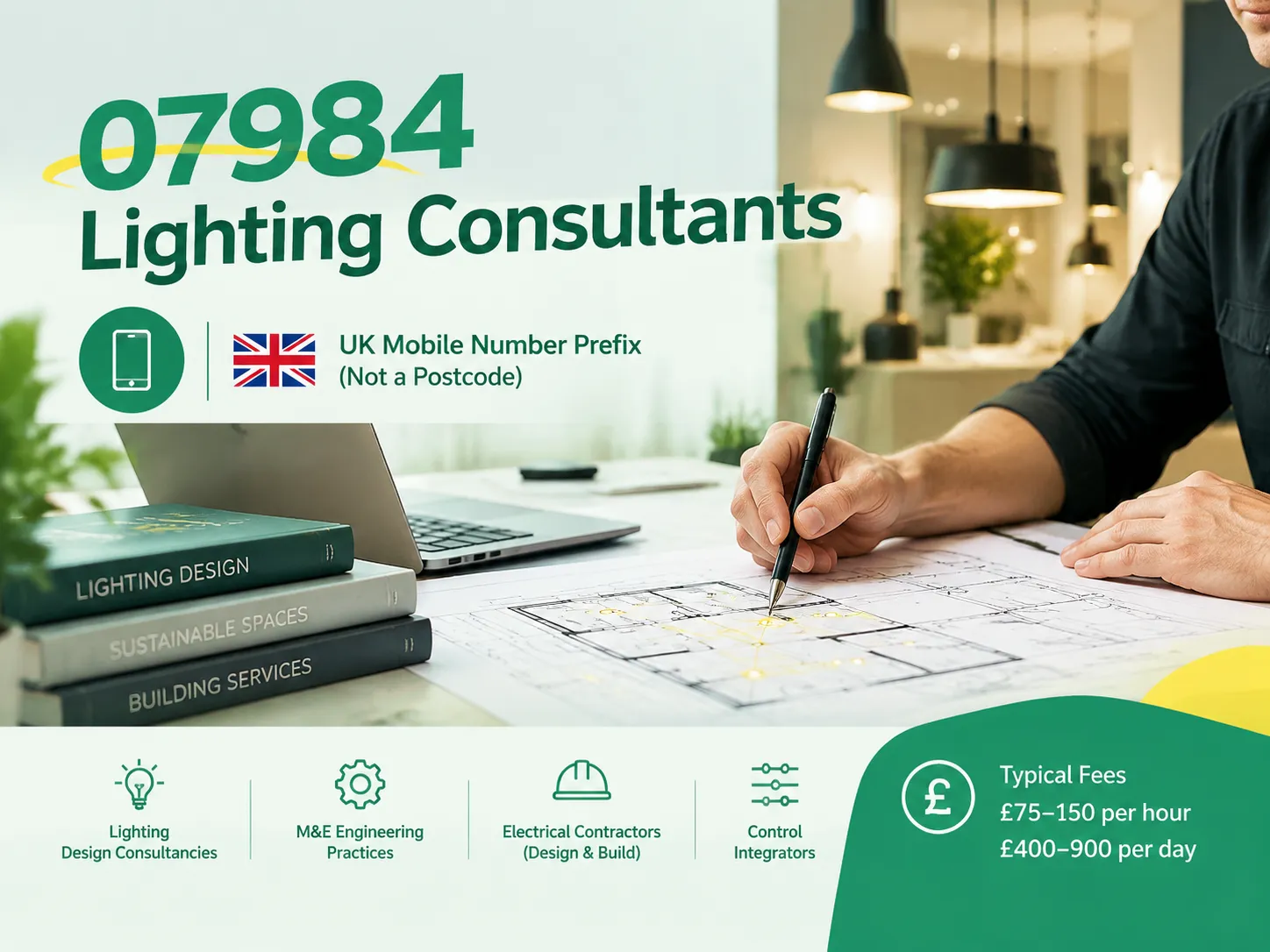
The term “07984 lighting consultants” gives people the impression that the five digits represent a postal code of some sort that indicates the place where lighting consultants provide services. This is, however, incorrect: there is no postal area coded 07984, which is only a code of mobile telecommunications in Great Britain. This means that the […]
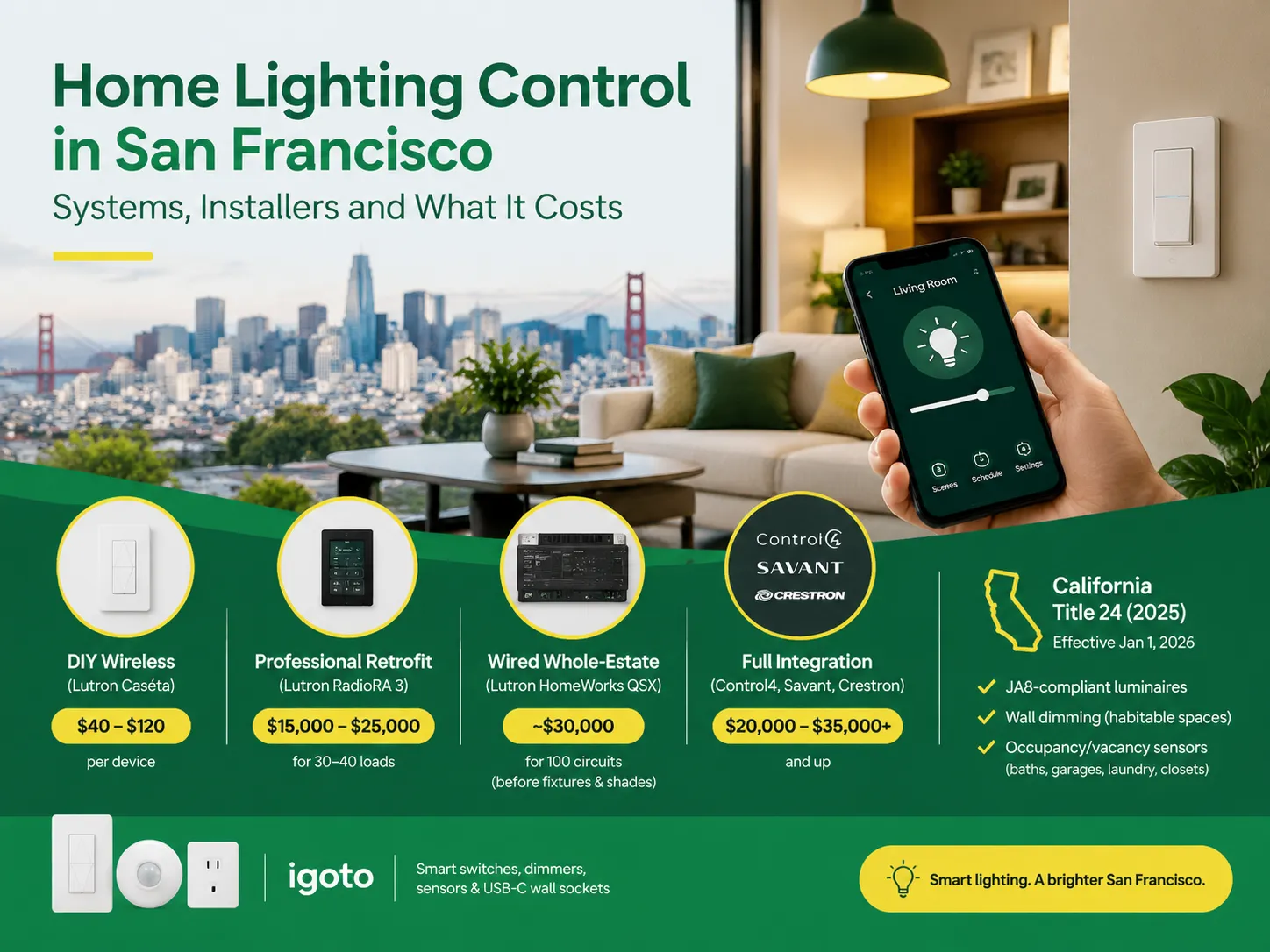
San Francisco is not the average lighting control market. The housing stock is old and dense, and the electrical code does not allow for as many electrical installations as is allowed almost anywhere else in the U.S. Most homes that want complex lighting are Victorian or Edwardian buildings where no one wants to start opening […]

 No.6 Tuozhan Road, Leshang Pioneer Park,Yueqingwan Bay Harbor,Yueqing city,Zhejiang Province