

Electric power is supplied to a commercial property by means of an electric power outlet, just as it is to a residential property. However, there are several differences between the electric power outlets installed in hotels, restaurants, office buildings, etc., compared to the electric power outlets in people’s homes and apartments. Commercial-grade electric power outlets are rated for higher voltage levels than residential-grade electric power outlets. The higher voltage rating means they can withstand greater levels of heat generated from electrical current flowing through the outlet.Additionally, commercial outlets have a greater number and size of sockets than residential-grade outlets. Because these differences exist between the two types of electric power outlet products, electrical contractors and suppliers need to know the differences when choosing and installing the correct electric power outlet products for their respective commercial facilities. Commercial facilities also require different wiring, circuit sizing, and electrical compliance than residential facilities.
The most commonly used wire gauge (14 to 12 AWG) of the service entrance wire and intermediate connection cable is used for residential electrical outlet connections (15 or 20 amp). While these types of outlets are adequate for most house lighting, appliance, and electrical devices, they do not have the capacity for the heavier electric loads found in most commercial applications. In commercial installations, the outlet connections typically are made with 10 AWG wire, or greater, giving them the ability to support a higher electric load (20, 30, or even 50 amp circuits) without overheating the connection and causing a fire hazard.
Both residential and commercial electrical outlets are much tougher and more durable than each other. Most residential electrical outlet connections are constructed from less expensive plastics, whereas many commercial electrical outlet connections are constructed from metals or high-impact thermoplastic materials. Additionally, many commercial electrical outlet connections are manufactured with test seals for weather-proof or water-proof connections for exterior installations. Finally, most commercial electrical outlets have additional grounding screws or poles that provide additional safety against electrical shock hazards.
When it comes to how the electricity is distributed from the primary panels, residential vs commercial electrical systems are quite different from each other. In a residential electrical panel, typically referred to as a load center or breaker box, there are 120V and 240V circuits available through a variety of single and double-pole circuit breakers. The lower amp rated circuit breakers are most commonly used to create the branch circuits that will eventually connect all of the lights, wall outlets, and appliances in the average home.
In commercial settings, due to the higher demand for power created by large equipment and machinery, a higher level of electrical distribution is required. Many commercial applications will additionally be supplied with 3-phase electrical panels, and most of these commercial panels are rated for voltages of 600V or higher. Consequently, commercial panels will often have an extensive array of heavy-duty, high-capacity circuit breakers, many of which exceed 250 amps. As a result, electrical power is able to be segmented into multiple circuits that can accommodate the larger business buildings, and to enable easy electrical distribution across multiple phases of electrical service throughout any geographical region.
There are various types of Commercial Electric Outlets available in the marketplace today. While some of them are quite common, others have been developed recently or are being developed as technology continues to evolve. Some of the more popular types of Commercial Electric Outlets include:
Commercial Wiring is wired at a greater capacity. It has to handle all of the heavier equipment loads that will be present in the business environment, whereas Residential Wiring is primarily wired for lighting, kitchen/laundry appliances, HVAC etc\.
Domestic Electrical Installations power the home or apartment; Commercial Electrical Installations provide power for retail, office, restaurant etc. Commercial Electrical Installations also have much larger components, much thicker wires and require a permit for inspection and compliance with code.
Residential Electrical Panels are small, having fewer circuits. Commercial Electrical Panels have large capacities to allow many more breaker slots for high-capacity loads over a much larger area, such as malls or factories.
Some requirements for receptacles in commercial buildings include: Ground Fault Circuit Interrupter (GFCI) or Arc Fault Circuit Interrupter (AFCI) protection, tamper-resistant receptacles, weatherproof covers for food preparation/wet areas, circuit identification labels, floor boxes, special ventilation for high-temperature conditions, and compliance with the Americans with Disabilities Act.
Commercial grade outlets are designed to be more durable and long-lasting. Commercial grade outlets have additional construction and features to better support commercial applications. They typically feature heavy-duty wiring terminals, more accurate component tolerances, the ability to withstand high levels of corrosion and heat from demanding loads and are designed for environments that cannot be repaired for long periods of time.
By learning everything about how durability, wire size, voltage and current capacity of commercial plugs and associated safety measures are tested, electrical professionals make better decisions about the products they choose and install. In view of growing demand for electricity in industry and retail, it is preferable to use the outlets that are suitable for use in a commercial setting.As a manufacturer of wiring devices, IGOTO Electric offers a range of commercial-grade devices that meet international quality standards. Contact our experts in case you need help with choosing commercial or residential outlets for your business.
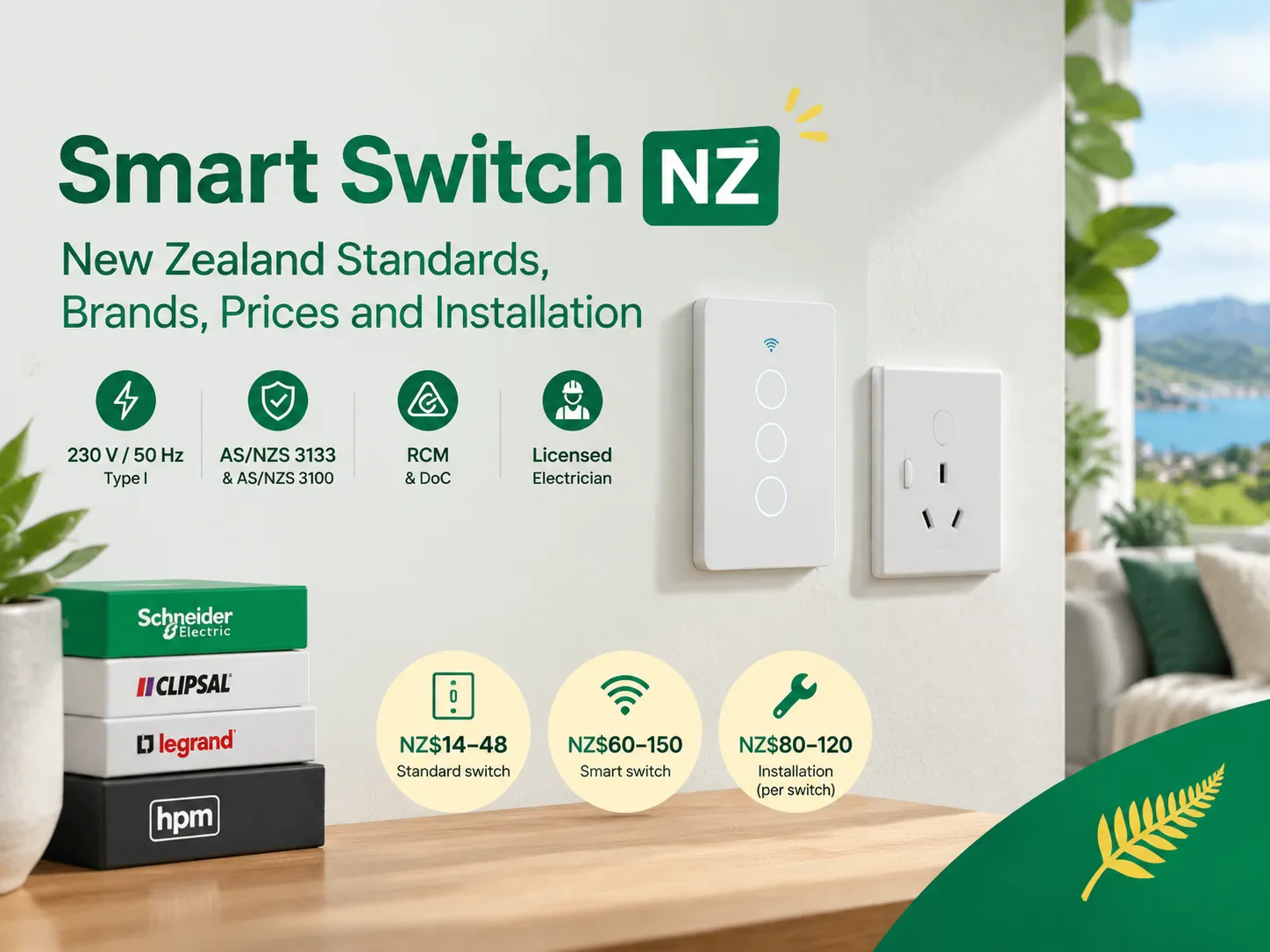
New Zealand is a small but distinct electrical market. If you are buying smart switches in New Zealand, you are dealing with a plug standard that is different from anywhere else in the world, an approval process with its own paperwork, and a wiring system that excludes half of the smart switch models available overseas. […]
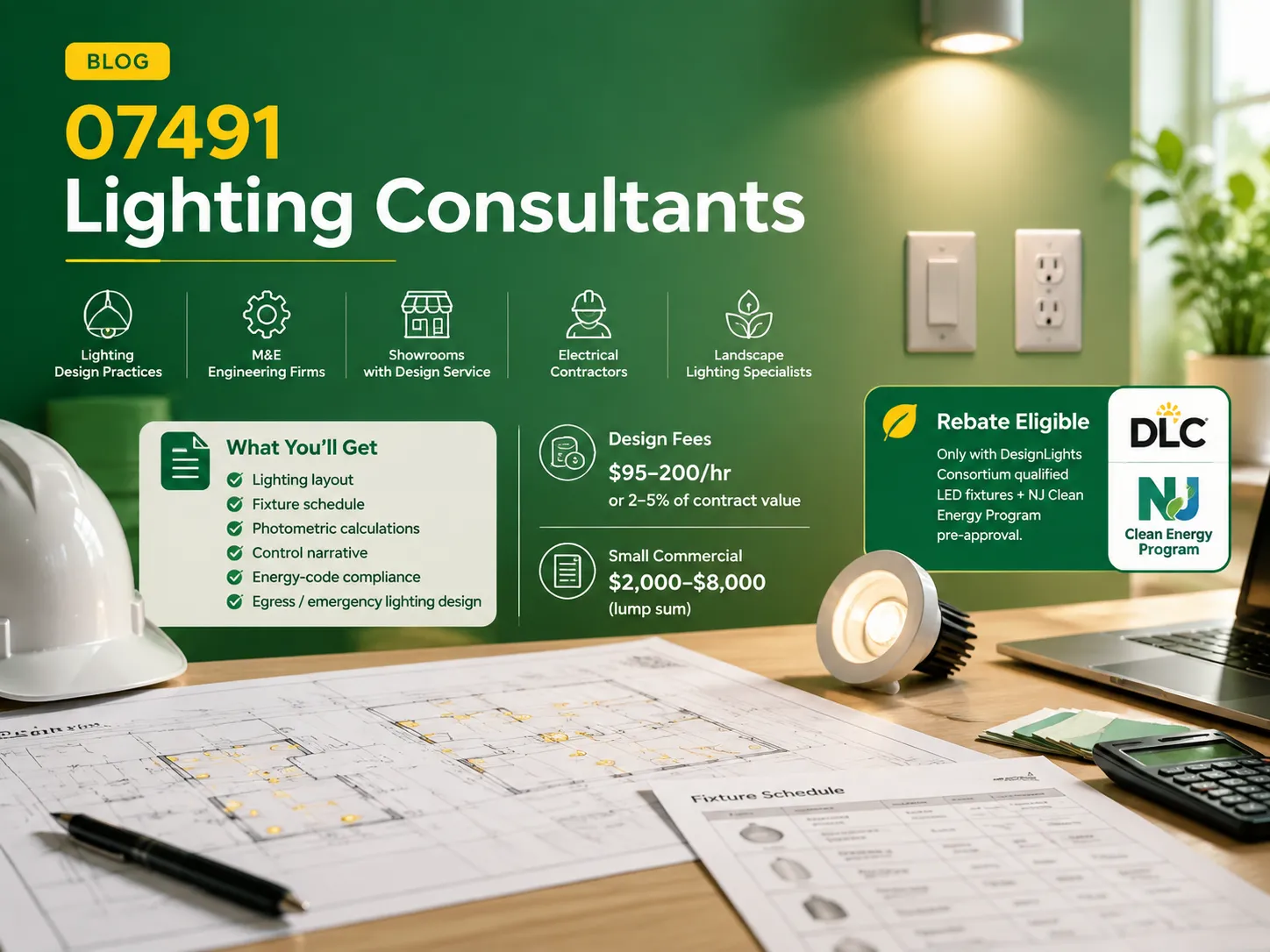
If you need assistance with lighting in the 07491 region, is essential to ask two crucial inquiries: who is operating nearby and how much is charged for the services. Concerning the first question, one can easily find the answer regarding the facts and figures because the market in northern New Jersey is not so broad. […]
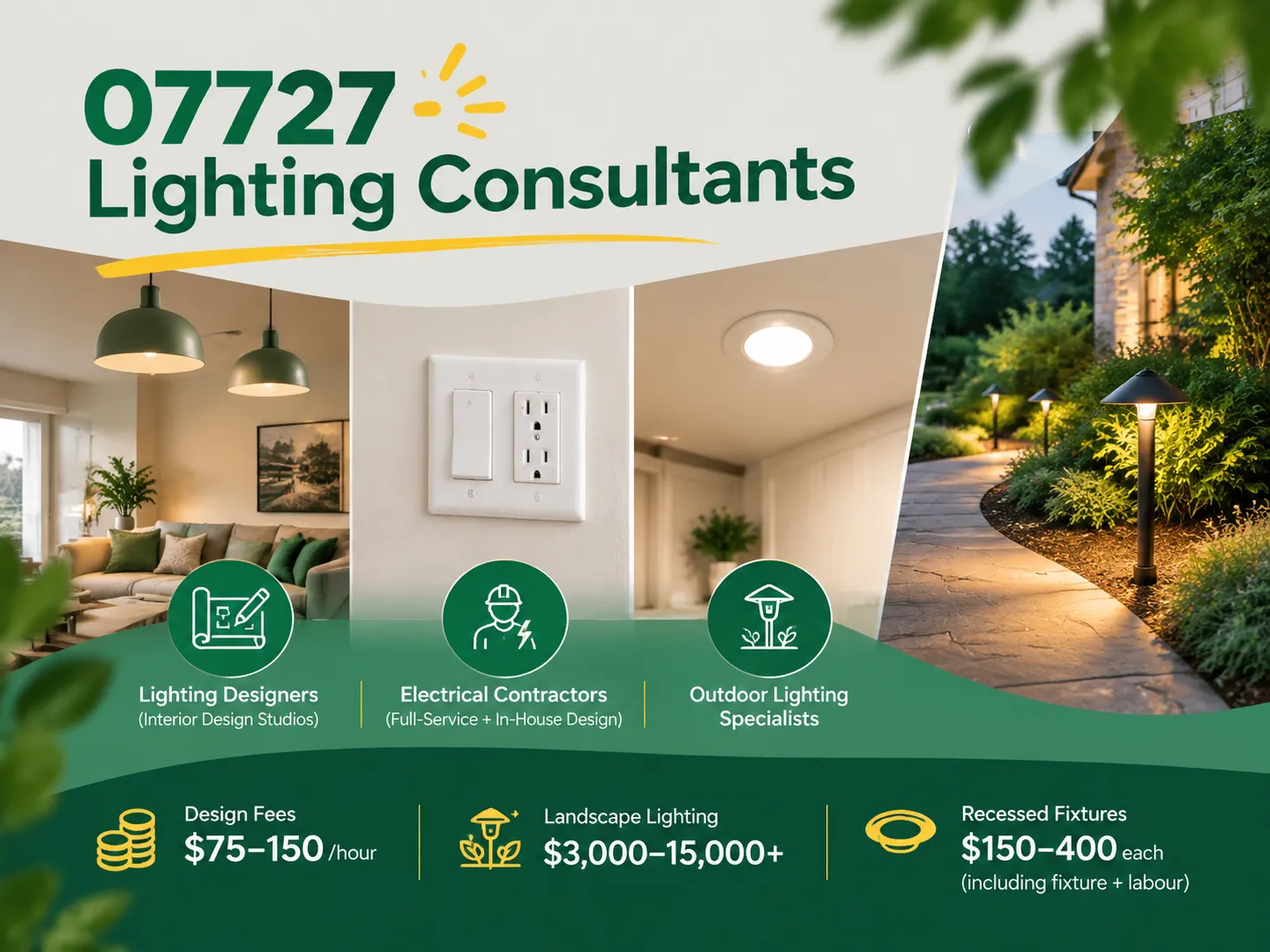
Farmingdale, along with parts of Wall Township and Tinton Falls, New Jersey, share the same zip code of 07727. Most of the houses built from the 1950s to the 1990s still exist today. Most of the homeowners are renovating their houses as opposed to building new homes. Homeowners tend to spend a lot more on […]

 No.6 Tuozhan Road, Leshang Pioneer Park,Yueqingwan Bay Harbor,Yueqing city,Zhejiang Province


