

For homeowners wanting to install or upgrade electric wall sockets and contractorsor electricians operating in the socket selection distribution and installation industry, selecting proper wall sockets to meet consumer requirements is an important task. This guide outlines the basic features of electric wall sockets, discusses issues to be considered when selecting the wall socket best suited for their applications and provides information about wall socket installation, maintenance and repair.
The ampere (A) rating specifies how much of a load (in this example, “current”) a wall socket can support at any one time. Currently wall sockets carry standard ratings between 10A to 32A (the majority of sockets are rated 10a 15A and 20A). Sockets rated with a higher value; (20+ Ampere), are specifically designed for multiple appliance loads or appliances drawing a significant number of watts (in some cases, 15A+). As these types of electrical equipment are used in most residences today along with smaller appliances such as lighting (or portable devices, i.e., cell phones), therefore a wall electrical socket is typically rated to support a maximum load of 10-15A (the most typical household appliances); whilst other wall type outlets are usually rated for greater than 20A+ (larger appliances); e.g. Electric ACs, Electric Heaters, Ovens, etc).
Another important consideration is the configuration of the individual outlets (sockets). When designing your outlet configuration, you have several choices about how many output points will be available on a given outlet plate. The most common options include:
The number of output outlets required depends upon the purpose and intended usage of the outlet and also the availability of wall space. The more outlets there are, the greater the flexibility there will be to add additional devices later if needed. If your application is industrial, commercial, or outdoor in nature, weatherproof outlets with multiple high amperage rated outlets are often necessary.
For residential and commercial end users installing or replacing sockets, several factors should guide socket selection:
When browsing through potential wall sockets, you’ll encounter many different styles. Some of the most popular include:
When deciding which type of wall sockets to purchase and use for a specific location, take into consideration the overall benefits of having smart sockets, USB charging ports and industrial strength sockets; although they provide greater functionality than standard sockets, their price is usually higher than standard sockets.
In many cases, people are very conscious of how their wall socket looks in their homes.They prefer to select wall socket designs that match the design of their home and are therefore willing to spend time finding decorative-looking wall socket covers and plates that will enhance the room’s decor by matching it with the color of the said decor. Examples of common wall socket materials include polycarbonate, metal alloys, nylon, and PVC (abs plastic). If you are planning on installing a wall socket that will be seen often. It is always wise to purchase a more durable wall socket as they are generally much stronger than cheaper wall sockets made from ABS plastic. For example, wall sockets used in various industries usually have a tough polycarbonate enclosure along with a sealed cover.
When considering whether to install your new wall sockets in existing electrical boxes or create new ones, consider how to accurately measure the wall space to ensure there is adequate clearance. Low-profile, compact wall sockets are beneficial for areas with limited space. Look for pre-wired wall sockets to speed up the installation process. Industrial wall sockets typically have adjustable flanges allowing you to fit the flange depth to the respective depths of your electrical boxes.
When considering where to place your wall sockets in your home, take into account the size, layout, shape, and intended usage of the room to determine both the load requirements and the required number of outlet points. For example, a home theater will require a four-outlet wall socket capable of handling multiple amps of current, while the hall lighting circuit will only require a one-outlet.
In the procurement and inventory decision-making processes of electrical wholesalers distributing sockets and involved in the supply chain, there are other factors that impact these decisions. There are five more specific categories of consideration for wholesalers when sourcing sockets, including:
Sockets should come from reputable manufacturers who have met national and international standards for product quality. Quality certifications such as ISO 9001, RoHS, CE/UKCA and others should also be verified. Additionally, wholesaler should inspect product samples to ensure that they have proper casing, amperage rating, quality wiring and terminals and have correctly-fitted shutters, etc. There are many safety-related issues and consumer complaints due to poor quality.
When sourcing sockets, wholesalers should seek manufacturers that are capable of producing an adequate quantity of product to meet customer demand without the need to wait extended periods for delivery. Wholesalers should work with manufacturers that have the capacity to produce products in larger manufacturing facilities and stock large inventories. Manufacturers should also be capable of providing expedited delivery of emergency orders, or “Rush” orders, in the time periods of a few days compared to several weeks. This allows wholesalers to better service their installers by offering them greater availability of product.
When wholesalers source sockets, they need to negotiate for the best possible price for the product. Once the wholesaler has obtained the best price, that wholesaler should pass all of those savings onto electrical contractors and retailers so that they can remain in the most competitive price position. Manufacturers who produce sockets at high-volumes and are known for being reliable can take advantage of their economies of scale and provide wholesalers with attractive prices for sockets. As a result, wholesalers can offer products to contractors and retailers that are cost-competitive compared to manufacturers and retain those customers while maximizing their own profit margins.
Manufacturers who have received reputable safety marks such as UKCA, PSE, SAA, CSA, or ETL Inspired provide proof that they are compliant with regulatory safety standards and subjected to rigorous testing prior to shipping products. Wholesalers can utilize environmentally-friendly production processes in accordance with ISO 14001 and EU RoHS to ensure that their source sockets are produced sustainably. By offering source sockets that are certified, wholesalers provide confidence to their customers.
Manufacturers should thoroughly test their products prior to shipping, and should provide prompt service to resolve any post-sale problems. Wholesalers should inspect their shipments from manufacturers to identify products with defects, etc [before reselling]. Look for manufacturers that have the ability to offer technical assistance, field service, warranty support, etc., and provide wholesaler customers with replacement parts for defective products. An effective after-sale service program gives customers peace of mind and provides an excellent customer experience.
Founded in 1995, IGOTO Electric manufactures innovative and durable switches and sockets in a wide variety of categories including, but not limited to, wall sockets, USB chargers, RCBOs and much more. Based in Wenzhou, China, IGOTO operates a manufacturing facility of over 50,000 square meters and has an annual production capacity of 100 million sets. As a result of IGOTO’s commitment to quality, safety, and environmental compliance, IGOTO holds a number of certifications including ISO 9001, ISO 14001, UKCA, CE, RoHS, CQC, SAA and EAC. With a comprehensive global sales network and reliable after-sales support, IGOTO provides products and services to customers in more than 30 countries. IGOTO offers cost effective OEM/ODM services, as well as value added services such as custom designs and branding, and packaging. IGOTO Electric has helped customers around the world deliver electrical safety and convenience through more than 25 years of industry experience.
The selection of the appropriate wall socket will depend upon several key factors, including ampere rating, configuration, and the requirements of your application’s environment. For professionals and wholesalers, the factors to consider that affect the quality of the product would be its manufacturer’s quality (typically through a certification process), the available production capacity of the company’s manufacturing facilities, the company’s pricing structure, and the company’s after-sales service. With its experience and extensive range of certifications, IGOTO Electric is an excellent choice as an experienced partner in high-quality electrical solutions and has developed a reputation for being a safe and reliable electric supplier that provides clients with innovative products. Not only does IGOTO Electric emphasize its commitment to excellence; it also provides a comprehensive support structure for clients to enable the client to receive the best-quality products designed to meet the client’s individual needs, improving both safety and performance in various applications.
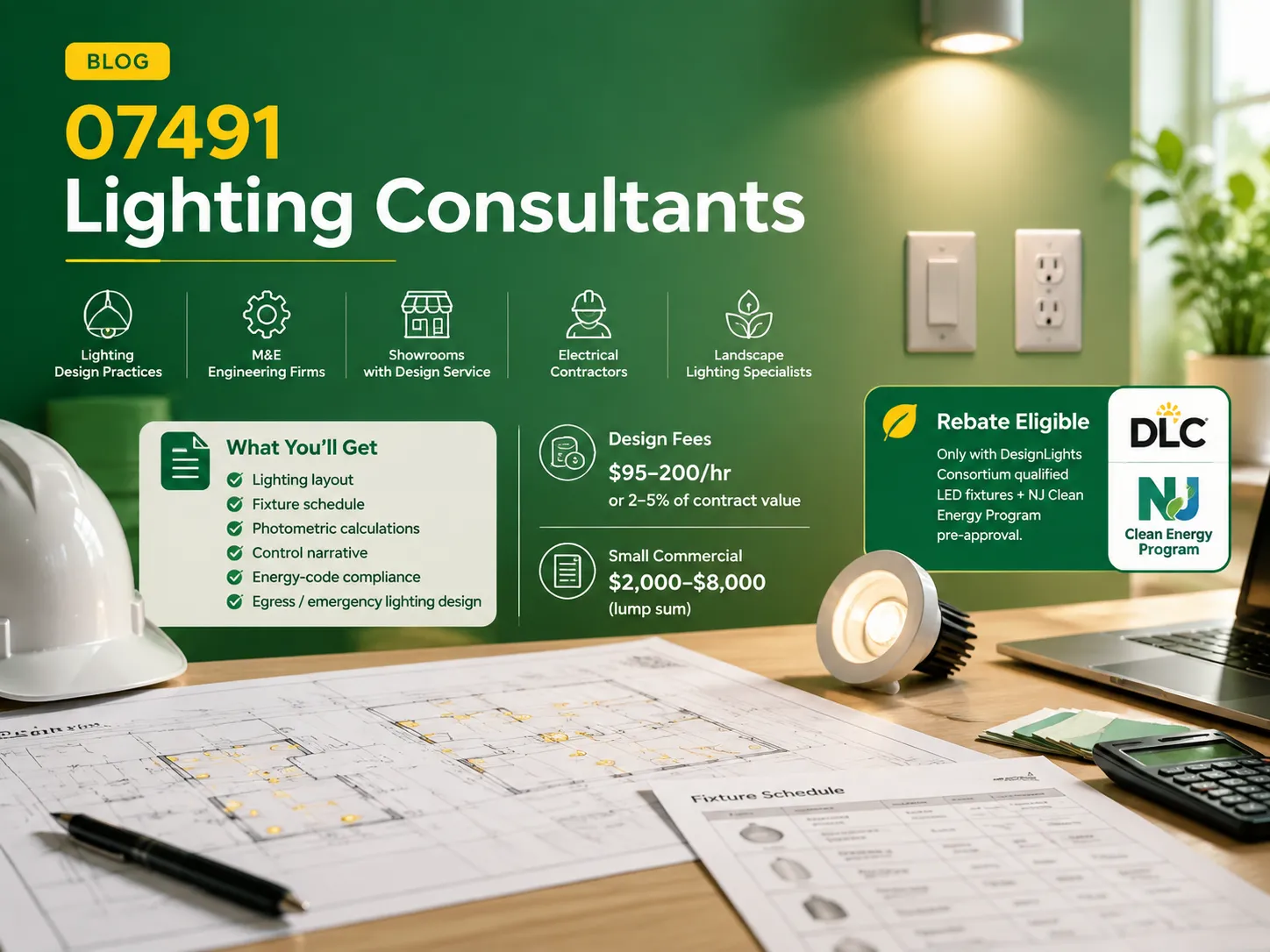
If you need assistance with lighting in the 07491 region, is essential to ask two crucial inquiries: who is operating nearby and how much is charged for the services. Concerning the first question, one can easily find the answer regarding the facts and figures because the market in northern New Jersey is not so broad. […]
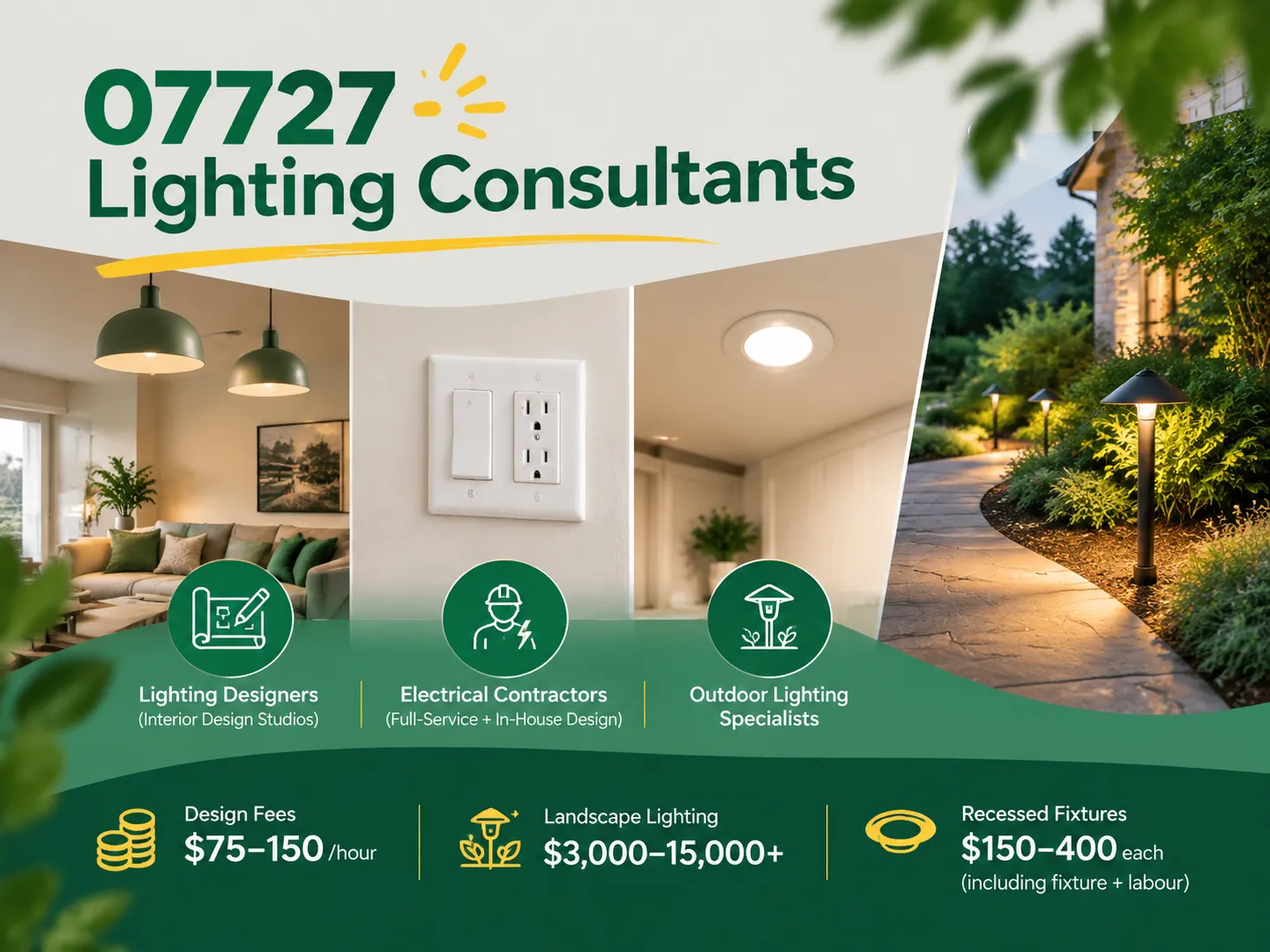
Farmingdale, along with parts of Wall Township and Tinton Falls, New Jersey, share the same zip code of 07727. Most of the houses built from the 1950s to the 1990s still exist today. Most of the homeowners are renovating their houses as opposed to building new homes. Homeowners tend to spend a lot more on […]
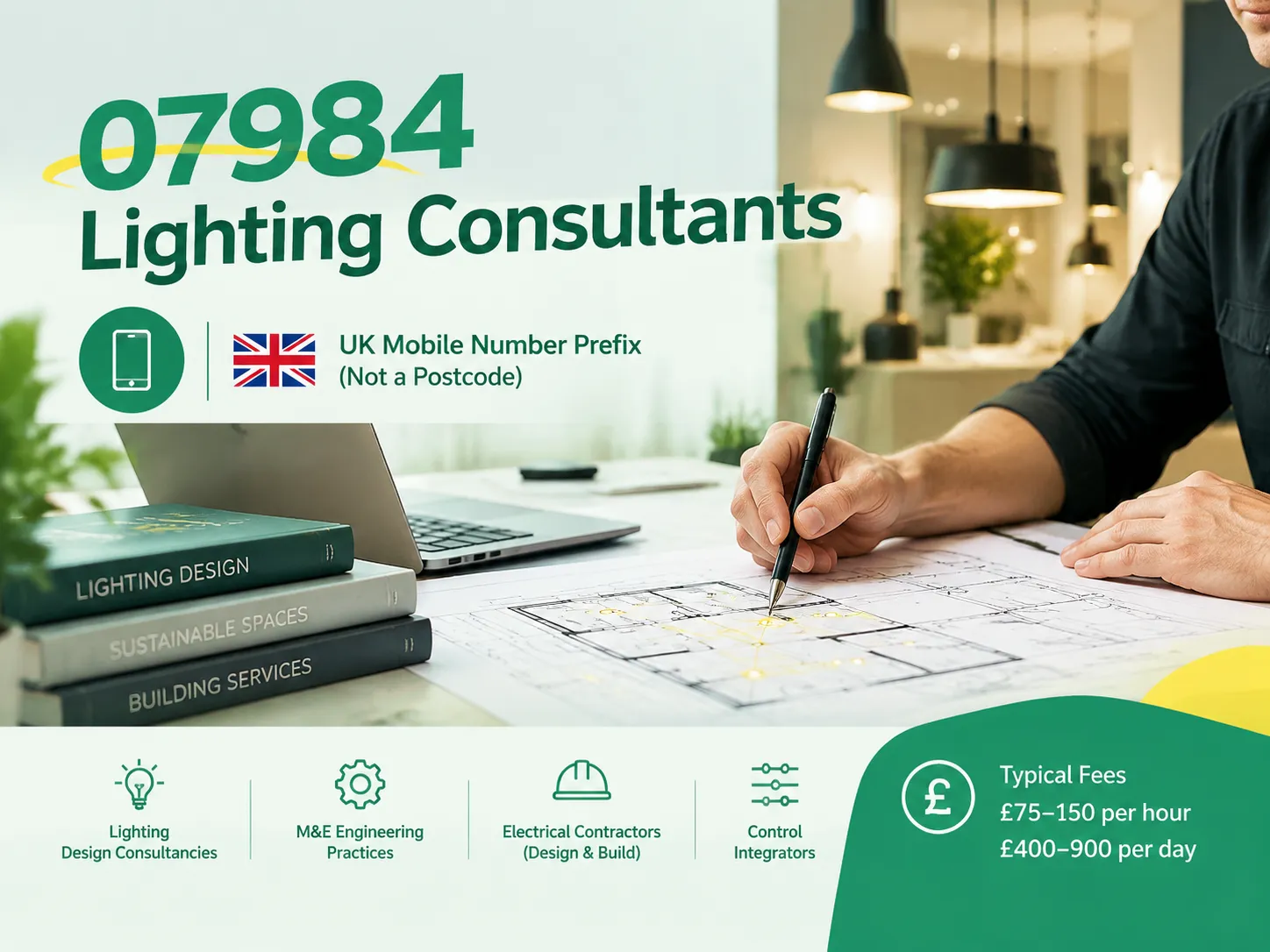
The term “07984 lighting consultants” gives people the impression that the five digits represent a postal code of some sort that indicates the place where lighting consultants provide services. This is, however, incorrect: there is no postal area coded 07984, which is only a code of mobile telecommunications in Great Britain. This means that the […]

 No.6 Tuozhan Road, Leshang Pioneer Park,Yueqingwan Bay Harbor,Yueqing city,Zhejiang Province


