


Despite the rise of mobile devices, television sets are still undeniably popular media for pastime. Thus, you can find yourself either owning those ordinary, traditional TVs, or a satellite TV.
The two differ primarily in the way they transmit signals. Satellite televisions use dish antennas to receive signals coming from satellites, while ordinary TV uses over-the-air broadcast signals. It is this setup that enables the former to deliver a wide range of channels and to be less affected by weather compared to the latter.
These differences also pave the way for the differences in the sockets that run them. How to compare an ordinary television socket outlet to a TV satellite socket? These pointers on their stark contrasts will be discussed in this knowledge base:
The differences in how they work are upon the nature of the signals they each handle. The layout of satellite TV sockets is to receive signals from satellites, which involve the decoding and processing of high-frequency signals transmitted over longer distances. Thus, precise tuning and amplification are required to keep the signals in high-quality.
Conversely, ordinary TV sockets receive terrestrial signals that are locally broadcast. Such type of signals are stronger, so they require less amplification, making the setup so much simpler and more direct. These differences affect how each socket operates to deliver vivid TV reception.
Sockets for satellite TV require closer contact that should be reliable enough to ensure the proper transmission of signals and reception.
To reach this objective, a sat socket usually features a thicker layer of shielding, responsible for minimizing interference from outside factors. This also enhances the quality of the signal.
This design guarantees stable signals even in areas with frequent signal disruptions without these satellite TVs, such as in rural environments.
On the other hand, sockets for ordinary TV sets feature one or more ports where various kinds of cables are inserted. This structure speaks a lot about their versatility for a wide array of wiring configurations. For instance, when connecting several TVs or devices to just one antenna.
Their designs are edging out each other. The structure of ordinary TV sockets is also laid out to accommodate various connection requirements, making them suitable for both homes and offices.

Stark and noticeable contrasts between ordinary television sockets and those of satellite television sets also lie upon their interfaces. A TV satellite socket generally features a design that’s threaded, which is a pre-requisite for a secure and tight connection. Via this interface, reliable and stable contact between the socket and the cable is ensured.
Meanwhile, sockets of the other type of TV feature a straightforward interface, allowing various kinds of cables to be inserted for various configurations in wiring.
The television socket of a satellite TV is designed to manage higher transmission frequencies, usually around 800 MHz. With a higher frequency range like this, signals transmitted, received, and processed are working efficiently in space.
Meanwhile, ordinary television sockets are engineered for frequencies that are lower than 450 to 500 MHz, which are typically matched for terrestrial broadcast signals received via traditional antennas.
Considering all those differences is crucial when choosing which socket to use for your TVs.

Knowing the differences between the sockets of an ordinary TV and that of a satellite TV is crucial to ensure no issues will happen as you set up your preferred television. You can then enjoy the best of your TV viewing experience.
While sockets of satellite TVs feature a threaded interface, work on a higher transmission frequency range, and a design for reliable contact and signal reception, the sockets of ordinary TVs feature a straight interface, support lower frequencies, and are more versatile for various wiring configurations.
Are you looking for the most reliable television socket outlet? Shop them now from our brand, IGOTO Electric. With several years under our belt, we create products that have our customers and safety first in mind. We embrace change as we continuously aim to be the best global expert in electrical product solutions. Learn more about our catalog! Go connect with our team today.
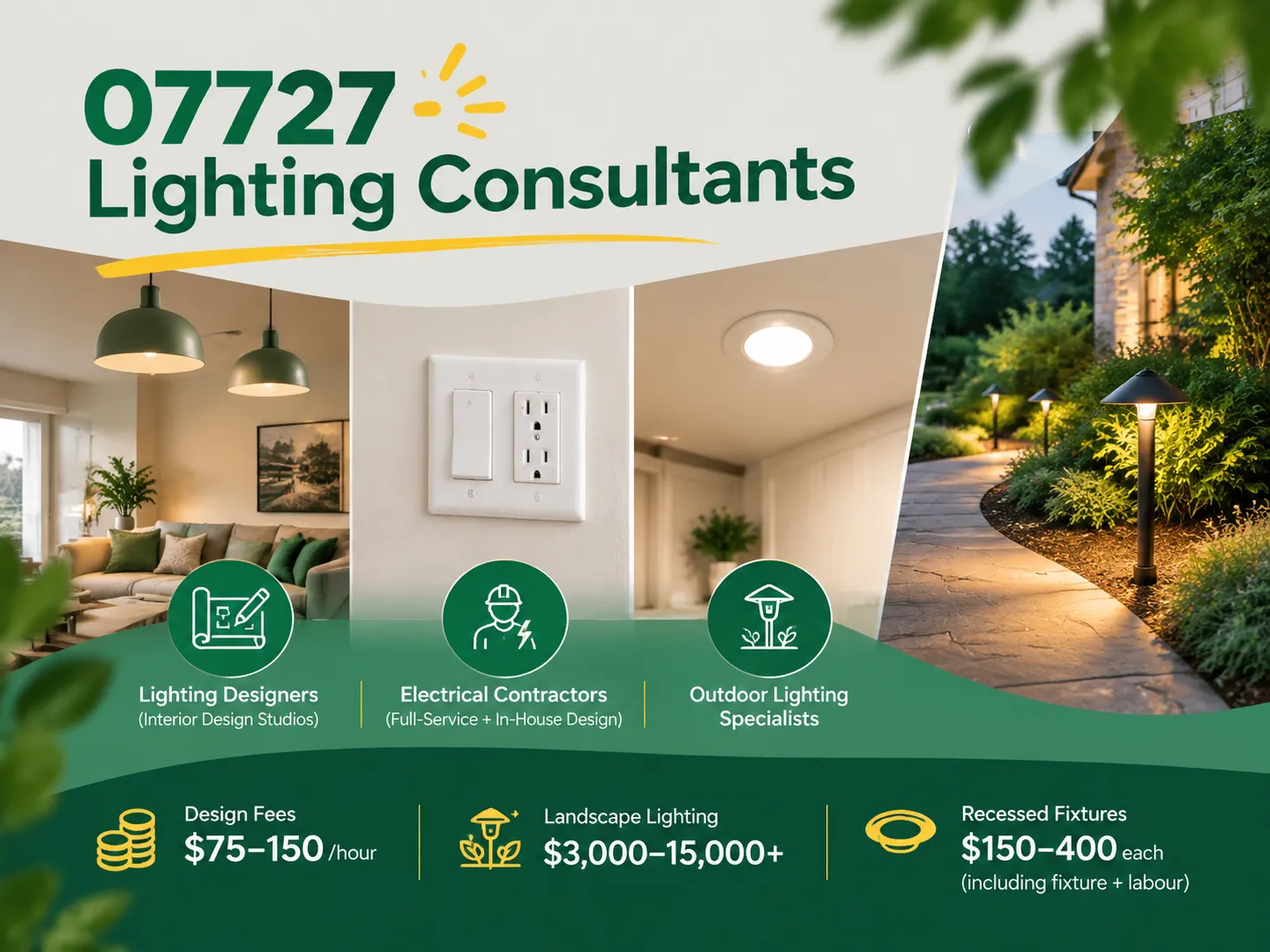
Farmingdale, along with parts of Wall Township and Tinton Falls, New Jersey, share the same zip code of 07727. Most of the houses built from the 1950s to the 1990s still exist today. Most of the homeowners are renovating their houses as opposed to building new homes. Homeowners tend to spend a lot more on […]

The term “07984 lighting consultants” gives people the impression that the five digits represent a postal code of some sort that indicates the place where lighting consultants provide services. This is, however, incorrect: there is no postal area coded 07984, which is only a code of mobile telecommunications in Great Britain. This means that the […]

San Francisco is not the average lighting control market. The housing stock is old and dense, and the electrical code does not allow for as many electrical installations as is allowed almost anywhere else in the U.S. Most homes that want complex lighting are Victorian or Edwardian buildings where no one wants to start opening […]

 No.6 Tuozhan Road, Leshang Pioneer Park,Yueqingwan Bay Harbor,Yueqing city,Zhejiang Province


