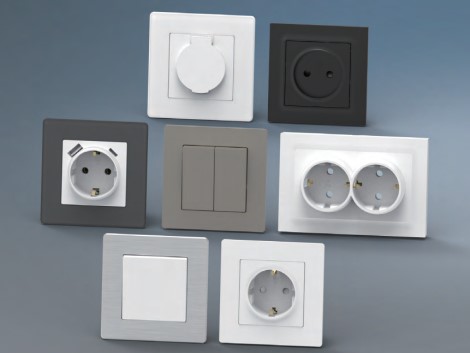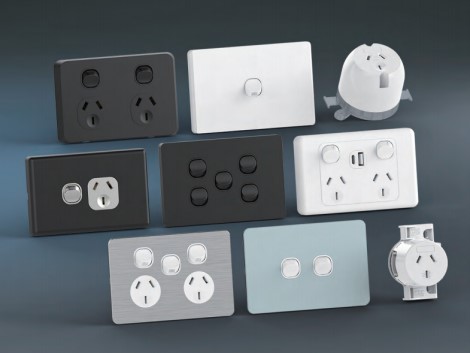
There are many types of plug sockets that a B2B buyer needs to account for when sourcing products for their facility. For example, you have the Type A/B socket that serves North America with flat pins and voltages around 110 to 120 volts. Then there’s Type F, which serves Europe with round pins and voltages closer to 220 to 240 volts. Knowing the type currently being used in your region is key to achieving operational efficiency across your facility
According to the International Electrotechnical Commission, there are over 15 distinct plug types used globally. Each of these comes with specific pin geometries and dimensions. You also have a distinct grounding configuration that determines which outlets they safely fit into.
Type A is the one that uses two flat parallel pins. It’s standard across North America without grounding and is found on basic everyday electronics. In NEMA terms, you have the NEMA 1-15 standard, which means it has two flat blades and handles up to 15 amps of power.
Type B is just a type A plug with an added grounding pin. It’s the type that you find on appliances with metal cases, such as microwaves and laptops. The third prong connects to a safety wire and helps prevent dangerous electrical shocks. In the industry, this design is known as the NEMA 5-15 standard.
To learn more about plug dimensions and grounding configurations, make sure to check out our NEMA plug types chart and guide.
Type E plug socket is the flat European plug with two round pins and no third ground wire. It’s mostly used in low power devices like phone chargers that do not consume as much electricity. Any European wall outlet can accommodate this socket type.
Type E is the plug socket with two round pins and a background grounding system. It’s mostly used in France and a few nearby places. The plug here doesn’t have a third grounding pin, and instead there’s a special hole on it to slide over a metal pin sticking out of the wall socket.
Type E is the basic heavy-duty plug used in the Netherlands and Germany. Also called Schuko (shorthand for “safety contact in German”), it features two round pins and two small metal clips on the bottom and top edges. It can handle up to 16A of power, with the clips touching the metal strips inside recessed wall outlets to help with grounding.
Type G follows the strict BS 1363 standard using three flat rectangular pins in a triangle arrangement. An integrated safety shutter operates through the grounding pin, blocking access to live contacts until proper insertion.
This standard governs the United Kingdom, Ireland, Malaysia, Singapore, and Hong Kong. The shutter mechanism makes Type G one of the safer designs for households with children.
Type I operates under AS/NZS 3112 regulations. Two flat pins set in an inverted V-shape work alongside a vertical grounding pin. Standard configurations handle 10A, while heavy-duty versions rated for 15A use wider grounding pins that prevent cross-insertion with standard plugs.
Australia, New Zealand, and Argentina mandate this standard for all residential and commercial installations.
Type M features three large round pins arranged in a triangle, rated at 15A. South Africa, India, and Nepal rely on this heavy-duty configuration for most installations.
Type N serves Brazil and South Africa as their modern baseline standard. Two round pins plus a central grounding pin support both 10A and 16A configurations, matching different national grid requirements.
Sourcing different type of plug sockets successfully means matching regional regulations with manufacturing capabilities that meet those specific requirements.
Entering markets without proper safety marks triggers customs seizures at the border. Manufacturing partners need clean test reports for these frameworks:
Working with an experienced Australian switch and socket manufacturer whose lines are audited for AS/NZS 3112 reduces inspection delays significantly.
Wall box depth mismatches create real problems. Sourcing deep European Schuko mechanisms for shallow Latin American flush-mount enclosures blocks physical installation entirely.
Mechanical clearance gets overlooked frequently. Multi-gang setups that don’t match regional screw-hole spacing fail during installation despite meeting electrical specifications.
Amperage mismatches cause safety issues. Selling 10A-rated modules into markets where 13A or 16A appliances dominate creates overheating risks that violate safety codes.
Front panel housings need V0-grade polycarbonate that self-extinguishes within 10 seconds during open-flame testing. High-impact, UV-stabilized PC prevents surface yellowing and cracking over time.
Receptacle clips require high-purity tin phosphor bronze rather than standard brass:
High-capacity combo-switches need AgNi15/Cu composite contacts to handle heavy electrical arcing without welding shut.
Terminal preferences vary by region. Germany and Northern Europe contractors want screwless push-in connections for faster installation. UK and Latin American markets require dual-screw terminals for securing thick solid-core wiring.
Shutter geometry matters for child safety. Internal shutters must require simultaneous dual-pin insertion, meeting European EN 60669 and British BS 1363 testing codes.
Working with an established manufacturer simplifies global compliance challenges. Our internal research and development facility produces cross-regional electrical infrastructure with OEM/ODM services backed by a 15-year warranty and global safety certifications.
Our European standard portfolio includes CE-certified wall plates with child protection shutters, tin phosphor bronze conducting clips, and V0-grade polycarbonate facias.
The Australian market lineup covers AS/NZS certified wall switches and horizontal power points built for high-amperage commercial applications across Oceanic distribution networks.
For Americas and global frameworks, we run production lines for American Standard NEMA configurations plus modular frames designed for multi-gang construction projects. Sourcing teams can order types of AC power plugs and sockets configured onto unified frame brackets matching specific development requirements.
Contact us today to inquire more about our products and services
Importing uncertified electrical equipment is a direct violation of national safety laws. In most cases, the item won’t reach you as the customs authorities will confiscate the shipment at the border. Plus, it may also result in heavy fines and lawsuits if the uncertified components cause fire or damages to property and lives.
No, a single type of universal socket cannot be sold in every region. The main reason is that it does not comply with the safety laws and building codes that many major markets have in place. The UK, for example, requires sockets to have built-in safety shutters that block the live holes unless a grounding pin pushes them open first. A universal socket simply bypasses these requirements and thus may not be legal to sell in your region.
Tin phosphor bronze is often preferred over standard brass because of its superior elasticity. This characteristic helps prevent sockets from loosening over time. Tin phosphor bronze is also highly conductive, meaning there’s less risk of dangerous electrical arcing or overheating than what you’re exposed to with standard brass options.
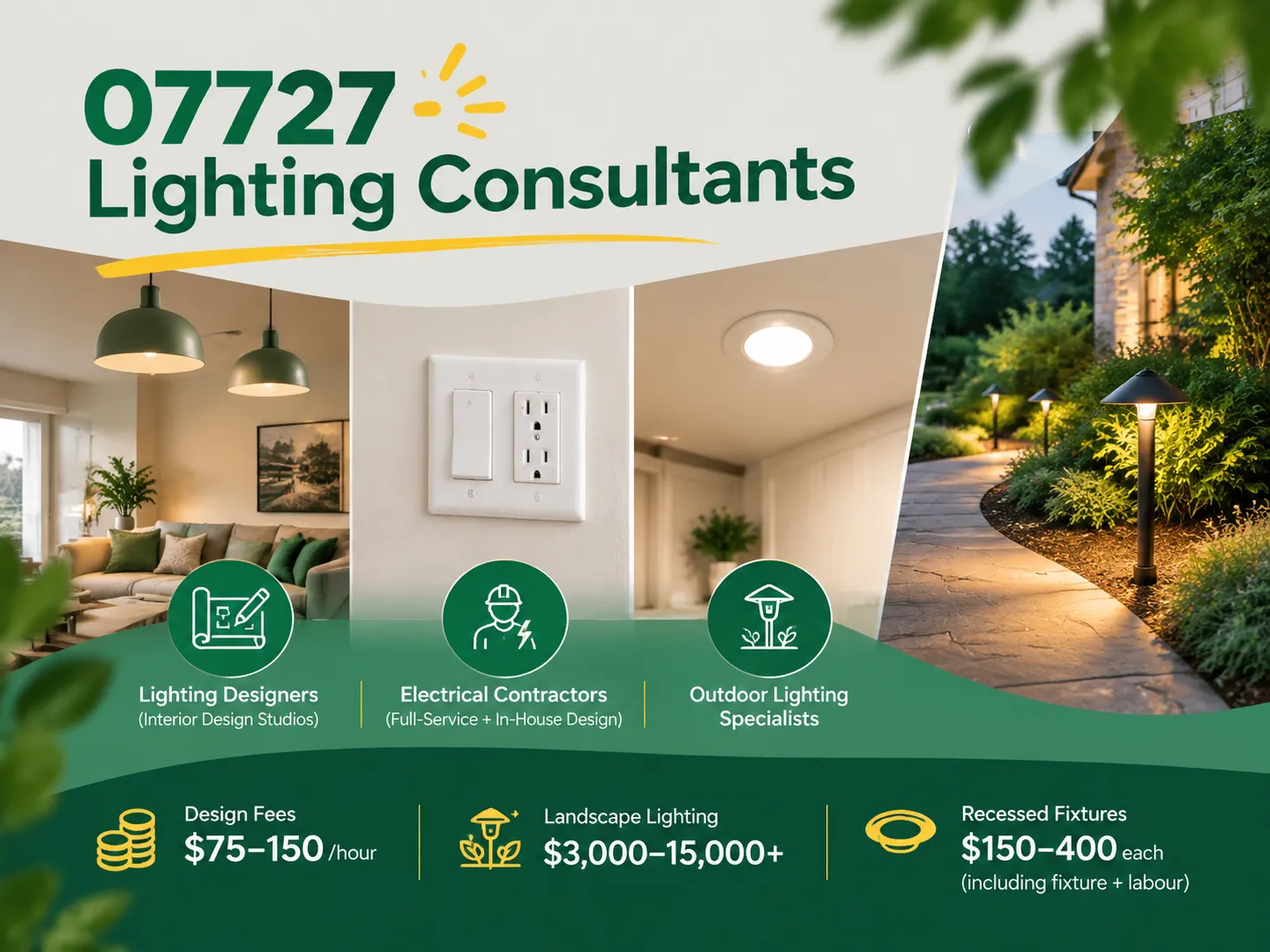
Farmingdale, along with parts of Wall Township and Tinton Falls, New Jersey, share the same zip code of 07727. Most of the houses built from the 1950s to the 1990s still exist today. Most of the homeowners are renovating their houses as opposed to building new homes. Homeowners tend to spend a lot more on […]
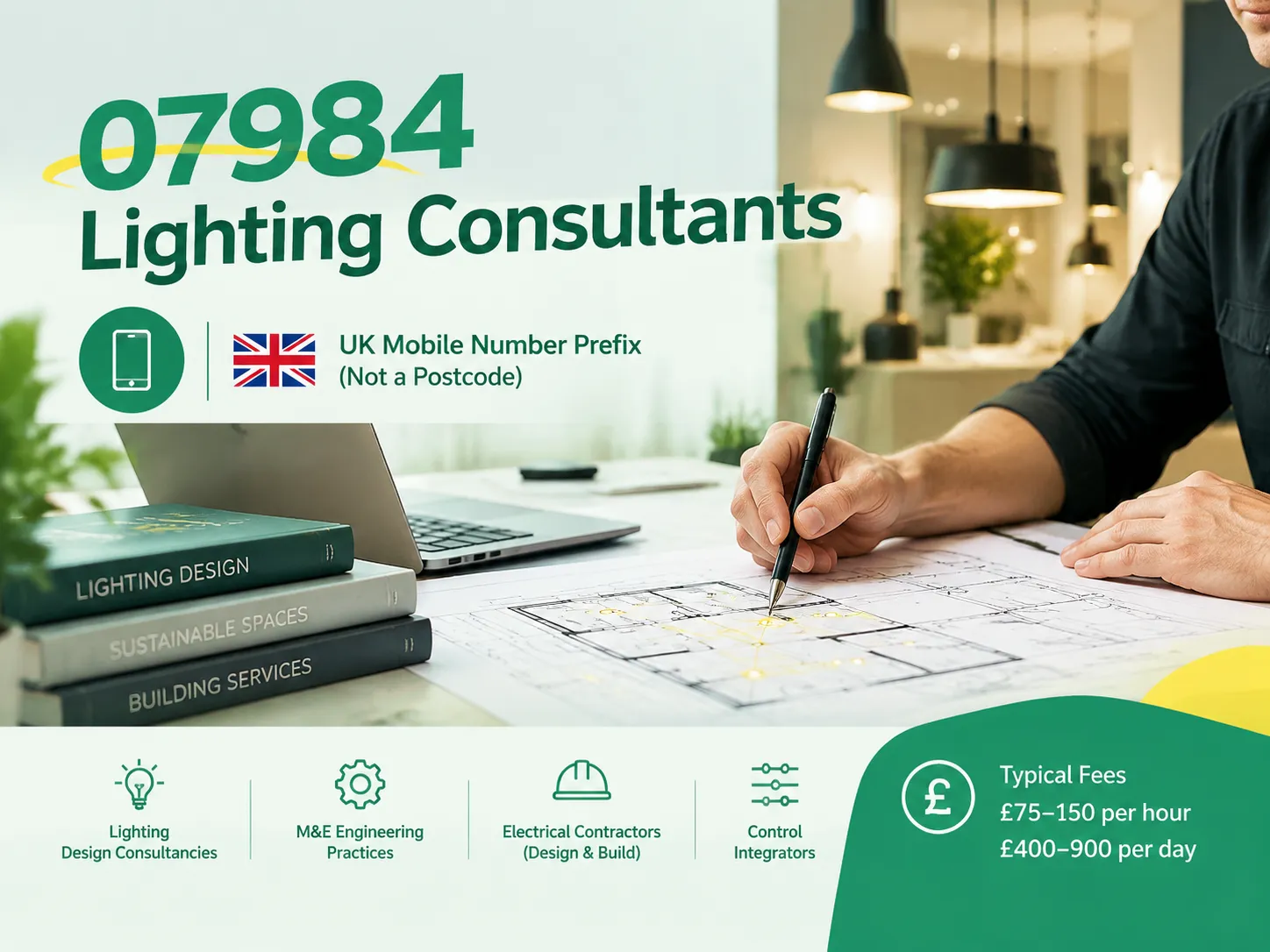
The term “07984 lighting consultants” gives people the impression that the five digits represent a postal code of some sort that indicates the place where lighting consultants provide services. This is, however, incorrect: there is no postal area coded 07984, which is only a code of mobile telecommunications in Great Britain. This means that the […]
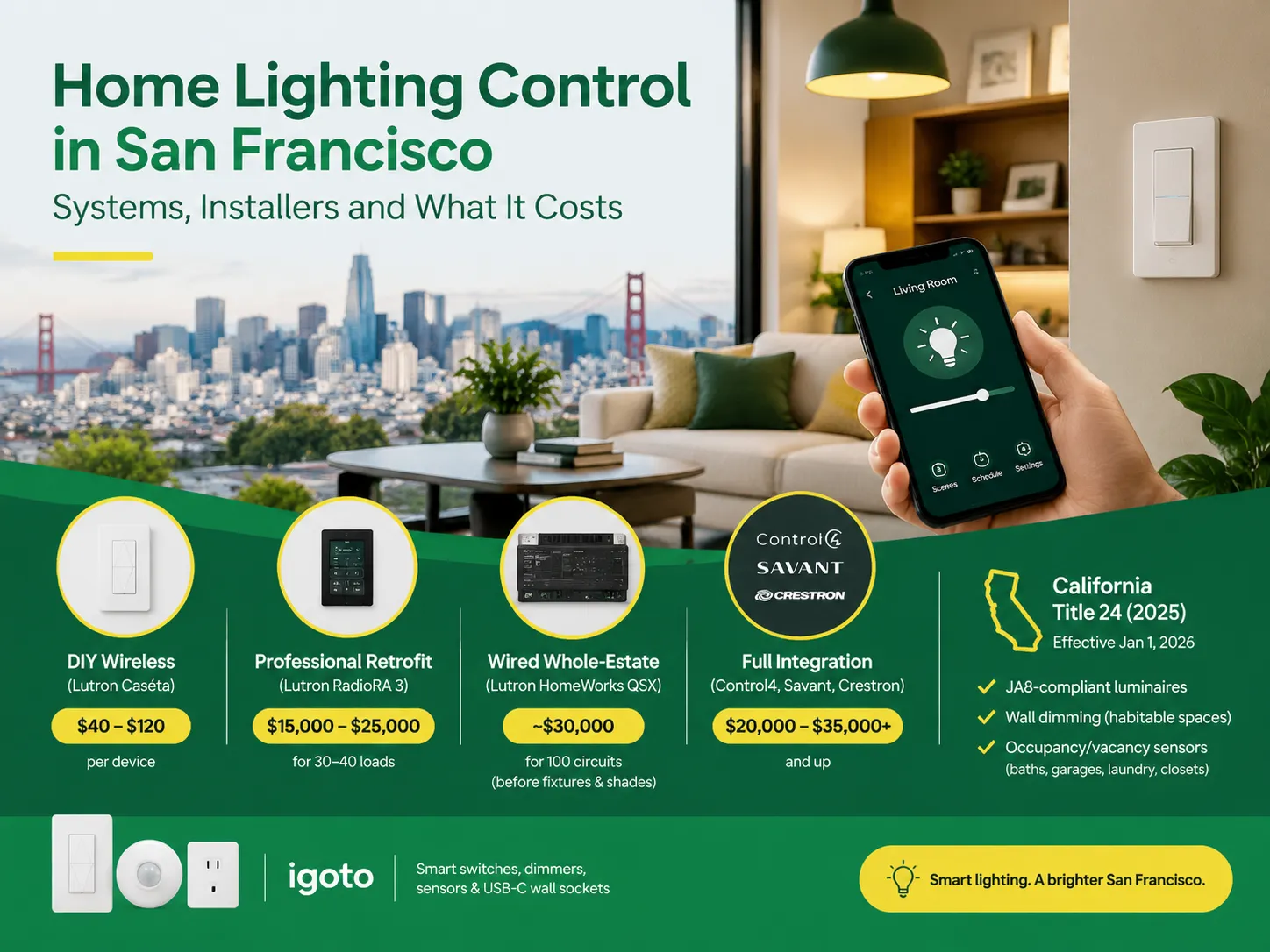
San Francisco is not the average lighting control market. The housing stock is old and dense, and the electrical code does not allow for as many electrical installations as is allowed almost anywhere else in the U.S. Most homes that want complex lighting are Victorian or Edwardian buildings where no one wants to start opening […]

 No.6 Tuozhan Road, Leshang Pioneer Park,Yueqingwan Bay Harbor,Yueqing city,Zhejiang Province