Keeping your layout safe and on budget requires finding the right electrical switch setup. You can have the cheapest bulk units, but if load limits fail and cause delays, your project costs spike. Checking load limits, wiring paths, and terminal designs is key to picking the best types of electrical switches for your project.
Modern buildings need a mix of circuit controls to handle different lighting types and machine lines. Choosing the right switch mechanism helps your field crews install them quickly while passing local safety inspections.
A single-pole switch is a circuit control device that helps to toggle standard 120V electrical loads from one wall box position. Its value to contractors is that it utilizes just two terminal screws to break a single hot wire. This helps speed up field installation while lowering material expenses and protecting project bidding margins.
A double-pole switch is known to control two individual hot wires simultaneously inside a single plastic switch body. This enables it to control 240-volt power lines without sparking or overheating critically. Single-phase equipment like commercial water heaters is often connected via these switches to ensure maximum safety.
Three-way switches let you manage a single light fixture from two separate wall locations. They feature a dynamic internal layout with no fixed “On/Off” text markings, using traveler wires to bridge power across the room.
Electricians install these in pairs to provide power control across long hallways, multi-story stairwells, and large basements.
Dimmer switches adjust the electrical current flowing to fixtures to change light brightness, lowering active energy bills for clients. Modern versions use electronic micro-choppers to alter wave frequencies so high-efficiency LED lights don’t flicker or hum.
Sourcing these requires checking bulb driver compatibility to ensure switches match the specified lighting fixtures.
Smart wall modules are these little computers inside a wall box. They contain a computer chip and remain powered on at all times (even when the lights go off). Due to this characteristic, a neutral wire should be present inside the box to complete the circuit.
Using wireless radio signals from Bluetooth or Wi-Fi, smart wall modules enable building managers to control lights using their smartphones and optimize energy consumption to lower utility bills.
Push buttons and wide rocker paddles are flat, wide-faced switches that comply with ADA accessibility laws. They look much better than those skinny, old-fashioned toggle switches and can be pressed with just an elbow or a flat hand.
Buyers also choose these for their minimalist appearance and ability to sit flush against the wall.
Choosing matching hardware requires a professional approach that weighs building use, load limits, and design style together. Sourcing teams must look beyond unit pricing to make sure every device stands up to the environment it’s installed in.
The type of building you intend to supply will indicate how durable and tough the switches need to be. In a typical home or apartment, people are more concerned about the cost and aesthetics of the switches, meaning you can get a 15-AMP residential-grade switch with ease. Since they are going to flip the switch only a few times per day, the risk of damage is almost minimal.
The case is different in public offices and commercial facilities where switches are flipped hundreds of times per day. These places require heavy-duty switches that can survive the high daily usage and successfully pass local building codes.
Another thing to do before placing an order is to verify that the switch is rated to handle the amount of electricity (Amps) running through the wires. It’s common knowledge that the thick wires present in commercial buildings carry 20 Amps of power. Buying a 15-Amp residential switch can cause the switch to overload and potentially cause an electrical fire.
Make sure to check the manufacturer’s data sheets to confirm that the switch is specifically rated for “inductive loads.” This is what helps prevent the internal parts from burning as the motor kicks on.
The materials used inside a switch directly affect its operational lifespan, circuit conductivity, and safety behavior under electrical faults. Buying managers must check these component details to shield their projects from early device failure and expensive field repairs.
Standard polycarbonate wall plates often suffer from premature scratching and UV-induced yellowing. IGOTO’s FS Series addresses these issues by using durable, architectural acrylic glass on switches. This allows our equipment to resist impact and maintain its appearance without cracking or degrading.
The cheapest bulk switches use plain copper parts that pit quickly and build up crusty black carbon soot. Top factories, however, use high-purity silver-nickel alloy points to improve power flow and lower operating heat. This enables them to run completely cool and stay operational across years of heavy daily use.
Your last line of defense against hot short circuits is the plastic blend used to mold the internal switch frame. High-grade V0 flame-retardant polymers are used to shape top-tier hardware so that they stop burning within a few seconds if a fault occurs. Those ordering these self-distinguishing parts can have peace of mind that a minor wall box failure won’t cause the fire to spread into the wall insulation.
Most engineers prioritize long-term durability and safety when choosing bulk hardware.
Electrician switches with silver-alloy contact points are more durable and safe under heavy use. These contact points are more efficient at conducting electricity and show less resistance during the passing of the current. Less resistance means the components generate less heat and are unlikely to fail under continuous heavy load.
When it comes to calculating the price of a bulk order, make sure to account for installation speed as it’s as important as how much a part tends to cost. The side screw terminal configurations in traditional switches often require technicians to work extra field time to tighten and loosen wires.
If it’s a quick-wire modular design with rare-entry terminal tunnels, your technicians should be able to secure connections faster. As such, your total contractor installation hours will be less than if you used a non-modular switch.
You don’t have to buy the exact same switch for every job. A better approach is to categorize your orders based on the project type so you can provide clients with the switch that fits their region and specific need.
At IGOTO, we offer various types of switches built for everything from luxury commercial properties to high-volume residential buildings. Some of our offerings include:
If you’re looking for a solid switch that is durable and comes with a long-standing warranty, make sure to see the models in the FS Series. These switches come with sleek, screwless panels that conceal the mounting brackets that often look untidy. You can count on these to pass strict design checks while providing a satisfactory experience to your executive clients.
The KS series contains “workhorses” that can withstand the high levels of prolonged use. In other words, it’s a series with highly durable and impact-resistant switches. Most switches in this series feature a rugged frame and solid rocker paddle to ensure they can survive heavy daily use and perform flawlessly without wearing out.
For metallic and plastic box layouts present in North American offices, IGOTO manufactures the US Standard Series. This particular series features industrial-grade vertical switch toggles that fit NEMA wall boxes and seamlessly handle heavier voltages.
Sourcing electrical parts isn’t a matter of buying the cheapest switches and calling it a day. You must consider the visual design, the speed of installation, and the safety code ratings to make sure you’re getting the right hardware for the job.
Always go through the electrical blueprint and design plans before placing a bulk order. Also, make sure that the switches you are ordering match the buyer’s loads on the print. Checking these power rules early can help you avoid failed inspections and develop a profitable venture that boosts your overall income.
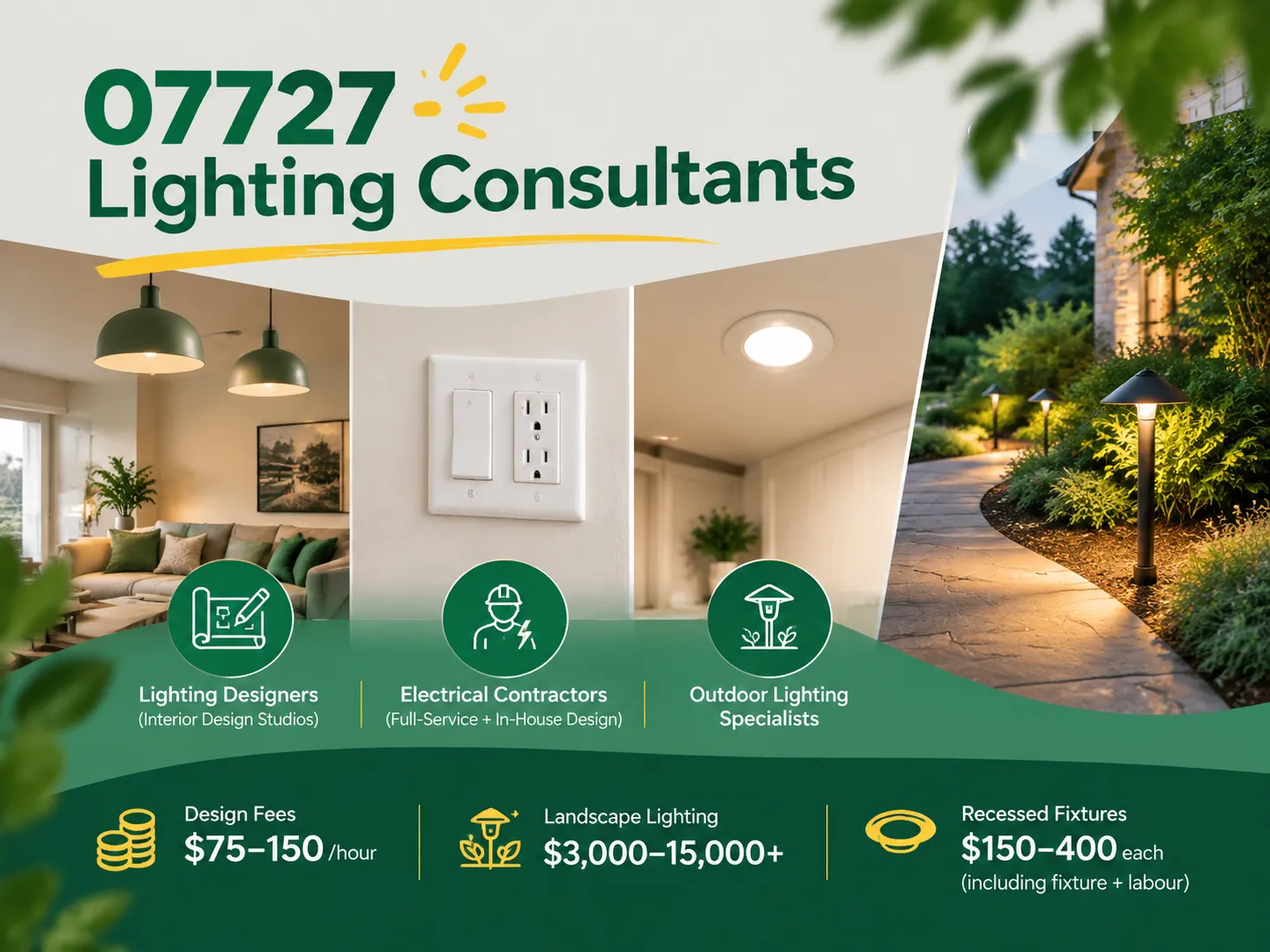
Farmingdale, along with parts of Wall Township and Tinton Falls, New Jersey, share the same zip code of 07727. Most of the houses built from the 1950s to the 1990s still exist today. Most of the homeowners are renovating their houses as opposed to building new homes. Homeowners tend to spend a lot more on […]

The term “07984 lighting consultants” gives people the impression that the five digits represent a postal code of some sort that indicates the place where lighting consultants provide services. This is, however, incorrect: there is no postal area coded 07984, which is only a code of mobile telecommunications in Great Britain. This means that the […]

San Francisco is not the average lighting control market. The housing stock is old and dense, and the electrical code does not allow for as many electrical installations as is allowed almost anywhere else in the U.S. Most homes that want complex lighting are Victorian or Edwardian buildings where no one wants to start opening […]

 No.6 Tuozhan Road, Leshang Pioneer Park,Yueqingwan Bay Harbor,Yueqing city,Zhejiang Province