

In commercial buildings and industrial facilities, light switches endure countless interactions daily. These frequently touched surfaces harbor microbes, dust, and grime that not only affect aesthetics but can pose serious safety risks.
For facility managers and contractors, understanding how to clean light switches properly is crucial for maintaining safe, hygienic environments.
When examining a dirty light switch, the visible grime only tells part of the story.
Beneath the surface, dust accumulation within electrical receptacles creates potential fire hazards as particles build up over time.
The combination of heat from electrical current and accumulated debris can lead to serious safety concerns, particularly in high-traffic commercial environments.
For existing installations, gather these supplies:
Go to the breaker box and turn off power to the work area. This critical safety step protects against shock hazards when cleaning dirty light switch surfaces.
Mix a mild cleaning solution using a few drops of dish detergent in warm water. While standard switches need frequent cleaning, IGOTO’s AS Series requires only minimal maintenance due to its dirt-resistant surface.
Put on rubber gloves and dampen a microfiber cloth with the cleaning solution. Wring thoroughly – the cloth should be barely damp. Begin cleaning the flush switch surface, paying attention to heavily soiled areas.
Use cotton swabs to clean hard-to-reach corners and edges where dirt accumulates. This step is especially important for key switches and specialty controls in high-traffic areas.
After basic cleaning, sanitize using a cotton swab lightly dampened with isopropyl alcohol. Note: IGOTO’s self-cleaning surfaces maintain sanitation between cleanings.
Learning how to clean key switches and how to clean outlets requires similar steps as standard switches, but demands extra caution due to their design:
For key switches, pay special attention to the mechanism around the keyhole where dirt often accumulates.
For switches showing significant contamination, remove cover plates carefully using appropriate tools. Clean both sides of plates thoroughly while inspecting internal components for potential issues. Document any damage requiring replacement, particularly in commercial installations where liability concerns are paramount.
Regular maintenance of switches and outlets helps prevent safety issues and extends component life.
Sometimes cleaning isn’t enough, especially with older switches showing wear. Watch for discoloration that won’t clean off, loose mechanisms, or unusual warmth during operation.
IGOTO’s AS Series offers a perfect upgrade with their durable, easy-clean design and advanced features. They come equipped with:
Regular cleaning of your light switches is essential for both aesthetics and hygiene. By following these guidelines on how to clean light switches safely, you can maintain both the appearance and functionality of your electrical fixtures.

The term “07984 lighting consultants” gives people the impression that the five digits represent a postal code of some sort that indicates the place where lighting consultants provide services. This is, however, incorrect: there is no postal area coded 07984, which is only a code of mobile telecommunications in Great Britain. This means that the […]

San Francisco is not the average lighting control market. The housing stock is old and dense, and the electrical code does not allow for as many electrical installations as is allowed almost anywhere else in the U.S. Most homes that want complex lighting are Victorian or Edwardian buildings where no one wants to start opening […]
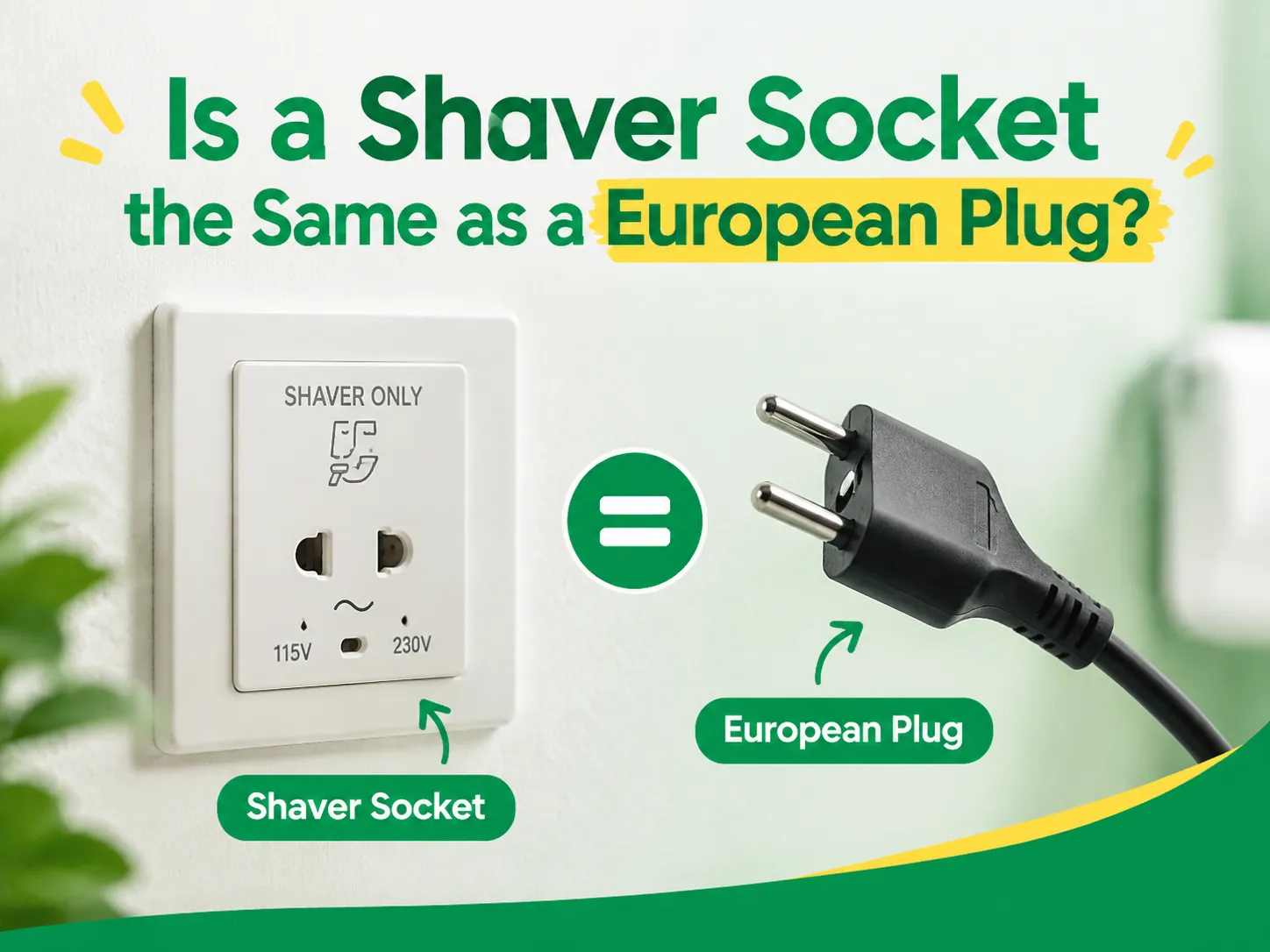
Although they seem to be alike, they both have a round shape with two pins, and they function at a voltage of 230V. This explains why some tourists use a European plug with a British shaver or wonder why a shaver cannot be plugged into a Schuko socket in a Spanish hotel. In reality, they […]

 No.6 Tuozhan Road, Leshang Pioneer Park,Yueqingwan Bay Harbor,Yueqing city,Zhejiang Province


