

The spec-sheet differences between modular and non modular switches directly impact your bottom line and project timelines.
As job sites demand more sophisticated solutions, understanding these distinctions helps you deliver better value to your clients while maintaining competitive bids.
Traditional non-modular switches demand complete unit replacement for modifications, increasing labor costs and project timelines.
Modular switches reduce installation and maintenance time through their component-based design.
This efficiency difference becomes particularly significant in large commercial projects, where multiple switch replacements can impact overall project delivery schedules.
What brought about this change? Three significant differences between modular and non-modular electrical switches define why contractors increasingly specify modular solutions:
| Feature | Modular Switches | Non Modular Switches |
| Initial Cost | Premium investment | Economical choice |
| Installation Time | 40% reduction | Standard duration |
| Design Options | Extensive customization | Basic variations |
| Safety Features | Comprehensive protection | Standard safeguards |
| Maintenance | Component-level access | Complete unit replacement |
Non-modular switches serve their basic function well, with internal mechanisms built to engineering standards. However, their exterior design often conflicts with modern architectural requirements, showing exposed hardware and basic finishes.
Modular switches provide extensive customization options in materials, colors, and finishes. Their concealed mounting systems and clean lines integrate seamlessly with contemporary design schemes.
The exposed screws and wiring in non-modular switches and switchboards present inherent risks, particularly in high-traffic commercial areas. While choosing the economical option might seem attractive initially, basic safety features may not meet modern building requirements.
Modular switches incorporate comprehensive safety features, including shuttered contacts, tamper-resistant designs, and flame-retardant materials. These advanced protection systems justify their premium positioning in commercial specifications.
Given their premium positioning, modular switches incorporate features that significantly reduce installation and maintenance time. Their design allows for multiple mounting orientations and front-loading access, simplifying both initial installation and future servicing.
For contractors evaluating electrical solutions for commercial projects, manufacturers like IGOTO Electric represent the evolution in modular switch technology. With 15 years of manufacturing expertise and facilities equipped with 37 injection molding machines, modern production ensures consistent quality and reliability.
The comparison between modular and non modular power supply systems reveals clear advantages for modern commercial applications. While traditional switches serve basic needs, modular solutions deliver the design integration, safety features, and maintenance efficiency that today’s projects demand.
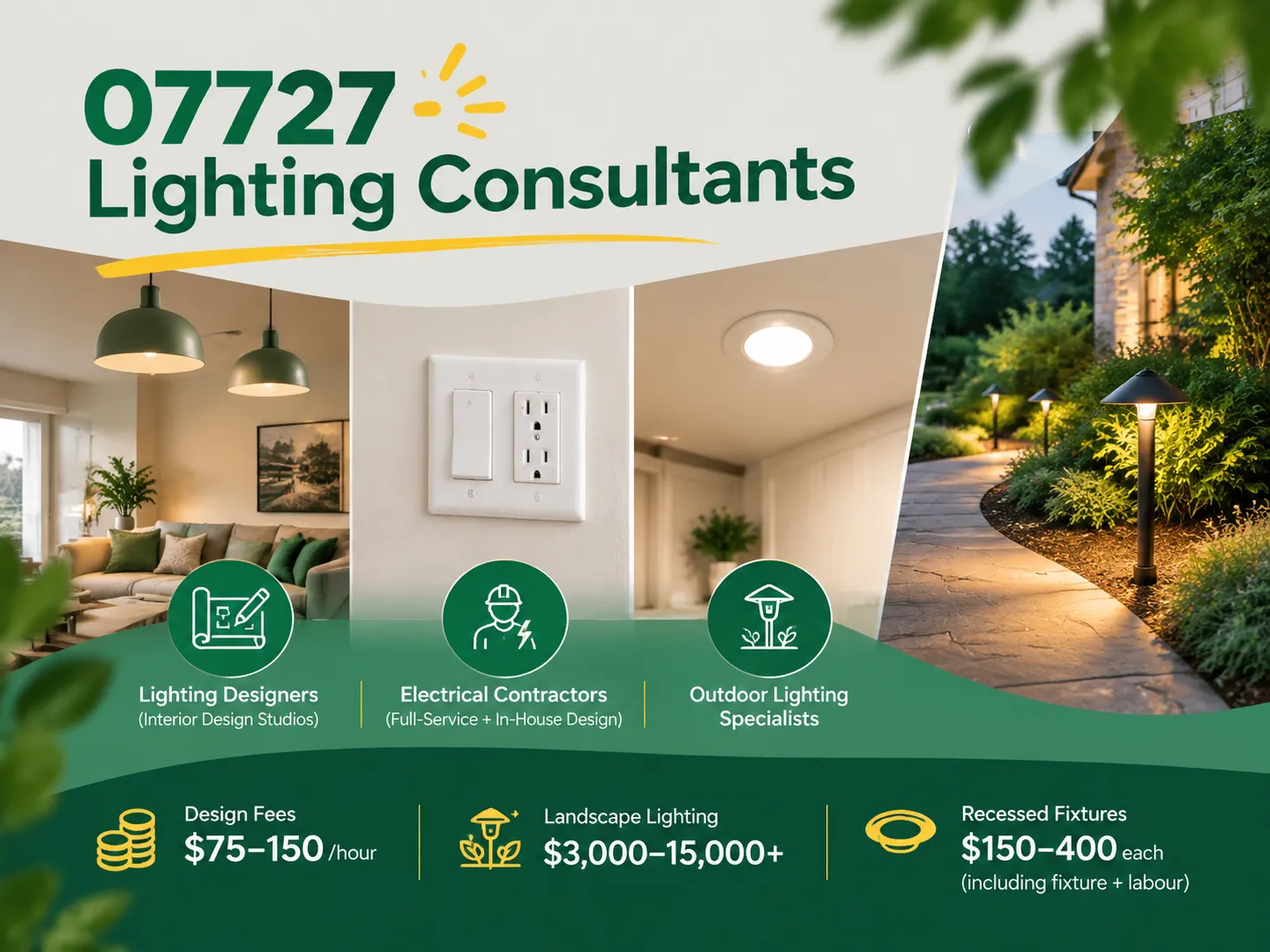
Farmingdale, along with parts of Wall Township and Tinton Falls, New Jersey, share the same zip code of 07727. Most of the houses built from the 1950s to the 1990s still exist today. Most of the homeowners are renovating their houses as opposed to building new homes. Homeowners tend to spend a lot more on […]

The term “07984 lighting consultants” gives people the impression that the five digits represent a postal code of some sort that indicates the place where lighting consultants provide services. This is, however, incorrect: there is no postal area coded 07984, which is only a code of mobile telecommunications in Great Britain. This means that the […]

San Francisco is not the average lighting control market. The housing stock is old and dense, and the electrical code does not allow for as many electrical installations as is allowed almost anywhere else in the U.S. Most homes that want complex lighting are Victorian or Edwardian buildings where no one wants to start opening […]

 No.6 Tuozhan Road, Leshang Pioneer Park,Yueqingwan Bay Harbor,Yueqing city,Zhejiang Province


