

Modular switches are electrical fittings built on an interchangeable module system where individual components like switches, sockets, and USB ports snap into standardized frames, allowing easy installation, replacement, and customization without rewiring.
Traditional switches lock you into fixed configurations. When something breaks or you need to add functionality, you’re tearing into walls and rewiring circuits.
Modular systems work differently. They separate electrical fittings into three parts: a front plate, a mounting frame, and individual modules. Each module handles one function, whether that’s a light switch, power socket, or USB charger.
The term “modular” refers to this mix-and-match capability. You can combine different functions within a single plate based on what each room needs. A bedroom might have two light switches and one socket. A home office might have one switch, one socket, and two USB ports.
This flexibility extends beyond installation. When you need to upgrade or replace components, you swap modules without touching the frame or rewiring anything. That saves labor time and reduces disruption.
The construction industry has shifted toward modular solutions because they solve problems that traditional switches create.
Safety stands out first. A modular electric switch uses flame-retardant polycarbonate and hides all metal components behind the front plate. No exposed screws mean reduced shock risks in homes and offices.
Socket shutters add another safety layer. These prevent children from inserting objects into outlets by blocking access until a proper plug engages both prongs simultaneously.
Installation speed matters when you’re working against project deadlines. Snap-in functionality lets electricians install or change components in minutes instead of hours. This cuts labor costs on large projects where you’re installing hundreds of switches.
Maintenance becomes simpler too. When a modular switch socket fails in a hotel room, staff swap the module without calling electricians or shutting down power to entire floors. That reduces downtime and keeps operations running.
Aesthetic appeal influences buying decisions more than many contractors expect. Clients notice switch plates because they’re visible in every room. Modular options offer finishes that traditional switches can’t match:
The flexibility of modular systems depends on standardized plate sizes, typically measured in modules or gangs. These determine how many components fit within a single frame.
| Plate Size | Common Applications |
| 1-2 Module | Single switches or specialized controls |
| 3-4 Module | Small rooms with basic light and fan control |
| 6-8 Module | Bedrooms and medium-sized spaces |
| 12-18 Module | Main switchboards in living rooms or offices |
A standard single-gang plate measures 4.5 inches high by 2.75 inches wide. Double-gang plates extend to 4.56 inches wide. These dimensions matter when you’re planning installations because mounting boxes need proper sizing before walls get closed.
The real value shows when you start combining functions. A 6-module plate can hold three light switches and a 3-pin socket in one location instead of spreading them across multiple boxes. This consolidation reduces wall clutter and creates cleaner room layouts.
Modular switch plate sizes also affect project costs. Larger plates cost more upfront but reduce the number of mounting boxes you need, which saves on rough-in labor and materials.
Modular flexibility comes from specialized components that serve different functions.
Basic switches handle lighting and fan control. These typically come in 6A ratings for standard lights and 16A or 25A ratings for heavy appliances like air conditioners or water heaters.
Power sockets include 2-pin and 3-pin options. International socket modules accommodate different plug types, which matters for hotels and commercial buildings that serve global clients.
USB charging modules have become essential rather than optional. Modern homes and offices need device charging without occupying power outlets that appliances require.
Data connectivity modules include RJ45 ports for network connections and coaxial sockets for TV. These create clean, structured cabling in commercial spaces instead of running extension cords across floors.
Indicator modules show when switches are active. These work well for water heaters where you want visible confirmation that power is flowing to the appliance.
Blank modules fill unused spaces to keep the modular switch board design looking complete and professional. Without these, empty slots in larger plates look unfinished.
The modular switch board design market has moved toward minimalism and customization. Matte finishes in black or white dominate modern residential and commercial projects because they blend into walls instead of standing out.
Premium projects increasingly specify glass, metal, or wood textures. These materials cost more but deliver the aesthetic that luxury developments demand. Glass panels stay clean longer than plastic and resist yellowing from UV exposure.
Dual orientation options adapt to space constraints. Some manufacturers design plates that install vertically or horizontally depending on room layout, which gives designers more flexibility in tight spaces.
Color matching capabilities let you align switches with brand identity or interior design schemes. This matters for retail spaces and corporate offices where visual consistency affects how people perceive the space.
To understand how modular systems differ from traditional approaches, see our detailed comparison of modular vs non-modular switches.
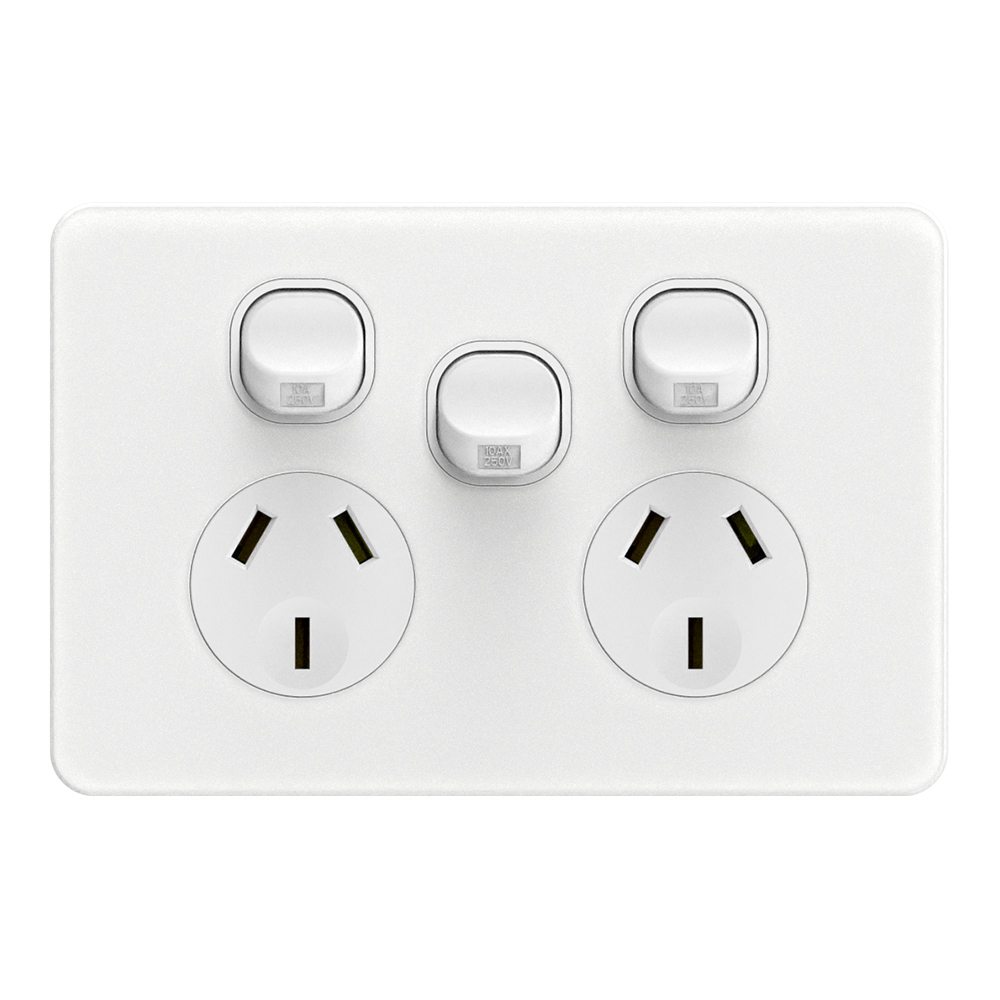
Discover top-quality Australian standard switches and sockets for reliable performance.
Explore AU Standard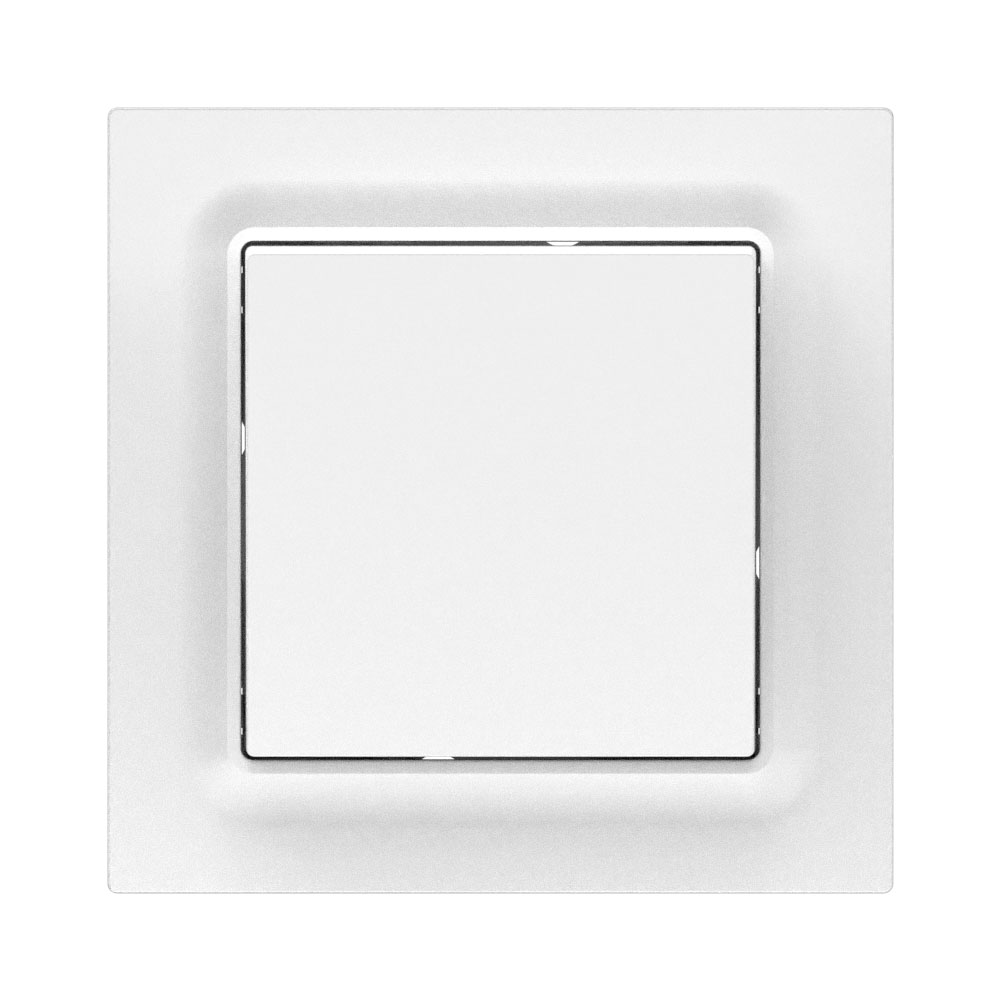
Browse our premium EU standard solutions trusted by global partners and projects.
Explore EU Standard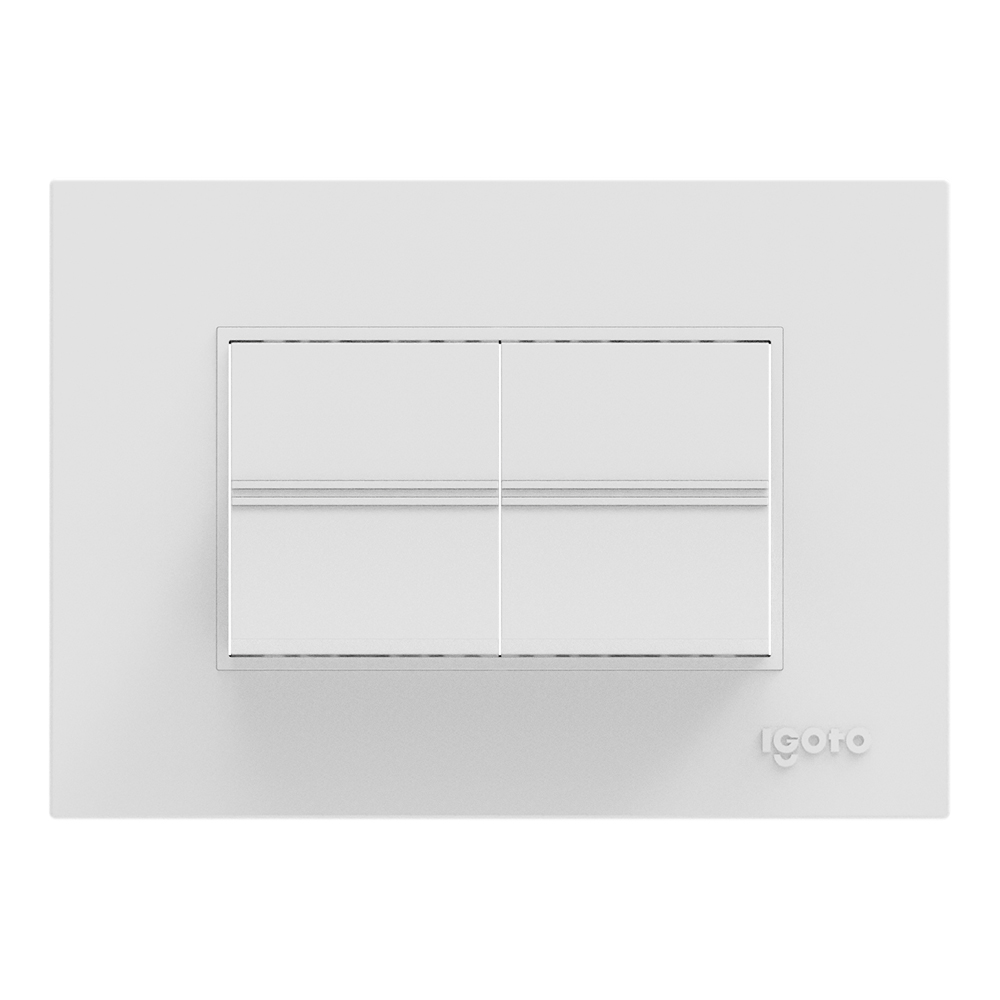
Find US standard switches engineered for safety, durability, and modern design.
Explore US Standard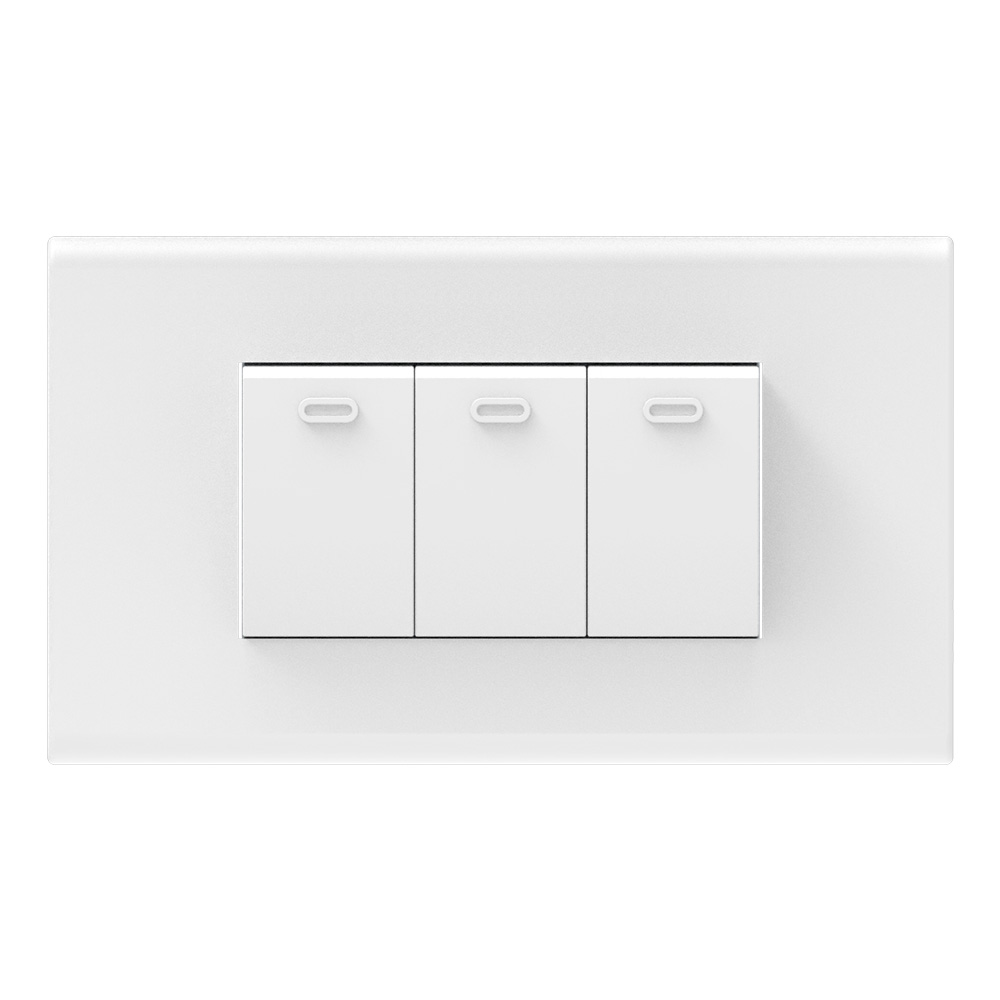
Upgrade your Vietnam projects with reliable, aesthetic switch and socket solutions.
Explore Vietnam StandardMaterial quality determines longevity. UV-stabilized, high-grade polycarbonate resists yellowing that makes cheap switches look old after a few years. This matters in spaces with natural light exposure.
Arc shield technology prevents sparking during switch operation. Look for this feature in quality products because it reduces fire risk and extends component life.
Load ratings need proper specification. Using 6A switches for lighting works fine, but air conditioners require 16A modules to handle the current safely. Undersizing creates overheating risks.
Double pole switches completely isolate high-load appliances like water heaters. Single pole switches only break one conductor, which leaves the appliance partially connected. For safety-critical applications, double pole matters.
Socket shutters should meet current safety standards. Quality shutters need simultaneous pressure on both openings to release, which prevents single-object insertion that cheaper designs allow.
Flame-retardant ratings separate quality products from cheap alternatives. Look for components that meet FR standards because these contain electrical faults instead of fueling fires.
Brand reputation affects long-term satisfaction. Established manufacturers maintain consistent quality and stock replacement modules years after installation. Unknown brands often discontinue product lines, leaving you unable to match existing installations.
Certification marks prove compliance with safety standards. Products carrying IEC or regional certifications passed testing that uncertified alternatives skipped.
Warranty terms reveal manufacturer confidence. Companies offering extended warranties on modular switches and sockets typically use better materials and construction than those with minimal coverage.
For professional-grade modular switches designed for demanding commercial and residential applications, explore IGOTO’s complete range of wall switches and power outlets.
Proper planning starts with understanding room functions. Kitchens need more power outlets than bedrooms. Home offices need data ports that living rooms don’t. Map these requirements before specifying modular switch plate sizes.
Mounting box selection affects installation quality. Boxes must match plate sizes exactly, and depth matters for accommodating modules and wiring. Shallow boxes create connection problems and potential safety issues.
Wire management inside boxes improves reliability. Proper connections with adequate wire length prevent stress on terminals that leads to premature failure.
Future-proofing installations means leaving room for upgrades. Specifying larger plates with blank modules costs little extra initially but provides upgrade paths when technology changes.
Modular switches cost more upfront than traditional alternatives. This price difference stops some buyers who focus only on initial purchase costs.
Calculate total cost of ownership instead. Factor in installation speed, reduced maintenance calls, upgrade flexibility, and extended service life. These advantages typically overcome the higher initial investment within the first few years.
Safety improvements reduce liability exposure. Better materials, shielded contacts, and child-safe designs protect both occupants and property owners from electrical hazards.
Aesthetic value matters more in competitive real estate markets. Properties with modern, coordinated electrical fittings command higher prices and rent faster than those with outdated switches.
The modular electric switch approach represents where the industry is heading. Investing in these systems now protects against obsolescence as building codes and buyer expectations continue evolving toward safer, more flexible electrical infrastructure.
For professional-grade modular switches designed for demanding commercial and residential applications, explore IGOTO’s complete range of wall switches and power outlets.
Request a quote, download our specification sheets, or contact our sales team to discuss customized solutions for your project. Reduce maintenance costs, enhance safety, and future-proof your installations with IGOTO.
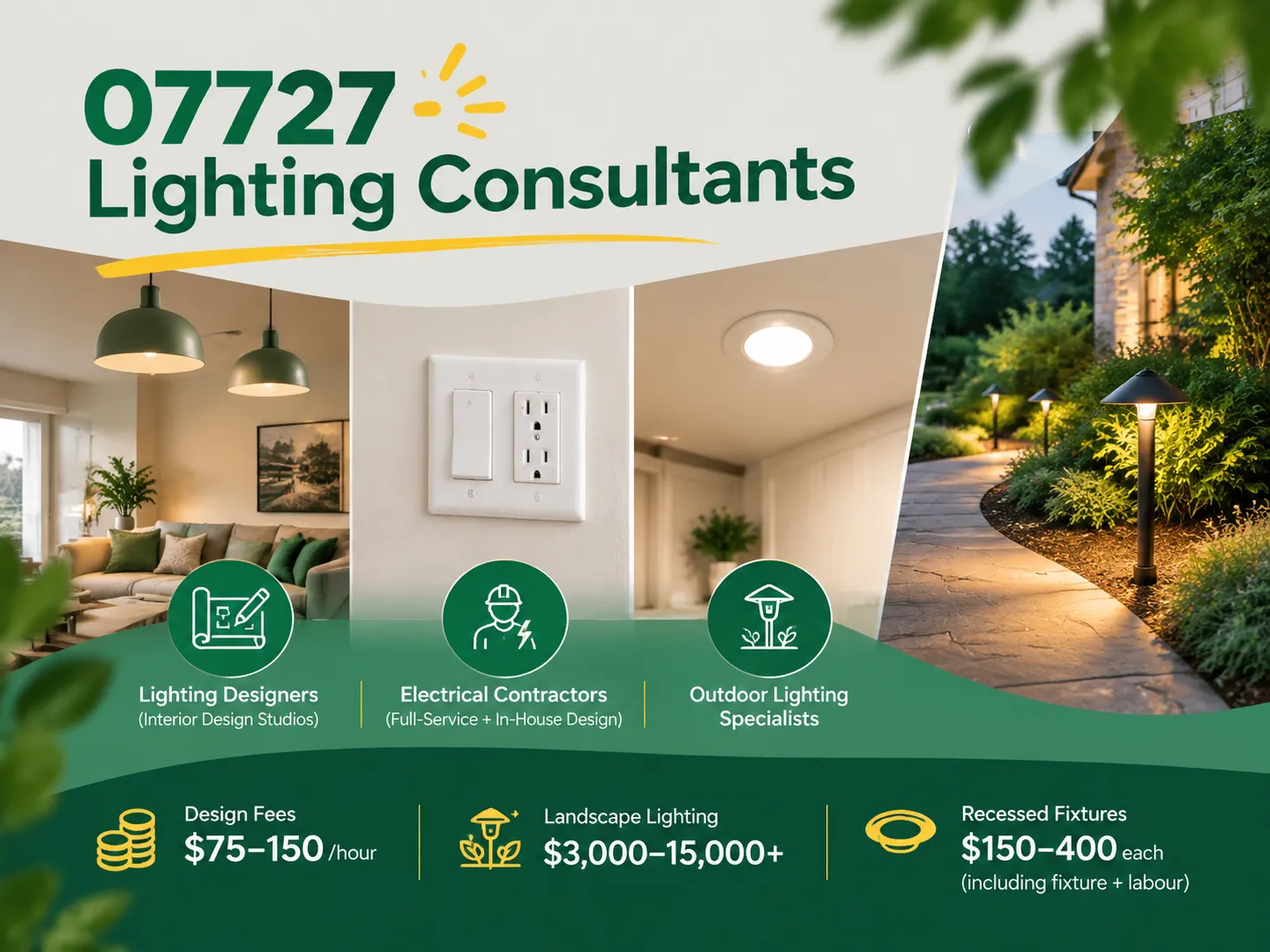
Farmingdale, along with parts of Wall Township and Tinton Falls, New Jersey, share the same zip code of 07727. Most of the houses built from the 1950s to the 1990s still exist today. Most of the homeowners are renovating their houses as opposed to building new homes. Homeowners tend to spend a lot more on […]

The term “07984 lighting consultants” gives people the impression that the five digits represent a postal code of some sort that indicates the place where lighting consultants provide services. This is, however, incorrect: there is no postal area coded 07984, which is only a code of mobile telecommunications in Great Britain. This means that the […]

San Francisco is not the average lighting control market. The housing stock is old and dense, and the electrical code does not allow for as many electrical installations as is allowed almost anywhere else in the U.S. Most homes that want complex lighting are Victorian or Edwardian buildings where no one wants to start opening […]

 No.6 Tuozhan Road, Leshang Pioneer Park,Yueqingwan Bay Harbor,Yueqing city,Zhejiang Province


