

A USB wall socket that has been installed correctly and used according to a manufacturer’s instructions is a safe appliance. A USB wall socket has built-in protection features to protect against the potential dangers of overcurrent, short-circuit and temperature problems. Make sure your USB wall socket has been independently certified for compliance with applicable safety standards. Further, have a qualified electrician perform the installation to be certain it will function safely.
A USB wall socket is an electrical outlet that has built-in USB charging ports. It allows charging directly through the wall outlet without using a separate charger. The USB wall socket combines the traditional AC outlet with USB charging capability. The USB wall socket uses volt regulator and surge protector technologies to safely provide stable power to the connected devices. It allows for convenience to users by eliminating the need for multiple types of chargers and/or adapters.
AC power from your house’s electrical system is converted into DC power that is needed to charge a USB device at the USB wall socket. This conversion takes place internally within the wall outlet – there is no need to have a separate AC to DC converter.
Although USB Ports are still current, they have recently become more widely used due to their convenience and ability to charge multiple devices at once. There are now many models available, including some that provide faster charging by allowing you to use a Type C connector instead of traditional connectors.
Rated power outputs for USB ports range anywhere from 2.1 Amps to 4.8 Amps per USB Port (depending on model); therefore this rating indicates how quickly your device(s) will recharge while being powered by a given USB Outlet.
Yes, USB Outlets can be used with Ground Fault Circuit Interrupter (GFCI) protection, which adds an additional layer of safety against electrical shock when you’re working with wet areas such as kitchens or bathrooms where water and electricity may come into contact.
No, USB outlets are not inherently slower than other USB charging devices. Some USB wall outlets are made to supply enough current for fast charging, and are therefore comparable with other fast-charging methods (i.e. standalone chargers). When choosing a model look for one that supports fast charging protocols.
Yes, even when not in use USB wall outlets will continue to consume a small amount of energy due to standby mode. The amount of power consumed in standby mode is very low, and it is unlikely that this power draw will cause a major impact to electricity costs.
In Fact, you can install USB outlets with the same type of wiring as your current home wiring. You will want to make sure that your existing house wiring is in good condition and that it can handle the additional load of the new outlet.
Outlets with USB ports are most commonly installed in those areas of your home where you spend the majority of your time. So when deciding where you want to put these outlets… consider where you like to have easy access to charging devices, such as near your desk, beside your bed on a nightstand, and in the kitchen, etc.
Normally, it is better to use wall sockets with USB ports to charge your phone. The wall socket is more stable and provides a higher current, therefore will charge faster and more efficiently than the computer’s USB port.
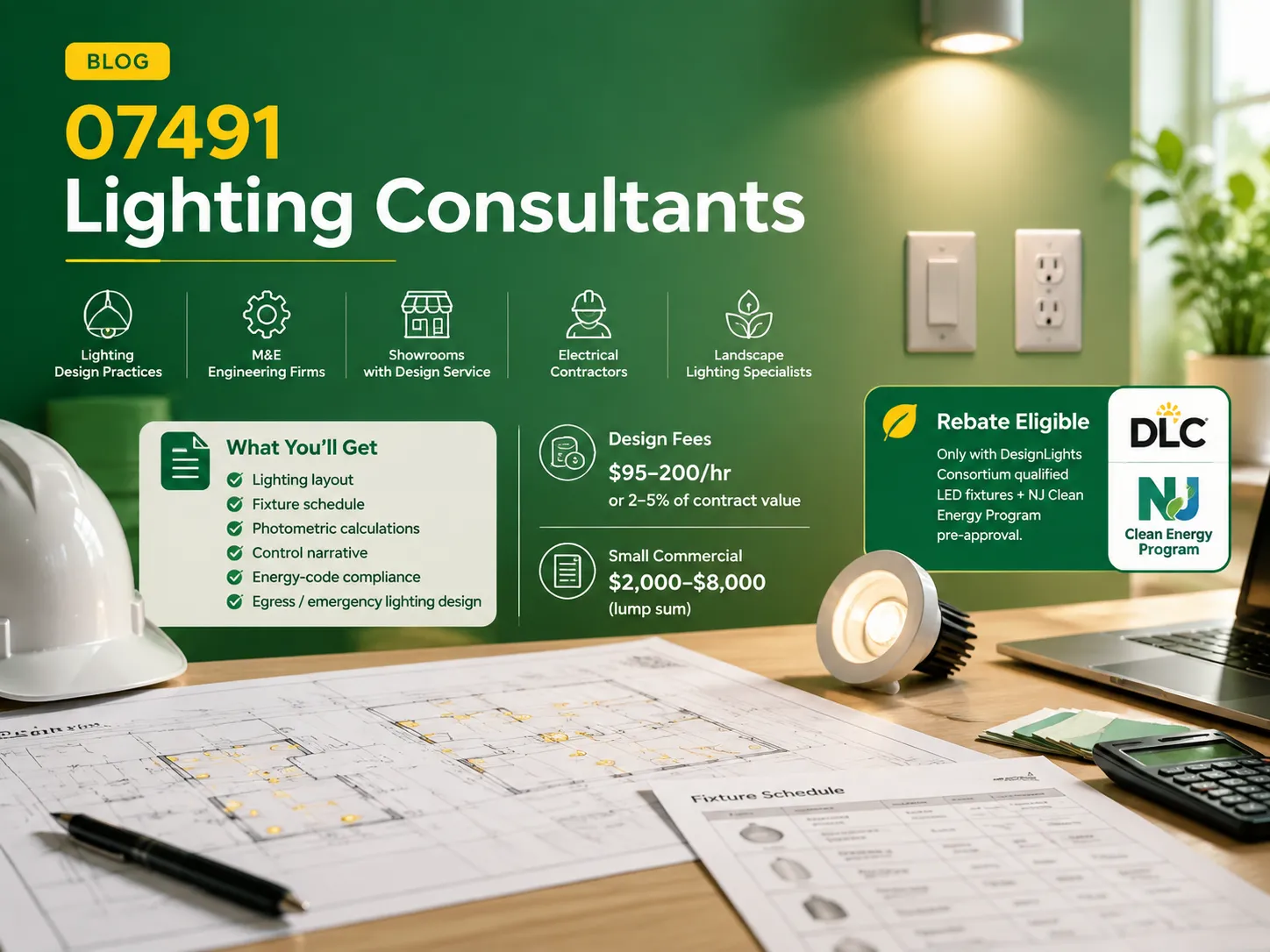
If you need assistance with lighting in the 07491 region, is essential to ask two crucial inquiries: who is operating nearby and how much is charged for the services. Concerning the first question, one can easily find the answer regarding the facts and figures because the market in northern New Jersey is not so broad. […]
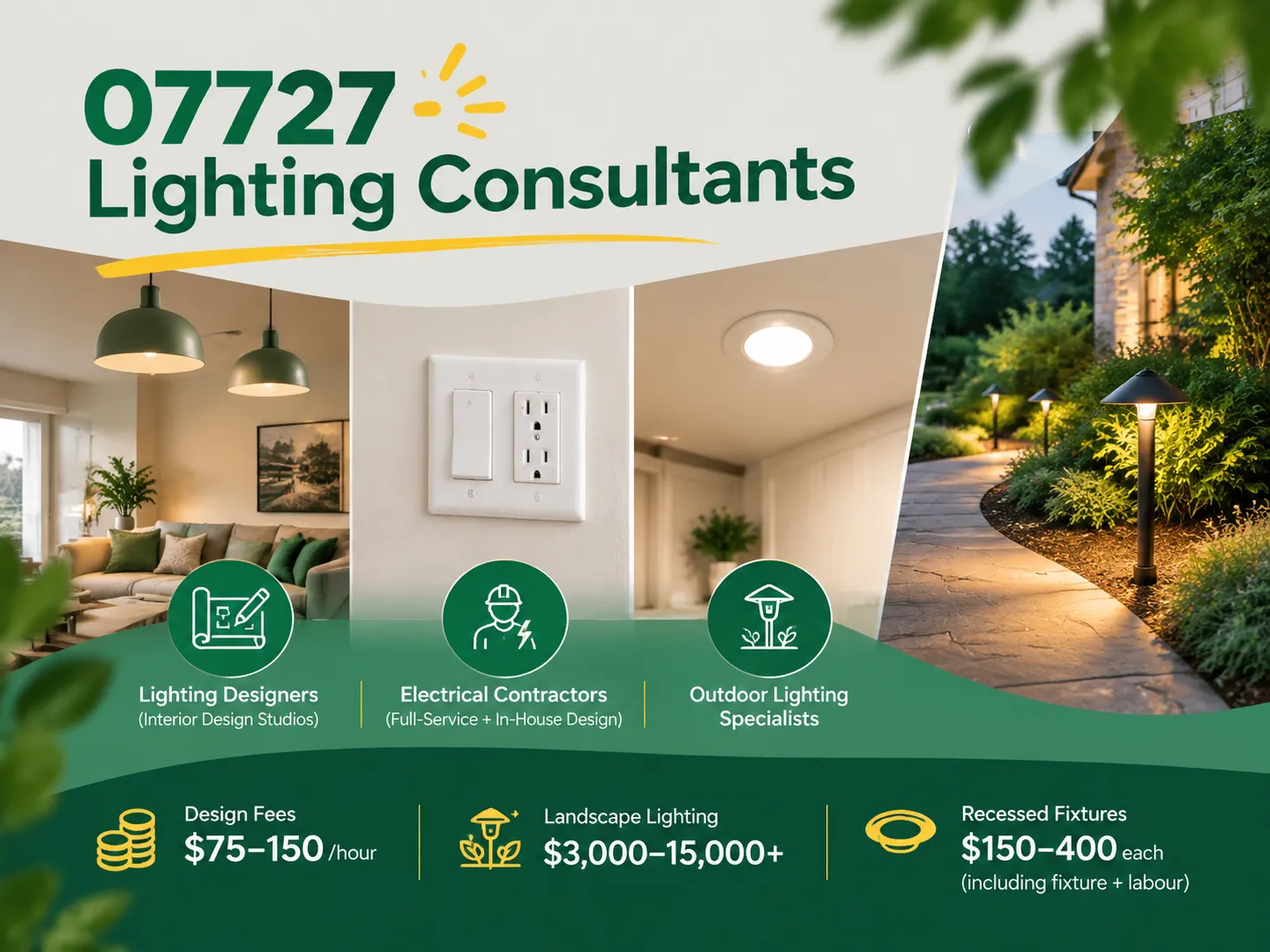
Farmingdale, along with parts of Wall Township and Tinton Falls, New Jersey, share the same zip code of 07727. Most of the houses built from the 1950s to the 1990s still exist today. Most of the homeowners are renovating their houses as opposed to building new homes. Homeowners tend to spend a lot more on […]

The term “07984 lighting consultants” gives people the impression that the five digits represent a postal code of some sort that indicates the place where lighting consultants provide services. This is, however, incorrect: there is no postal area coded 07984, which is only a code of mobile telecommunications in Great Britain. This means that the […]

 No.6 Tuozhan Road, Leshang Pioneer Park,Yueqingwan Bay Harbor,Yueqing city,Zhejiang Province


