

Professional switch socket installation depends on three key factors: correct height placement, environmental safety protocols, and thorough preparation. This guide covers the non-wiring fundamentals that keep projects compliant and safe.
The height for wall switches varies by room type, but residential standards follow consistent patterns across building codes.
General residential wall switches are installed at 1.4 meters above the ground. This height works for most users without excessive reaching or bending.
Standard concealed sockets sit lower, between 0.3 and 0.4 meters above the ground. Surface-mounted sockets need positioning between 1.3 and 1.5 meters from the floor.
Pull switches for ceiling fixtures need a 2-meter installation height. In kindergartens, sockets higher than 1.8 meters cannot be installed on desktops.
Commercial environments need different height considerations:
These elevations account for clearance, maintenance access, and weather protection.
Each room presents unique requirements based on moisture exposure and the electrical sockets’ safety rules.
Install countertop sockets at 60 centimeters above the work surface. This keeps them clear of water splashes while remaining accessible. Maintain a 60-centimeter minimum distance from both sinks and stoves.
Lower sockets for general appliances sit at a standard 0.3 to 0.4 meter height. High-power appliances like refrigerators benefit from dedicated circuits with grounded sockets.
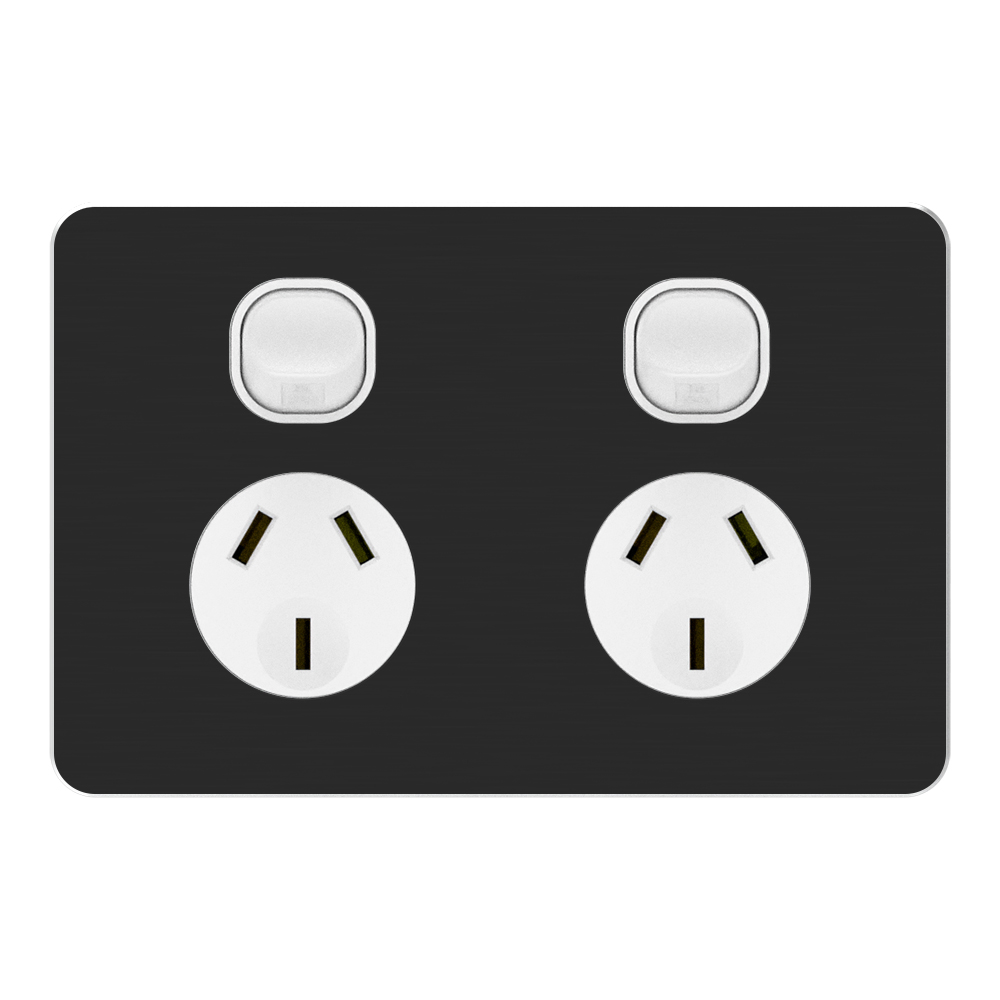
Position sockets at a minimum 90-centimeter height from the floor. Keep at least 30 centimeters between any socket and water sources like washbasins or showers. Only IP44-rated or higher waterproof sockets meet protection standards here.
Switches work best near the door, outside primary splash zones. Consider RCD (residual current device) protection for additional safety.
Install outdoor sockets at 120 centimeters from the ground. This protects against rain and moisture. Use IP54 or IP65-rated sockets with protective covers for all exterior applications.
Switches should sit at 1.1 to 1.2 meters in height, positioned to avoid direct weather exposure.
| Space Type | Switch Height | Socket Height | Distance from Water | IP Rating |
| Living Areas | 1.1-1.2m | 0.3-0.4m | N/A | IP20 |
| Kitchens | 1.1-1.2m | 0.6m (counter) | 60cm from sink/stove | IP44 near sink |
| Bathrooms | Near door | 0.9m minimum | 30cm minimum | IP44+ |
| Outdoor | 1.1-1.2m | 1.2m | Rain protected | IP54+ |
The common sense of switch socket installation starts with thorough preparation and safety verification.
Turn off the main breaker before starting. Use a non-contact voltage tester to confirm no current flows. Never rely on assumptions about power status.
Check that floors and work surfaces are completely dry. Moisture increases shock risk, especially around electrical panels.
Take photos of existing wiring before disconnection. This prevents confusion during reassembly.
In buildings over 20 years old, identify the wiring system first. Color codes may differ from current standards. Document wire positions and connections.
Safety equipment protects against common installation risks:
Keep a first aid kit accessible for minor cuts and scrapes.
Proper tools prevent accidents and ensure quality work.
Use only insulated tools rated for electrical work:
Standard tools lack the protection needed near electrical circuits. Insulated tools have rated voltage protection marked on the handle.
Your voltage tester needs regular calibration checks. A faulty tester gives false readings that create risk.
Test the tester before each job on a known live circuit to verify it responds correctly.
Components must meet certification and design requirements for safe operation.
All switches and sockets need product qualification certificates. Check for proper certifications:
These certifications confirm that products underwent rigorous safety and performance testing.
Plastic mounting boards should have sufficient strength without bending. Flexible boards suggest substandard materials that will not hold securely.
When purchasing power sockets, verify three protection functions:
Rated voltage and current values should exceed expected loads. Components operating at maximum capacity fail prematurely and create safety risks.
Plan for at least one socket per wall, with a maximum 2-meter spacing between outlets. This prevents excessive extension cord use, a common fire hazard.
Commercial spaces may need denser coverage based on equipment requirements.
Professional installations include thorough testing before completion.
Understanding the common sense of switch socket installation protects installers and users:
When specifying switches and sockets for projects, manufacturer certification demonstrates commitment to safety standards. IGOTO Electric holds SAA certification for Australia, CE marking for Europe, and TISI compliance for Thailand.
Our wall switches and sockets are manufactured under ISO9001, ISO14001, and ISO45001 certified processes. With 26 years of manufacturing experience, we deliver the reliability your projects demand. Contact us today for specifications for your next project.
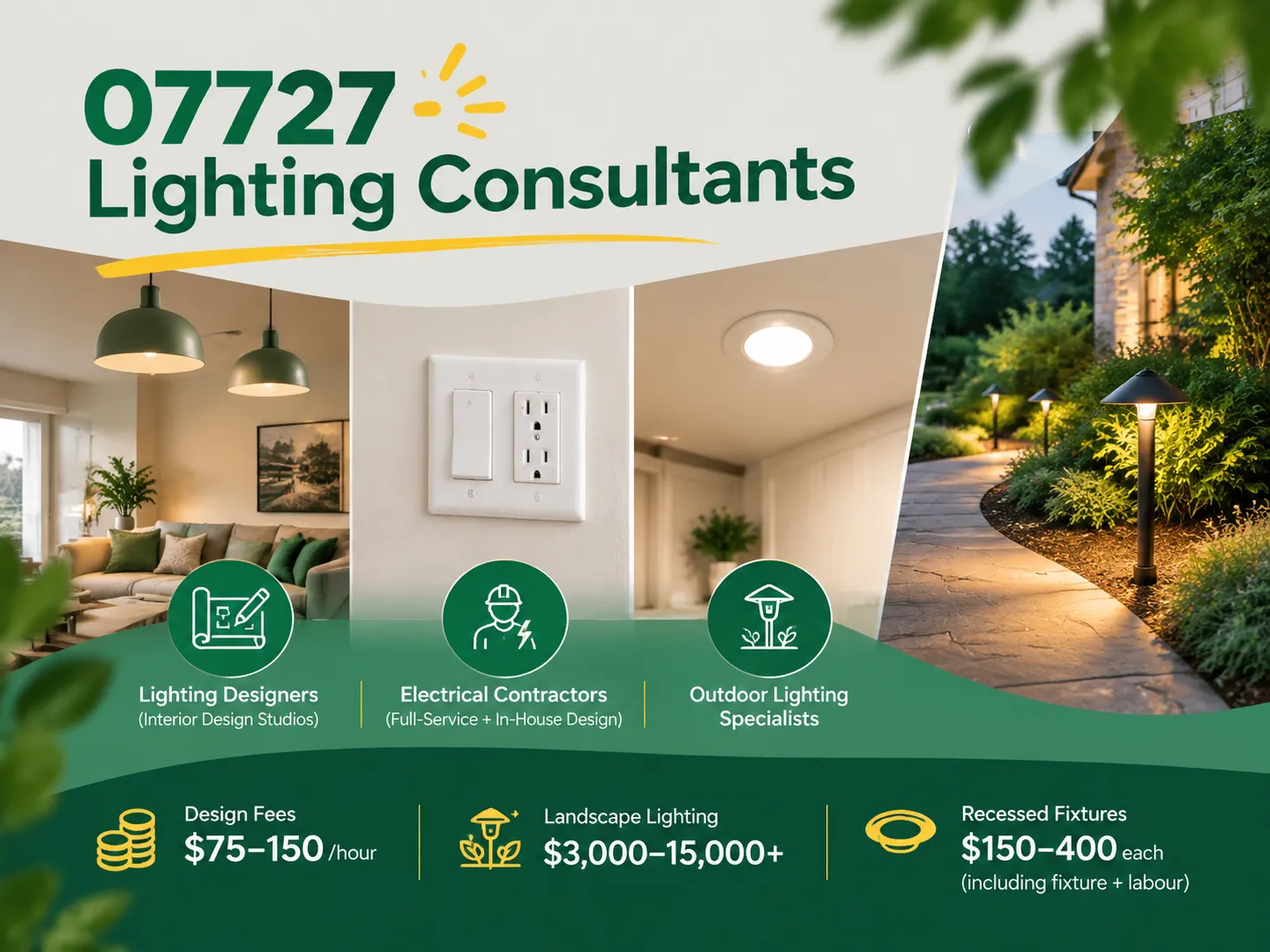
Farmingdale, along with parts of Wall Township and Tinton Falls, New Jersey, share the same zip code of 07727. Most of the houses built from the 1950s to the 1990s still exist today. Most of the homeowners are renovating their houses as opposed to building new homes. Homeowners tend to spend a lot more on […]

The term “07984 lighting consultants” gives people the impression that the five digits represent a postal code of some sort that indicates the place where lighting consultants provide services. This is, however, incorrect: there is no postal area coded 07984, which is only a code of mobile telecommunications in Great Britain. This means that the […]

San Francisco is not the average lighting control market. The housing stock is old and dense, and the electrical code does not allow for as many electrical installations as is allowed almost anywhere else in the U.S. Most homes that want complex lighting are Victorian or Edwardian buildings where no one wants to start opening […]

 No.6 Tuozhan Road, Leshang Pioneer Park,Yueqingwan Bay Harbor,Yueqing city,Zhejiang Province


