Do you need to simplify the charging of multiple devices in your commercial projects? If so, installing USB wall outlets can provide a cleaner and more efficient charging solution. This brief B2B guide will assist you in understanding port configurations, wattage requirements, and safety standards. Having the right outlet configuration may also help you reduce device downtime and even remove bulky external adapters.
Many modern property designs need versatile charging infrastructure. If you are a developer needing to install USB outlets, you must select the right charging ports for commercial layouts. This involves addressing a key question: What is the difference between USB-A and USB-C wall charger?
Traditional USB-A ports usually have a flat, rectangular physical shape. A user can only plug their device one way. This setup typically provides 5V charging, with many USB-A outlets supporting around 12W depending on the charging technology. This output is usually enough for small mobile devices, but may be insufficient for charging modern laptops or high-capacity tablets.
In contrast, a USB C wall outlet utilizes a smaller, reversible oval connection shape. If you use this modern port configuration, it supports USB Power Delivery (PD), with output levels commonly ranging from 20W to 65W or higher depending on design specifications. A USB type C outlet is also ideal for charging laptops and other power-intensive devices.
For some projects, you might need a combo USB outlet. Users can use this outlet to charge older devices together with their newer USB-C hardware.
The list below outlines the technical specifications of these port options:
Many B2B buyers assume that any USB-C port provides fast charging. You might even hear some people say USB-C is convenient, but this is not always true. A basic USB-C port operating at 5V/3A only provides 15W of power. This low wattage is a reason why large devices charge slowly.
Basically, wattage, rather than port shape, is what determines charging speed. A standard USB charging outlet usually works at a 5V limit. PD outlets, on the other hand, can negotiate voltage to speed up charging. If you are implementing a modern B2B design, you must understand these different wattage levels.
Based on these challenges, you may need to ask: What is the fastest USB-C wall charger? If the receptacle features Gallium Nitride (GaN) technology, it can deliver 60W to 65W on a single port. These high-power receptacles charge laptops from 0 to 50 percent in 30 minutes.
The table below outlines charging capability by wattage level:
| Wattage Level | Charging Capacity |
| 5W | Standard charging for older phones and small accessories. |
| 12W | High-speed USB-A charging that supports standard smartphones and e-readers. |
| 18W | Basic fast charging for smartphones up to 50 percent in 45 minutes. |
| 20W | High-speed smartphone charging. |
| 45W | Laptop-grade charging for thin-and-light laptops and high-performance tablets easily. |
Selecting the right port density usually depends on your target application space. For example, a single USB port design is ideal for space-constrained installations. This configuration highlights matching space and specific charging positions. Bedside nightstands and narrow desk panels can also benefit from single-port receptacles, which can keep the area neat and prevent cord clutter.
Dual USB ports represent the modern industry standard for multi-device environments. Specifically, the USB-A and USB-C combo is the mainstream arrangement. If you need to develop a project for hotel lounges and public lobbies, this configuration will suit your needs.
A full replacement type receptacle, from the name itself, replaces the entire AC plug with USB ports. This configuration is often ideal for high-traffic zones. Examples include public offices, meeting rooms, and even university libraries. Users in these places usually need to charge many devices at once. A full replacement should provide high-density charging for this purpose.
Suppose you want to integrate a USB wall outlet. In many retrofit applications, USB receptacles can be installed using existing electrical wiring. However, project requirements should always be verified according to local electrical codes. Installers can simply connect these receptacles directly to standard 120V wiring.
Safety regulations often dictate where you can install these receptacles. Modern codes require Ground Fault Circuit Interrupter (GFCI) protection in wet areas like kitchens. For these spaces, you can install combination USB+GFCI outlets. LED indicator lights on these devices allow the user to confirm whether the safety circuit is active or not.
Also, standard commercial properties have limited electrical service allocations. Thus, from a B2B procurement view, you must calculate your total load demands. By using high-efficiency receptacles, your properties can meet user charging needs, and you do not have to exceed your total building load budgets, either.
Sometimes, budget constraints may cause you to opt for low-grade charging hardware. However, doing so can introduce operational liabilities. For example, cheap receptacles lack robust current control circuits. If you try testing them, these sub-standard outlets can exceed 77°C. Such high temperatures can degrade the wire insulation in electrical boxes.
One solution to address this issue is to utilize GaN technology. It increases energy conversion efficiency in premium receptacles and also reduces thermal emission. Under full load, these outlets keep external surface temperatures below 55°C. Built-in thermal sensors shut down power if overheating occurs.
Phantom load is another key B2B metric when evaluating USB outlets. Sub-standard units with constant blue indicator LEDs can draw up to 30mW. Meanwhile, high-efficiency outlets use smart sleep circuits to reduce standby draw to less than 10mW.
B2B buyers should only specify certified electrical hardware. Receptacles must carry recognized certification marks like SAA, CE, or UL. These marks prove the hardware has passed independent safety testing. Certified receptacles contain built-in overcurrent and overvoltage protection.
For commercial and residential property projects, sourcing from an established manufacturer is critical. With 25 years of manufacturing experience, IGOTO Electric produces premium electrical hardware. We offer dedicated USB products that conform to SAA, CE, and UL safety standards.
Our wall switches and sockets undergo rigorous automated testing to ensure a long usage life. All products are manufactured with polycarbonate, acrylic, or stainless steel materials. Specific USB models feature thermal dissipation designs that maintain low temperatures during prolonged charging. Our products deliver reliable charging capability and support standard and fast-charging Power Delivery configurations.
Whether planning an office or residential development, we provide compliant hardware. Explore our range on our wholesale switches and sockets Australia page. For detailed product specifications, download the IGOTO Australia swch brochure.
We are a trusted partner for high-volume electrical specifications. We deliver durable and safe products to markets worldwide. Partnering with us secures robust supply chains and compliant hardware. Visit our manufacturing section to learn about our automated production.
Do you need durable USB outlets for your next commercial project? Contact IGOTO Electric today to request product samples and wholesale pricing.
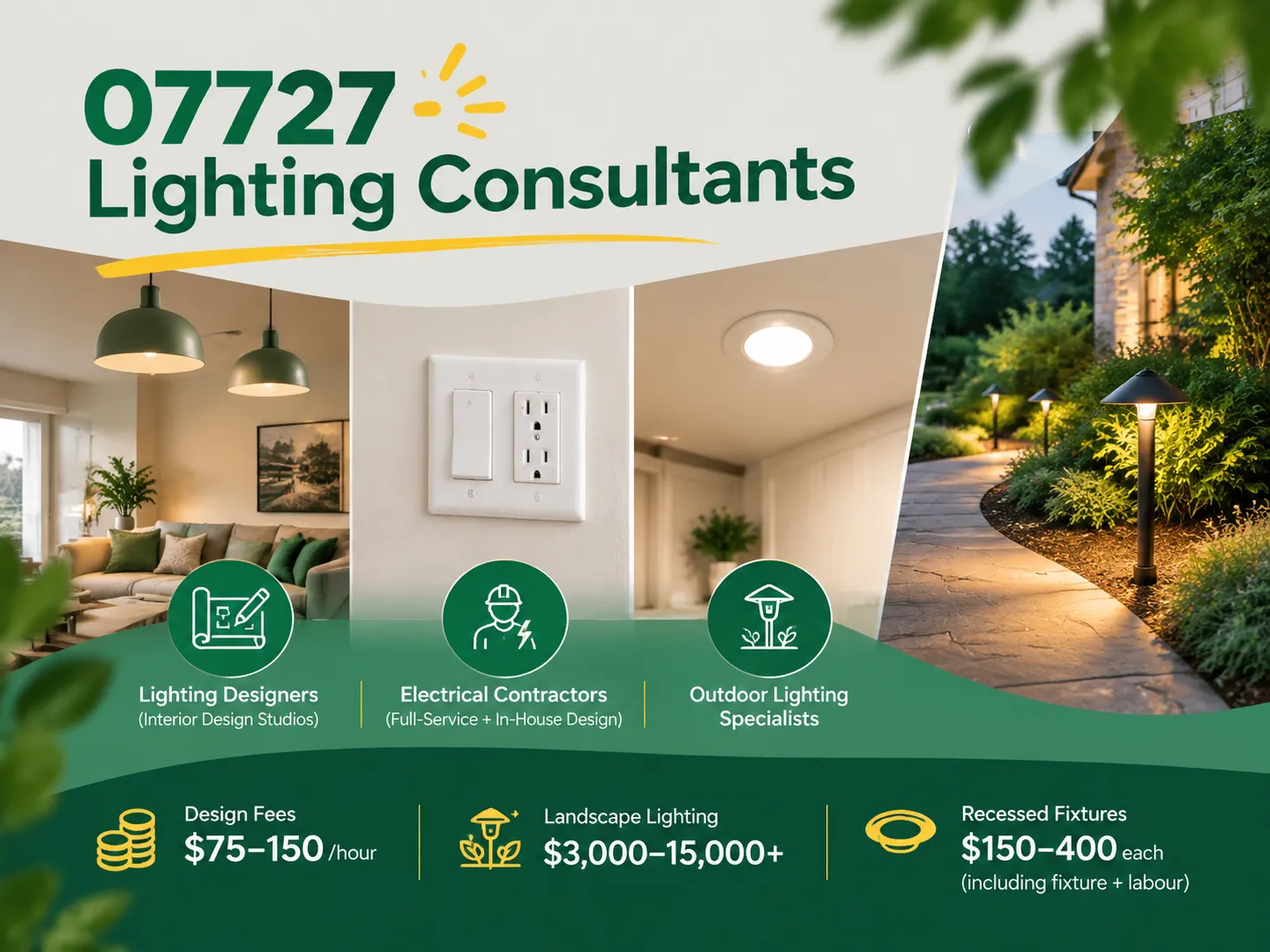
Farmingdale, along with parts of Wall Township and Tinton Falls, New Jersey, share the same zip code of 07727. Most of the houses built from the 1950s to the 1990s still exist today. Most of the homeowners are renovating their houses as opposed to building new homes. Homeowners tend to spend a lot more on […]

The term “07984 lighting consultants” gives people the impression that the five digits represent a postal code of some sort that indicates the place where lighting consultants provide services. This is, however, incorrect: there is no postal area coded 07984, which is only a code of mobile telecommunications in Great Britain. This means that the […]
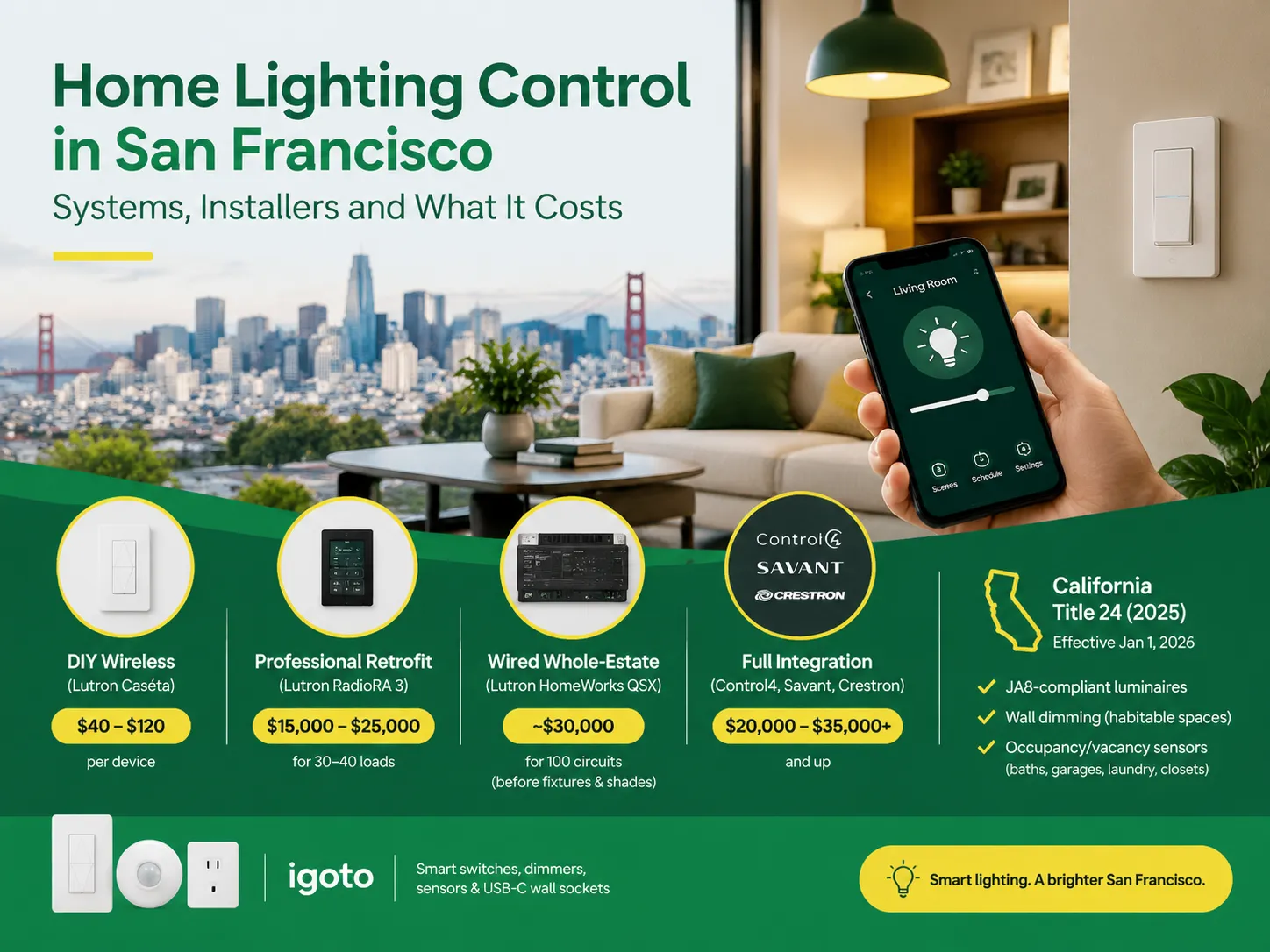
San Francisco is not the average lighting control market. The housing stock is old and dense, and the electrical code does not allow for as many electrical installations as is allowed almost anywhere else in the U.S. Most homes that want complex lighting are Victorian or Edwardian buildings where no one wants to start opening […]

 No.6 Tuozhan Road, Leshang Pioneer Park,Yueqingwan Bay Harbor,Yueqing city,Zhejiang Province