

Electricity in Bali is of the European type – uses Types C and F sockets with 230 volts and frequency of 50 Hz. This means for most of continental Europeans it would be perfect, but rather surprising for the rest. The most often used type of plug in Bali is the round-shaped two-pin Europlug. Although many hotels in Bali put hybrid plugs and sockets in order to serve American tourists, it is important to have this plug in mind. Most of the bad mistakes that tourists make in Bali relate to bringing the wrong adapter and with bringing their devices, which won’t work, because they are made for lower voltage.
This piece of writing summarizes Bali sockets and plugs, what exactly 230V/50 Hz means and which countries can function in Bali sockets without an adapter and which are in need of adapters, when travelers need a voltage converter and when they do not, which adapter to buy and how to pay and get power in Bali.
The island of Bali (as with Indonesia as a whole) has Type C (Europlug), Type F (Schuko) sockets and runs a voltage of 230V and a frequency of 50Hz. Since Type C plugs can fit Type F sockets, one only needs a Type C adapter to use most of the outlets in Bali. This means that travelers from continental Europe will not need any adapter at all. Travelers from the US, Canada, Ireland, Australia, New Zealand, and Japan will need a Type C/F adapter. In addition, those traveling from 110-120V countries must ensure that their devices are dual-voltage (100-240V) because the use of many modern gadgets is dual-voltage but hair dryers and travel irons are also not.
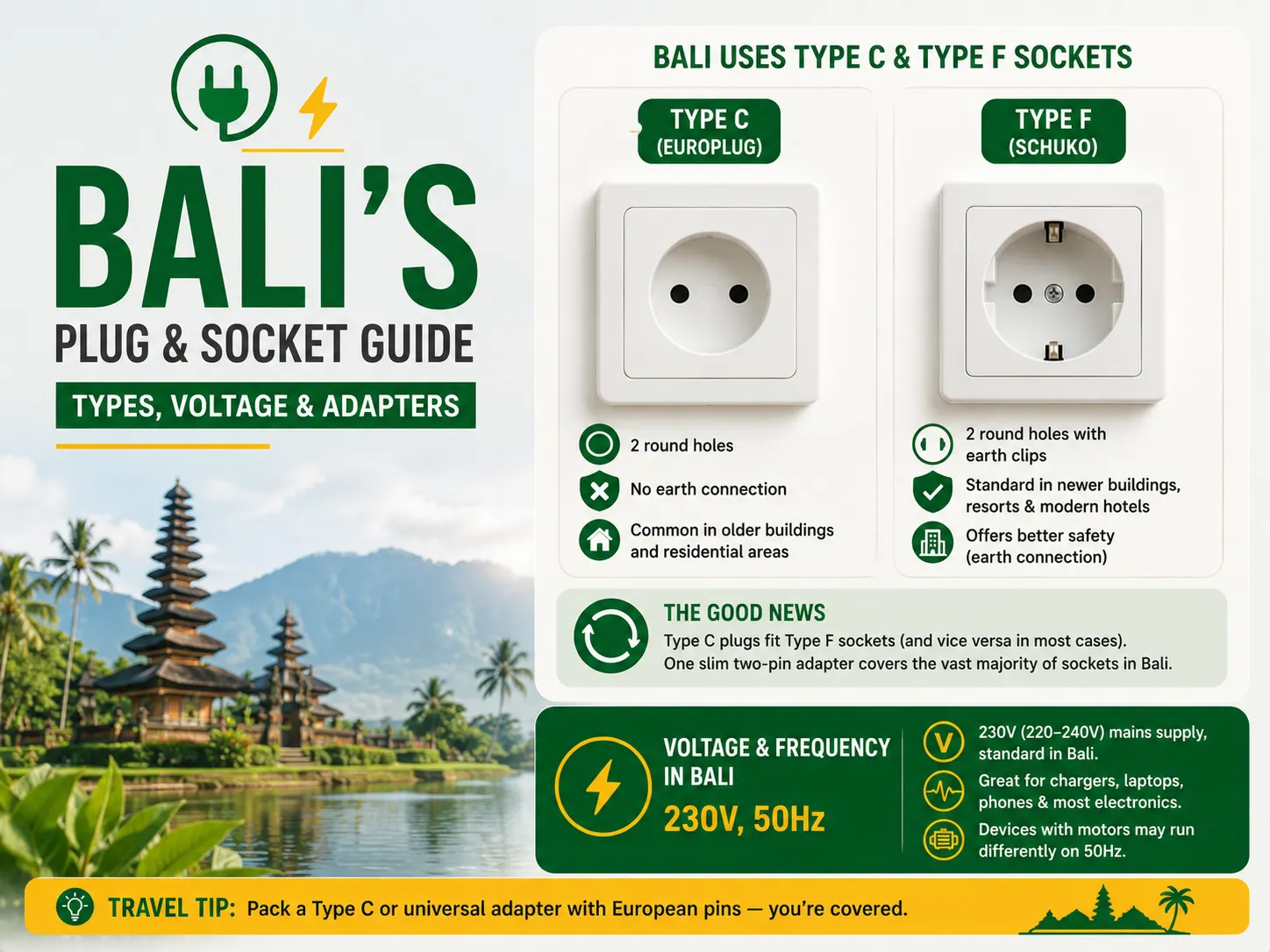
With the influence of Germany and Holland, Indonesia’s electrical system has evolved to produce its own unique form of electrical connections. Two main types of sockets are used throughout the country.
However, the most interesting part here is that Type C can be used with a Type F plug and vice versa, meaning one plug can be used to connect a large number of devices on the island. The only point one should keep in mind while preparing for their trip is that while a Small type C plug can fit into a Schuko socket easily, the other way around doesn’t work because of the shape of the plugs. So, it is always better to have Type C equipment ready for use while visiting the island.
The main electrical supply in Bali is 230 volts and 50 hertz, which coincides with European electricity standards and is managed by the state-owned electric supply company PLN. Bali may at times be referred to as having the supply delivered at 220V; however, the two are essentially the same, and equipment built for use in the 220-240 volts category will function appropriately. Voltage in tourist towns like Denpasar, Ubud, Kuta, and Seminyak is good for the most part; however, there are slight fluctuations, especially during peak tourist season. Remote areas will experience higher fluctuations in voltage, with some of the eastern islands using generators to supply electricity.
The frequency in Bali is of little relevance to the majority of electrical appliances, with the exception of devices that use mains-powered motors or timers, such as refrigerators. Electrical equipment made for North American usage at a frequency of 60 Hertz may become dysfunctional or overheat when plugged into the mains in Bali. The majority of devices using transformer technology use supplies rated both for 50 and 60 Hz, which means that they will work anyway. Always check the rating of the electrical appliance before plugging it into Bakau’s mains.
Provided your plugs are of the European round-pin type, they will fit easily. Just make sure the voltage is also compatible. The nations that may be plugged into without additional adapters or converters are the following:
Here are three exceptions from Europe – Italy (Type L), Switzerland (Type J), and Denmark (Type K) – they can use their two-pin plugs in Bali, while earthed three-pin plugs may not take effect.If your charger has the slim Europlug you are fine; if it has a third pin, pack an adapter — the same logic as choosing the right switch and socket hardware for your own walls, where matching the standard to the supply is the whole job.
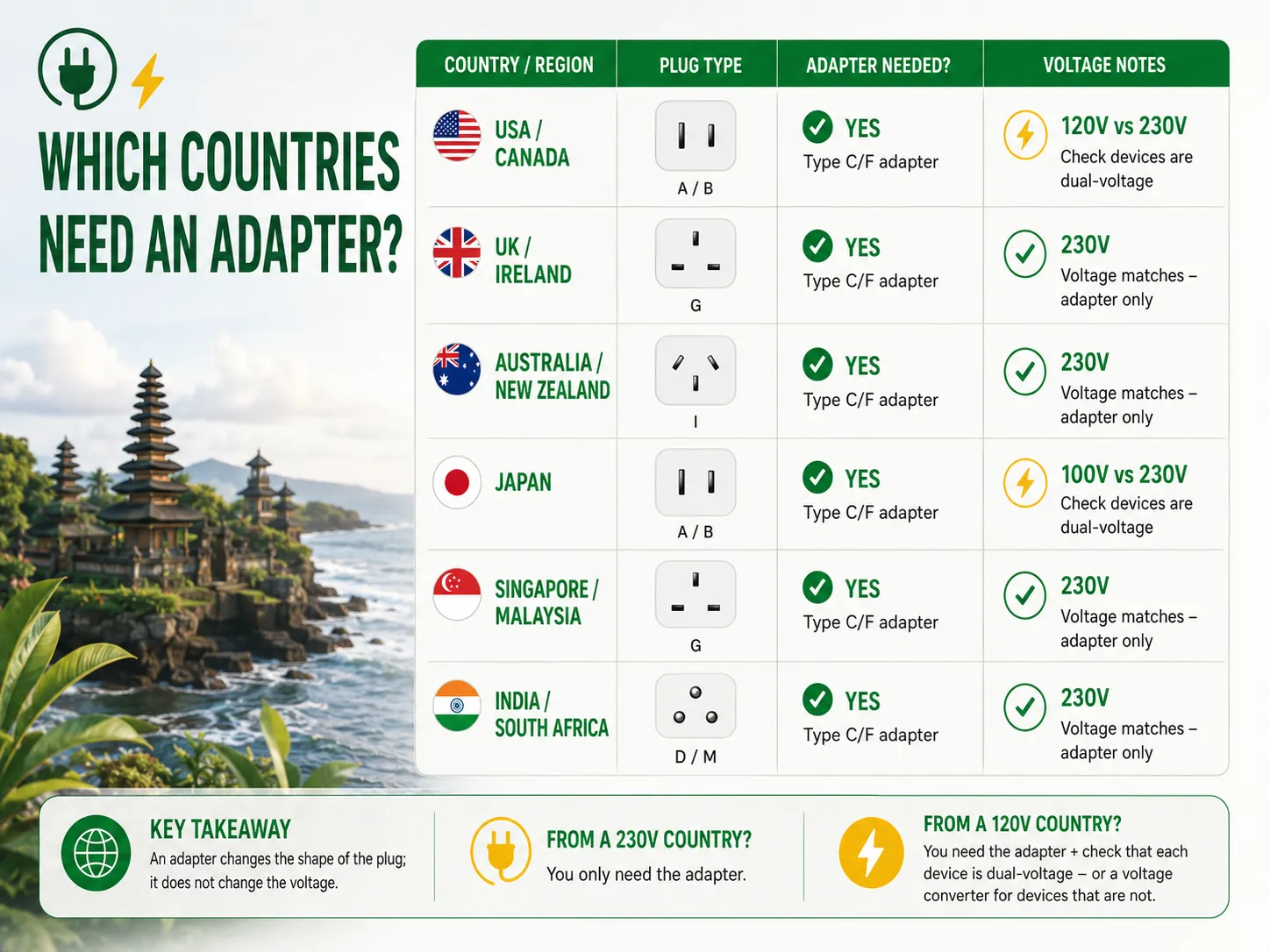
| Country / Region | Plug Type | Adapter Needed? | Voltage Notes |
|---|---|---|---|
| USA / Canada | A / B (flat pins) | Yes — Type C/F adapter | 120V vs 230V — check devices are dual-voltage |
| UK / Ireland | G (three rectangular pins) | Yes — Type C/F adapter | Voltage matches (230V) — adapter only |
| Australia / New Zealand | I (angled flat pins) | Yes — Type C/F adapter | Voltage matches (230V) — adapter only |
| Japan | A / B | Yes — Type C/F adapter | 100V vs 230V — check devices are dual-voltage |
| Singapore / Malaysia | G | Yes — Type C/F adapter | Voltage matches — adapter only |
| India / South Africa | D / M | Yes — Type C/F adapter | Voltage matches (230V) — adapter only |
It is important to understand that an adapter is used to make a plug fit into a socket because it changes the plug’s shape. If you are from a country where the standard voltage is 230V then you only have to get the adapter. If you are from a country where the voltage is 120V, you have to buy the adapter and check if your devices work with dual voltage or purchase a voltage converter if they don’t work with dual voltage.
One of the most common causes of malfunctioning electronics in Bali is incorrect voltage adaptation.While packing your gadgets ensure to check the information on the charger for the correct voltage:
The rule is simple: if the device is dual voltage all you need is an adapter; if it is single voltage appliance you need a converter. Most travelers need nothing but the adapter, because their entire kit — phone, laptop, camera, power bank — is dual-voltage, and a multi-port USB fast-charging outlet at home eliminates most of the daily plug-shuffling those devices cause.
If you’re thinking about visiting Bali only, then it is good to travel with a universal adapter that is equipped with European (Type C) pins. You can just opt for a Type C adapter if you are confident about sticking with one locale.What makes an adapter “best” in practice — and why matching the socket standard to the supply matters everywhere, including the socket products we supply for home installations:
Be sure to get it before you arrive since the prices of such devices in Ngurah Rai are quite high (IDR 80,000-150,000, in contrast to the price of IDR 30,000-60,000 in Indomaret stores).Packing one from home is cheapest of all, and our USB wall outlet upgrade guide covers the home-side sockets that make travel adapters less necessary in daily life.
Bali cannot be defined as representative of Indonesia at its core, as the island exists because of tourism. Many hotels have a hybrid socket with the capacity to take many plug types:
If you travel outside of Bali, be prepared to find only type C/F plugs, without any connection available for types used in the USA. In practice, it is best to expect type C, be happy to discover hybrids, and never go to a hotel hoping for USA or UK plug-type sockets. Power supply gets cut occasionally, but tourist areas are pretty reliable in this regard, while the bigger hotels and villas use generators that start working 30 seconds after the outage occurs.
Yes – Go with cash while on the Indonesian island, especially Indonesian Rupees. Bali is a cash-first economy, where most dealings, especially for tourists and travelers happen in cash.
It is wise to carry both large notes for hotels and tours, as well as small ones (like IDR 10,000-50,000) for everyday transactions with plenty of cash to survive a day or two in case cards fail.And if you are traveling from a country whose devices use US-style sockets, the same range of electrical fittings knowledge that helps you choose adapters also applies to the sockets you buy for home — it is all about matching the plug standard to the supply.
You will need either a Type C or Type F adapter, as both of these plugs seem to be suitable for almost all sockets in Bali — this is because Type C plugs are ideal for fitting into Type F sockets. Using a universal adapter with Type C pins means you will not have problems adapting to almost all sockets in Bali. Another way to go is the adapter equipped with USB ports that already includes surge protection.
American plugs do not work. Namely, plugs Type A/B do not fit sockets of Type C/F in Indonesia except in the case of certain sockets in a few resorts of Bali. You need to have an adapter of Type C/F to be able to use your device in Indonesia, besides, make sure that your devices are dual-voltage (100-240V). Otherwise, your appliances may burn out in Bali.
Yes, you need cash as Indonesia still operates like a cash first economy everywhere where most tourists go. Even small shops or modest restaurants only accept cash payments; cash is required for warungs or street food vendors. It is better to use cash for small purchases in Bali.
The best adapter for Bali will be the one that has European plugs and is universal. A simple Type C adapter will work for you, too.
The electrical outlet in Bali is the same as Europe, which uses Types C and F of round-pin connectors running on 230V and 50Hz, making everything convenient for people from Europe, and complicated for those from elsewhere who will need to buy an adaptor. In fact, packing a universal adaptor that goes with European connections, checking that every charger works for 100-240V and leaving flat heating devices at home is all that needs to be remembered. Hybrid sockets and generators make the matter easier in Bali, but knowing about Type C, 230 V and the difference between adapters and converters will make it easier for you and will spare you from wasting time looking for an expensive adapter in the airport.
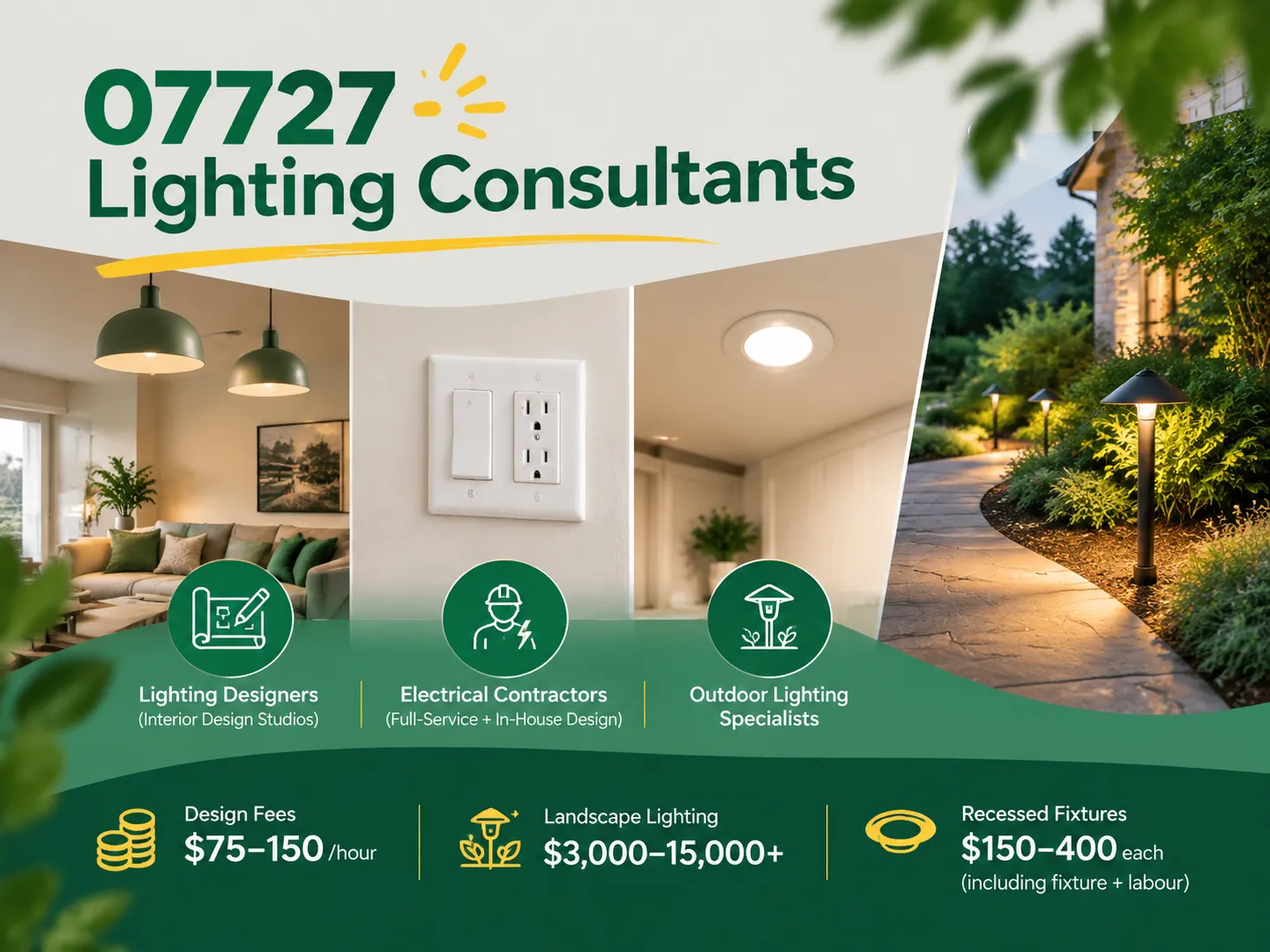
Farmingdale, along with parts of Wall Township and Tinton Falls, New Jersey, share the same zip code of 07727. Most of the houses built from the 1950s to the 1990s still exist today. Most of the homeowners are renovating their houses as opposed to building new homes. Homeowners tend to spend a lot more on […]
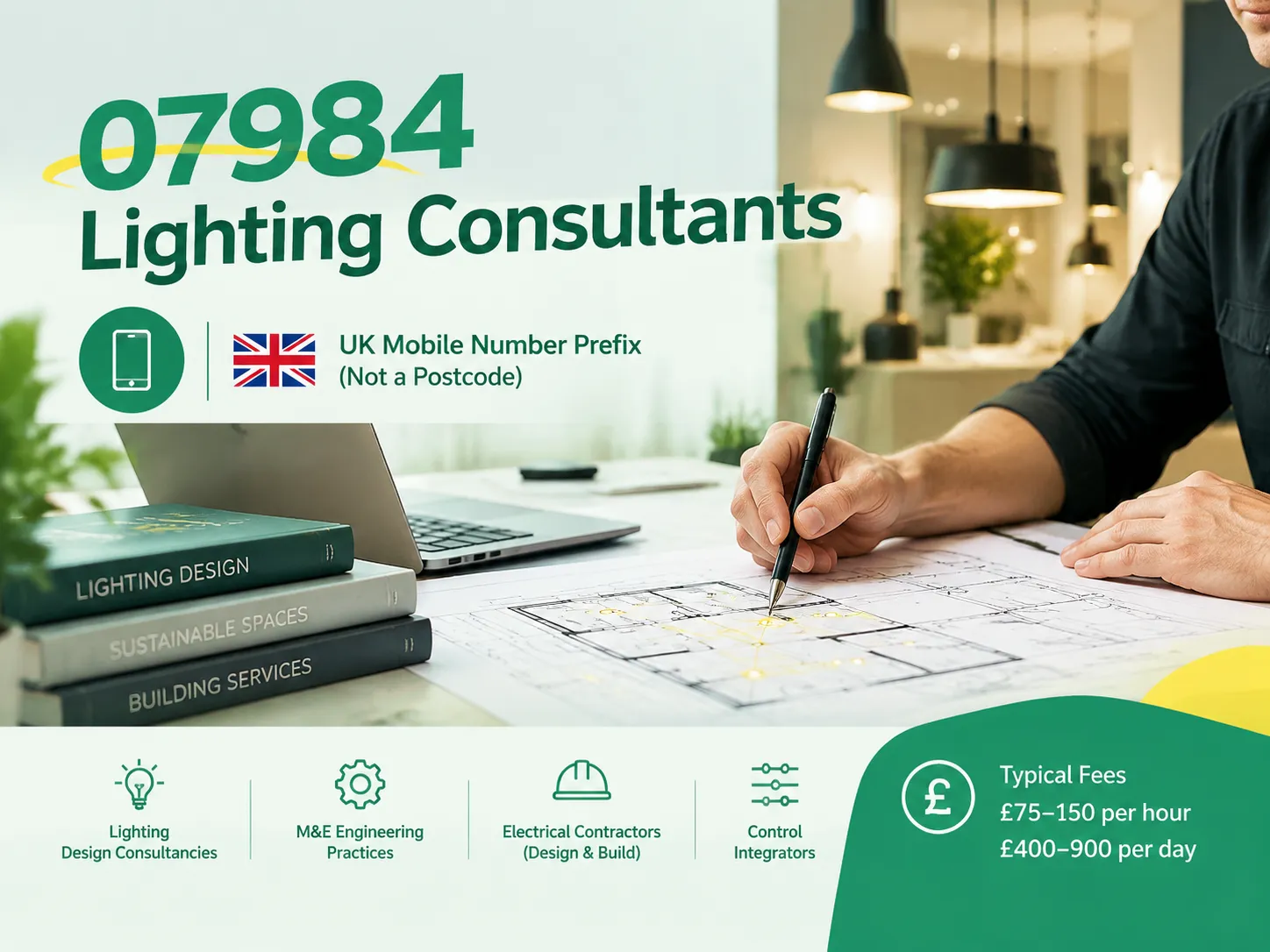
The term “07984 lighting consultants” gives people the impression that the five digits represent a postal code of some sort that indicates the place where lighting consultants provide services. This is, however, incorrect: there is no postal area coded 07984, which is only a code of mobile telecommunications in Great Britain. This means that the […]
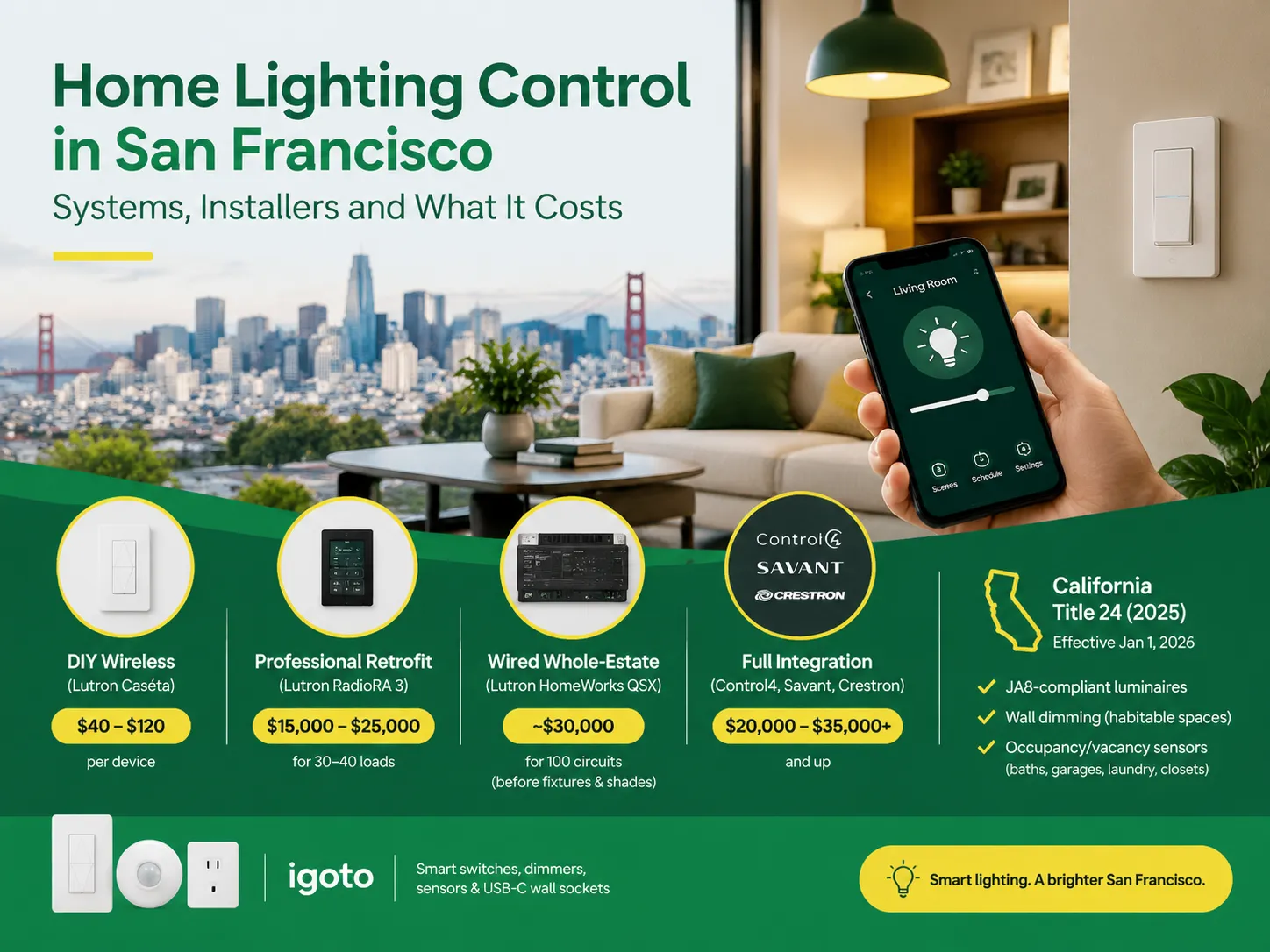
San Francisco is not the average lighting control market. The housing stock is old and dense, and the electrical code does not allow for as many electrical installations as is allowed almost anywhere else in the U.S. Most homes that want complex lighting are Victorian or Edwardian buildings where no one wants to start opening […]

 No.6 Tuozhan Road, Leshang Pioneer Park,Yueqingwan Bay Harbor,Yueqing city,Zhejiang Province


