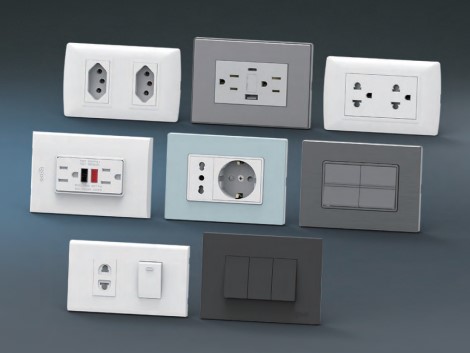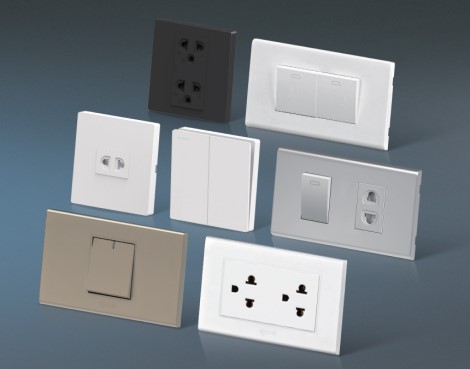
Choosing the right power point for your electrical project is more than just picking a socket—it’s about matching functionality, safety, and performance to your specific needs.
Whether you’re outfitting a domestic kitchen, a bustling office, or a manufacturing site, understanding the distinctions between single and double power points ensures your installation is both efficient and compliant.
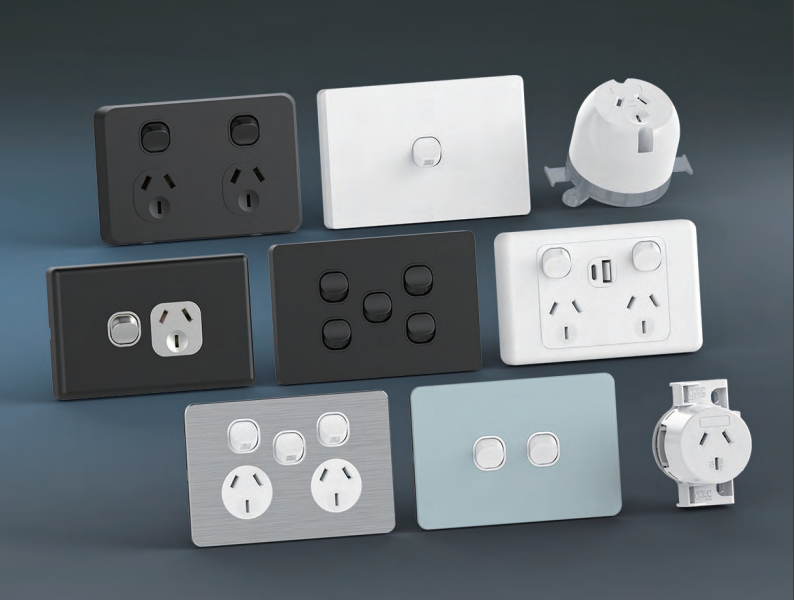
A single power point is a wall-mounted electrical outlet designed to accommodate one plug at a time.
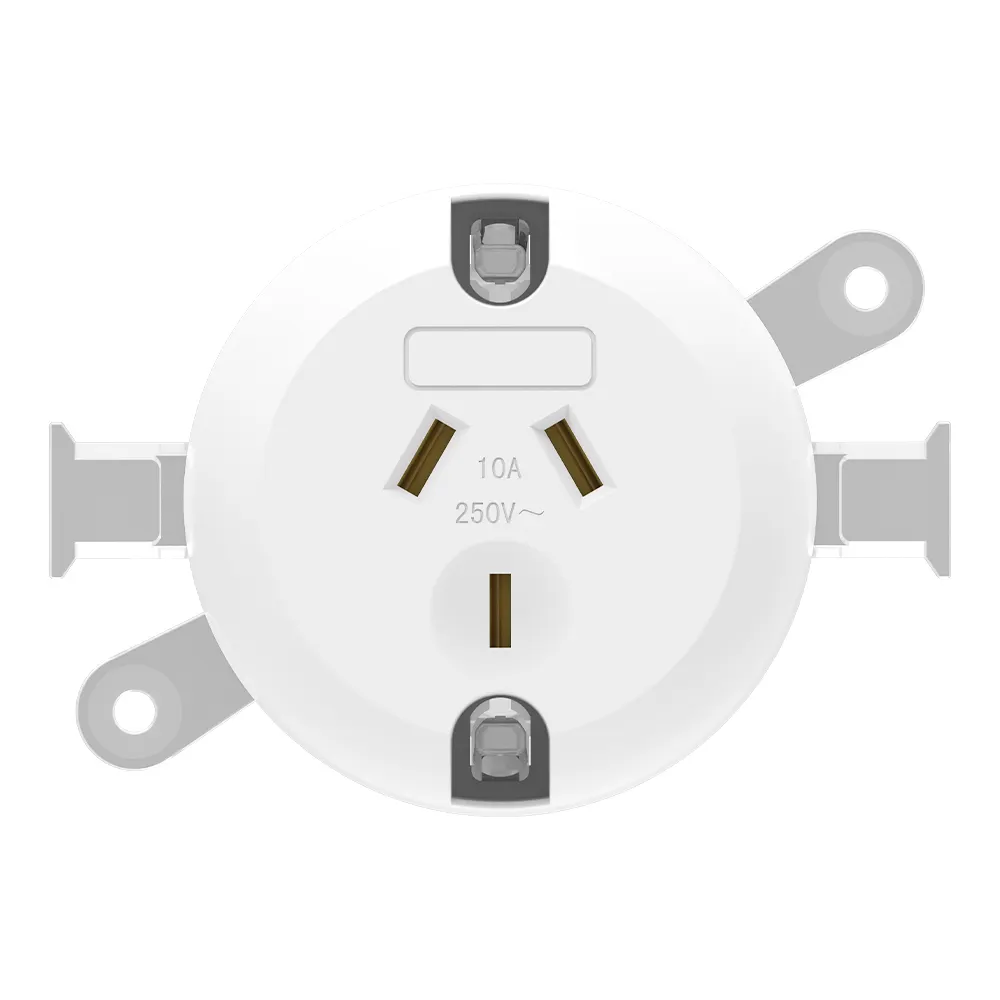
It provides a dedicated connection to mains electricity, typically rated at 10 A (with higher ratings available for specific applications) and 250 V AC in Australia, making it ideal for appliances requiring stable and secure power delivery.
These single outlets often feature flat pins and are installed flush into walls or surface-mounted with a plug base, depending on the setting.
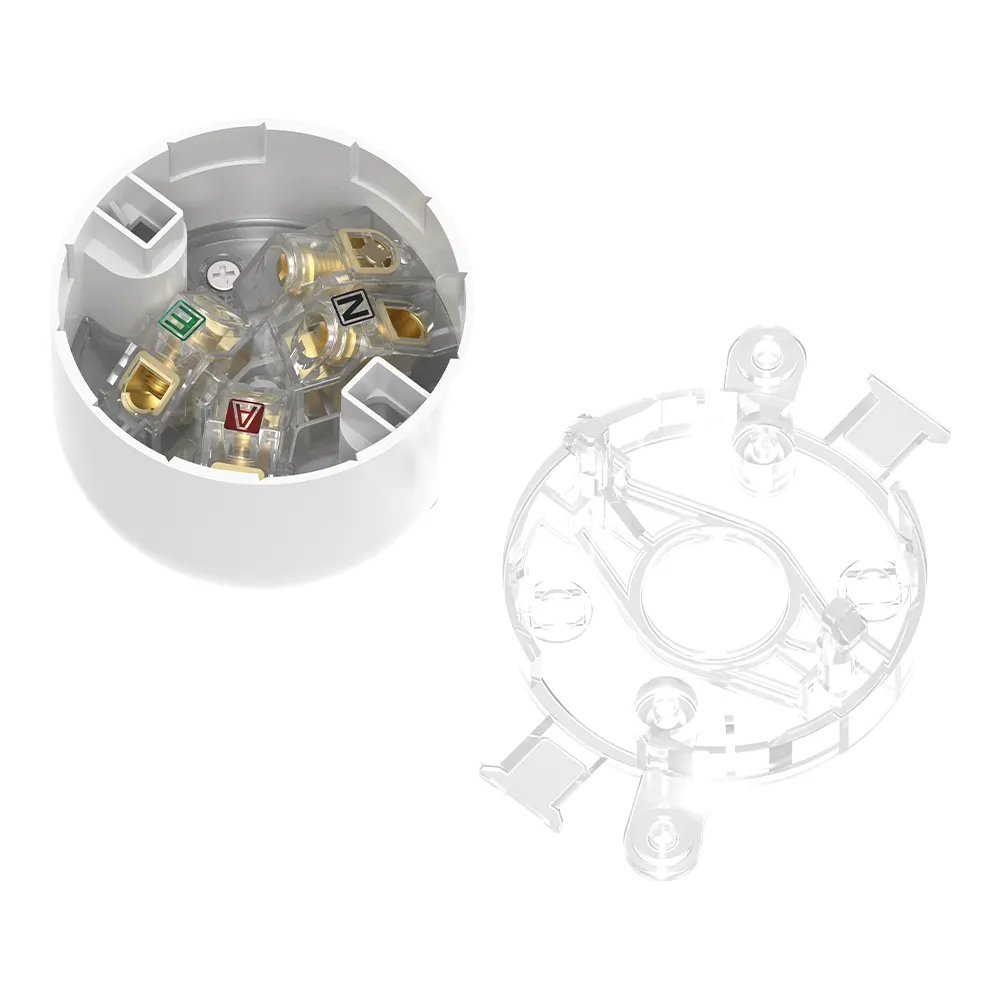
The single outlet plug base usually refers to a surface-mounted unit with a clear backing plate, often used in workshops or retrofit projects where running cables inside walls is not feasible.
In contrast, the single socket plug base is typically a flush-mounted socket embedded within walls for a sleek finish, commonly found in domestic and commercial interiors.
Both types are designed to connect safely to your electrical system, but their installation methods and aesthetic appeal differ.
Single power points are preferred for dedicated appliances like refrigerators, dishwashers, or medical equipment, where load control is paramount.
They are also common behind furniture or in locations where only one connection is necessary, reducing clutter and minimizing the risk of overloading circuits. They provide a secure single connection point, reducing reliance on extension cords in fixed installations.
A double power point, often called a double socket outlet, provides two electrical outlets within a single faceplate, allowing two devices to be connected simultaneously.
Rated similarly to single power points, these outlets are prevalent in areas where multiple electronics or appliances require power, such as living rooms, offices, or retail spaces.
Double power points excel in environments demanding multiple connections without the need for extension cords or power strips.
They help manage load distribution across circuits and reduce the number of wall outlets needed, optimizing installation costs and space.
In commercial settings like offices and retail stores, double power points are standard for powering computers, printers, lighting, and other electronics.
Their dual connectivity supports the performance and convenience required in fast-paced environments, while adhering to Australian electrical standards ensures safety and reliability.
The most obvious difference lies in the quantity of connection points: single power points provide one outlet, while double power points offer two, allowing for greater device connectivity without additional wiring.
Single power points are commonly used on dedicated circuits where controlled load is required, making them suitable for high-draw or mission-critical equipment. Double power points allow multiple devices to share the same circuit, which requires careful load management to avoid overloading.
Single power points require less wall space and are easier to install in tight or behind-appliance locations. Double power points take up more space but reduce the need for multiple installations, balancing convenience with spatial considerations.
While single power points may be less expensive individually, double power points can reduce overall installation costs by combining two outlets into one unit. Maintenance considerations include ease of replacement and the potential impact of one outlet’s failure on the other.
For engineering and OEM projects where precise load control and safety are critical, single plug bases are often preferred. They provide a great product solution for dedicated equipment, ensuring compliance with performance and safety standards.
In office and retail environments, double power points maximize outlet availability, supporting a variety of electronics and appliances. Their widespread use reflects the need for flexibility and convenience in commercial power distribution.
Australian standards, such as AS/NZS 3112, govern the design and installation of power points. These standards specify the use of flat pins, rated current, and safety features like earth connections and shutters to protect users.
Typical single and double power points in Australia are rated at 10 A and 250 V AC, suitable for domestic and light commercial applications. Compliance with these ratings ensures electrical safety and optimal device performance.
OEMs favor single plug bases for their reliability, ease of installation, and compatibility with a wide range of devices. Their compact design and adherence to standards make them a staple in custom electrical solutions worldwide.
Many Chinese-manufactured single power points and plug bases meet international standards and are widely adopted in global projects due to standardized manufacturing, scalable supply, and compliance with international certifications.
When selecting these products, verifying certifications and seller reputation is crucial for ensuring safety and performance.
Selecting between single and double power points depends on your project’s specific requirements, including load demands, installation environment, and future expansion plans.
Consider the quantity of devices, available wall space, and compliance with local electrical codes. Using the right tools and consulting licensed electricians will help ensure your installation meets safety and performance expectations.
By understanding the nuances between single and double power points, you can make informed decisions that enhance your electrical system’s safety, efficiency, and longevity.
Whether you’re purchasing from a store or managing a large-scale transaction, choosing quality products and compliant installation practices saves money and protects users across the lifespan of your project.
For OEMs, contractors, and large-scale projects, IGOTO provides certified single power points and single plug bases that meet international and regional standards.
We offer a one-stop supply of PB1S – 10A Single Base, ensuring reliable performance, compliance with Australian electrical switches and power point standards, and scalable supply for projects of any size, including commercial electrical outlets.
With over 25 years of manufacturing experience and a proven track record partnering with Fortune Global 500 companies, IGOTO delivers high-quality, durable, and fully certified electrical solutions, including reliable Chinese electrical products.
Request a quote or samples today to explore customized solutions tailored for your project requirements.
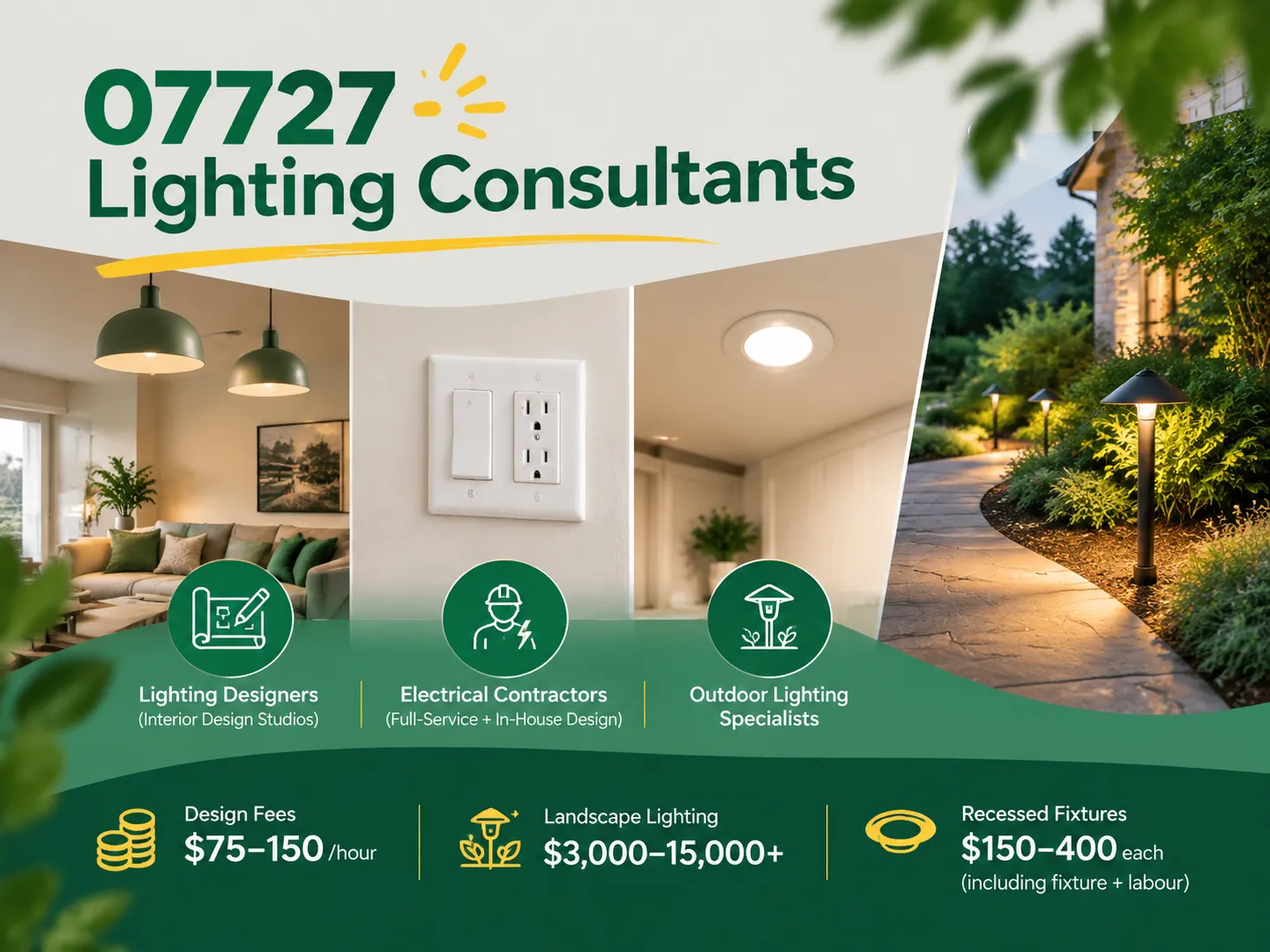
Farmingdale, along with parts of Wall Township and Tinton Falls, New Jersey, share the same zip code of 07727. Most of the houses built from the 1950s to the 1990s still exist today. Most of the homeowners are renovating their houses as opposed to building new homes. Homeowners tend to spend a lot more on […]

The term “07984 lighting consultants” gives people the impression that the five digits represent a postal code of some sort that indicates the place where lighting consultants provide services. This is, however, incorrect: there is no postal area coded 07984, which is only a code of mobile telecommunications in Great Britain. This means that the […]

San Francisco is not the average lighting control market. The housing stock is old and dense, and the electrical code does not allow for as many electrical installations as is allowed almost anywhere else in the U.S. Most homes that want complex lighting are Victorian or Edwardian buildings where no one wants to start opening […]

 No.6 Tuozhan Road, Leshang Pioneer Park,Yueqingwan Bay Harbor,Yueqing city,Zhejiang Province