

Waterproof outdoor sockets should not to be confused with ordinary outdoor sockets. Although these outdoor sockets can be considered WR-type outdoor sockets, they also come with an enclosure that provides their waterproofness with or without a device. Additionally, the outdoor plug needs to be vandal-resistant and include an RCD. Every weatherproof socket should be identified by its marking indicating the standards it meets.
Waterproof outdoor plugs and regular outdoor plugs should not be viewed as similar. Although waterproof outdoor plugs are classified as WR-type outdoor plugs, they have additional covers that ensure their waterproofness. Moreover, the plug should be resistant to vandalism and equipped with an RCD. All weatherproof plugs must have the labels that show what standards have been upheld.
Three labels correspond to three different specifications, yet it often happens that they get confused.
The practical outcome is that there is an outdoor receptacle that has to have all three features, and the most economical way to solve this problem is to use a combination of three devices — listed tarperproof-weatherproof GFCI receptacle.Working out which requirements apply at a given position is the first task of any outdoor outlet project, and this guide to choosing the right outdoor power outlet for a location walks through it position by position rather than assuming every outdoor outlet is the same.
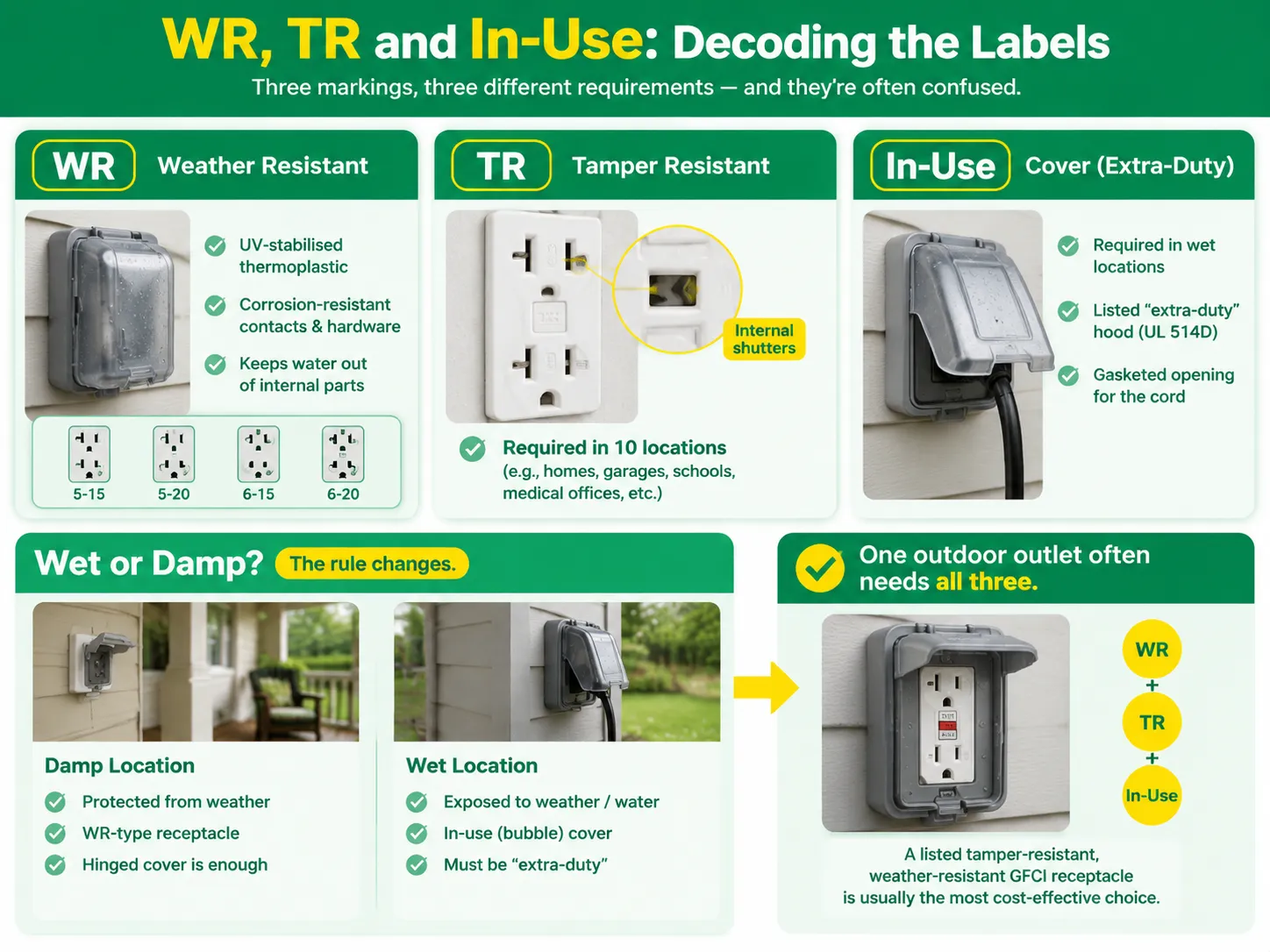
The difference between damp and wet locations is essential for making purchases, as it’s not easy to figure out.
There are some details concerning 406.9 that one need to know before proceeding with the installation. In particular, hinged covers need to be able to open at least at a 90-degree angle when the receptacle box is installed; otherwise, they need to be rearranged. Also, the term extra-duty applies specifically to outlet box hoods, while the ones designated as suitable for wet locations or good for outdoors are not required to carry extra-duty labeling.
Another situation should be mentioned because it has become common practice in commercial agriculture —15A and 20A receptacles located in wet locations have special allowance permitting their insulators to remain weatherproof only during the time they are not plugged in. Such an allowance is not general and does not apply to an ordinary patio outlet in a private house.
Most outdoor jobs on residential houses or small businesses require only a few different devices.
The configuration needs to match the country’s market from which you are buying the equipment. American markets are focused on NEMA 5-15 and 5-20 and GFCI protection, while European and British outdoor installations have different configurations and IP ratings and a different list of devices.If you are sourcing rather than installing, the range of American-configuration switches and sockets supplied for wholesale and OEM programmes is a useful reference for what those configurations look like in a production catalogue.
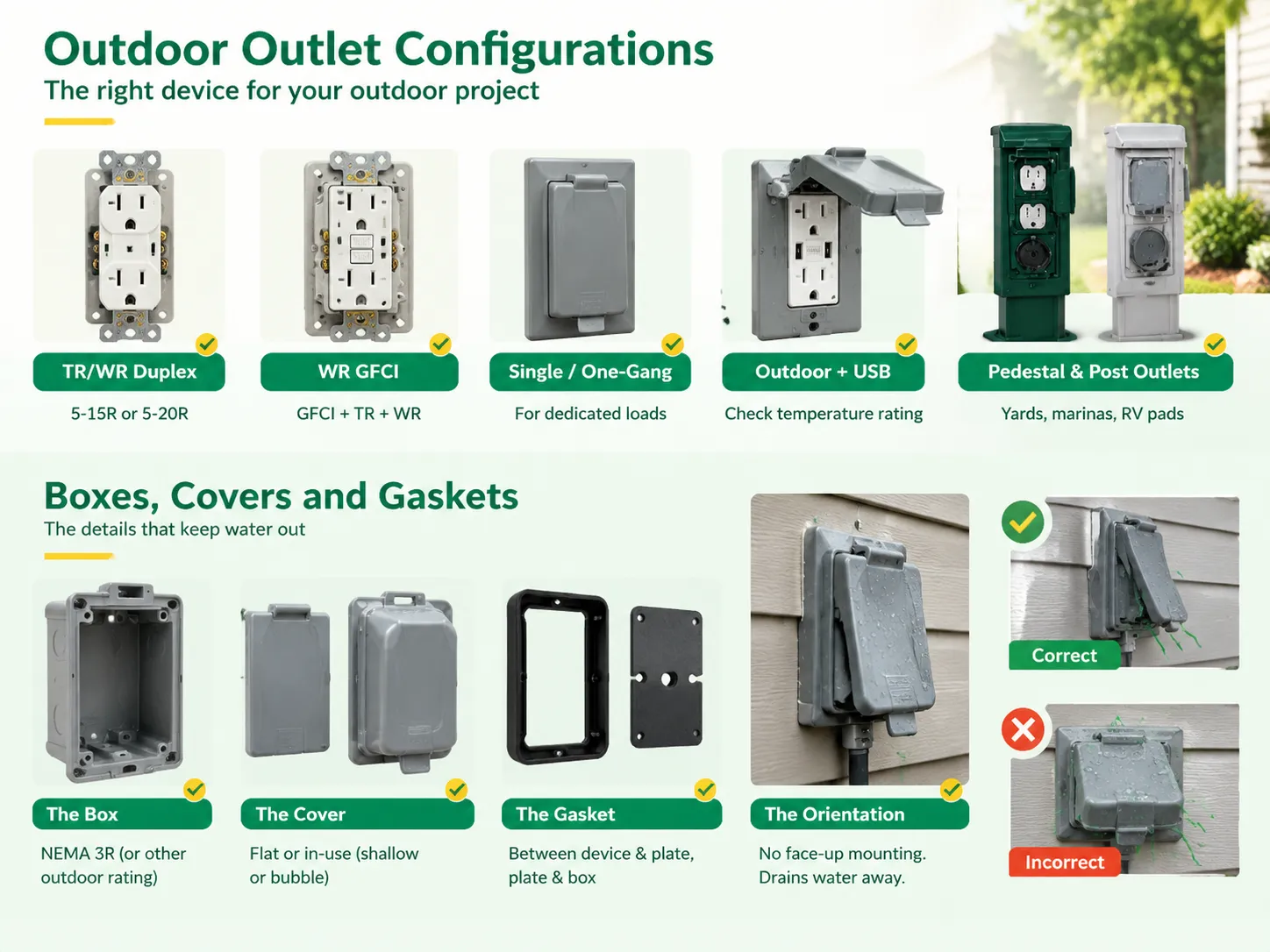
Outdoors is the area where these features are probably missing, which is one reason why anyone is so confused about the home improvement bill.
Getting the box and cover combination right is mostly a question of knowing which enclosure suits which wall construction and exposure, and this guide to choosing electrical boxes for outlets and switches covers the enclosure side of the problem, including the mounting and weatherproofing decisions that come before the device choice.
The installation process poses no challenges to a qualified electrical technician but can be treacherous for the average person as an exterior electrical outlet is powered with electricity and the outdoors makes it riskier and more dangerous than indoors. The order in which the installation process should be carried out needs to be observed.
Beyond this, the maintenance is minimal: inspect the cover after storms, check for moisture in the container, replace any broken connector cover, and ensure that the unit itself is stationary since any movement compromises the watertight gasket. When the usage is low, the fault will be either the cover being stuck or the gasket being worn out rather than something electrical. The step-by-step version of the wiring is set out in this walkthrough of how to install a power outlet, which covers the conductor terminations and the box mounting in the order they have to happen.
It offers indicative prices for planning purposes instead of providing quotes:
Certain brands are known in America about which you should be aware like Leviton, Eaton, and Hubbell with Bell and TayMac enclosures. Other brands worth mentioning are Legrand with Pass & Seymour, Bryant, and Arlington and Red Dot for the enclosure purpose.
When making a purchase, six questions must be asked:
The ideal solution for nearly all outdoor residential applications is a GFCI/TR/WR receptacle, which incorporates tamper resistance, weather resistance, and shock protection in one item. It should be utilized in a NEMA 3R waterproof box with a suitable extra-duty in-use cover, and one that is deep enough to allow the use cord to cover the box fully. This combination meets NEC regulations for ground-fault protection, wet location, and tamper resistance, which gives the total cost around $30-80 in materials for an uncomplicated installation. An alternative receptacle can be used in case of a covered porch.
Four key points to remember: At first, get WR outlet receptacles used instead of ordinary ones that may get damaged and quit to work properly. Buying proper weatherproof enclosure and installing it for outdoor usage, you should leave its lower part of the wall entry of the weatherproof box open for water to run freely. Obtain a proper cover: the cover should be hooded and fit any wet location to seal properly with an attached plug. Make sure the hood can open about 90 degrees after installation in order to be sure it will be functional. Finally, make sure to properly service all the gasket seals since they are the components that enable the weatherproof capacity of the construction.
As per the rules, receptacles must be money to connect in weather for the circuits rated at 15 Amps and 20 Amps. The NEC 406.9 states that all types of nonlocking-rated receptacles utilized must be weather-resistant when applied in wet and damp locations. Various types of adaptations include 5-15, 5-20, 6-15, and 6-20. Putting an ordinary receptacle outside is always against the code and leads to failure due to UV exposure along with corrosion, regardless of the cover used. The WR requirement is totally different from the requirements for tamper resistance (406.12) and GFCI (210.8).
Choose the proper NEMA TR/WR receptacle to match with the load in your area. In North America, select either the 5-15 receptacle for 15A service or the 5-20 receptacle when 20A service at 125V is used. For 250V equipment, make sure the 6-15 and 6-20 receptacles are utilized. Using any receptacle requires the outlet to be tamper-resistant so that there is no access for the household or public. Make sure GFCI protection is included in all cases. In case of single load, you can use single output receptacle while you can use the duplex receptacle when working with multi-purpose applications. Also if the device does not come with GFCI, then make sure to install the WR GFCI device on top of that. Finally, if the outlet is for 30A and 50A RV or connection, make sure to follow the specifications and not just the connector type.
The distinction separating an outdoor outlet with a longevity of 15 years from one that breaks within just two years has little to do with the manufacturer of the outlet, but widely pertains to the characteristics of the outlet as being weatherproof, the design of the outlet for the environment it will be used in, the presence of the lid that keeps the wires protected and the state of the gaskets. By addressing these four points, the installation of outdoor outlets won’t be too pricey, while failing to address them leads to a need to replace the outlet every two years (due to humid conditions).
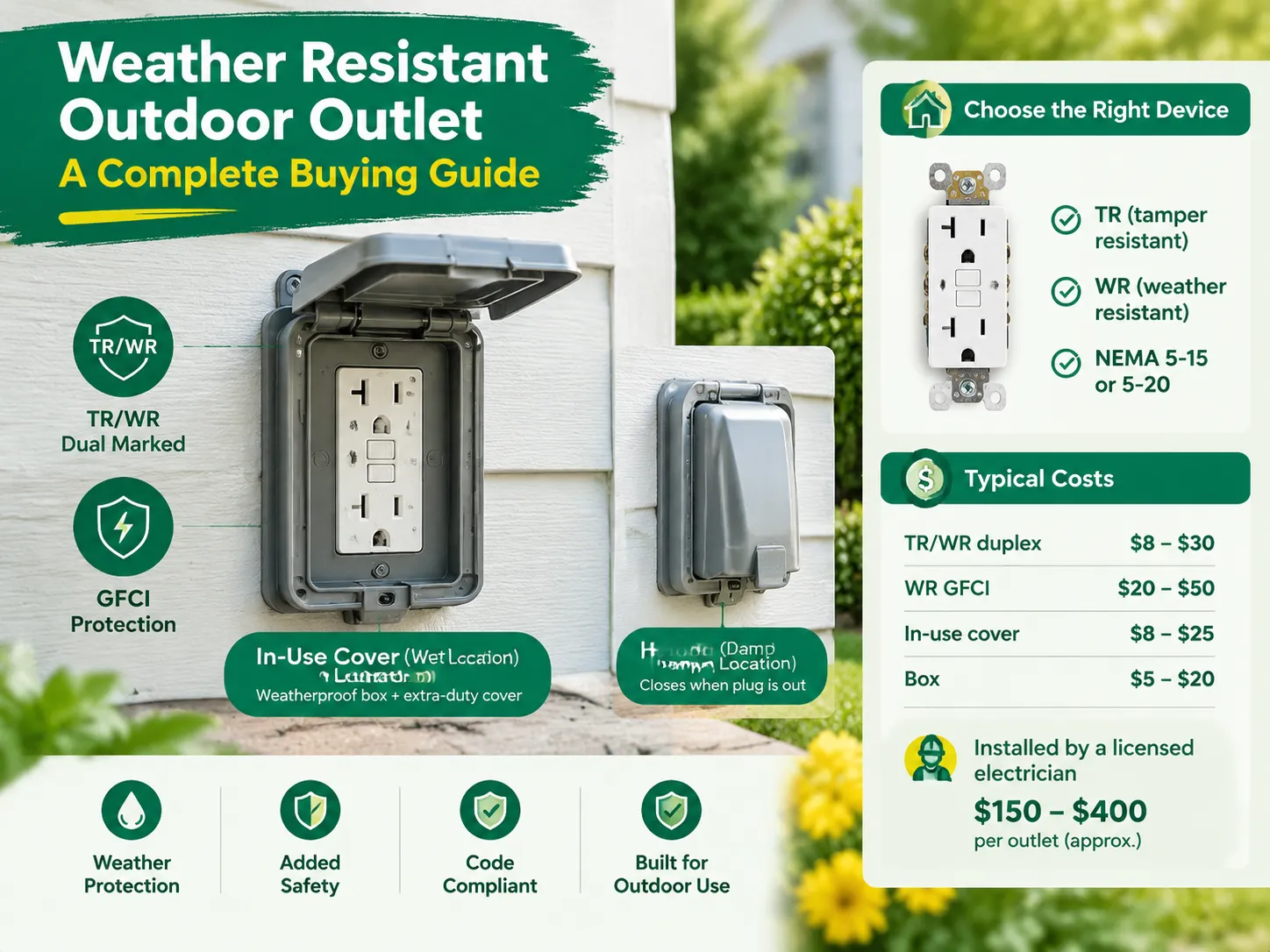
Waterproof outdoor sockets should not to be confused with ordinary outdoor sockets. Although these outdoor sockets can be considered WR-type outdoor sockets, they also come with an enclosure that provides their waterproofness with or without a device. Additionally, the outdoor plug needs to be vandal-resistant and include an RCD. Every weatherproof socket should be identified […]
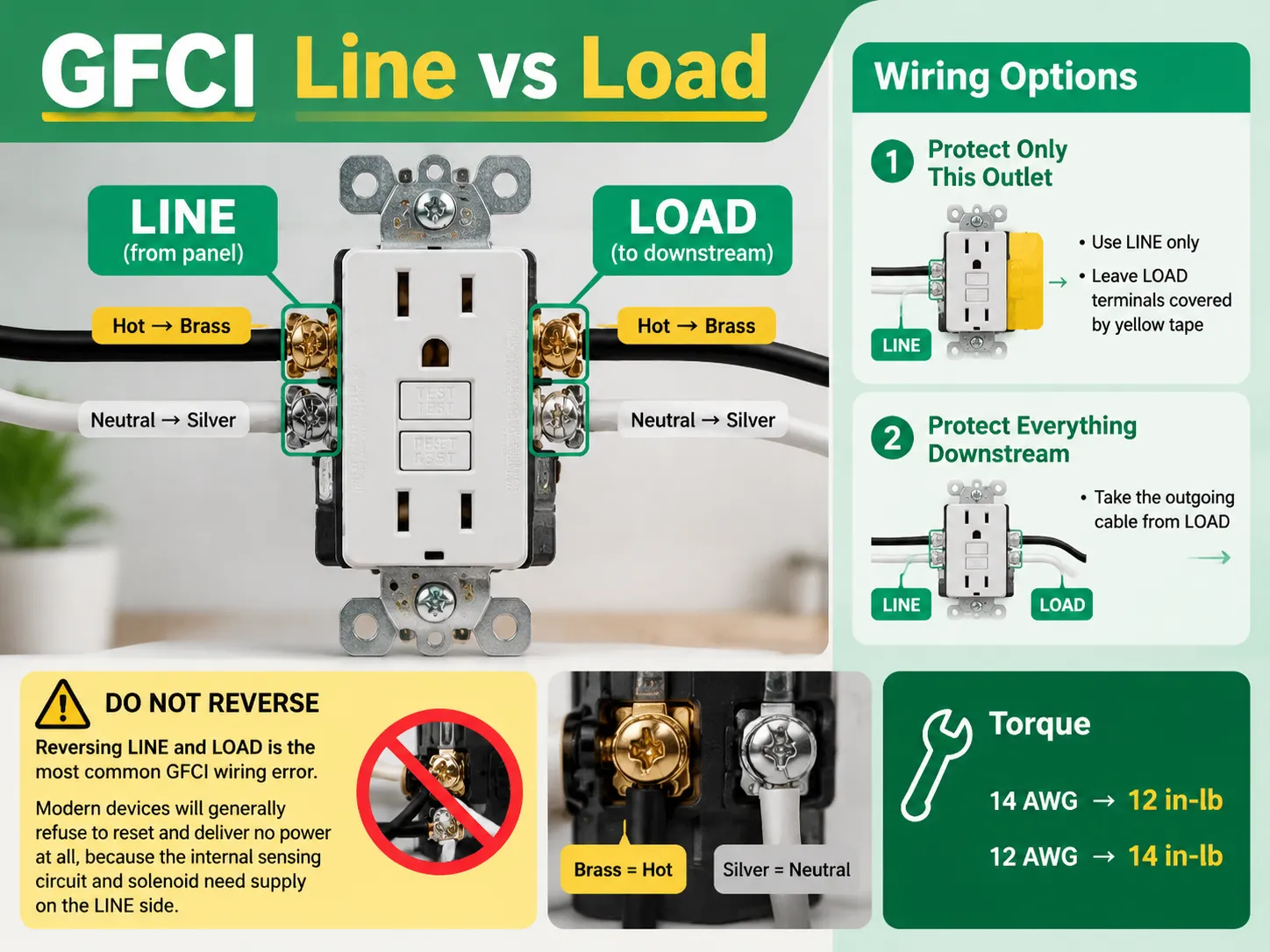
Two types of terminals can define how a GFCI outlet functions: One terminal is for an individual outlet and the other terminal can protect several outlets from a single GFCI outlet at the same cost. Using the appropriate terminal allows you to take advantage of the cost savings of using a single GFCI, while using […]
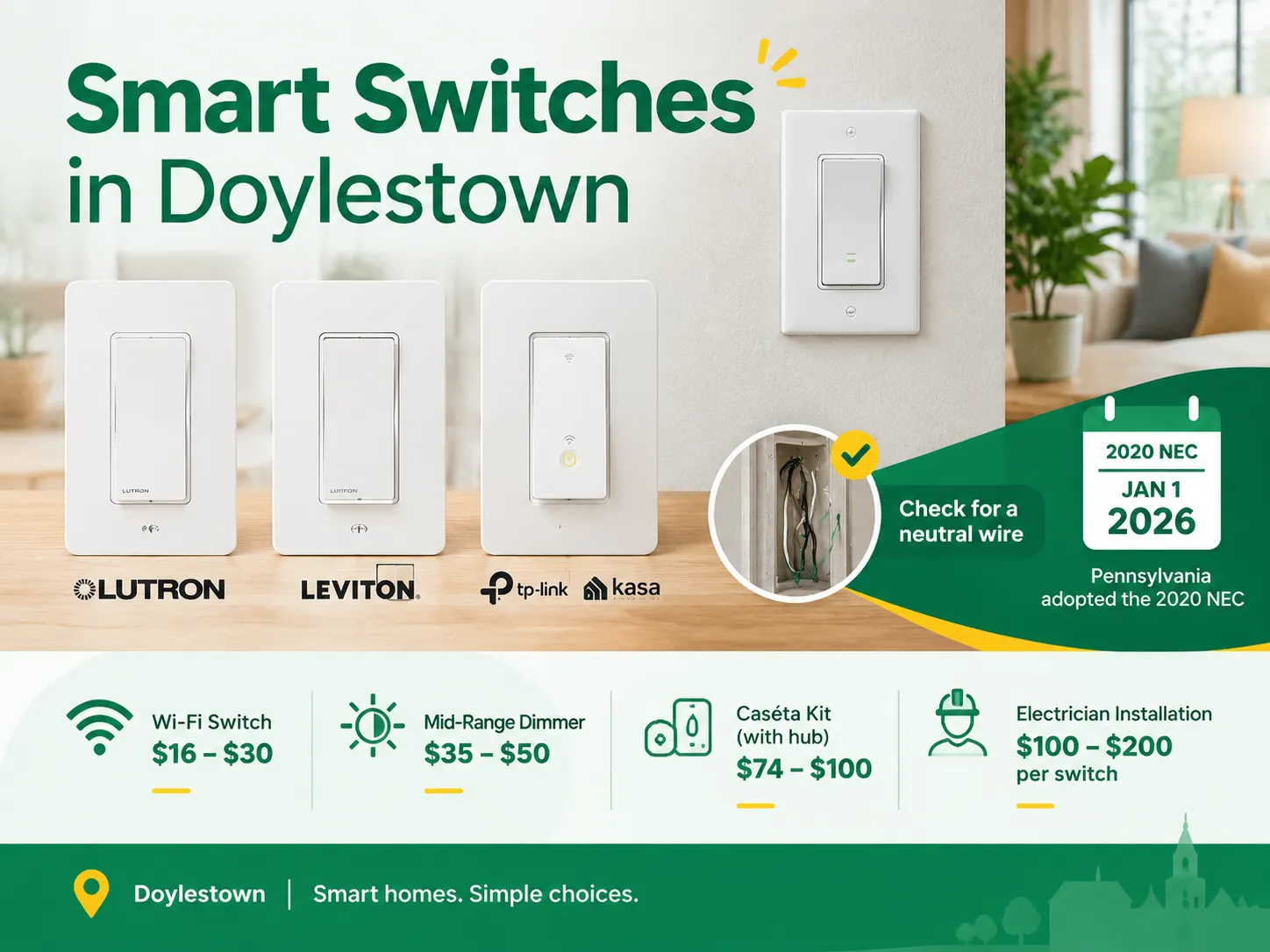
The housing types available in Doylestown date back to the 1800s, and this is also the main challenge you face when trying to buy a smart switch here. What you can use comes down to what is inside your wall box and not which brand you can trust the most. The guide shows you which […]

 No.6 Tuozhan Road, Leshang Pioneer Park,Yueqingwan Bay Harbor,Yueqing city,Zhejiang Province


