NEMA plug types standardize electrical connections across North America, with designations like 5-15 and 6-20 indicating voltage and amperage ratings. The National Electrical Manufacturers Association creates these standards to ensure safe, compatible power delivery for residential, commercial, and industrial applications through specific pin configurations.
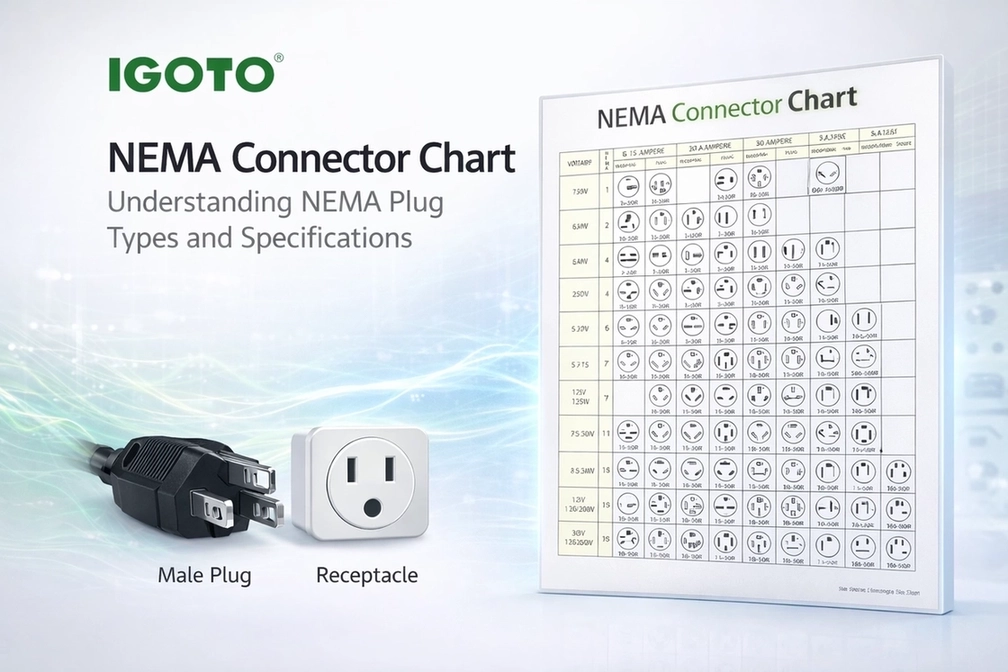
Different NEMA types serve specific voltage and amperage needs:
| NEMA Type | Voltage | Amperage | Prongs | Common Use |
| 1-15 | 125V | 15A | 2 (ungrounded) | Older appliances, lamps |
| 5-15 | 125V | 15A | 3 (grounded) | Standard household outlets |
| 5-20 | 125V | 20A | 3 (grounded) | Kitchen appliances, tools |
| 6-20 | 250V | 20A | 3 (grounded) | Air conditioners, compressors |
| 6-30 | 250V | 30A | 3 (grounded) | Electric dryers, welders |
| 14-30 | 125/250V | 30A | 4 | Older dryer installations |
| 14-50 | 125/250V | 50A | 4 | Electric vehicle charging, ranges |
The NEMA naming system leverages letters and numbers to show you exactly what a connector can do.
The NEMA designation uses numbers to indicate both electrical configuration and rating.
The first number refers to the connector series, which defines voltage and wiring arrangement, while the second number specifies the amperage rating.
A 5-20 designation implies the connector handles 125V at 20A. You’ll see an “L” prefix like L5-30 when the connector locks by twisting, which secures it in place. The letter at the end indicates plug (P) or receptacle (R).
The NEMA 1 series gives you the simplest setup with two prongs and no ground. These ungrounded plugs show up in older homes and light-duty gear where grounding isn’t necessary.
NEMA 1-15 plugs work with 15A at 125V, handling lamps and small electronics just fine. Modern codes push for grounded outlets in new builds, but you’ll still encounter these on devices that don’t demand ground protection.
The NEMA 5 series runs most homes across North America. These three-prong setups add a grounding pin that keeps you safe.
NEMA 5-15 sits in nearly every room:
NEMA 5-20 bumps capacity up with a T-shaped neutral slot. This works for kitchen equipment drawing 20A, and that unique slot stops 20A devices from jamming into 15A outlets.
When you’re looking at us wall socket types, the 5-15 and 5-20 configs cover most home needs. These American electrical outlet types deliver 125V that powers everything from chargers to fridges.
The gap between outlet types matters. A 5-15 on a 20A circuit won’t back high-draw appliances safely, so kitchens lean toward 5-20 outlets that handle the load. Getting familiar with the US power outlet types lets you pair devices with proper circuits.
For how American outlets stack up against European systems, check our breakdown on power outlets in Europe vs US, where we walk through voltage gaps and plug shapes across regions.
NEMA 6 connectors push 250V for gear needing more punch than standard 125V circuits offer. These setups skip the neutral wire since equipment only wants two hot conductors plus ground.
Common spots for NEMA 6:
The 6-20 works for 20A loads like window ACs, while the 6-30 backs 30A draws for bigger machines. Higher voltage means circuits move more power without cranking amperage, cutting wire costs on some jobs.
Older houses carry NEMA 10 outlets for dryers and ranges. These three-wire systems run two hots and a neutral but skip the ground, falling short of today’s safety codes.
NEMA 14 connectors fixed this by throwing in a ground wire:
Modern electrical codes require four-wire (grounded) configurations for new installations, replacing older three-wire NEMA 10 setups.
The split voltage lets outlets feed both 125V (hot to neutral) and 250V (hot to hot). One outlet powers heating elements and control circuits without needing separate runs.
Regular NEMA plugs slip straight in, working fine when nothing moves. Locking versions twist to grab, stopping disconnects when vibration hits.
Locking types carry an “L” up front. An L5-30 twists after you insert it, making sense for generators and industrial setups. Construction sites and marine gear lean on these where connections face rough conditions.
The chart lines up connectors with voltage rows and amperage columns. This grid gets you to the right config fast.
Reading steps:
The pictures show pin layouts exactly, so matching plugs to receptacles stays straightforward. Each pattern blocks the wrong connections.
North American outlets stick with Type A (two-prong) and Type B (three-prong grounded), matching NEMA 1 and NEMA 5. European gear uses Type C with round pins instead of flat blades.
These design gaps mean American devices won’t plug into European outlets without adapters or converters. Our blog on Type A vs Type C wall sockets lays out international differences and when you need voltage conversion versus just plug adaptation.
Picking the correct NEMA type keeps equipment safe and working. You should always match plug ratings to device needs and circuit capacity.
Key factors:
Don’t jam high-amp plugs into lower-rated outlets with adapters, since that dodges safety features built to stop overloads. When your device wants 20A but the outlets max at 15A, upgrade the circuit instead of forcing it.
IGOTO builds switches and sockets for European and US markets, with products hitting regional safety marks. Standard home outlets or specialty industrial configs both appear in the lineup, covering various NEMA types with solid construction.
Getting NEMA standards helps you grab safe, matching electrical products. The naming system cuts out guesswork when pairing plugs to outlets, dodging damage and hazards.
Pro installation keeps outlets running right and meeting codes. When you’re unsure which NEMA type fits, an electrician can size up your needs and point toward proper configurations.
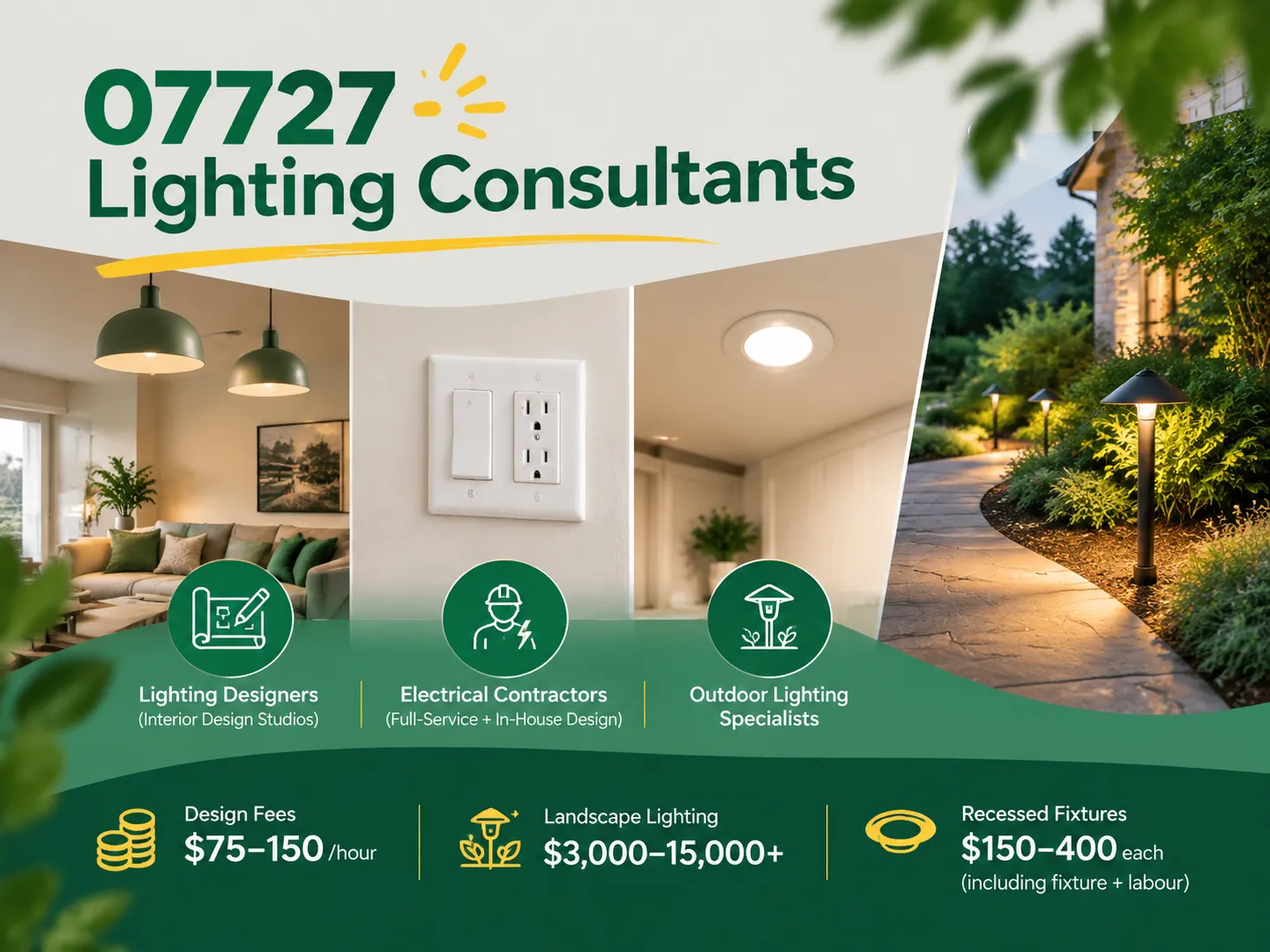
Farmingdale, along with parts of Wall Township and Tinton Falls, New Jersey, share the same zip code of 07727. Most of the houses built from the 1950s to the 1990s still exist today. Most of the homeowners are renovating their houses as opposed to building new homes. Homeowners tend to spend a lot more on […]
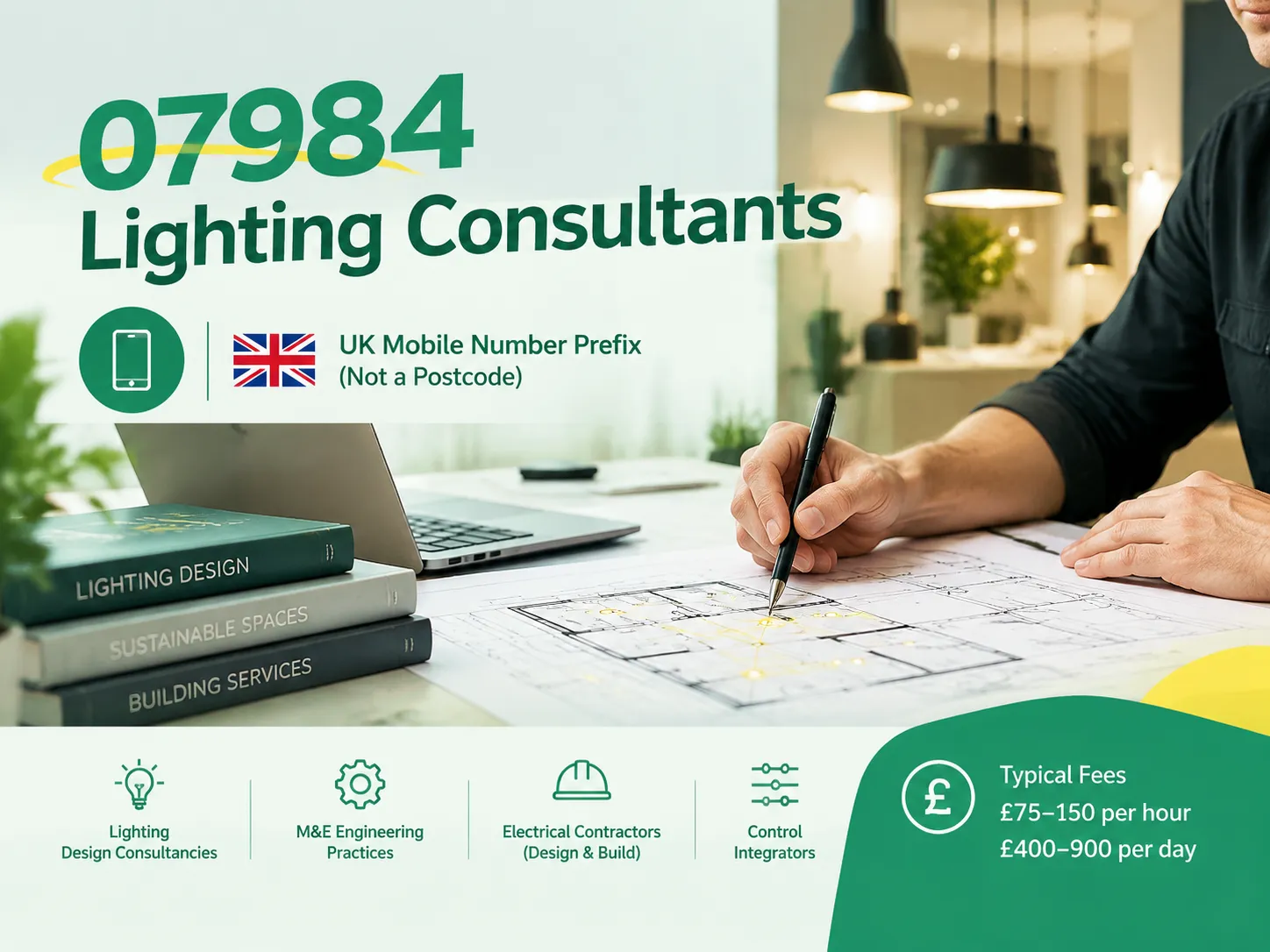
The term “07984 lighting consultants” gives people the impression that the five digits represent a postal code of some sort that indicates the place where lighting consultants provide services. This is, however, incorrect: there is no postal area coded 07984, which is only a code of mobile telecommunications in Great Britain. This means that the […]
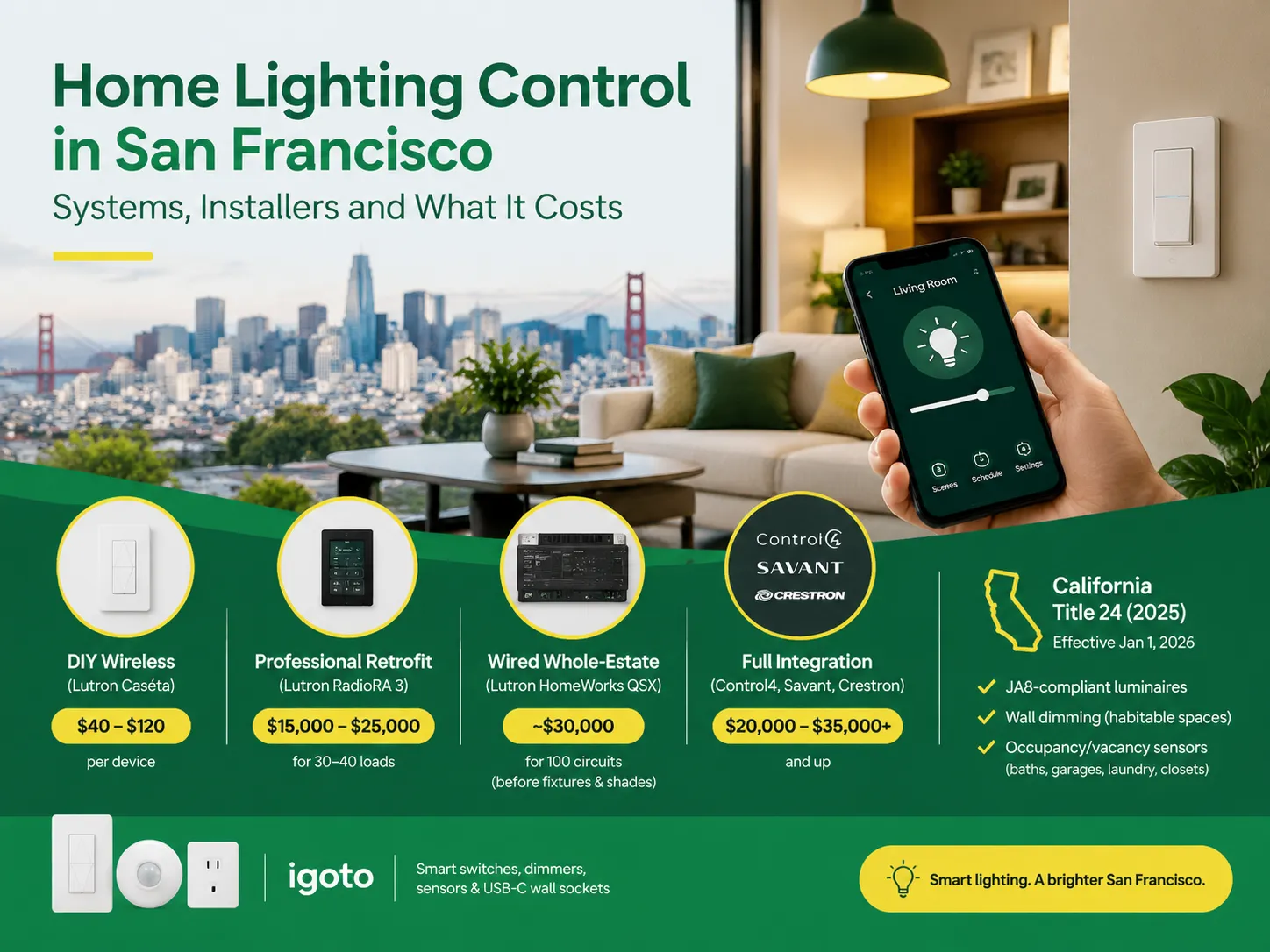
San Francisco is not the average lighting control market. The housing stock is old and dense, and the electrical code does not allow for as many electrical installations as is allowed almost anywhere else in the U.S. Most homes that want complex lighting are Victorian or Edwardian buildings where no one wants to start opening […]

 No.6 Tuozhan Road, Leshang Pioneer Park,Yueqingwan Bay Harbor,Yueqing city,Zhejiang Province