

Both switches utilize the same circuitry, both of them fit into the same enclosure and both of them can be found in the same store aisle. However, in the end, all depends on three considerations which are not electricity-related: the look of the room, who uses it, and whether one wants a switch which can be operated outside the workshop.
While the basic principle involved in the work of the two switches has some difference of a quarter of an inch or fifteen degrees of motion, this difference can have an impact on the work of the switch in bathroom renovation while their similarity can be beneficial in the pump house.
A toggle switch has a long operating lever that moves up and down which is widely used in industry, farming, and utilities as it can be operated with gloves and can be viewed from a distance. A rocker switch has a low-profile paddle which rocks back and forth in a pivot while being flush with the wall plate. Both switches are frequently employed snap switches for AC current and both have single-pole, three-way and four-way types and can be replaced with each other in most circumstances, as they have the same mounting strap screw spacing of 3.28 inches. The main difference can be found in the wall plate, tactile feedback, and allowable amperage.
A toggle is a lever moved in one direction, while a rocker is the surface pushed down or up.
From here onwards, everything is common sense. A lever allows any handling of it, which is why it can be subjected to dirty or gloved hands or placed in a utility closet, whereas a surface cannot be subjected to handling and is the reason why there is no dirt at the pivot, is uniform, and looks rather like a wall than a part.
In fact, no one of these mechanisms is better than the other. A cheap rocker fails at the pivot, while a cheap toggle fails at the contacts points. The nature of every failure depends on the production technique.
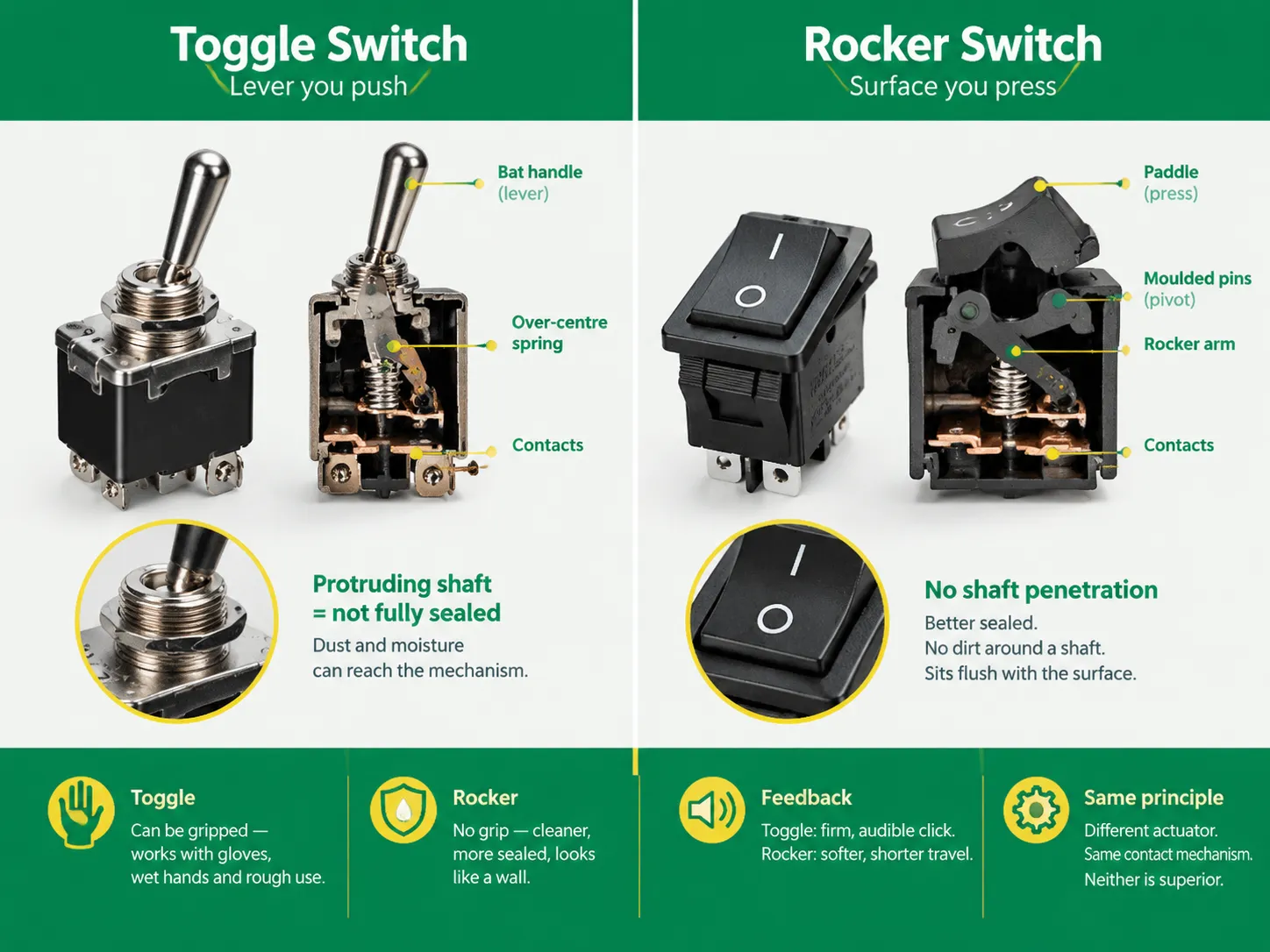
The toggle switch is structured with a lever and a pivoting contact plate. It operates on the principle, wherein lifting or lowering the lever moves against the spring thereby forming the connection between the contacts and thus producing the clicking sound that accompanies the switching. The over-center mechanism helps achieve fast movement of the contacts in such a way so as to separate them at the right moment so as not to allow sticking.
The shaft of the toggle switch runs through a bearing that is attached to the body of the switch so it cannot be completely sealed. In this case, the switch is exposed to dirt and water from outside and at the place where humidity is high, it must be covered somehow.
Unlike the toggle switch, a rocker switch does not have a shaft. Instead of the shaft, the paddle of the rocker switch is fixed to the rocker switch arm, thus producing the switching action. In this case, the paddle does not make a visible movement as there are no openings in the front of the switch.
Now this is where a problem arises. The paddle of the rocker switch moves only a short distance thus producing a soft clicking sound and making it difficult for the user to know whether the switch is in the position that it is supposed to be at. The broader family of switch mechanisms, from push-button to selector and cam switch, is covered in this overview of the different kinds of switches used in electrical work.
| Specification | Toggle | Rocker |
|---|---|---|
| Standard residential rating | 15 A at 120 V, 15 A at 277 V | 15 A at 120 V, 15 A at 277 V |
| High-amperage options | 20 A, 30 A and 40 A commonly available | 20 A common; above that rare |
| Terminals | Side screw, screwless clamp | Side screw, screwless clamp, push-in on cheap units |
| Mounting strap | 3.28 in (83.3 mm) screw centres | Same 3.28 in centres |
| Standards | UL 20 general-use snap switch, NEC 404 | Same |
| Ingress | Open at the shaft unless booted | Closed face, closer to sealed |
| Typical failure point | Contact pitting, loose bushing | Pivot pin wear, cracked paddle |
The major difference between these two diverging products occurs when it comes to the 20 A application. A 20 A toggle switch can be easily purchased at any electrical wholesaler. The rocker variant can only be found with difficulty and is virtually non-existent for anything above the 20 A level in relation to residential installations. In such cases, the toggle switch is generally the only viable solution, like for example, a 20 A circuit which operates kitchen appliances or a 30 A circuit which works a water heater.
Both toggle and rocker come under the UL 20 standard of general-use snap switches and comply with NEC Article 404 in terms of installation. However, they are not suitable for motor applications. Starting motors that need 1.5 kW of power through a wall switch is a completely different story and worth mentioning especially in cases when someone tries to substitute a stylish switch for a unit meant for breaking the circuit.
Application logic is reflected in the way the switches are sold: rockers are sold by make, toggles by rating. That tells you which market each one is designed for. A fuller taxonomy of residential switch types, including dimmers and smart devices, is in this guide to the types of light switches.
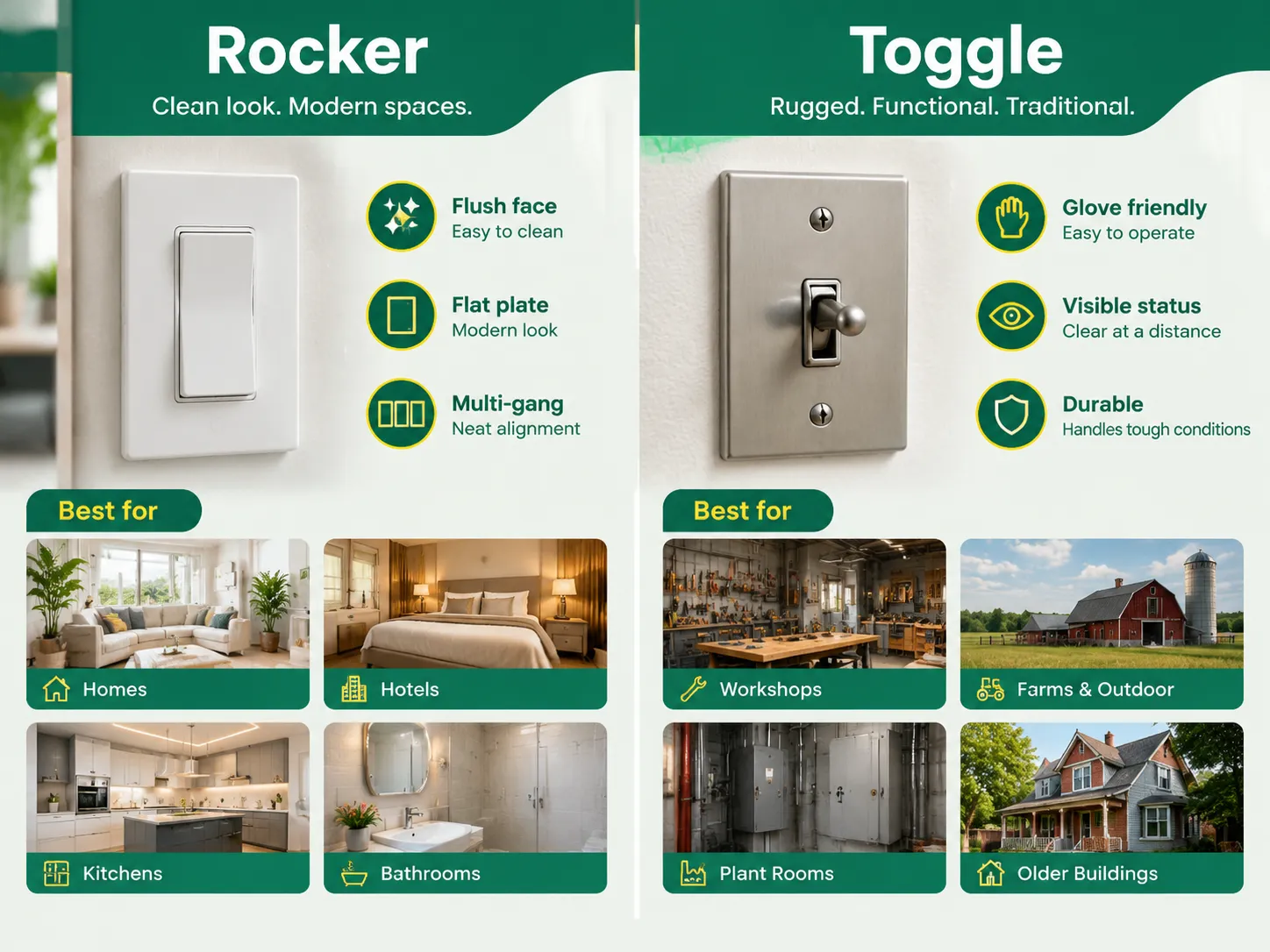
The toggle switch features a plate with a notch for the lever, and the plate sticks out a little beyond the wall. That is acceptable in a classical style; however, for modern style it is not.
If we talk about the rocker switch, the plate has a flat surface, with the paddle sitting on it, and therefore it resembles tile rather than a switch. Installed in groups of four, four rockers will look like a line, whereas four toggles will be in a form of four levers creating a light-and-shadow picture.
There is also a difference in terms of colors. Rockers come in all existing colors and materials, even plate with no screwing and made of brass or glass materials. Toggles, on the contrary, have a very limited selection, mostly white and brown, with the lever made of chrome or brass.
One more point is that rockers have a very small gap which is a few tenths of a millimetre. Thus, they can be cleaned with a wet cloth. Since toggle’s gap can collect dirt, the kitchen switches to rockers very quickly.
| Type | What it does | Available as |
|---|---|---|
| Single-pole (SPST) | One circuit on or off from one location | Toggle and rocker |
| Three-way (SPDT) | One circuit from two locations | Toggle and rocker |
| Four-way | Inserted between two three-ways for three or more locations | Toggle and rocker |
| Double-pole (DPST) | Switches hot and neutral together | Toggle common, rocker limited |
| Illuminated / pilot | Indicator lit when off or on | Both, rocker more common residentially |
| Weatherproof | Gasketed cover for outdoor service | Toggle in a booted cover is the standard |
Three-way and four-way logic trips people up in both formats, and it trips them up identically, because the switching is the same regardless of the actuator. How the travellers are wired between the two ends of a three-way circuit, and where a four-way fits between them, is set out in this comparison of three-way and four-way switches.
Indeed, electrically, both devices are of the same type, although their coverings differ. The only requirement is that the amperage and the patterns of the terminals are correct.
The principles are really simple: the dimensions of the mounting strap are the same, while the distance in screws is 3.28 inches (83.3 centimeters). The only thing that differs is the wall plate itself: a toggle plate has a cutout that resembles a lever and a rocker plate bears a rectangular-shaped cutout. However, their plates cannot be interchanged since they cannot be combined.
However, there are factors that you should take into consideration before replacing the switch:
Using modular plate systems makes the swap easier as the mechanics and the plate are separate, allowing you to change the plate alone. The trade-offs of that system, including cost and the availability of odd configurations, are covered in this comparison of modular and non-modular switches.
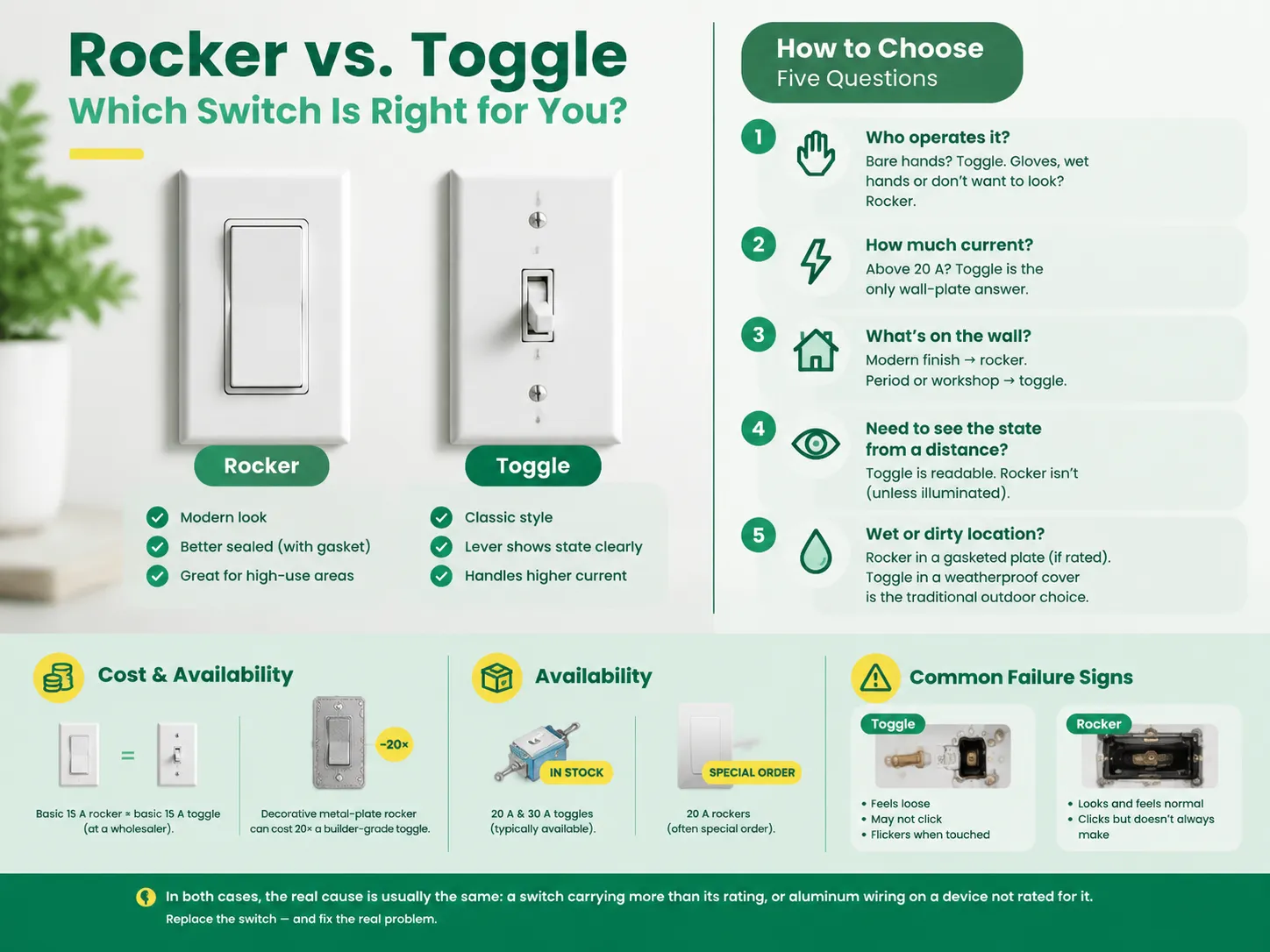
Who’s the person in charge? It’s up to you to differentiate between methods in the control switch. Either option has pros when it comes to switching off and on the switch with your hands. Just make sure that you are wearing gloves and that there is no water on you.
What is voltage here? Voltage is too high so that toggle switch can work with over 20 amps.
What is the surface? In case you have a modern style wall, you must have a rocker switch. On the other hand, toggle switch should be dealt with in case of classical style or workshop.
Is there a necessity for the switch to be visible? When it comes to toggles, the lever should be seen from the other side of the room. Rocker can be visible only if there is light on it.
Is it wet at the place of usage? If the rubber gasket is used in rocker switch, then it will be preferred.
Installation planning matters as much as the device. Both types are mounted at the same height, and the standard heights, plus the exceptions around counters and door swings, are set out in this guide to light switch height from the floor.
Both of the switches, being the 15 A preferable rocker switch and the 15 A toggle switch are at the same price at the wholesale dealers, and these products are common in the market. The price variable occurs in the case of the special type of devices. The screwless metal plate rocker switch is approximately twenty times more expensive than the toggle switch that is used by the building industry. The functioning of the device is not twenty times better than the toggle switch.
The availability situation is absolutely the opposite, as in the case of the availability of the switches. Any dealer will have the 20 A switch or the longer-lasting 30 A toggle switch in stock, however, the distributor may not have the 20 A rocker switch on the stock at all branches.
The pattern of the failures is interesting, and knowing it can help while maintaining flicker lights.
The toggle switch with worn-out contacts will be a little bit loose for use, and the clicking will not be very clear, which means that the contact surfaces of the switches have already burned out.
The situation with the rocker switch is as follows. It may look perfectly alrightfrom the outside but the active element that is inside the switch might be already burned out. The frustration and difficulty of diagnosis is the reason behind the same conclusion.
Both error causes in the discussed circumstances are practically the same, namely switch operability exceeding the limits and aluminum wires operated and attached to switch that is unnecessary.
The answer is generally yes if the amperage is adequate, the box has enough capacity and the wall plate is changed. The former can be wired in the same way as the second with the regular single-gang box having the same mounting hole spacing for the standard type of switch. Only the plate and some other cosmetic changes differ.
A standard snap switch is not a motor disconnect device nor can a decorative rocker switch be deemed a substitute for an equipment switch that provides the required functionality as rated for a specific purpose. Slap switches dealing with pumps, compressors or any motor load must comply with the horsepower requirement or application rating, which means a toggle switch or a special type of disconnect switch instead of a wall rocker switch.
No. The rocker has been around for a long time and continues to remain the most common type of household and residence. Moreover, it is gaining popularity in the commercial sector due to the ease of cleaning and installation. If we were to speak about what loses its significance, it would be the toggle switch in residential settings while it is still popular in the industrial, agricultural, and service industries.
Paddle switch, decorator switch, Decora switch, and wide-series switch are all synonymous terms. The name “Decora” has gained popularity in the US because of Leviton’s contribution to developing and selling such switches. In Australia and the UK, this switch is called a rocker or plate switch.
A rocker switch has nothing to do with devices but rather with making sure that you feel comfortable when using it and that it is located at an arm’s length from your eyes. It’s a control that uses lever technology and provides an easy cleaning process and flush-mounting.This type of switch can be placed in existing boxes which means that one type can be replaced with another quickly using a Phillips screwdriver.
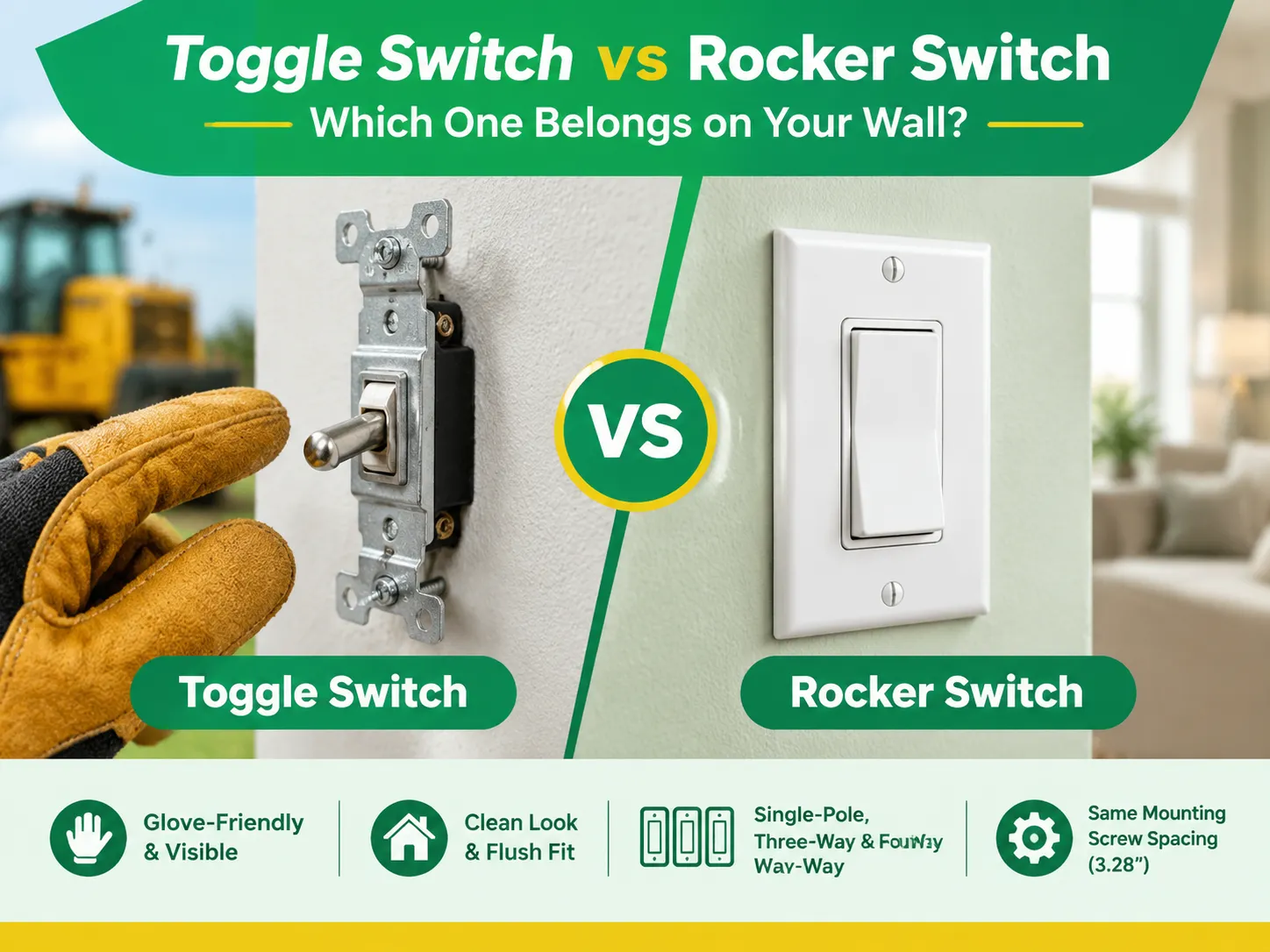
Both switches utilize the same circuitry, both of them fit into the same enclosure and both of them can be found in the same store aisle. However, in the end, all depends on three considerations which are not electricity-related: the look of the room, who uses it, and whether one wants a switch which can […]
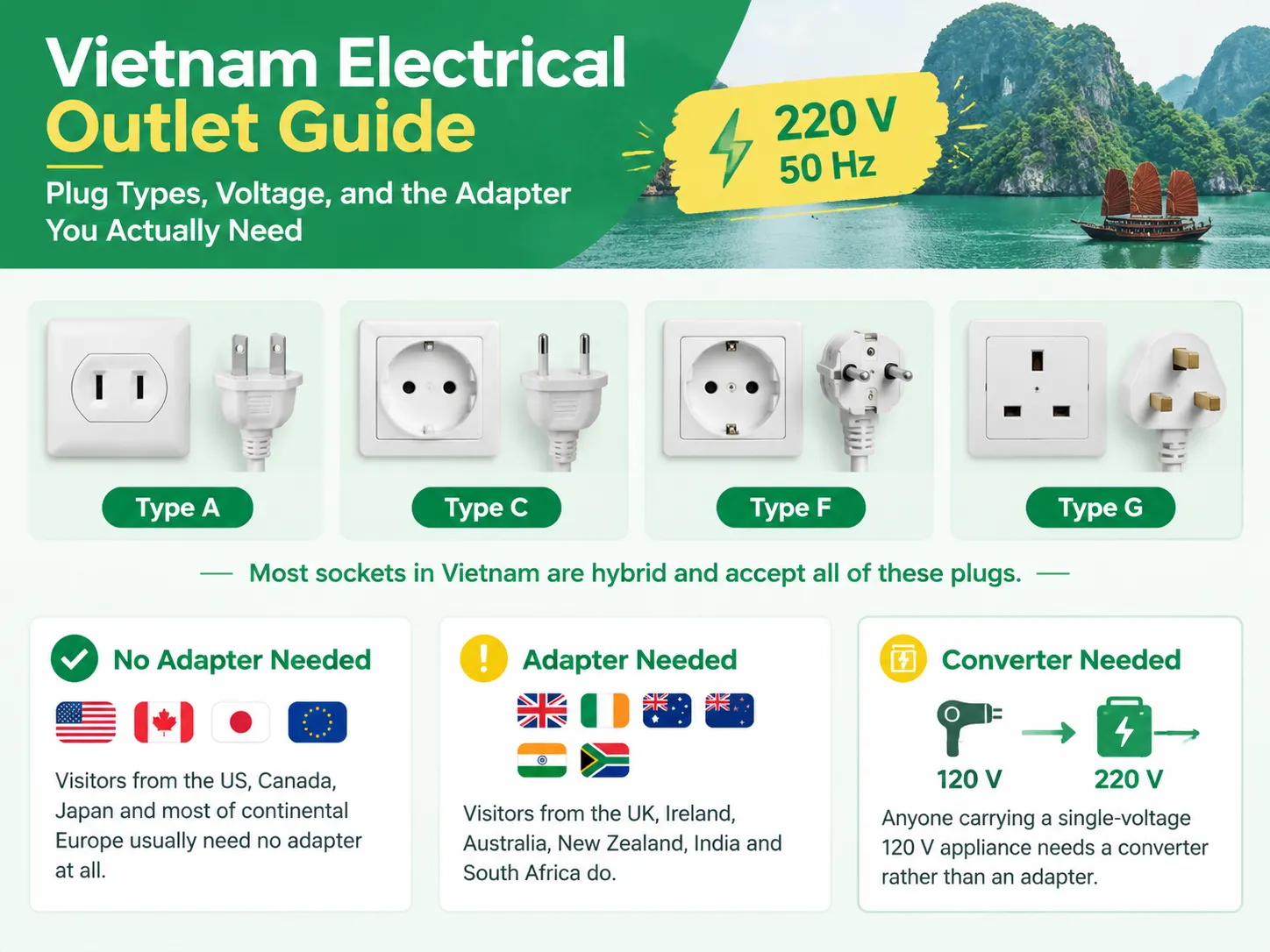
Plugging into Vietnam is an easy job compared to most countries in Asia and so is making one of the gadgets go dead. The plugs are globally accepted, but the voltage is not. These two facts are true about each hotel in Vietnam from Hanoi to Can Tho and it is good if you know […]
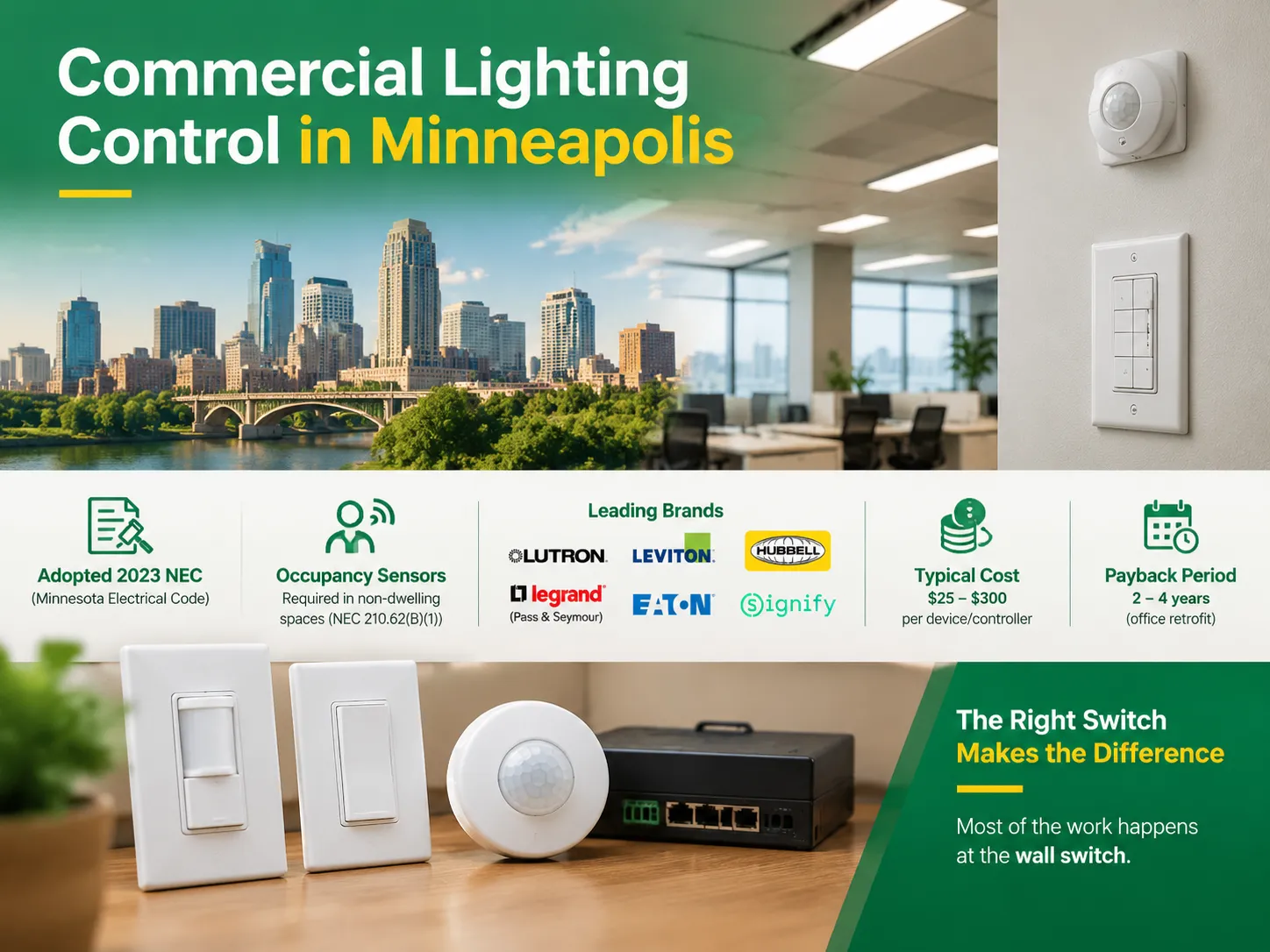
Commercial lighting control in Minneapolis is now a necessity rather than an option. With the application of the new NEC on July 1, 2023, occupancy sensing has now become a legal requirement in most commercial buildings without any modification of the law on the part of the state authorities.So the discussion has changed from “if” […]

 No.6 Tuozhan Road, Leshang Pioneer Park,Yueqingwan Bay Harbor,Yueqing city,Zhejiang Province


