

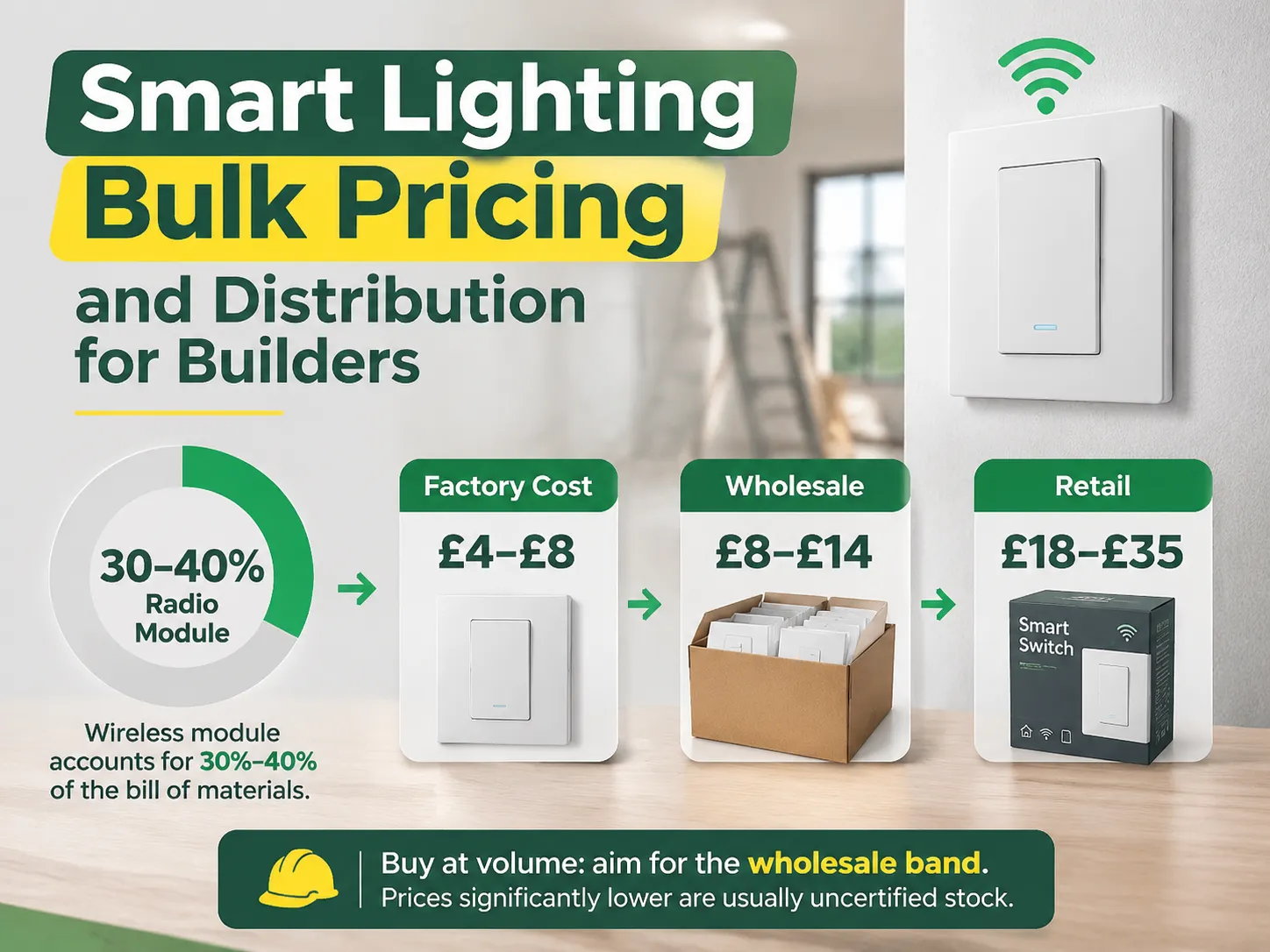
The world of electrical procurement has been transformed by the advent of smart lighting. In the instance of cables or pipes, the cheapest option is easily identifiable and free from risks. Yet when it comes to smart plugs or other connected lighting devices, the product could vary from x1 times to x4 in cost from […]
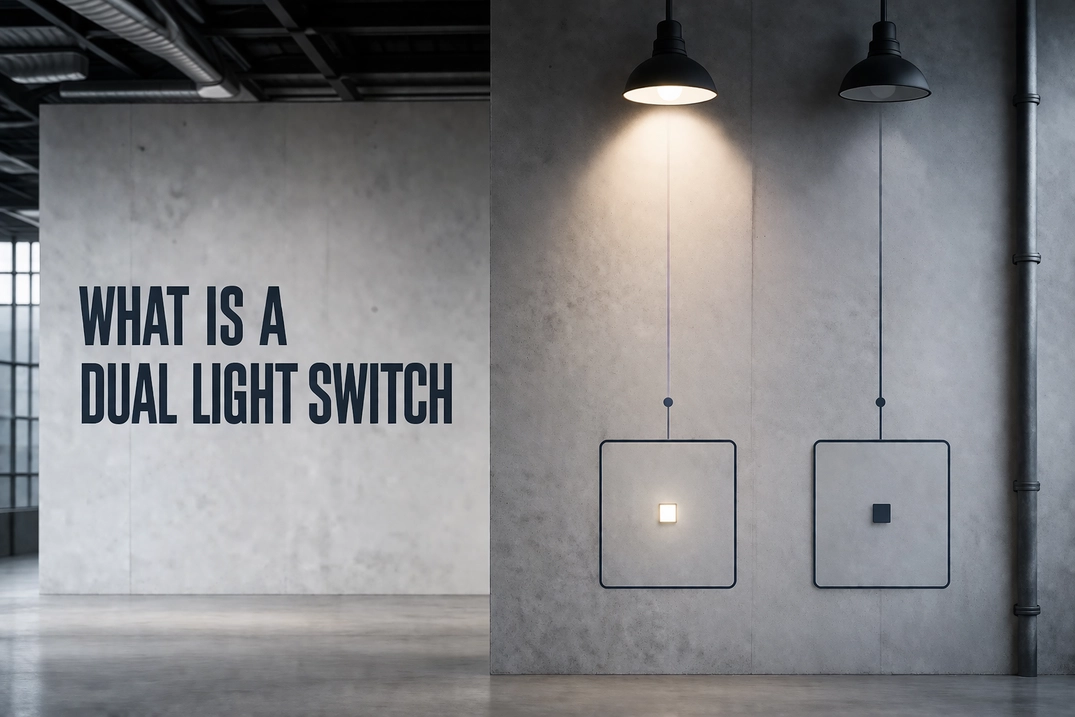
Quick answer: A dual switch light typically refers to two independent controls on the same wall plate. Think one switch for an exhaust one and another for a ceiling light. It’s different from a double-pole switch, which operates two electrical paths simultaneously. IGOTO offers 2-gang and other multi-gang switch configurations for residential and commercial projects […]
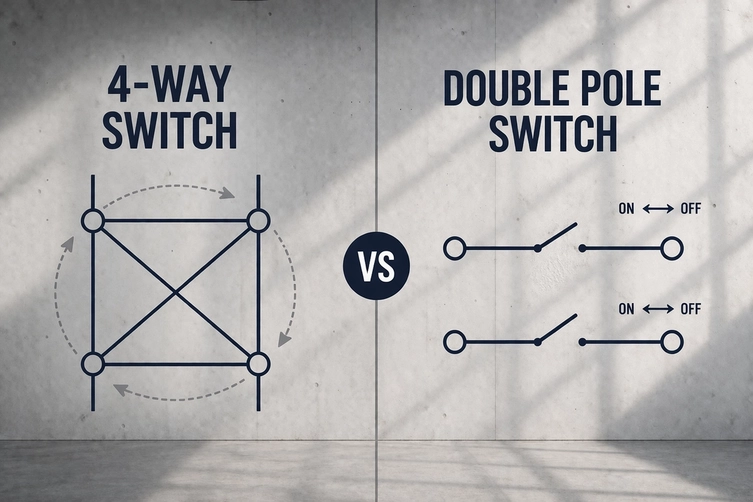
Quick answer: No. A 4-way switch enables you to control the same light from three or more locations when used between two 3-way switches. In contrast,a double-pole switch operates two electrical paths together from a single control. Although both these switches can have four main terminals, their jobs and internal connections are different from each […]

Power outlets in Europe differ from those in the US mainly due to historical development, variations in voltage standards, and safety regulations. European countries standardized their outlets to support 220-240V systems, while the US adopted a 110-120V standard, influencing power outlet design and functionality. These differences reflect the distinct technological advancements and safety protocols each […]

A 2-way light switch gives you the power to control a single light fixture from two different locations. It’s the smart and convenient solution for areas like staircases, long hallways, and large rooms with more than one entrance. Ever wanted to turn on the hall light as you walk in the front door and turn […]
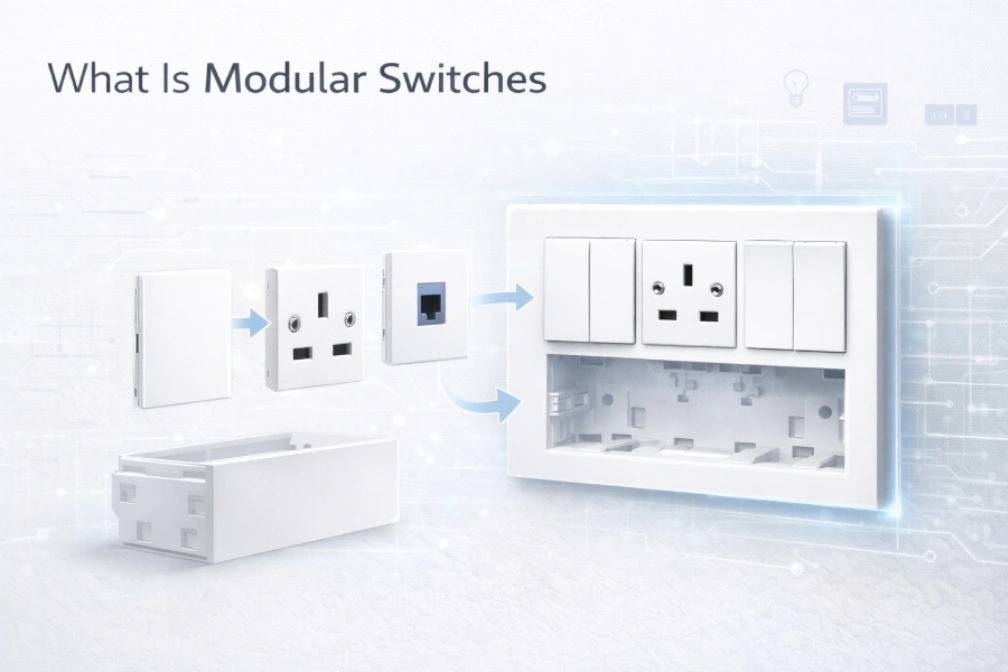
Modular switches are electrical fittings built on an interchangeable module system where individual components like switches, sockets, and USB ports snap into standardized frames, allowing easy installation, replacement, and customization without rewiring. Understanding the Modular Switch System Traditional switches lock you into fixed configurations. When something breaks or you need to add functionality, you’re tearing […]
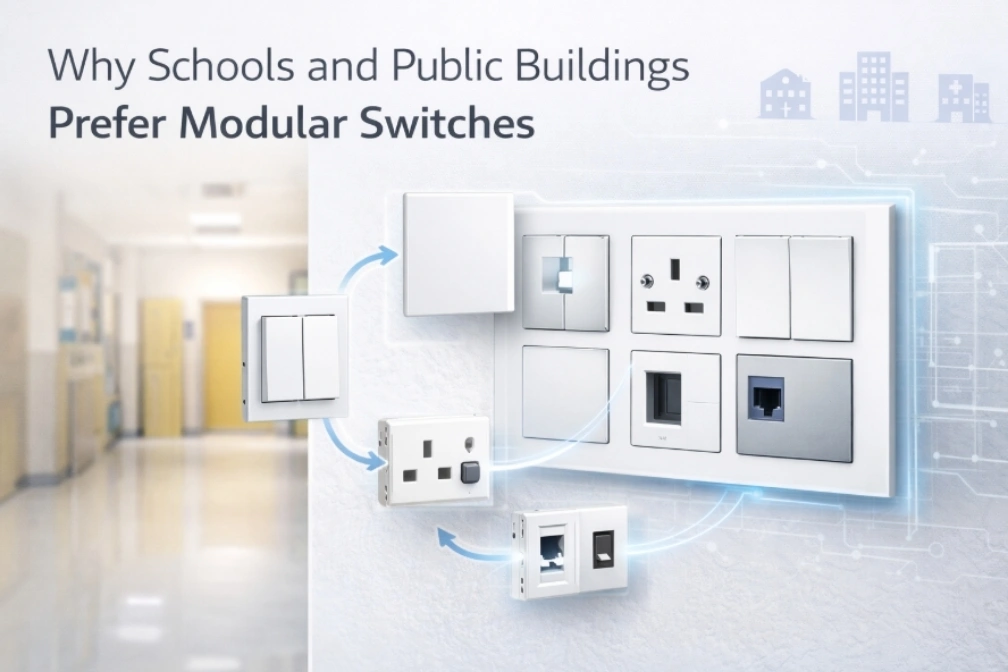
Schools and public buildings choose modular switches because they offer superior safety, easier maintenance, flexible configuration, and simple upgrades compared to traditional fixed switches that require complete replacement when components fail. The Shift from Traditional to Modular Infrastructure Public buildings face electrical demands that traditional switches can’t handle. When any component fails in a fixed […]
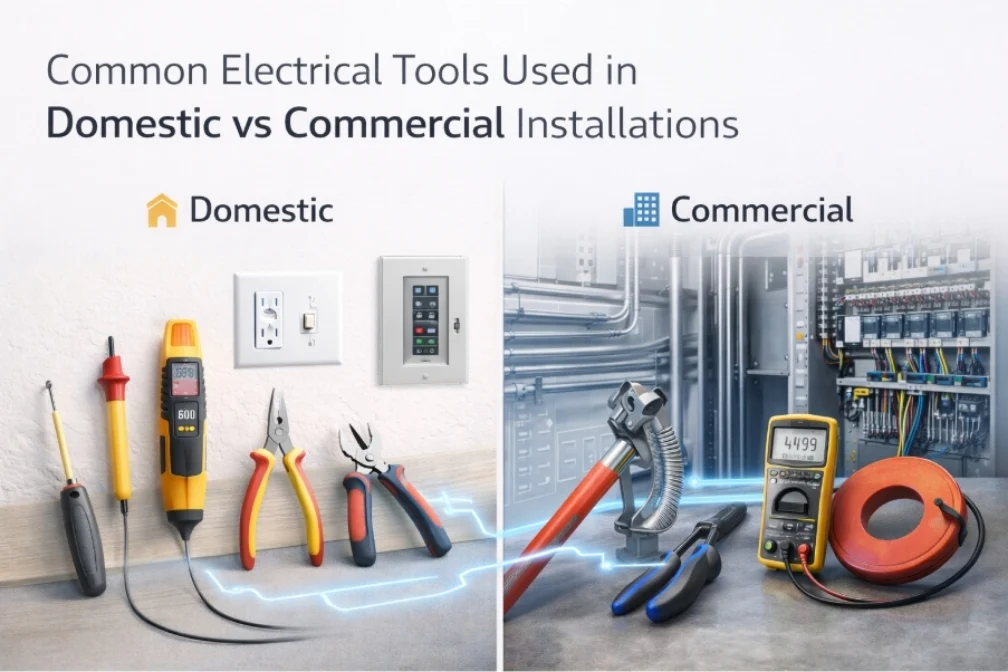
Domestic installations rely on hand tools like insulated screwdrivers, wire strippers, and voltage testers, while commercial projects require specialized equipment, including conduit benders, hydraulic crimpers, and thermal imaging cameras for high-load systems. Why Tools Affect Switch and Socket Installation Quality The tools you use directly determine how long an electrical installation lasts. Inadequate tools damage […]
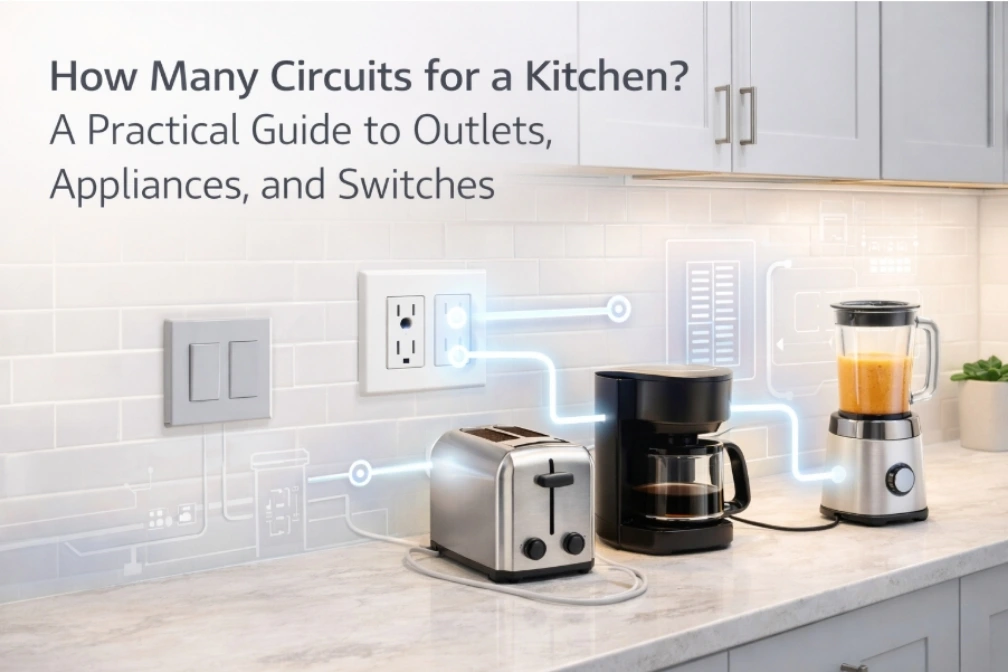
Modern kitchens need seven to ten separate circuits to handle everything safely. The exact number depends on your kitchen size, what appliances you’re using, and whether you cook with gas or electricity. How Many Circuits Does a Modern Kitchen Need? Most people think adding more outlets solves electrical problems. It doesn’t. You need separate circuits […]
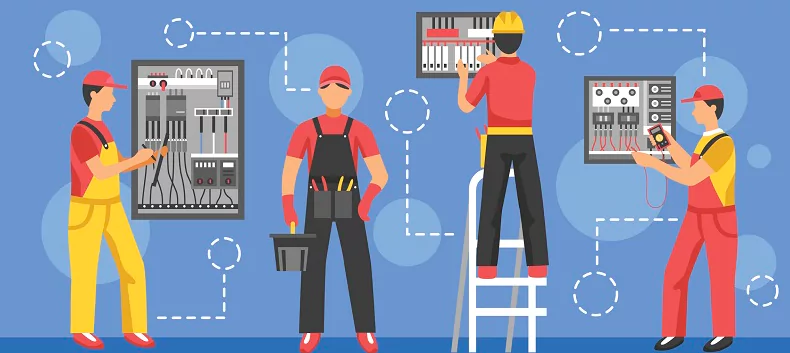
Introduction Choosing the correct cable size for power points in Australia is essential for safety, efficiency, and compliance with regulations. This guide will help you understand cable sizing, its importance, and how to make informed decisions. In Australia, it is imperative to choose the correct size of electrical cables for power points so that safety […]
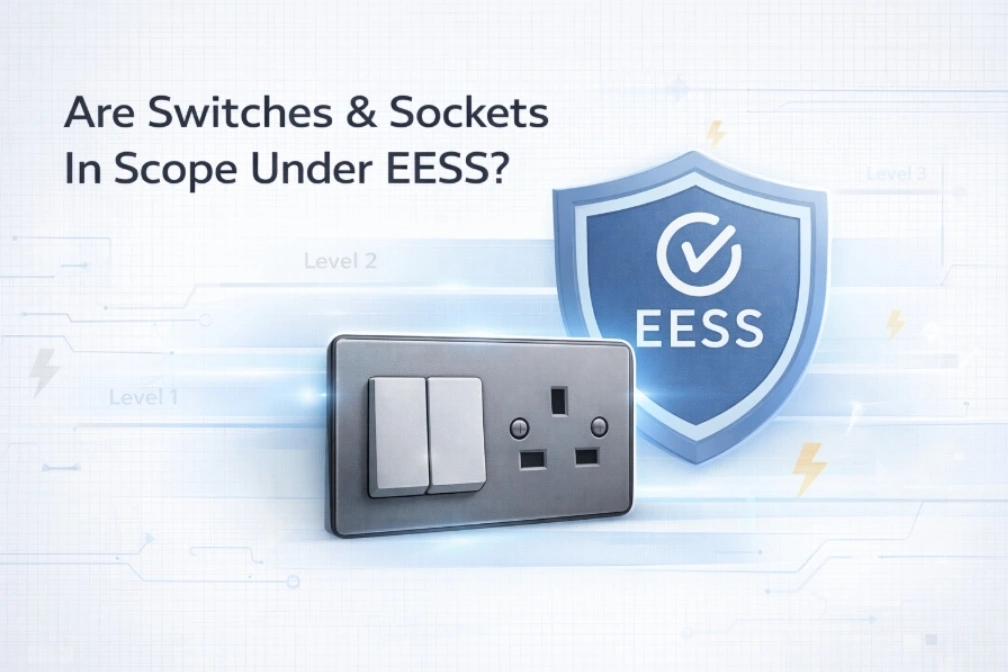
The EESS (Electrical Equipment Safety System) regulates “in scope electrical equipment” by classifying low-voltage products into three risk levels, determining which switches and sockets need mandatory certification versus simple supplier declarations. For Australian and New Zealand markets, understanding these classifications determines whether your products can legally enter the market. Incorrect classification results in rejected shipments […]
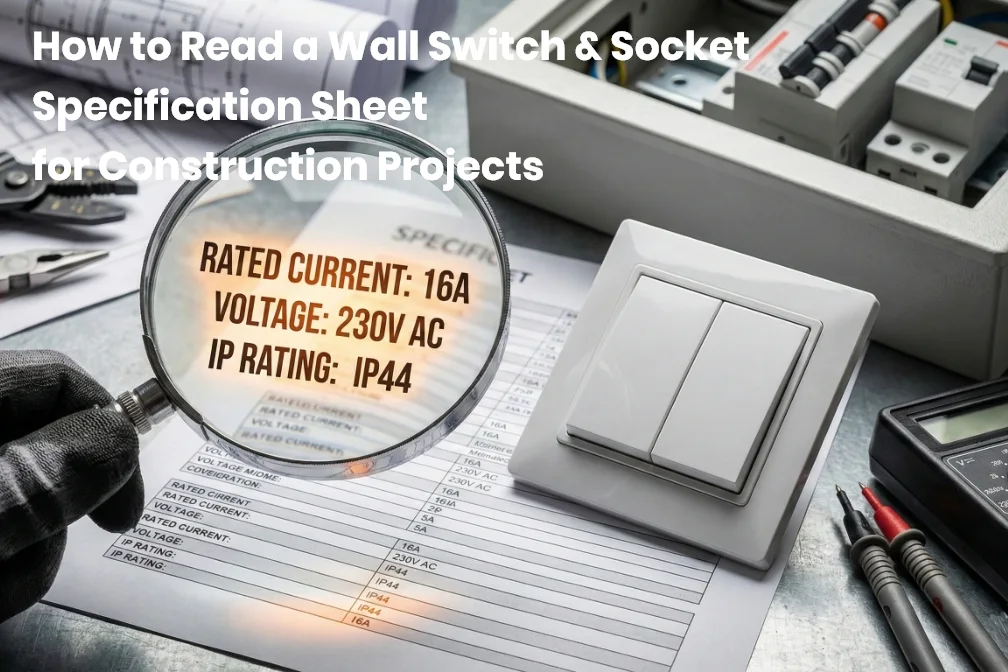
You can read a switch specification by focusing on eight key specifications: rated current, voltage, breaking capacity, IP rating, IK rating, material, certifications, and wiring method. Check these specifications first to match products against your project requirements and avoid costly mismatches. Why Wrong Specifications Cost More Than You Think Project managers often discover specification mismatches […]
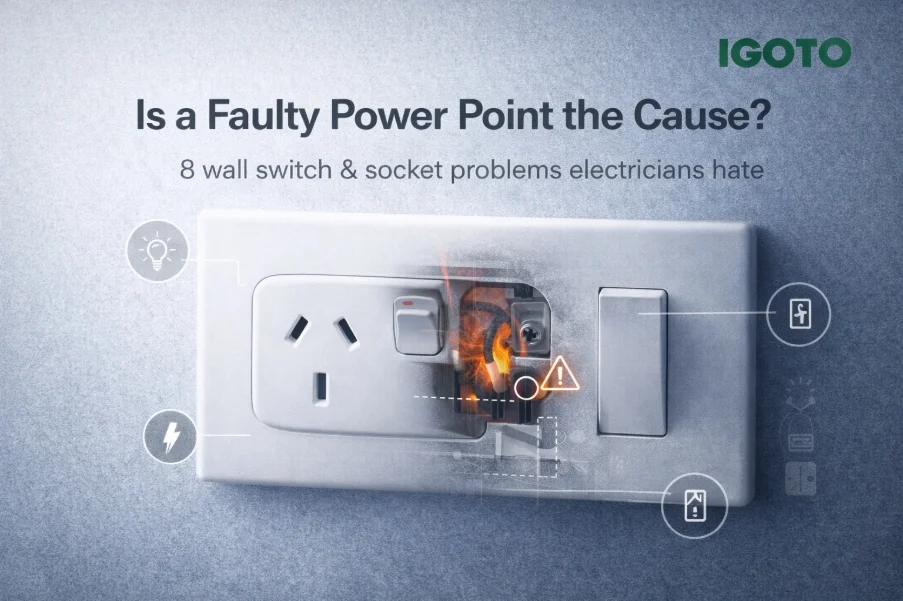
A faulty power point often causes flickering lights, overheating, or complete power loss. But behind these symptoms are design flaws electricians deal with daily: cramped wiring space, brittle clips, unclear terminals, and incompatible mounting holes that turn simple installations into frustrating ordeals. While this article focuses on Australian wall switches and power points, many of […]

 No.6 Tuozhan Road, Leshang Pioneer Park,Yueqingwan Bay Harbor,Yueqing city,Zhejiang Province


